


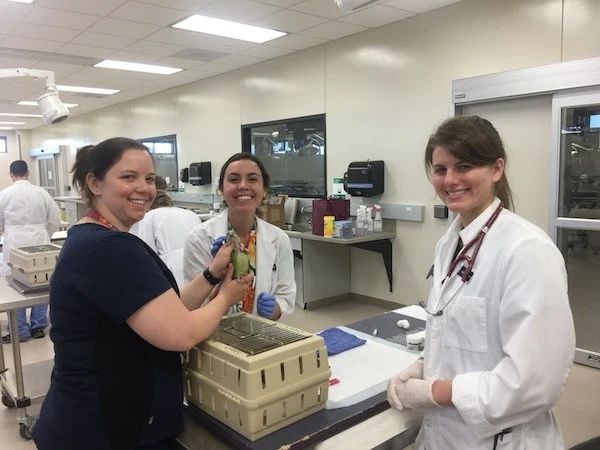
The landscape of veterinary medicine has undergone a profound transformation over the last twenty years, shifting from a primary focus on traditional domestic species toward an increasingly sophisticated understanding of exotic, wildlife, and zoological medicine. This evolution is perhaps most visible in the robust calendar of guest lectures, surgical wet labs, and specialized symposia hosted by leading veterinary colleges across North America and internationally. Through a consistent partnership between academic institutions and industry leaders, most notably the Lafeber Company, the veterinary curriculum has been enriched with niche expertise that prepares the next generation of clinicians for the complexities of treating non-traditional species.
A Legacy of Specialized Clinical Training
The historical trajectory of these educational initiatives reveals a steady increase in the depth and variety of topics offered to veterinary students. Beginning in the late 2000s, programs at the University of Tennessee and Texas A&M University set a precedent by inviting experts to discuss raptor medicine and avian emergency care. For instance, in November 2007, the American Eagle Foundation engaged with students at the University of Tennessee, highlighting the intersection of clinical care and wildlife conservation.
As the decade progressed, the focus expanded to include mammalian exotics. By 2012 and 2013, the curriculum at schools like Oklahoma State University and Kansas State University began incorporating specialized diagnostic techniques, such as ethno-ornithological initiatives and advanced imaging. The involvement of renowned specialists such as Dr. Gregory Rich and Dr. M. Scott Echols provided students with insights into practice management and surgical innovation that often exceeded the standard classroom experience.
The Growth of the "Wet Lab" and Hands-On Mastery
One of the most critical components of this two-decade timeline is the role of the "wet lab"—intensive, hands-on sessions where students practice surgical and diagnostic techniques on cadavers or under expert supervision. Texas A&M University has been a consistent leader in this area, hosting annual Zoo, Exotics, and Wildlife (ZEW) Club wet labs. These sessions have covered everything from rabbit dental procedures led by Dr. Anneliese Strunk in 2013 to avian reproductive surgery and fish anesthesia in 2016.
The importance of these labs cannot be overstated. While lectures provide the theoretical framework, the physical dexterity required for microsurgery in exotic species or the proper handling of a bird of prey requires direct mentorship. Programs at North Carolina State University and the University of Missouri have frequently partnered with organizations like Phoenix Landing to provide parrot behavior and handling labs, ensuring that future veterinarians are as competent in animal behavior as they are in clinical pathology.
Diversification of Species and Global Health Implications
As the 2010s gave way to the 2020s, the scope of "exotic medicine" continued to broaden. No longer confined to parrots and rabbits, the educational calendar began to reflect the global importance of biodiversity and one-health initiatives. In 2014, North Carolina State University explored the question of whether fish feel pain, a session led by Dr. Lysa Pam Posner that touched on the ethics of aquatic medicine. By 2023, the Atlantic Veterinary College was hosting sessions on shellfish disease monitoring and control, reflecting the growing economic and ecological importance of aquaculture.
The curriculum also began to address high-stakes wildlife crises. Scheduled for April 2026, Dr. Rebecca Duerr is set to present "Oiled Wild Bird Care" to the Kansas State University Exotic Animal Medicine Club. This reflects a long-standing commitment to environmental emergency response, a topic that has remained relevant since the early 2010s when organizations like Tri-State Bird Rescue & Research began collaborating with veterinary schools.
The Digital Pivot: The Rise of Distance Learning
The year 2020 marked a significant turning point in how veterinary expertise is disseminated. The global pandemic necessitated a shift to virtual platforms, but rather than hindering education, this transition allowed for a more globalized exchange of information. The "distance-learning event" became a staple of the veterinary student experience.
During this period, experts like Dr. Jörg Mayer utilized innovative teaching tools, such as using comics to interpret rabbit hematology for students at the University of Illinois. Distance learning also allowed schools to host international experts without the logistical burdens of travel. For example, in 2021, Dr. Jaime Samour presented on the medical and cosmetic procedures of birds of prey to students at Mississippi State and the University of Tennessee from his base in the Middle East. This digital integration has persisted into the 2024–2026 schedule, with virtual presentations on avian atherosclerosis, laboratory animal medicine, and hedgehog anesthesia becoming standard offerings.
Industry Sponsorship and the Role of Lafeber Company
A recurring theme throughout this extensive chronology is the pivotal role of corporate sponsorship, particularly from the Lafeber Company. Industry support has facilitated the "Special Species Symposia" at Cornell University and the University of Pennsylvania, often serving as a Gold or Silver level sponsor. These symposia are often the largest student-run conferences of their kind, drawing attendees from across the country.
Beyond financial support, the integration of specialized nutritional knowledge has been a cornerstone of the partnership. Kara Burns, a renowned specialist in veterinary nutrition, has been a frequent speaker at various colleges, including Purdue, the University of Florida, and UC Davis. Her sessions on avian nutrition fundamentals and critical care feeding for rabbits address a common gap in general veterinary education, emphasizing that proper husbandry and diet are the first lines of defense in exotic animal health.
Advancing Social Responsibility and Diversity
In recent years, the scope of these educational events has expanded to include the social and professional dimensions of veterinary medicine. In March 2023, Dr. Kemba Marshall addressed the Tufts Veterinary Council on Diversity to discuss diversity in zoological medicine. This signifies a maturing profession that recognizes that the sustainability of wildlife and exotic medicine depends not only on clinical skill but also on fostering an inclusive professional environment.
Similarly, the "Human Dimension of Parrot Conservation," presented by Dr. LoraKim Joyner at various institutions, highlights the ethical and psychological aspects of conservation work. These sessions encourage students to look beyond the individual patient and consider the broader ecological and social systems that impact animal welfare.
Chronological Highlights and Future Outlook
The timeline of these events illustrates a clear progression toward higher specialization:
- 2007–2012: Establishing the foundations of avian and raptor medicine.
- 2013–2018: Expansion into mammalian exotics, reptiles, and advanced surgical wet labs.
- 2019–2023: Integration of aquatic medicine, shellfish health, and the transition to hybrid learning models.
- 2024–2026: Focused sessions on niche clinical cases, such as avian atherosclerosis and oiled bird rehabilitation, alongside a continued emphasis on nutrition.
Looking ahead to late 2025 and 2026, the schedule remains robust. The University of Illinois will host its "Second Annual Bunny Bonanza Week," and Purdue University will continue its deep dives into avian nutrition. These upcoming events suggest that the demand for specialized knowledge is not a passing trend but a permanent fixture of modern veterinary science.
Broader Impact on the Veterinary Profession
The cumulative impact of these two decades of specialized education is a more versatile and capable veterinary workforce. By exposing students to experts in hedgehog surgery, elephant reproduction, and sea turtle imaging, veterinary colleges are ensuring that the "exotic" label no longer implies a lack of standardized care.
Furthermore, these collaborations between universities and industry partners like Lafeber ensure that the latest research is translated into clinical practice almost in real-time. When Dr. Sara McReynolds presents on Highly Pathogenic Avian Influenza (HPAI) at Kansas State, students are receiving the most current public health data available, preparing them to act as frontline defenders against zoonotic diseases.
As the 2026 academic year approaches, the legacy of these programs stands as a testament to the power of collaborative education. The transition from basic bird handling in 2008 to complex reproductive surgery and virtual global symposia in 2026 reflects a profession that is rapidly advancing, driven by a shared commitment to the health and conservation of all species, no matter how small or non-traditional they may be.

