


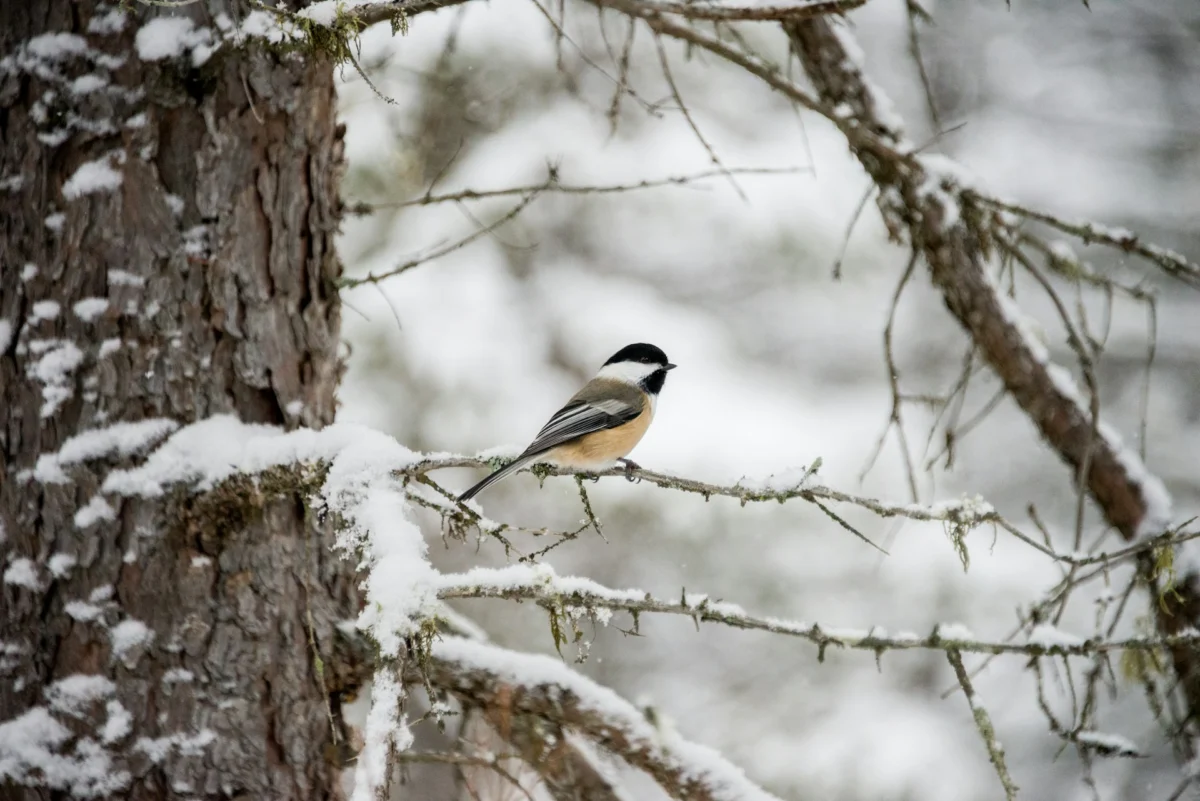
The countryside, stripped bare by winter’s embrace, offers a unique canvas for observation. As the days shorten and the vibrant hues of autumn recede, nature reveals its essential forms, and birds, freed from the dense foliage, become more visible and audible than at any other time of year. The Christmas period, with its unhurried daylight and reflective moods, provides a rare opportunity to pause and appreciate these avian inhabitants, fostering moments of quiet connection with the natural world. This is not a pursuit of the elusive or the exotic, but an invitation to seek out those brief, memorable encounters that define winter birdwatching. Here are twelve such experiences, readily accessible whether observed from a kitchen window, during a crisp morning walk, or in a tranquil moment between holiday festivities.

The Robin’s Winter Vigil: A Symbol of Resilience
Few birds are as intrinsically linked with the festive season as the European Robin (Erithacus rubecula). However, its winter behaviour diverges significantly from its spring persona. These small, tenacious birds become remarkably bold and curious, often approaching within mere feet as humans tend to gardens, traverse woodland paths, or pause by hedgerows. This proximity is not born of festive friendliness but rather a fierce territoriality driven by the scarcity of winter resources. Robins vigorously defend their feeding grounds, and this defence can extend to individuals who inadvertently disturb hidden invertebrates. Their bright red breast, a vivid contrast against the muted winter landscape, serves as a constant reminder of life’s persistence. Data from ornithological surveys consistently show an increase in robin sightings in urban and suburban areas during winter months, as they exploit readily available food sources in proximity to human activity. This behaviour underscores their adaptability and their role as a familiar, yet resilient, presence throughout the colder months.

The Dawn Chorus of the Wild: Geese Overhead
One of winter’s most stirring soundscapes begins before dawn. On frigid mornings, skeins of wild geese – be it Pink-footed Geese (Anser brachyrhynchus), Greylag Geese (Anser anser), or White-fronted Geese (Anser albifrons) – lift from their nocturnal roosts, their purposeful formations etched against the pale, pre-dawn sky. Their calls, carried far in the still air, echo across fields and estuaries, transforming the nascent light of day into an ancient and invigorating experience. These migratory journeys, often spanning hundreds or even thousands of miles, are undertaken to exploit seasonal food resources. The sight and sound of these large flocks are a testament to the vast interconnectedness of ecosystems and the enduring power of instinctual migration patterns. Conservation efforts focused on wetland habitats and agricultural practices that retain stubble fields are crucial for supporting these species, ensuring their continued presence in our winter skies.

The Barn Owl’s Silent Ballet: A Ghost in the Dusk
The Barn Owl (Tyto alba) embodies the profound stillness of winter perhaps more than any other avian species. As daylight wanes, their pale, ethereal forms materialize over frost-rimmed fields, quartering the terrain with a ghost-like precision. Their flight is characterized by an unnerving silence, a product of specialized feather adaptations that muffle sound, allowing them to hunt effectively. The scarcity of vegetation in winter makes small mammals, their primary prey, more detectable, and the owl’s unhurried, deliberate flight seems to suspend time itself. The Barn Owl’s presence is often tied to the health of farmland ecosystems, requiring rodent populations to thrive. Reports from conservation organizations indicate a steady, albeit sometimes localized, population of Barn Owls across much of Europe, with their twilight hunting flights being a particularly sought-after sighting for naturalists.

Redwings and Fieldfares: The Thrushes of the Berry Bush
For many, the arrival of Redwings (Turdus iliacus) signals the true onset of winter, and for some, the festive season. These migratory thrushes inject vibrancy and sound into otherwise tranquil landscapes. They descend suddenly upon berry-laden trees, particularly rowan, their presence marked by a flurry of activity before erupting into flight at the slightest disturbance. Their calls, high and thin, often described as "seep," are among the most evocative sounds of the season. Fieldfares (Turdus pilaris) frequently accompany them, creating mixed flocks that can strip fruit trees bare in a matter of days. This behaviour is a survival strategy, with the birds feasting on readily available food before moving on to the next resource. The abundance of berries in autumn directly influences the wintering success of these species, making hedgerow management and the preservation of fruiting trees vital for their populations.

The Kingfisher’s Electric Flash: A Jewel on the Water
In winter’s muted colour palette, the Kingfisher’s (Alcedo atthis) plumage appears almost otherworldly. That electric flash of iridescent blue and vibrant orange becomes even more striking against the backdrop of bare branches, dark, still water, and often-grey skies. Cold weather can concentrate birds along unfrozen streams and rivers, as fish become more accessible in shallower or clearer waters. This makes winter one of the most opportune times to spot a perched kingfisher, provided patience and keen observation skills are employed. Their presence is a strong indicator of healthy aquatic ecosystems, as they rely on clean water with sufficient fish populations. Reports from environmental agencies often highlight kingfisher sightings as a positive indicator of riverine health.

Long-Tailed Tits: A Cascade of Tiny Wonders
A winter hedgerow or woodland edge truly comes alive with the passage of Long-Tailed Tits (Aegithalos caudatus). These small, energetic birds travel in tight-knit family groups, their constant, soft contact calls creating a gentle, excited murmur. They forage meticulously, inch by inch, through branches and twigs, their long tails bobbing as they move. They are birds of profound togetherness, with siblings often staying in close proximity throughout the winter months. Observing their intricate social dynamics and their collective foraging behaviour feels particularly fitting during the Christmas period, a time that emphasizes family and community. Their presence in mixed flocks, often accompanied by Goldcrests (Regulus regulus) and Treecreepers (Certhia familiaris), adds another layer of dynamism to winter birdwatching.

The Woodcock’s Explosive Escape: A Master of Disguise
The Woodcock (Scolopax rusticola) is arguably Britain’s most secretive winter visitor, and Christmas presents some of the prime opportunities for an encounter, albeit often a surprise one. A dusk walk along the edges of damp woodlands or dense scrub may suddenly trigger an explosive flush as the bird takes flight. Its characteristic zigzagging escape on whirring wings is a heart-racing experience. These birds are masters of camouflage, their cryptic plumage blending seamlessly with leaf litter and undergrowth. Their presence is tied to suitable habitat, requiring undisturbed areas with moist soil for probing for invertebrates. Wintering numbers can fluctuate based on weather conditions further north, making them a sought-after but elusive quarry for keen observers.

The Starling Murmuration: Aerial Ballet at Dusk
The murmuration of starlings is winter theatre at its most magnificent. As daylight begins to fade, thousands of starlings converge and twist in synchronized aerial ballets above their chosen roost sites. These vast flocks form ever-shifting shapes against the twilight sky, a breathtaking display of collective behaviour before they descend en masse into reeds, buildings, or other sheltered locations. The intensity of the spectacle often increases with colder weather, making the Christmas period a reliable time to witness this natural phenomenon. The precise reasons for these large roosts are complex, involving safety in numbers, communal information sharing about food sources, and thermoregulation. Ornithologists continue to study the intricate communication and coordination that enables such vast numbers of birds to move as a single entity.

Goldfinches at the Feeder: A Cheerful Spectacle
Often overlooked as common garden visitors, Goldfinches (Carduelis carduelis) reveal their sociable nature in winter. Small flocks gather at feeders, their bright red faces, golden wing bars, and tinkling calls creating a constant, cheerful soundtrack. Their festive plumage makes them particularly delightful against the stark backdrop of frost-kissed branches and bare foliage. The cold snaps of winter often drive them to seek out supplemental feeding stations, increasing their visibility in gardens and parks. Providing nyjer seed and sunflower hearts can attract these delightful finches, offering a readily accessible and visually rewarding birdwatching experience.

The Grey Wagtail’s Bright Streak: A Dash of Colour by Water
Despite its name, the Grey Wagtail (Motacilla cinerea) brings a surprising splash of colour to winter riverbanks and waterways. Its bright yellow underparts gleam as it bobs energetically along weirs, fast-flowing streams, and even urban drainage channels where water remains unfrozen. Their constant tail-wagging is a distinctive characteristic, making them relatively easy to identify once spotted. They are often found in proximity to running water, where they forage for aquatic insects and small invertebrates. Their presence is a good indicator of healthy watercourses, and they can often be seen in unexpected urban environments, highlighting their adaptability to human-altered landscapes.

The Sparrowhawk’s Swift Passage: A Moment of Frozen Time
Few avian encounters sharpen winter birdwatching quite like the sudden appearance of a Sparrowhawk (Accipiter nisus). One moment, a garden feeder is a scene of bustling activity; the next, everything freezes, or erupts in a chaotic flurry of escape. Winter brings these agile predators closer to human habitation as their prey congregates around readily available food sources. Their appearances are brief, thrilling, and unforgettable, a stark reminder of the predator-prey dynamics that underpin the natural world. The speed and precision of a Sparrowhawk’s hunting flight are remarkable, and witnessing one is a powerful demonstration of avian predatory prowess.

The Christmas Walk Bird: The Unexpected Gem
Every Christmas walk, whether through woodland, parkland, or along coastal paths, seems to hold a particular bird that might otherwise go unnoticed on an ordinary day. It could be a Mistle Thrush (Turdus viscivorus) calling from a bare tree, a resplendent Bullfinch (Pyrrhula pyrrhula) perched in a hedgerow, or a striking Brambling (Fringilla montifringilla) foraging amongst a flock of Chaffinches (Fringilla coelebs). The significance lies not in rarity, but in presence and the quiet observation that the festive season affords. Christmas provides the invaluable gift of time, and with it, the opportunity to see the world, and its avian inhabitants, with fresh eyes, appreciating the subtle beauty and resilience that persist even in the deepest of winter. The continued interest in birdwatching, as evidenced by initiatives like the annual Christmas Bird Count, underscores a growing public engagement with nature and a desire to contribute to citizen science efforts that monitor bird populations and ecological health.

