


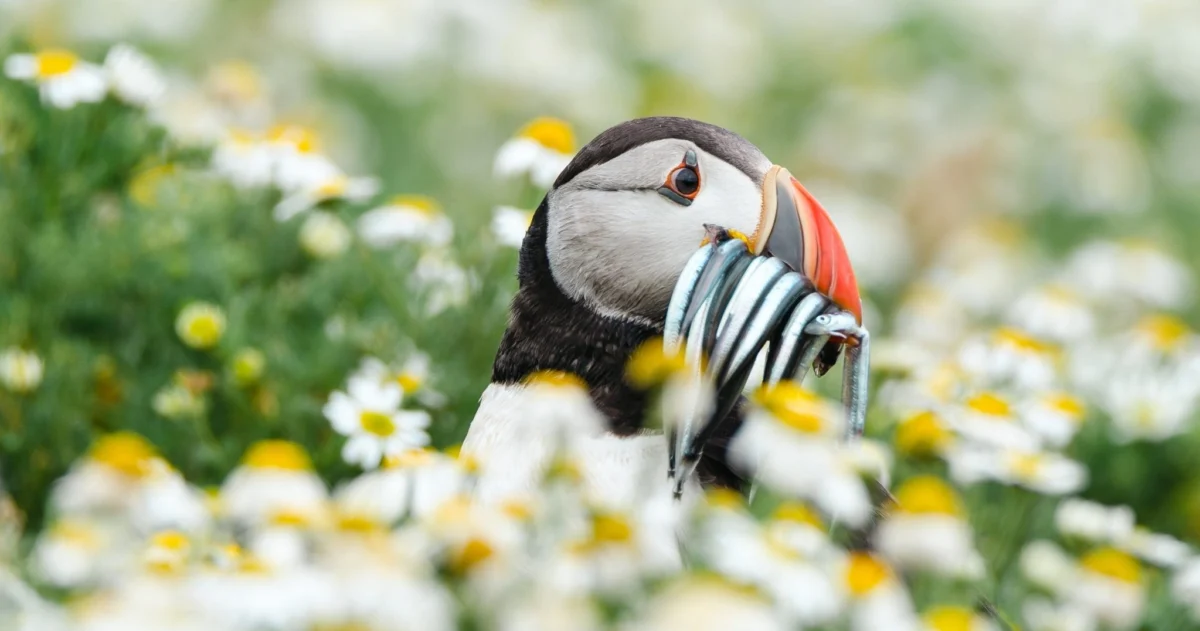
The chilling arrival of spring has brought not only the familiar return of the Atlantic Puffin ( Fratercula arctica ) to European shores but also a stark and devastating reality. This iconic seabird, instantly recognizable by its vibrant, clown-like beak and unique calls, has become a potent symbol of an escalating ecological crisis. While Puffins typically grace northern European coastlines between April and August, spending the vast majority of their lives navigating the open ocean, this year’s breeding season is shadowed by an unprecedented seabird “wreck” that has left scientists and conservationists in disbelief and profound concern.
A Grim Winter’s Toll: Thousands of Seabirds Lost
The aftermath of the recent winter has painted a grim picture along the Atlantic coasts of Spain, Portugal, and France. Over 38,000 seabirds, a staggering number, have been found stranded and deceased. Among these tragic casualties, hundreds of Atlantic Puffins were discovered washed ashore on the beaches of Cornwall in the United Kingdom. This stark figure stands in chilling contrast to the mere two Puffins found dead in the same region the previous year, transforming what should have been a picturesque winter landscape into what one observer described as a “crime scene.”
This mass mortality event, a recognized natural phenomenon known as a seabird wreck, is typically triggered by severe winter storms that batter the seas where these birds spend months foraging. The relentless gales exhaust and starve the birds, many of which are ill-equipped to contend with such extreme conditions after extended periods at sea. However, the scale and intensity of this year’s wreck have surpassed anything witnessed in a decade, with reports of dead birds spanning thousands of miles of coastline. The last comparable event, the 2013-2014 wreck, saw over 54,000 seabirds reported dead across European Atlantic coastlines, with Puffins being the most severely affected species. Experts caution that the true death toll is likely far higher, as countless birds perish at sea, their bodies never reaching land.
The Unseen Struggle: Puffins’ Vulnerability at Sea
The Atlantic Puffin’s survival is intrinsically linked to its reliance on keen eyesight for hunting small fish. However, the rough and turbulent sea conditions experienced this past winter have severely hampered their ability to locate food. Murky, storm-churned waters obscure the visibility necessary for successful foraging. For birds already undertaking arduous migrations and spending months away from land, the inability to find sustenance leads to extreme exhaustion and starvation. Many birds, weakened and depleted, simply cannot make the journey back to shore, succumbing to the unforgiving elements. This vulnerability highlights the delicate balance of their existence and how readily it can be disrupted by environmental shifts.
Climate Change: Amplifying Natural Disasters
While seabird wrecks are a natural occurrence, a growing body of scientific evidence points to climate change as a significant amplifying factor. Rising global temperatures are intensifying extreme weather events, leading to more frequent and severe storms. This escalating pattern of climatic instability poses a profound threat to seabird populations, potentially pushing them beyond their adaptive capacities. As warming seas contribute to more volatile weather, the likelihood of such devastating wrecks increases, casting a long shadow over the future of these magnificent creatures.
Antonio Vulcano, Senior Marine Conservation Officer at BirdLife Europe and Central Asia, voiced grave concerns regarding the escalating threats. "In Europe, threats to seabirds are worsening every year," Vulcano stated. "At the same time, seabird populations in the region are declining, and recovery can take a long time. Puffins, an iconic species of the northern seas, are no exception. Stormy weather in the Atlantic during this winter has caused huge numbers of Puffins and other seabirds to wash up dead on Spanish, Portuguese, French, and UK shores. This adds to an already long list of threats, such as food shortages due to overfishing, bycatch in fishing gears, predation at breeding colonies by invasive alien species, and poorly planned offshore wind developments. It is crucial to focus on the cumulative effects of these several threats on seabird populations. Only by addressing the full range of threats can we help them to bounce back, by reducing pressures before it is too late.”
Broader Implications: A Ripple Effect on Breeding Success
The catastrophic losses experienced this winter are projected to have significant repercussions for the upcoming breeding season. Key breeding grounds, including Bempton Cliffs, Skomer Island, the Farne Islands, the Isle of May, and St. Kilda, are expected to see a marked reduction in breeding pairs. This decline in reproductive success is a direct consequence of the weakened and lost adult population. The sheer scale of this year’s losses serves as a poignant and painful reminder of the inherent fragility of life in the marine environment. European seabird populations are already facing a crisis, and urgent, concerted efforts are now deemed crucial for their very survival.
The implications extend beyond individual species. Seabirds play a vital role in marine ecosystems, acting as indicators of ocean health. Their decline can signal broader issues within the food web, impacting fisheries and the overall balance of marine life. The current crisis underscores the interconnectedness of human activities and the health of our oceans.
A Decade of Decline: Historical Context and Trends
The recent wreck is not an isolated incident but part of a worrying trend of declining seabird populations across Europe. The 2013-2014 wreck, which saw over 54,000 seabirds perish, highlighted the vulnerability of species like the Puffin to extreme weather events. This year’s event, while potentially exceeding those figures, is exacerbated by the cumulative impact of other human-induced pressures.
- Overfishing: Depletion of fish stocks, the primary food source for many seabirds, forces them to travel further and expend more energy in search of food. This can lead to malnourishment and weakened individuals, making them more susceptible to the effects of storms.
- Bycatch: Accidental entanglement in fishing gear, known as bycatch, is a significant cause of mortality for seabirds. Millions of birds are estimated to die annually in this manner.
- Habitat Degradation and Predation: Coastal development and the introduction of invasive species to breeding colonies can disrupt nesting sites and increase predation on eggs and chicks, further stressing already vulnerable populations.
- Offshore Developments: While renewable energy sources like offshore wind farms are crucial for combating climate change, poorly planned developments can pose risks through habitat displacement, collision, and disturbance.
The Cumulative Impact: A Multi-faceted Threat
The analysis of this crisis reveals a complex interplay of factors. It is not solely one single threat that is decimating seabird populations, but rather the cumulative effect of multiple stressors. Climate change intensifies the impact of natural events like storms, while human activities like overfishing and bycatch further weaken the birds’ resilience. This confluence of threats creates a perfect storm for species already struggling to adapt to a rapidly changing world.
A Glimmer of Hope: Conservation Efforts and Future Actions
Despite the grim prognosis, there remains a critical window for action. Local shelters and environmental organizations, such as the Wildlife Trust, are working tirelessly to rescue and rehabilitate injured seabirds. Their efforts, though often on a small scale compared to the magnitude of the problem, provide vital support and highlight the dedication of conservationists on the ground.
The return of Puffins to their nesting cliffs this spring is a poignant reminder that the coming months are crucial. The survival of these iconic birds will depend not only on the unpredictable forces of nature but also on the choices made by humans on land and at sea.
Pathways to Recovery: Sustainable Practices and Policy Changes
Effective conservation strategies must address the multifaceted nature of the threats facing seabirds. Key actions include:
- Strengthening Marine Protected Areas: Establishing and enforcing robust protections for marine ecosystems can help safeguard crucial foraging grounds and breeding sites.
- Promoting Sustainable Fishing Practices: Implementing stricter quotas, reducing bycatch through innovative gear modifications, and supporting responsible fisheries management are essential to ensure food security for seabirds.
- Thoughtful Offshore Development: Careful planning and environmental impact assessments for offshore wind farms and other marine infrastructure can minimize negative consequences for seabird populations.
- Addressing Climate Change: Global efforts to reduce greenhouse gas emissions are paramount to mitigating the intensifying impact of extreme weather events.
The devastating seabird wreck of this past winter serves as a stark and urgent call to action. It is a visceral reminder of the delicate balance of our planet’s ecosystems and the profound impact of human activities. By embracing stronger protection of marine environments, fostering sustainable practices, and making informed decisions, we can offer a lifeline to Europe’s beloved Puffins and countless other seabird species, ensuring their continued presence for generations to come. The future of these remarkable birds, and indeed the health of our oceans, hinges on our collective commitment to change.

