


On April 1, 2026, a Malheur County judge issued a final order for the forfeiture of approximately 240 goats seized from Grand Barr Dairy, a small-scale agricultural operation located in Oregon. This ruling marks the culmination of a multi-year legal battle and undercover investigation that has drawn national attention to the standards of care within the boutique dairy industry. The goats, which were removed from the property in February 2026 following reports of extreme neglect, will now be transferred to the custody of the county, with animal welfare organizations advocating for their placement in permanent sanctuaries.
The legal proceedings follow a massive indictment returned by a Malheur County grand jury against the dairy’s operators, Taunia Barr and Aaron Barr. The couple faces 478 counts of felony animal neglect, alongside 14 misdemeanor charges. Under Oregon law, each felony count carries a potential penalty of up to five years in prison and a fine of $125,000, signaling one of the most significant animal welfare prosecutions in the state’s history.
The Scope of the Undercover Investigation
The case against Grand Barr Dairy began in late 2025 after a whistleblower, a former employee at the facility, contacted People for the Ethical Treatment of Animals (PETA). The whistleblower alleged that the farm, which utilized roughly 250 goats for milk production, was operating under conditions of severe filth and systemic medical neglect. In response, PETA launched two consecutive undercover investigations to document the daily operations of the dairy.
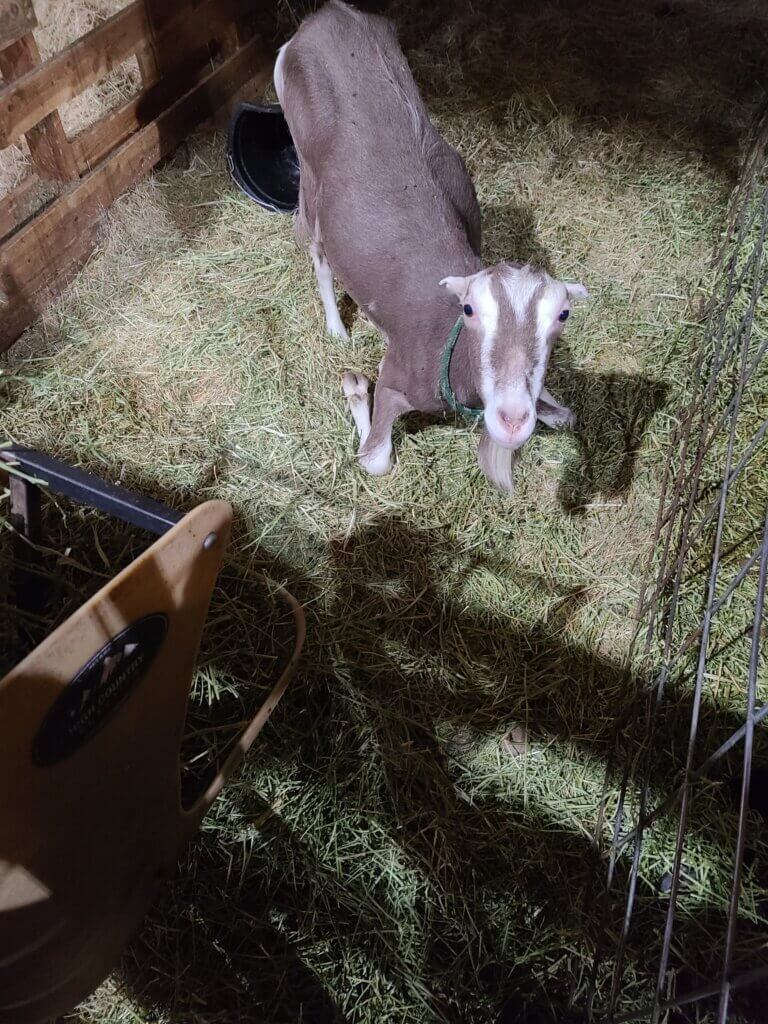
The first investigator, working on-site during the latter half of 2025, recorded evidence of emaciated animals, untreated infections, and a lack of basic veterinary intervention. Despite these findings being shared with the Malheur County Sheriff’s Office in December 2025, a second investigator who entered the farm shortly thereafter reported that conditions remained largely unchanged. Even after the sheriff’s office issued an initial citation for neglect to one of the owners, the second investigation documented ongoing suffering, suggesting a chronic failure of management rather than an isolated incident.
Chronology of Events and Legal Milestones
The timeline of the Grand Barr Dairy case illustrates a prolonged period of alleged neglect followed by a swift legal escalation in early 2026:
- Late 2025: A whistleblower reports conditions at Grand Barr Dairy to PETA.
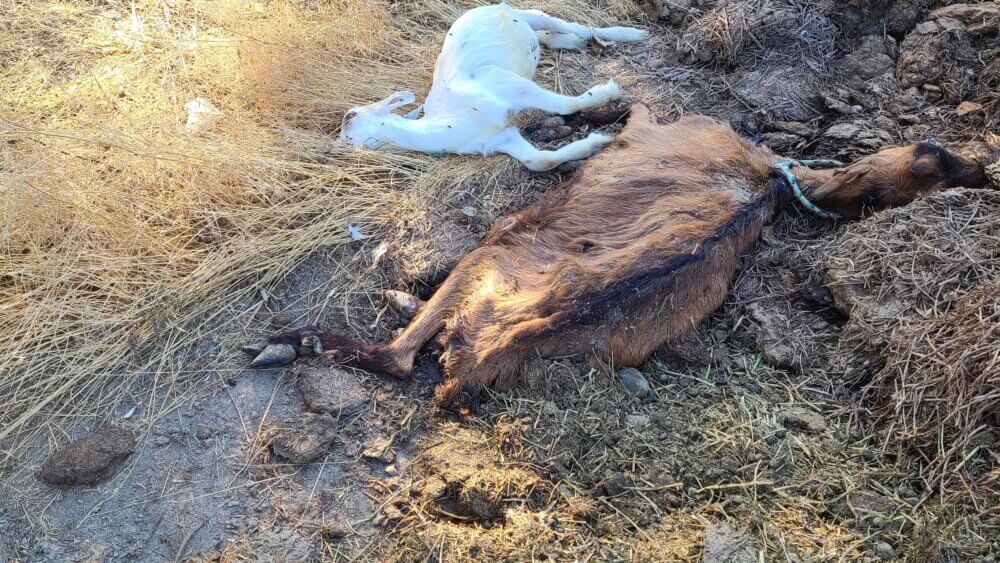
- October – December 2025: The first undercover investigation documents widespread illness, lack of shelter, and the death of several animals without veterinary care.
- December 23, 2025: Evidence is submitted to the Malheur County Sheriff’s Department.
- December 2025 – February 2026: A second undercover investigator monitors the farm, documenting that the owners failed to improve conditions despite law enforcement awareness.
- February 2026: Law enforcement executes a warrant, seizing approximately 240 goats from the property.
- February 27, 2026: Taunia and Aaron Barr are indicted on 478 felony neglect charges and 14 misdemeanors.
- April 1, 2026: A Malheur County judge orders the permanent forfeiture of the seized goats to the county.
Documented Conditions and Veterinary Findings
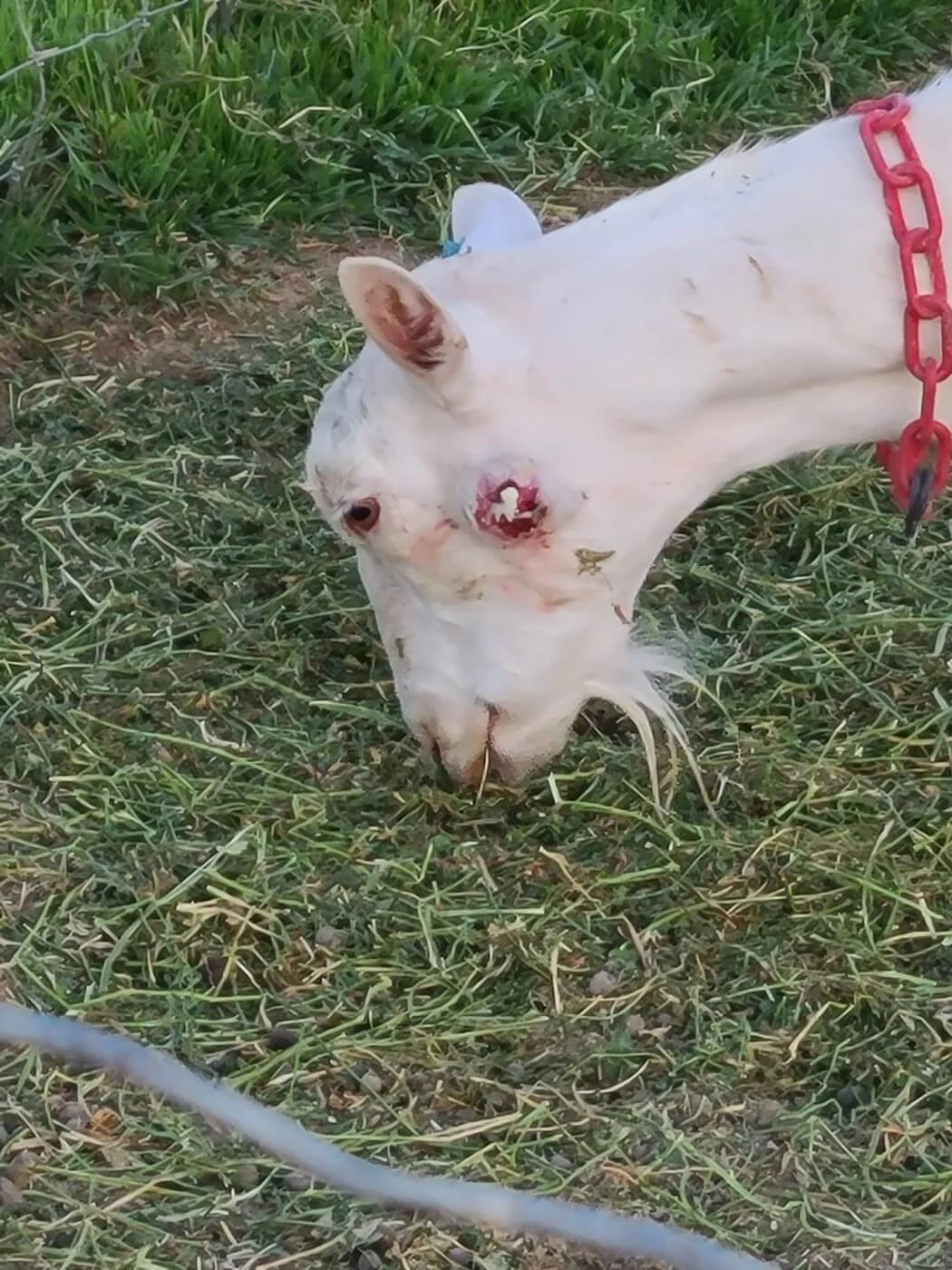
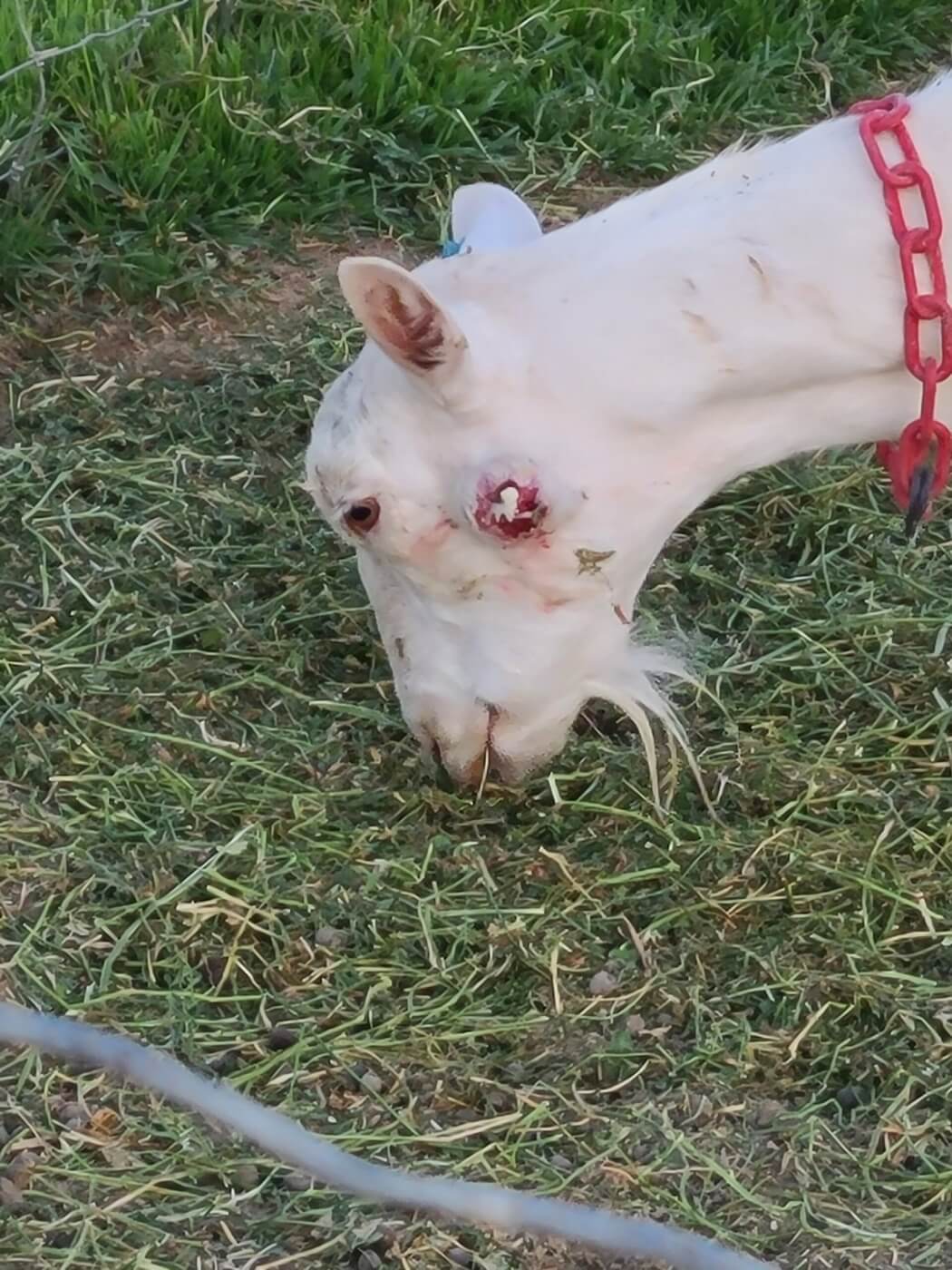
Evidence presented during the investigation and subsequent legal filings detailed a variety of pathological conditions affecting the herd. Central to the allegations was the denial of veterinary care for treatable conditions such as pneumonia, parasite infestations, and various infections.
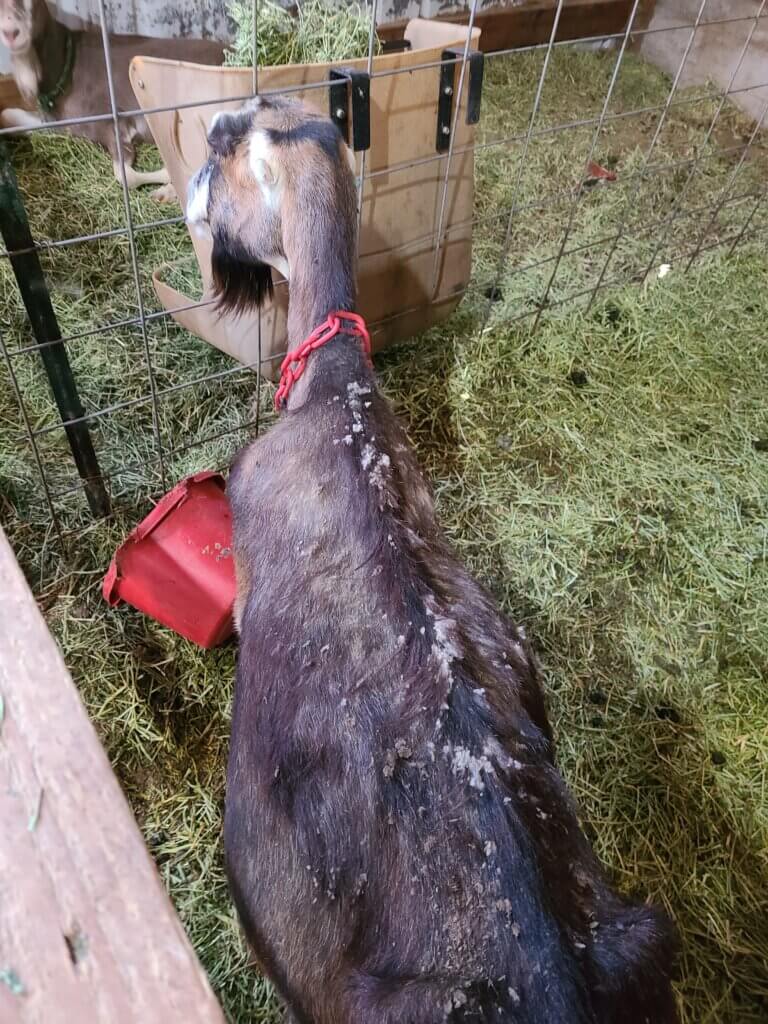
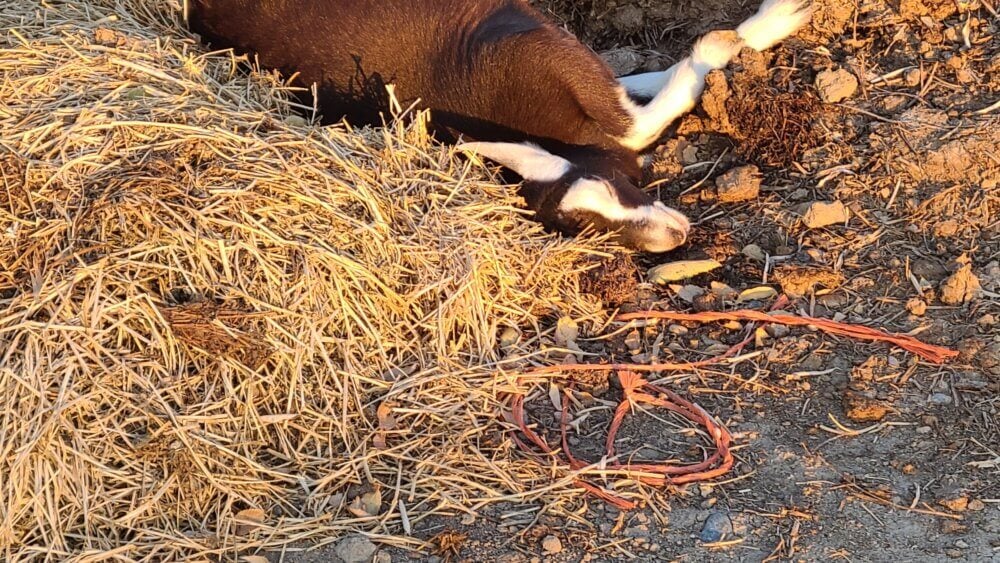
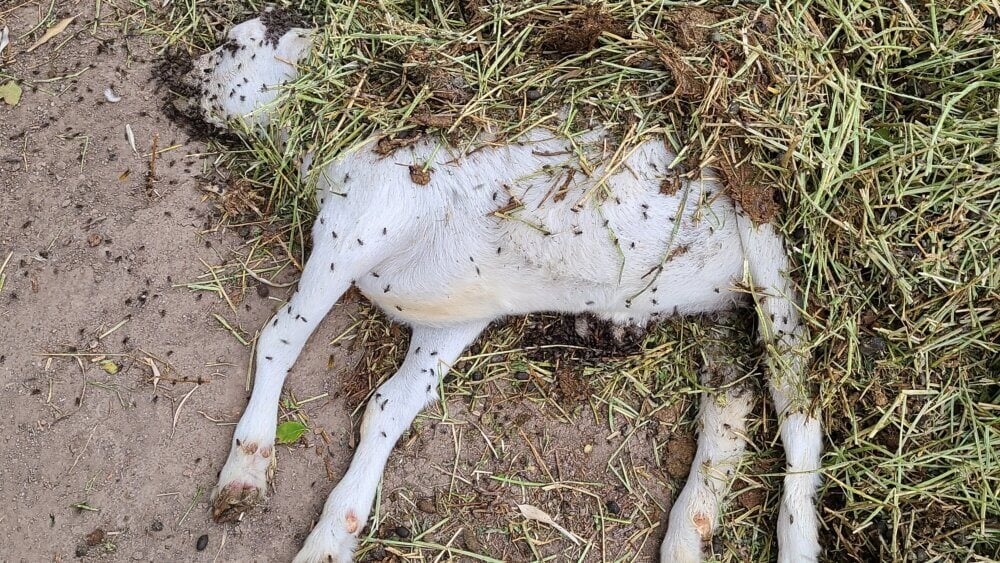
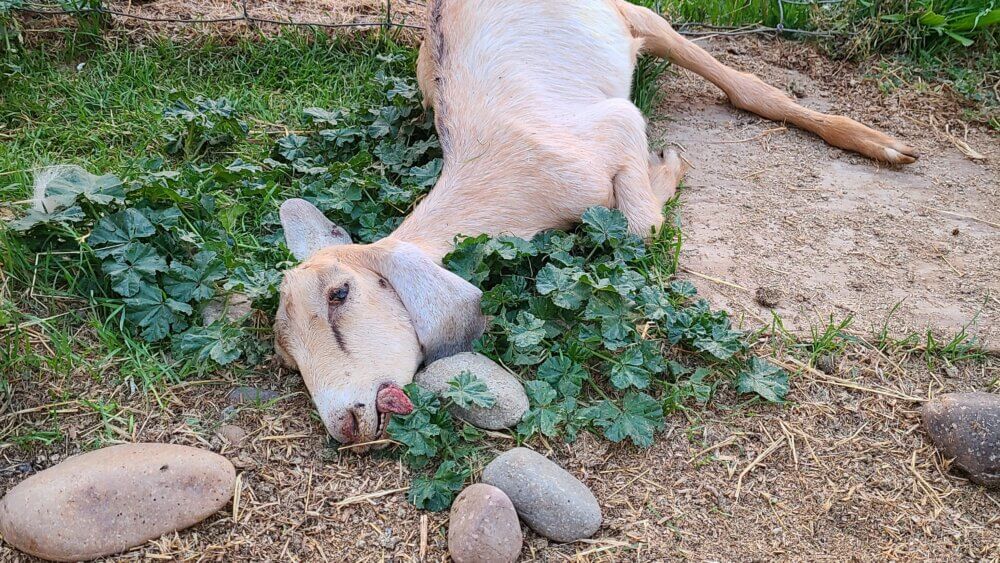
One specific case involved a doe named Barbara, who was found to be severely underweight with visible skin lesions. According to the investigation reports, the dairy’s co-owner acknowledged the animal’s condition but failed to seek professional medical help for over five weeks. When the goat eventually became too weak to stand, she was removed by the investigator for emergency care. Veterinary examination revealed Barbara was suffering from malnutrition, dehydration, generalized muscle atrophy, and a maggot infestation. Due to the advanced state of her illness, she was humanely euthanized on a veterinarian’s recommendation.
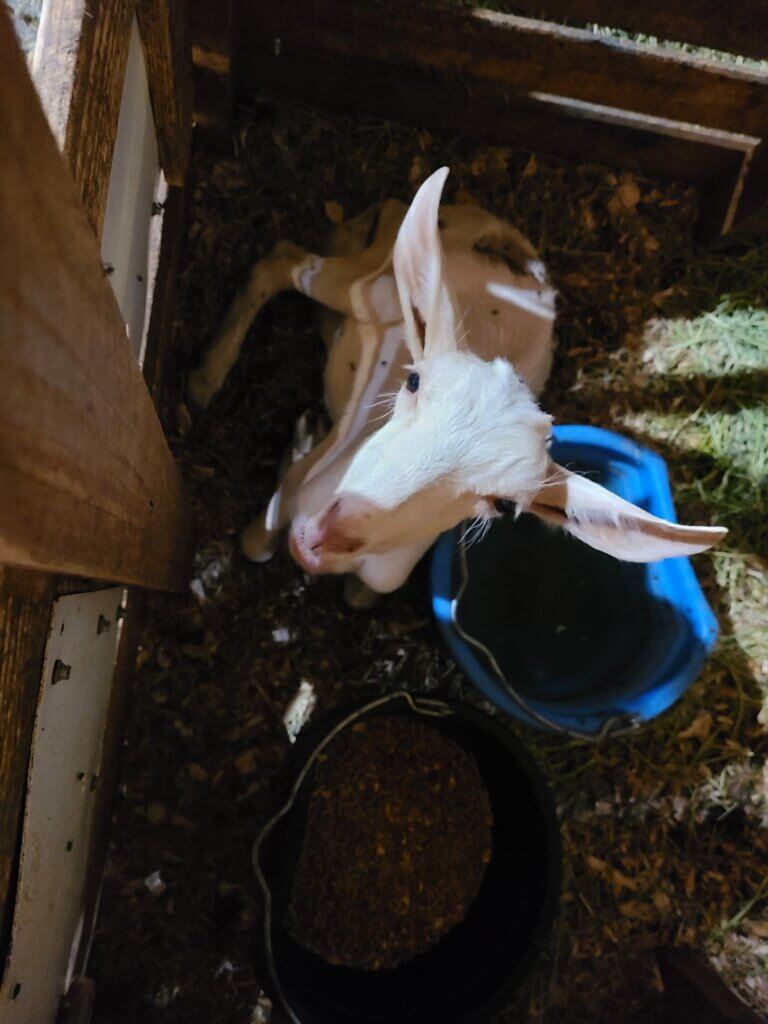
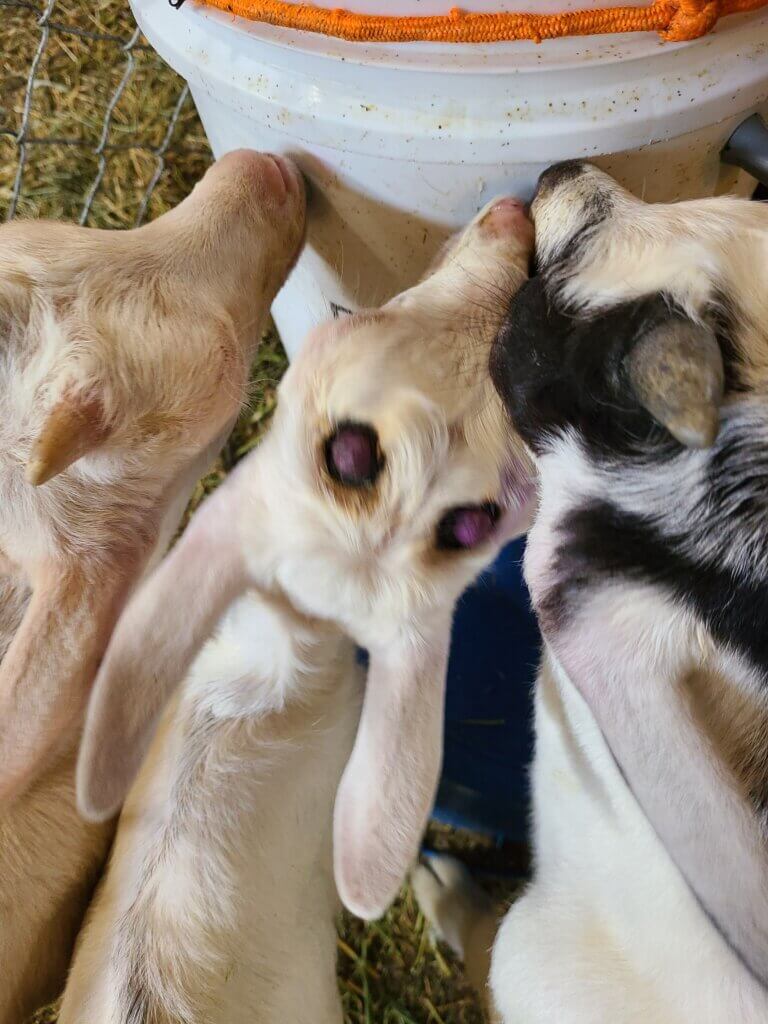
Another recurring issue was the presence of caseous lymphadenitis, a highly contagious bacterial infection that causes internal and external abscesses. Investigators documented that the owners allegedly allowed these abscesses to burst on their own without cleaning the wounds or isolating the infected animals. This poses not only a risk to the herd but also a potential public health concern, as the bacteria can occasionally be transmitted to humans through contaminated milk.
Analysis of Agricultural Practices and Welfare Standards
The investigation also highlighted several standard agricultural procedures that were allegedly performed without adequate pain management. These included disbudding—the removal of horn-producing tissue—and castration.
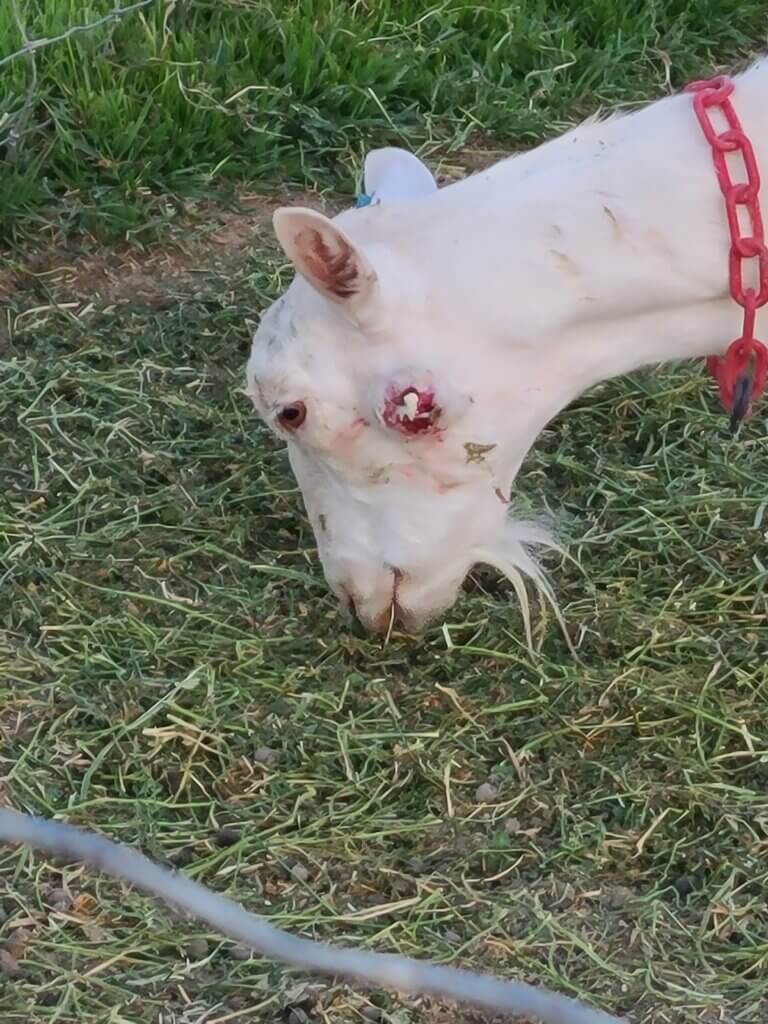
Expert testimony from Dr. Clive Phillips, a former chair of animal welfare at the University of Queensland, and Dr. Mason Payne, a veterinarian who reviewed the undercover footage, pointed to significant lapses in welfare. Dr. Phillips noted that the disbudding of kids at four to six weeks of age without anesthesia is "cruel," as the horn buds have often already begun to fuse with the skull by that stage. Similarly, Dr. Payne characterized the use of tight bands for castration—a method that cuts off blood flow until the tissue becomes necrotic—as one of the most painful methods available, requiring rigorous pain control that was reportedly absent at Grand Barr Dairy.
Furthermore, the environmental conditions were described as inadequate for the size of the herd. Investigators reported that more than 60 goats had no access to shade or shelter, leaving them exposed to extreme weather. Water troughs were frequently empty or contaminated with algae, and the pens were reportedly left uncleaned for months, leading to a buildup of waste that contributed to hoof rot and skin conditions.
Corporate Fallout and the "Humane" Marketing Gap
At the time of the initial investigation, Grand Barr Dairy was a supplier for Laura Chenel, a prominent California-based cheesemaker. Laura Chenel has historically marketed its products based on high animal welfare standards, claiming to source milk from "happy" goats and farms that "put their goats first."
Upon being presented with the findings of the undercover investigation, Laura Chenel immediately terminated its relationship with Grand Barr Dairy. This move highlights a growing trend in the food industry where retailers and processors are held accountable for the practices of their upstream suppliers.
The case serves as a cautionary tale regarding "humane washing"—a term used to describe marketing that portrays animal products as being produced under superior welfare conditions when the reality may differ. The Grand Barr Dairy incident suggests that smaller "family" farms are not inherently exempt from the systemic issues often associated with larger industrial operations. In this instance, the drive for profitability and the cost of veterinary care were cited as reasons for the denial of basic necessities to the animals.
Official Responses and Public Sentiment
The Malheur County Sheriff’s Office, led by Sheriff Travis Johnson, has been under significant public pressure to ensure the welfare of the remaining animals. While the department initially faced criticism for the delay between the first reports and the eventual seizure of the goats, the subsequent filing of hundreds of felony charges indicates a rigorous pursuit of justice by local prosecutors.
Animal advocacy groups are now urging the Sheriff’s Office to coordinate with reputable sanctuaries for the long-term care of the forfeited goats. "The public is watching, and the goats can’t wait," PETA stated in a recent update, emphasizing the need for a transition from county custody to specialized environments where the animals can receive rehabilitative care.
The owners of the dairy have not yet released a formal public statement regarding the 478 felony charges. However, in recorded interactions with investigators, they reportedly attributed the thinness of the goats to their age or the inherent nature of dairy animals, a claim often disputed by veterinary experts who distinguish between a lean dairy physique and pathological emaciation.
Broader Impact and Implications for the Dairy Industry
The Grand Barr Dairy case is likely to have lasting implications for the regulation of small-scale dairies in Oregon and beyond. It raises critical questions about the frequency and efficacy of state inspections. While large-scale concentrated animal feeding operations (CAFOs) often face more frequent regulatory scrutiny, smaller "family-owned" farms may operate with less oversight, potentially allowing neglect to go unnoticed until a whistleblower intervenes.
This case also underscores the importance of transparency in the "farm-to-table" movement. Consumers who pay a premium for artisanal or "humane" goat cheese are increasingly demanding verification of the claims made on product labels. The swift termination of the contract by Laura Chenel reflects the high stakes involved for brands that build their reputation on ethical sourcing.
As the legal case against Taunia and Aaron Barr proceeds through the Oregon court system, it will serve as a benchmark for how the law addresses large-scale neglect in a commercial setting. The sheer volume of charges suggests that prosecutors intend to treat each animal as an individual victim of neglect, a legal strategy that could set a precedent for future animal welfare cases involving large herds. For now, the focus remains on the 240 survivors and their journey toward recovery in the wake of one of the most severe cases of dairy farm neglect documented in recent years.

