


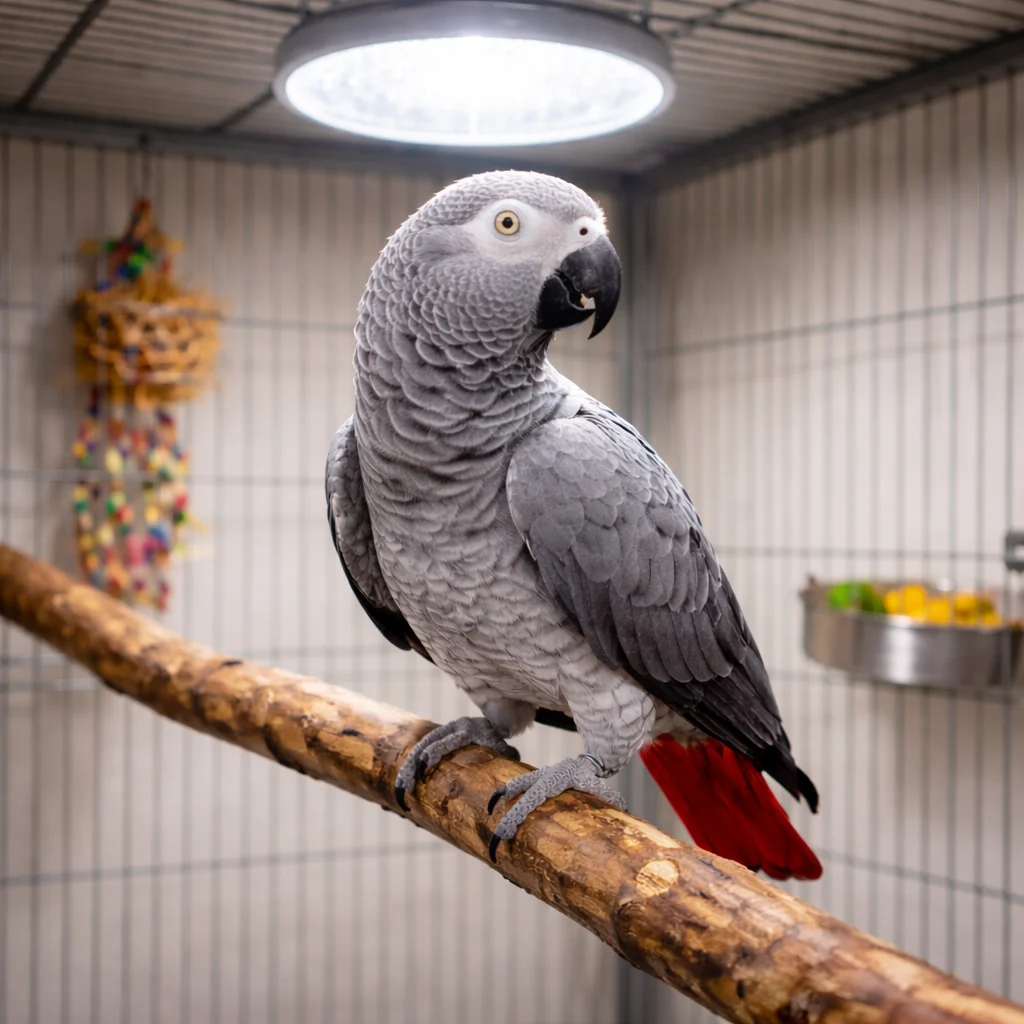
The well-being of companion birds, particularly those residing indoors, faces a significant challenge during winter months due to diminished natural light exposure, often leading to a critical deficiency in vitamin D3 and subsequent calcium malabsorption. This physiological imbalance can manifest in subtle yet serious ways, impacting a bird’s strength, behavior, and overall health. Owners must understand the profound link between appropriate lighting, vitamin D3 synthesis, and calcium utilization to prevent a silent decline in their pet’s health.
The Silent Onset: How Winter Light Loss Changes Avian Physiology
For many indoor birds, the transition into winter marks a period of reduced exposure to direct, unfiltered sunlight. This seemingly innocuous change initiates a cascade of physiological events that can compromise their health. Unlike humans, birds primarily synthesize vitamin D3 in their preen oil, which is then spread onto their feathers. Upon exposure to ultraviolet B (UVB) radiation from the sun, this precursor is converted into active vitamin D3, which is then ingested during preening. This active vitamin D3 is indispensable for the absorption of dietary calcium in the gut, playing a crucial role in bone mineralization, nerve transmission, muscle function, and immune system health.
When indoor birds are deprived of sufficient UVB light – either from natural sunlight filtering through windows (which block UVB) or from specialized full-spectrum avian lighting – their ability to produce vitamin D3 plummets. Consequently, even a diet rich in calcium becomes ineffective, as the bird cannot absorb or utilize the mineral. This depletion process is often insidious, as birds possess a remarkable compensatory mechanism: they will draw calcium directly from their own bones to maintain critical functions like heartbeat and muscle contractions. This internal "borrowing" can continue silently for weeks or even months, masking the underlying deficiency until bone strength becomes dangerously compromised, and overt symptoms finally emerge. This timeline underscores the urgency of proactive intervention rather than reactive treatment.
Diagnostic Markers: Identifying Early Signs of Calcium Deficiency
Recognizing the early indicators of calcium and vitamin D3 deficiency is paramount for timely intervention. Bird owners should be vigilant for changes in their pet’s physical condition and behavior, particularly if the bird has spent an extended period indoors without proper UVB exposure.
Neuromuscular Indicators:
One of the earliest and most telling signs is a decline in neuromuscular strength. Birds may exhibit:
- Weaker Perch Grip: Difficulty holding onto perches, leading to sliding or less firm footing. This is often an initial sign of compromised muscle function.
- Reduced Coordination: Clumsiness, occasional falling, or an unsteady gait.
- Shorter Flights: A noticeable decrease in flight duration or agility, indicating muscle weakness and fatigue.
- Tremors or Seizure-like Episodes: In advanced stages, involuntary muscle contractions or full-blown seizures can occur, signifying severe neurological impairment due to critically low calcium levels.
Behavioral Changes:
Calcium and magnesium imbalances can significantly impact a bird’s nervous system, leading to altered behavior:
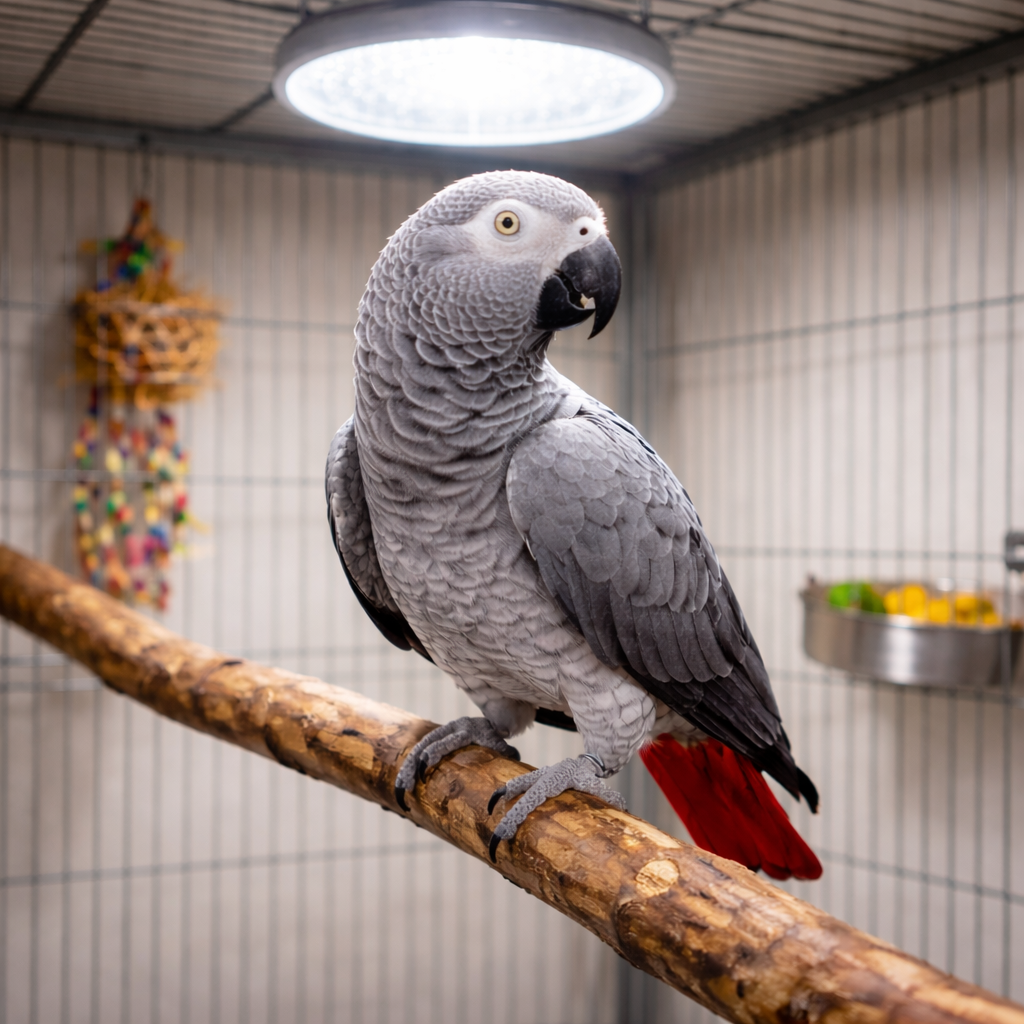
- Increased Irritability or Reactivity: A normally placid bird may become more prone to aggression, biting, or vocalizing excessively.
- Excessive Shredding or Destructive Behavior: While some shredding is normal, an unusual increase can be a sign of underlying stress or mineral imbalance.
- Lethargy and Reduced Activity: A general decrease in playfulness, interaction, or overall energy levels.
- Shorter Temper: Exhibiting frustration or agitation more easily than usual.
Physical and Feather Quality:
The health of a bird’s feathers and overall physical appearance can also signal a deficiency:
- Dull Feathers: A loss of vibrancy and sheen, with feathers appearing drab or faded.
- Stress Bars: Horizontal lines or indentations across the feather shaft, indicating periods of nutritional or physiological stress during feather growth.
- Slow or Abnormal Molt: A prolonged or incomplete molting process, or the growth of poor-quality new feathers.
- Poor Posture: A slouched or less alert stance compared to a healthy, upright posture.
These indicators, particularly when observed in conjunction with prolonged indoor living without adequate UVB, should prompt immediate attention. A single symptom might not be definitive, but a cluster of these signs warrants a comprehensive review of the bird’s environment and a consultation with an avian veterinarian.
Dietary Nuances: Beyond the Pellet Paradox
A common misconception among bird owners is that feeding a high-quality pellet diet, supplemented with fresh vegetables, is sufficient to meet all nutritional needs. While commercial pellets are formulated to be nutritionally complete, their efficacy in delivering essential minerals like calcium is entirely dependent on the bird’s ability to absorb them. This is where the "pellet paradox" emerges: if vitamin D3 is deficient, the calcium in even the best diet simply passes through the digestive system unabsorbed, offering no benefit to the bird’s skeletal or physiological systems.
Calcium is not merely a building block for bones; it is a critical electrolyte involved in a myriad of bodily functions, including nerve impulse transmission, muscle contraction (including the heart), blood clotting, and enzyme activation. Without sufficient active vitamin D3, the gastrointestinal tract cannot efficiently absorb dietary calcium, regardless of the quantity consumed. Therefore, simply offering more calcium-rich foods, cuttlebone, or mineral blocks will not resolve a deficiency rooted in vitamin D3 malproduction. The bird requires usable calcium, which necessitates the presence of active vitamin D3.
Furthermore, the interplay of other minerals, particularly magnesium, is vital. Magnesium works synergistically with calcium and vitamin D3, influencing nerve and muscle function, and aiding in calcium metabolism. An imbalance in one can affect the others, exacerbating symptoms. Therefore, a holistic approach considering the entire spectrum of micronutrients and their absorption pathways is crucial.
Proactive Measures: The 3-Step Winter Bone Reset
Addressing and preventing calcium deficiency in indoor birds requires a multi-pronged strategy focused on correcting the underlying cause: insufficient vitamin D3. The following three steps form a comprehensive "Winter Bone Reset" plan:
Step 1: Optimize UVB Lighting
The cornerstone of preventing vitamin D3 and calcium deficiency is providing adequate UVB lighting.

- Full-Spectrum Avian UVB Lamps: Invest in high-quality, full-spectrum UVB lamps specifically designed for birds. These lamps emit a specific wavelength of UVB (290-315 nm) that mimics natural sunlight and is crucial for vitamin D3 synthesis.
- Proper Placement and Distance: Position the UVB lamp within the manufacturer’s recommended distance from the bird’s favorite perching spots (typically 6-18 inches), ensuring no glass or plastic filters the light. Glass and most plastics block UVB rays.
- Regular Replacement: UVB bulbs degrade over time, losing their UVB output long before they stop emitting visible light. Replace bulbs every 6-12 months, as per manufacturer guidelines, to ensure effective UVB delivery.
- Daily Exposure: Provide 10-12 hours of UVB exposure daily, mirroring natural daylight cycles.
Step 2: Dietary Enhancement with Usable Calcium
While light is the primary fix, dietary adjustments can support recovery and maintenance.
- Calcium-Rich Foods: Incorporate calcium-rich vegetables such as dark leafy greens (kale, collard greens, spinach in moderation due to oxalates), broccoli, and fortified bird foods.
- Cautious Supplementation (Vet-Guided): If a deficiency is suspected or confirmed, an avian veterinarian may recommend a vitamin D3 supplement (liquid or powdered). These should be used with extreme caution and under veterinary guidance, as excessive vitamin D3 can lead to toxicity (hypervitaminosis D), causing calcification of soft tissues and organ damage. The goal is to provide usable calcium, not just more calcium.
- Balanced Mineral Support: Ensure the diet also provides adequate magnesium and other trace minerals that support calcium metabolism.
Step 3: Monitor and Adjust
Ongoing observation is vital to assess the effectiveness of interventions.
- Behavioral Monitoring: Continuously observe for improvements in energy levels, reduced irritability, and normal activity.
- Physical Assessment: Watch for stronger perch grip, improved coordination, and better feather quality.
- Regular Veterinary Check-ups: Schedule follow-up appointments with an avian veterinarian to monitor progress, especially if symptoms were severe. Blood tests can confirm D3 and calcium levels.
When to Seek Veterinary Intervention: Recognizing Red Flags
While proactive measures are essential, there are specific "red flag" symptoms that necessitate immediate veterinary attention. These signs indicate that the bird’s compensatory mechanisms have failed, and critical depletion may be underway.
Specific Red Flags to Watch For:
- Falling or Inability to Perch: Persistent inability to maintain balance, falling off perches, or collapsing.
- Tremors or Shaking: Involuntary muscle contractions, ranging from subtle tremors to full-body shaking.
- Seizures or Convulsions: Uncontrolled muscle spasms, loss of consciousness, or seizure-like episodes are medical emergencies.
- Paralysis: Partial or complete loss of movement in limbs.
- Severe Lethargy and Weakness: A bird that is unresponsive, extremely weak, or unable to move.
- Egg Binding in Females: Female birds struggling to pass an egg, often a sign of insufficient calcium for muscle contractions in the reproductive tract.
Expert Note: As Diane Burroughs, LCSW and avian wellness educator, highlights, birds will prioritize vital functions by drawing calcium from their own bones. This silent compensation can lead to dangerously depleted bone strength before any overt symptoms like falling or tremors become apparent. By the time these severe signs manifest, the bird’s condition is likely critical, requiring immediate medical intervention. An avian veterinarian will typically perform a thorough physical examination, blood tests to evaluate calcium and vitamin D3 levels, and potentially radiographs (X-rays) to assess bone density and identify any fractures or abnormalities. Emergency treatment might involve injectable calcium to stabilize the bird’s condition.
Broader Implications and Long-Term Wellness
The implications of chronic, light-induced calcium deficiency extend far beyond temporary weakness. Long-term depletion can lead to severe and irreversible health problems, including:
- Metabolic Bone Disease (MBD): A debilitating condition characterized by soft, brittle bones, spontaneous fractures, and skeletal deformities.
- Reproductive Issues: Especially in female birds, inadequate calcium is a primary cause of egg binding, leading to potentially fatal complications.
- Neurological Damage: Chronic low calcium can permanently impair nerve function and brain health.
- Compromised Immune System: Calcium plays a role in immune response, making deficient birds more susceptible to infections.
The importance of year-round comprehensive avian care cannot be overstated. While winter presents unique challenges, the principles of providing appropriate lighting, a balanced diet, and regular veterinary check-ups are fundamental to a bird’s long-term health and vitality. Owners must actively educate themselves on the specific needs of their avian companions, understanding that a seemingly small environmental factor like light can have profound and lasting impacts on their pet’s well-being. This proactive approach ensures that companion birds not only survive but thrive, maintaining their strength, vibrancy, and characteristic charm throughout all seasons.

