


Published On: February 4, 2026
Last updated on: February 4, 2026
The soft cooing, insistent wing flapping, and sudden shifts in temperament observed in many pet parrots are frequently misconstrued by owners. Often, these behaviors are not merely "acting out" but rather manifestations of normal biological processes: hormonal activity. Understanding the nuances of these displays is crucial for pet bird owners, as misinterpretation can lead to chronic behavioral issues and significant health risks for the avian companion.
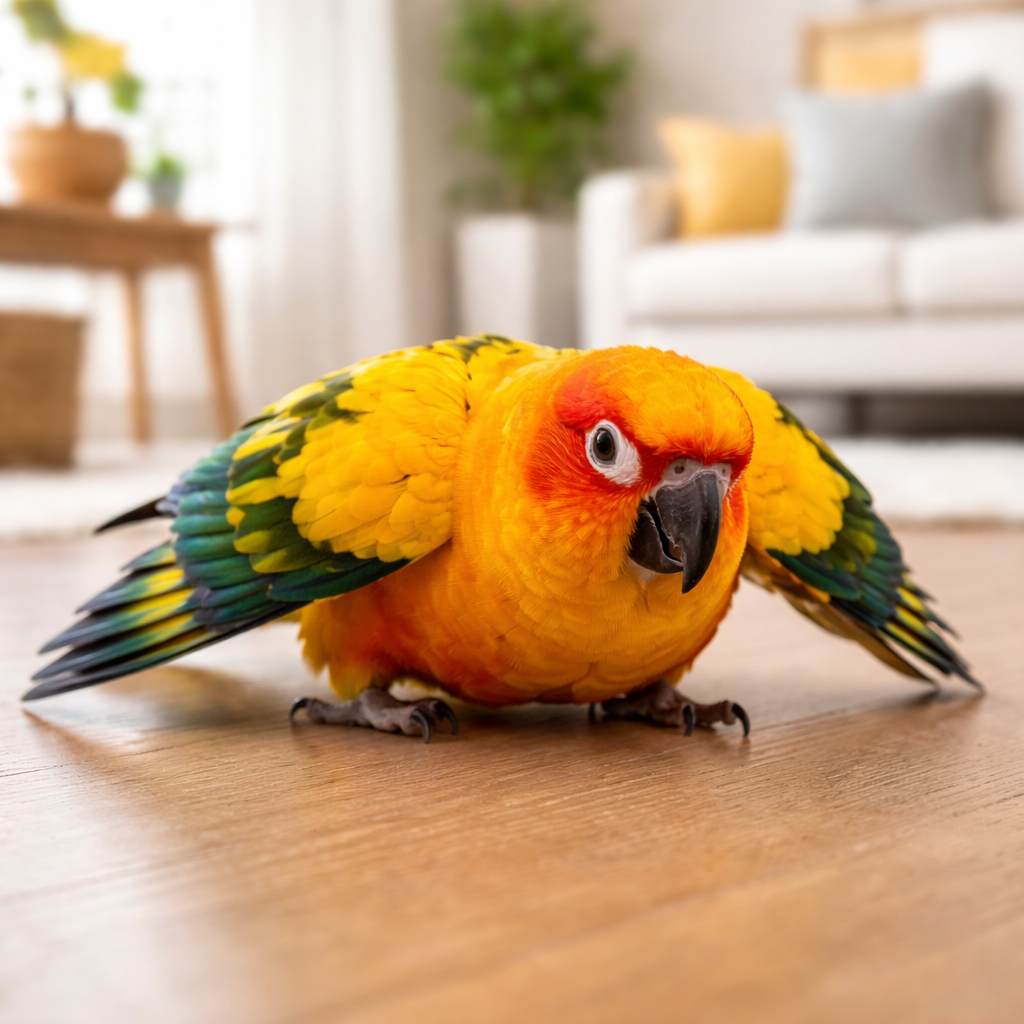
For an adult Sun Conure, an eight-year-old bird, these behaviors are not a temporary phase but a classic expression of "big feelings" driven by its biological rhythms. While initially concerning to owners, the good news is that these behaviors are manageable. The primary goal is not to suppress the bird’s natural instincts but to redirect its energy constructively, preventing fixation, frustration, and long-term welfare problems.
Understanding Avian Hormonal Cycles: A Biological Imperative
Bird hormones are a fundamental part of their life cycle, governing reproduction, social interaction, and seasonal changes. Unlike mammals, many parrot species exhibit hormonal fluctuations throughout much of the year, particularly smaller species. Species lower on the food chain, such as cockatiels, budgies, and conures, mature rapidly and are predisposed to more frequent breeding cycles, meaning their bodies remain closer to a breeding state for extended periods compared to larger, longer-lived parrots like macaws or cockatoos, which may not reach sexual maturity until seven or eight years of age. This biological reality means owners of smaller parrots may perceive their birds as being "hormonal" for a significant portion of the year, a perception rooted in biological fact rather than imagination.
Distinguishing Normal Displays from Concerning Patterns
Occasional displays of hormonal behavior are an expected part of an adult parrot’s life. These might manifest seasonally, triggered by changes in light cycles, temperature, or the availability of perceived nesting sites or mates. Normal hormonal behavior is typically transient, resolving as environmental conditions shift or the breeding season passes. It might involve increased vocalizations, mild territoriality, or specific courtship rituals like regurgitation (a sign of affection/feeding in the wild).
However, hormonal behavior becomes a significant concern when it becomes chronic, intense, or leads to distress for the bird or disruption within the household. A bird that remains "switched on" hormonally all the time faces substantial physical and psychological tolls. Female birds can suffer from chronic egg-laying, leading to calcium depletion, egg binding, cloacal prolapse, and even death. Males can experience persistent sexual frustration, manifesting as aggression, excessive masturbation, or compulsive behaviors. In both sexes, this sustained state of reproductive readiness prevents the bird’s body and nervous system from fully settling, often resulting in chronic irritability, obsessive fixations, feather plucking, self-mutilation, and a decline in overall well-being and immune function.
According to the 2026 clinical findings of prominent avian veterinarians Dr. Rob Marshall and Tailai O’Brien, reproductive hyperactivity is a primary underlying cause of numerous health complaints in pet birds. Their research highlights that many behavioral issues previously attributed solely to temperament are, in fact, physiological responses to chronic hormonal imbalance. This underscores the importance of a holistic approach that considers both environmental and medical factors.
Management and Intervention Strategies: Redirecting Natural Instincts
Addressing hormonal behavior effectively requires a multi-faceted approach focused on environmental modification, behavioral redirection, and consistent positive reinforcement. The aim is to create an environment that discourages chronic breeding stimuli while encouraging natural, non-reproductive behaviors.
-
Actively Reward Independent Behavior: Birds thrive on attention and will repeat behaviors that garner it. When a bird exhibits hormonal displays – such as excessive cooing, wing flapping, or regurgitation towards an owner – direct engagement inadvertently reinforces these actions. Instead, owners should actively reward calm, independent play. When the bird is quietly engaged with a toy, foraging, or preening itself peacefully, offer praise and a preferred treat immediately. This teaches the bird that calm, self-sufficient behaviors lead to positive outcomes, helping their nervous system learn a new default state.
-
Provide Natural Parrot "Jobs": In the wild, parrots spend most of their day foraging, flying, and interacting with their flock. Pet birds, especially those confined to cages, often lack these natural outlets for their energy and intelligence. Providing engaging activities that mimic natural behaviors can significantly reduce hormonal frustration. This includes:
- Foraging Opportunities: Hide treats in toys, paper, or foraging boxes to encourage natural problem-solving and activity.
- Destructible Toys: Offer a variety of safe, destructible toys made from wood, cardboard, or natural fibers. Chewing is a natural parrot behavior that helps expend energy and provides mental stimulation.
- Puzzle Toys: Toys that require manipulation to access a reward can keep a bird mentally occupied for extended periods.
- Climbing and Exercise: Ensure the cage is large enough for climbing and stretching, and provide supervised out-of-cage time for flight and exploration in a safe environment.
It is critical to start these activities where the bird can succeed. If a bird becomes overstimulated outside the cage, begin introducing these enrichment items and activities inside the cage first. Once the bird demonstrates calmer engagement in this familiar space, gradually introduce them to play stands or training perches in other areas.
Common Mistakes to Avoid:
Several common owner actions can inadvertently exacerbate hormonal behavior:
- Petting Below the Neck: Petting a bird on its back or under its wings can be interpreted as a sexual overture, stimulating hormonal responses. Affection should be limited to the head and neck area.
- Providing Nesting Opportunities: Dark, secluded spaces (like bird huts, happy huts, cardboard boxes, or even loose bedding) can trigger nesting instincts. These items should be removed, especially during periods of increased hormonal activity.
- High-Fat/High-Sugar Diets: A diet rich in fatty seeds or sugary fruits can signal an abundance of resources, encouraging breeding readiness. A balanced diet primarily consisting of high-quality pellets, fresh vegetables, and limited fruits and seeds is crucial.
- Irregular Sleep Schedules: Birds require 10-12 hours of uninterrupted dark sleep. Inconsistent light cycles can disrupt their circadian rhythm and trigger hormonal activity, as daylight length is a key environmental cue for breeding season.
Furthermore, owners should avoid assuming that a bird’s "mood" is the sole driver of its behavior. Birds do not respond to intention; they respond to outcomes. If a particular behavior, even an undesirable one, consistently leads to attention, closeness, or emotional engagement from the owner, the bird’s brain will label it as successful and worth repeating, regardless of the owner’s underlying intent.
The Deeper Implications of Unmanaged Hormonal Energy:
Hormonal energy in parrots does not simply dissipate on its own. If a bird does not learn appropriate outlets for this powerful biological drive, it will manifest in increasingly louder, more persistent, and often destructive ways. Over time, birds can become trapped in a relentless cycle of heightened arousal, easy frustration, and an inability to settle. This state is profoundly exhausting and detrimental to their overall welfare.
This is where positive reinforcement becomes an incredibly potent tool. Owners are not merely "training tricks"; they are guiding their bird towards behaviors that promote physiological and psychological calm. Each instance of rewarding chewing, foraging, quiet independent play, or relaxed preening helps the bird’s nervous system establish healthier default responses to its internal hormonal signals.
Using Treats Effectively:
Treats are powerful motivators, but their application needs precision. They should immediately follow the desired calm behavior. Owners should cultivate the habit of always having a supply of preferred treats readily available in a pocket or treat bag. This enables immediate reinforcement as soon as a natural, desirable parrot behavior occurs – for example, when the bird is quietly shredding a toy, munching on a vegetable, or resting peacefully. This immediacy ensures a clear association between the calm behavior and the reward, reinforcing learning effectively.
When to Consult a Veterinarian: The Risk Threshold
While many hormonal behaviors can be managed through environmental and behavioral adjustments, some situations necessitate professional veterinary intervention. As highlighted by Dr. Rob Marshall and Tailai O’Brien, "acting out" in a bird is rarely just a mood; it is often a critical data point regarding their health.
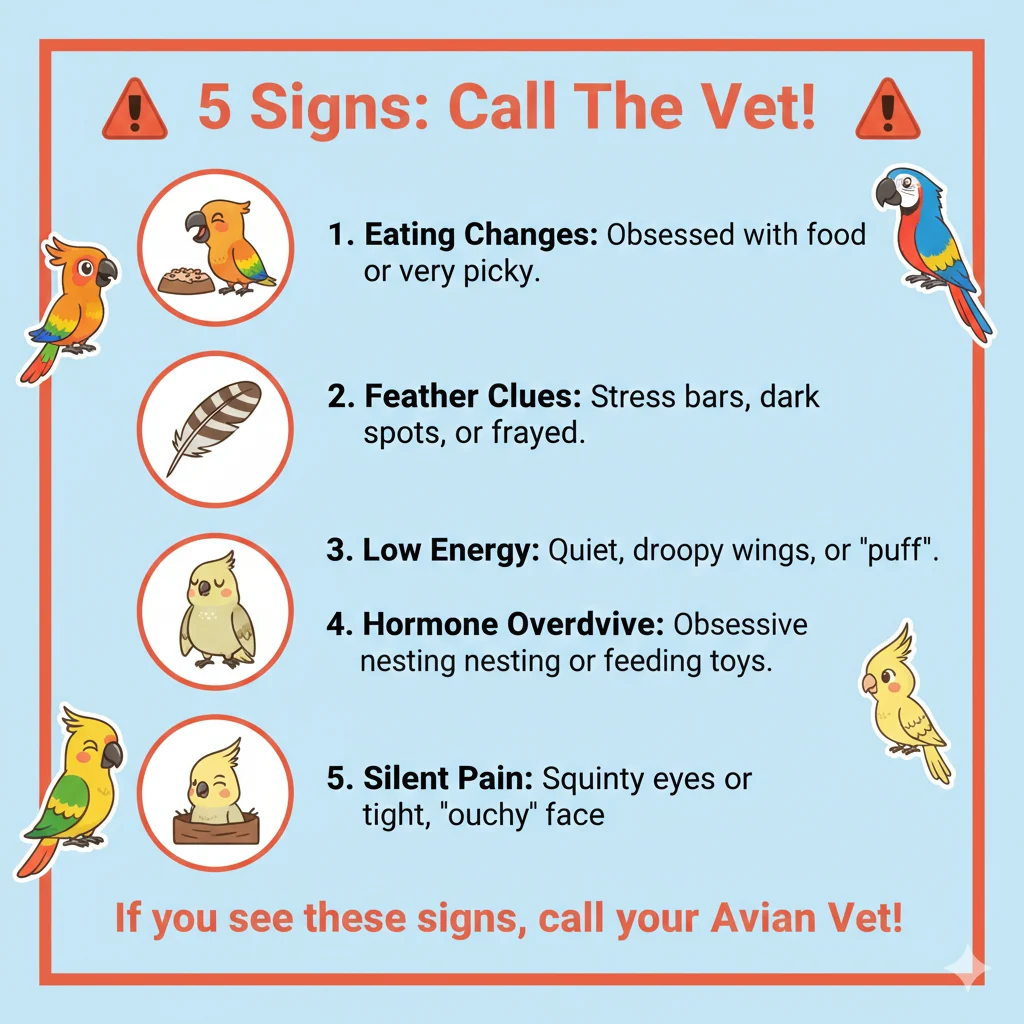
Use this 5-point protocol to determine if your bird’s behavior has crossed the Risk Threshold from "normal parrot antics" to a medical priority, warranting immediate consultation with an avian veterinarian:
- Chronic Egg-Laying (Females): If a female bird lays more than 4-6 eggs per clutch, or multiple clutches in quick succession (e.g., more than two clutches per year), this indicates chronic reproductive hyperactivity and poses severe risks for egg binding, cloacal prolapse, and nutrient depletion.
- Significant Behavioral Changes: A sudden, drastic increase in aggression (biting, lunging), extreme territoriality, persistent feather plucking, or self-mutilation that is unresponsive to environmental changes suggests deep-seated stress or a medical issue.
- Physical Symptoms: Any visible physical changes such as straining, prolapse of the cloaca, lethargy, fluffed feathers, changes in droppings, loss of appetite, or difficulty breathing, particularly during a hormonal period, are medical emergencies.
- Weight Loss or Gain: Unexplained or rapid fluctuations in weight can indicate underlying metabolic issues exacerbated by hormonal stress or reproductive demands.
- Failure to Respond to Management: If consistent application of environmental modifications and behavioral redirection techniques over several weeks yields no improvement, or the behavior intensifies, it suggests the hormonal drive is too strong to be managed behaviorally alone and may require medical intervention (e.g., hormone-suppressing implants or medication).
Broader Impact and Owner Responsibility:
The implications of managing hormonal behavior extend beyond the immediate well-being of the bird. Unmanaged hormonal aggression can strain the bond between a bird and its owner, making interaction difficult and potentially leading to rehoming. Chronic health issues resulting from reproductive hyperactivity can incur significant veterinary costs and reduce a bird’s quality of life and longevity.
Owners have a critical responsibility to understand and proactively manage their bird’s hormonal cycles. This involves continuous education, vigilance, and a willingness to adapt the bird’s environment and their own interactions. By fostering an environment that encourages natural, non-reproductive behaviors and consistently rewarding calm independence, owners can help their birds navigate their biological imperatives in a healthy, stress-reduced manner.
The Bottom Line:
A bird exhibiting what appears to be "weird" behavior is often simply a bird whose body is experiencing a natural, yet powerful, state of stress that it cannot control. Chronic hormonal behavior rarely resolves on its own; in fact, it typically escalates and frequently leads to deeper health issues. By consistently rewarding calm, independent behavior, providing appropriate environmental enrichment, and diligently removing the triggers that "feed" the hormonal display, owners can significantly help their bird settle into a lifestyle that is not only healthier for their body but also much more livable and enjoyable for both bird and human companion. This proactive and informed approach ensures a harmonious and healthy life for these complex and intelligent creatures.
References:
- Burroughs, D. (2026, February 4). Is my bird being hormonal or just acting weird? BirdSupplies.com. https://birdsupplies.com/is-my-bird-being-hormonal-or-just-acting-weird/
- Marshall, R., & O’Brien, T. (2026). Male hyper-sexual behavior and female ovarian hyperactivity [Video]. YouTube. https://www.youtube.com/watch?v=14xD_OUrZNA

