


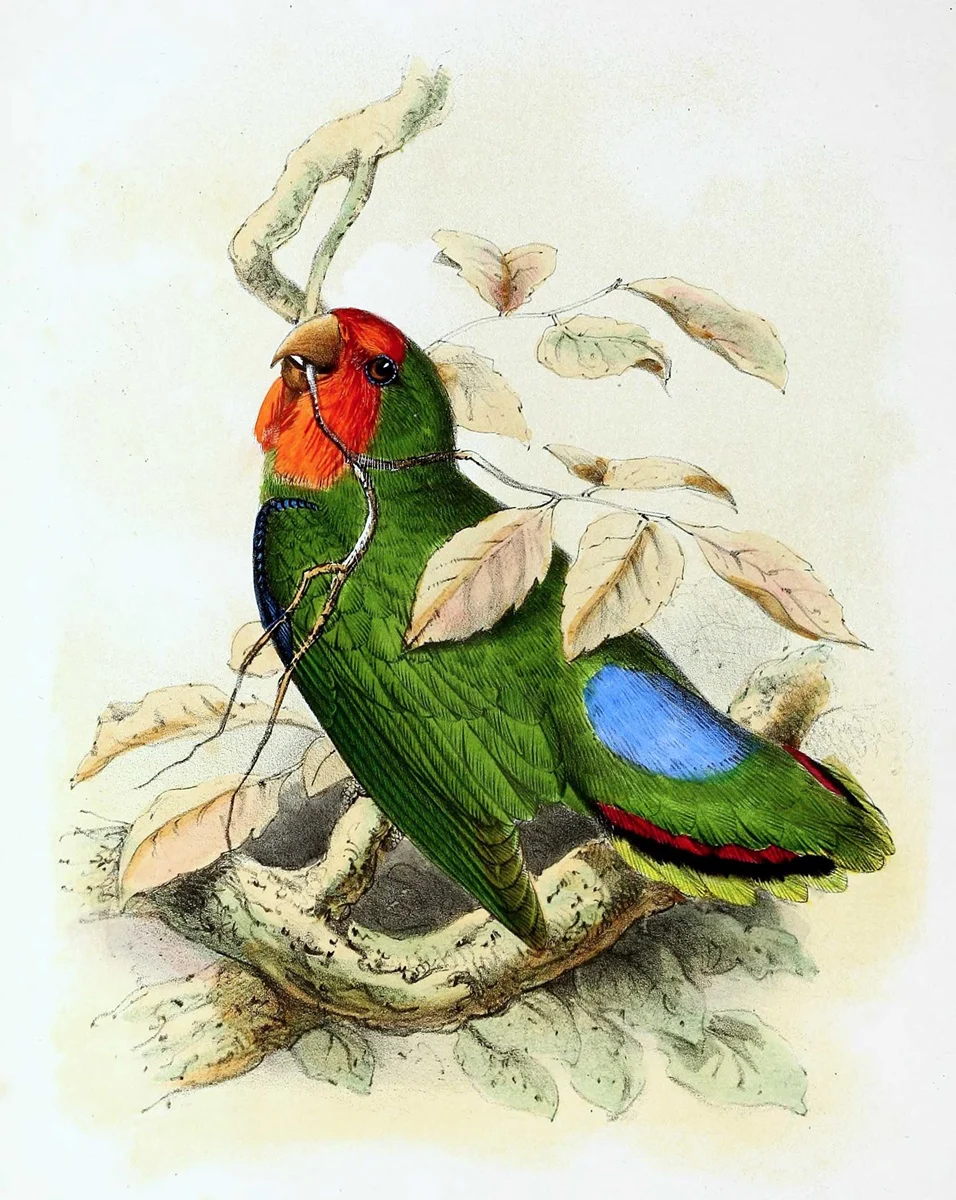
The red-headed lovebird, also recognized by the common name red-faced lovebird, is a diminutive yet striking avian species endemic to a specific ecological niche across West and Central Africa. Measuring up to 15cm (6 inches) in length and weighing approximately 45 grams, this parrot boasts a relatively long lifespan of around 20 years. Despite its vibrant appearance, its delicate temperament and specialized needs set it apart from its more commonly domesticated relatives within the Agapornis genus. Its calls, while shrill, are considered low in volume for a parrot, a characteristic that belies its inherent nervousness.
This comprehensive overview delves into the multifaceted aspects of Agapornis pullarius, exploring its natural history, ecological role, conservation status, and the significant challenges associated with its presence in aviculture. The species’ unique biology and behavioral traits offer a fascinating case study in avian adaptation and the complexities of human-wildlife interaction.
Taxonomic Classification and Distinctive Features
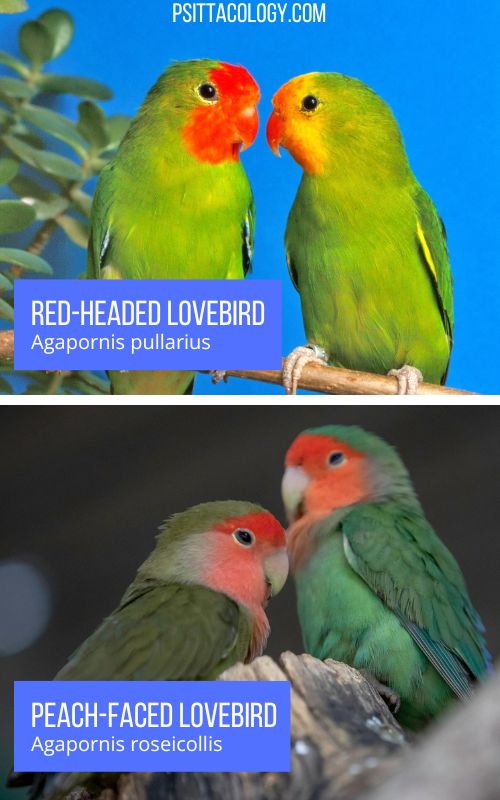
Agapornis pullarius belongs to the genus Agapornis, which translates from Greek as "love bird" (from agape ‘love’ and ornis ‘bird’), a fitting moniker for these highly social and monogamous parrots. The genus comprises nine species, all native to Africa, and are renowned for their affectionate pair bonds. The red-headed lovebird distinguishes itself with a vivid emerald green body contrasting sharply with its brilliant scarlet head and beak, a splash of blue on its lower back, and a narrow red band on its tail. This striking coloration serves as a key identifier, particularly when differentiating it from the popular peach-faced lovebird (Agapornis roseicollis), which shares a similar body shape but possesses a beige beak rather than the characteristic red of A. pullarius.
Sexual dimorphism is evident in the red-headed lovebird, though subtle. The male typically displays a more intensely colored, scarlet face and beak, while the female’s facial plumage leans towards a slightly duller orange hue, with her beak exhibiting a less vibrant red. This distinction, while not always immediately apparent to the untrained eye, is a crucial indicator for breeders and researchers.
Two subspecies of Agapornis pullarius are generally recognized, primarily differing in minor geographical variations in plumage intensity and size, though specific details often require specialized ornithological knowledge for definitive identification. These subspecies reflect localized adaptations within their expansive, albeit patchy, distribution across the African continent.
Natural Habitat and Geographical Distribution
The natural range of the red-headed lovebird spans a broad, discontinuous band from western sub-Saharan Africa eastward through Central Africa. Its presence has been documented from Guinea in the west to Ethiopia in the east, indicating a significant geographical spread across diverse biomes. This species exhibits a preference for tropical lowland savannahs, a habitat characterized by open grasslands interspersed with scattered trees. Unlike species that thrive in dense primary forests, A. pullarius favors more open woodland environments, suggesting an adaptation to landscapes with both cover and clear foraging areas.
Within its natural environment, the red-headed lovebird is largely sedentary, meaning it does not undertake extensive nomadic migrations, although localized movements in response to food availability are not uncommon. It typically inhabits altitudes up to 2,000 meters (approximately 6,550 feet), though it is more frequently observed at lower elevations. These birds are generally observed in pairs or small flocks, occasionally gathering in groups of a few dozen, reflecting their social inclinations within the wild. Their reliance on specific savannah ecosystems makes them sensitive to habitat fragmentation and degradation, which are increasingly prevalent issues across their range.

Dietary Habits and Ecological Role
Like many psittacine species, the red-headed lovebird’s diet primarily consists of seeds, with a particular fondness for grass seeds. This dietary preference extends to agricultural crops such as millet, which has unfortunately positioned the species as a potential pest in farming communities within its native range. The consumption of these crops often leads to conflict with local farmers, who may resort to measures to protect their harvests.
Beyond seeds, Agapornis pullarius supplements its diet with wild fruits, including figs and guava, when available. This varied diet underscores its opportunistic foraging strategy and its reliance on the biodiversity of its habitat. In its ecological niche, the red-headed lovebird plays a role in seed dispersal, inadvertently contributing to the regeneration and spread of various plant species within the savannah ecosystem. However, the exact extent of its impact on specific plant populations is an area that warrants further scientific investigation.
Conservation Status and Threats
The International Union for Conservation of Nature (IUCN) Red List currently classifies Agapornis pullarius as a species of "Least Concern." While this designation might suggest a stable population, the IUCN’s assessment is accompanied by crucial caveats. The species is noted as being "locally uncommon" across much of its natural range, implying that while its overall distribution is wide, its presence can be sparse and fragmented within these areas.
More concerning is the documented decline in population size, attributed to a confluence of anthropogenic pressures. Habitat destruction stands out as a primary threat, driven by deforestation for agriculture, logging, and human settlement expansion. As tropical savannahs are converted for human use, the specific ecological requirements of the red-headed lovebird are diminished, leading to a loss of suitable foraging and nesting grounds.
Another significant threat stems from the direct persecution by farmers, who view the lovebirds as agricultural pests due to their consumption of millet and other crops. This human-wildlife conflict results in the killing of birds, further exacerbating population declines.
Perhaps one of the most historically impactful pressures has been the capture of these birds for the international pet trade. A sobering 2018 study highlighted that nearly 40,000 red-headed lovebirds were exported from their native habitats since 1975. This substantial figure, particularly for a species described as locally uncommon, suggests a significant drain on wild populations over several decades. The demand for exotic pets, even for species notoriously difficult to keep, has historically fueled unsustainable harvesting practices.
Ornithologists Parr & Juniper, in their authoritative 2010 work "Parrots: a guide to parrots of the world," explicitly noted this trend: “Abundance also varies owing to nomadic habits, but a genuine overall decline appears to have occurred in many areas this century. Trapped for live bird trade with large numbers in captivity outside range.” This statement underscores the long-standing recognition of population pressures on Agapornis pullarius due to human activities.
The implications of these threats are profound. While the "Least Concern" status might imply resilience, the consistent decline, habitat loss, and historical trade pressures paint a picture of a species under sustained stress. Effective conservation strategies would require a multi-pronged approach, including habitat protection, mitigation of human-wildlife conflict, and stringent enforcement of regulations against illegal wildlife trade. The species is listed under CITES Appendix II, which means international trade is permitted but regulated to prevent overexploitation, yet historical figures suggest these regulations were not always sufficient or effectively enforced.

The Red-headed Lovebird in Aviculture: A Challenging Enigma
Unlike its cousins, such as the peach-faced lovebird (Agapornis roseicollis) or Fischer’s lovebird (Agapornis fischeri), which are ubiquitous in the pet trade and aviculture, Agapornis pullarius remains a rarity. It is predominantly found in the aviaries of highly dedicated and experienced parrot enthusiasts, often those with a deep commitment to specialized species.
The primary reason for its limited presence in aviculture is its exceedingly nervous and stress-prone nature. These birds are remarkably sensitive to environmental disturbances. Wild-caught individuals, in particular, are known to succumb to stress-induced shock, sometimes perishing from sudden loud noises or the mere presence of boisterous aviary neighbors. Their pickiness regarding diet and environment further complicates their care, making them unsuitable for the average pet owner. The emphasis among responsible aviculturists is therefore on acquiring captive-bred birds, which may exhibit a slightly greater tolerance for human presence, though they rarely become "tame" pets in the conventional sense. The adage "look, but don’t touch" is particularly pertinent to Agapornis pullarius.
Specialized Care Requirements in Captivity
For the rare aviculturist who successfully acquires captive-bred red-headed lovebirds, providing an optimal environment is paramount to their survival and well-being.
Housing: These parrots thrive best in heated aviaries, ideally housed alone or in established pairs to minimize stress from other species. The environment must be calm and quiet, with minimal sudden movements or noises. For indoor keeping, a spacious cage is essential, with a minimum width of 80cm (30 inches) and a bar spacing of approximately 1.25cm (0.5 inches) to prevent escape or injury. The cage should be furnished with a variety of natural wood perches of varying diameters to promote foot health and provide enrichment. A stable temperature and humidity are crucial, mimicking their tropical savannah origins.
Captive Diet: While wild Agapornis pullarius are primarily seed-eaters, modern avicultural practices advocate for a more nutritious and balanced diet. High-quality pelleted diets are widely recommended by avian veterinarians as they provide a complete nutritional profile, mitigating the selective feeding common with seed mixes. These pellets should form the cornerstone of their daily intake.
Supplementing the pelleted diet, a high-quality seed mix can be offered, alongside a generous array of fresh vegetables, especially leafy greens, and a moderate amount of fresh fruits. Cooked grains (like quinoa or brown rice) and select foraged weeds (ensuring they are non-toxic and pesticide-free) can further diversify their diet. During breeding periods or for overall vitality, additional protein sources such as boiled egg or mealworms are beneficial. Sprouted seeds are also an excellent way to provide fresh, digestible nutrients.
Enrichment: Despite their nervous disposition, red-headed lovebirds are intelligent and require mental stimulation to prevent boredom and stress-related behaviors. Enrichment items, however, must be introduced gradually to avoid startling the birds. Essential enrichment includes:
- Foraging toys: Encouraging natural foraging behaviors.
- Natural branches: For chewing, climbing, and perching.
- Shreddable materials: Such as paper, untreated wood, or natural fibers.
- Safe chew toys: To satisfy their innate need to chew.
- Shallow water dishes: For bathing, which is crucial for feather maintenance.
The goal of enrichment for this species is to provide stimulating yet predictable activities that do not induce anxiety.
Noise Level: Compared to many other parrot species, Agapornis pullarius is considered relatively quiet. However, like all psittacines, they can produce shrill calls when alarmed, excited, or communicating. Responsible owners should be aware of this potential, even if their overall noise output is lower than larger parrot species. Recordings of their calls are available on platforms like Xeno-Canto, allowing prospective owners to familiarize themselves with their vocalizations.
Reproduction: A Delicate Balance
In their natural habitat, red-headed lovebirds time their breeding with the rainy season, when food resources are most abundant. A fascinating aspect of their reproductive biology is their nesting preference: they typically choose arboreal termite or ant nests. The female meticulously burrows into these termitaria, reinforcing the cavity with plant materials like grass leaves to create a secure nest chamber. Occasionally, they may also utilize ground nests or tree hollows created by woodpeckers. Once the nest is prepared, the female lays up to six eggs.
Captive breeding of Agapornis pullarius is notoriously challenging, primarily due to their extreme nervousness and their highly specific nesting requirements. Replicating the conditions of a termite nest in an aviary setting is difficult. Dedicated aviculturists, such as Dominique Veeckmans, have achieved success by innovating with nesting solutions, discovering that nest boxes constructed from cork can effectively mimic the natural substrate and environment these birds seek. Such efforts highlight the specialized knowledge and patience required to propagate this species in captivity. The successful breeding of these sensitive birds not only contributes to their preservation but also offers invaluable insights into their unique biology and behavioral ecology.
Broader Implications and Future Outlook
The red-headed lovebird serves as a poignant example of a species caught between conservation challenges and the intricacies of avicultural interest. Its "Least Concern" status on paper belies the very real and ongoing threats from habitat loss, agricultural conflict, and historical exploitation for the pet trade. The significant numbers exported decades ago underscore the impact of human demand on wild populations, even for species that are difficult to sustain in captivity.
From a conservation perspective, understanding the precise dynamics of its wild populations, including local abundances and movement patterns, is critical. Mitigating human-wildlife conflict through sustainable agricultural practices and educating local communities about the ecological value of these birds could reduce direct persecution. Furthermore, stringent enforcement of CITES regulations and efforts to curb illegal trade remain paramount.
In aviculture, the Agapornis pullarius stands as a testament to the dedication required for specialized parrot keeping. Its extreme sensitivity highlights the ethical considerations involved in keeping wild animals and emphasizes the importance of responsible, captive-bred populations. These captive populations, while small, represent a vital genetic reservoir and offer a unique opportunity for scientific study, potentially contributing to future conservation strategies in the wild.
The future of the red-headed lovebird depends on a delicate balance: robust conservation efforts in its natural range, coupled with responsible and highly specialized aviculture that prioritizes the welfare of these unique and challenging parrots. Continued research into their behavior, physiology, and ecological interactions will be essential to ensure that this vibrant, albeit stress-prone, species continues to grace the tropical savannahs of Africa and inspire dedicated enthusiasts worldwide.

