


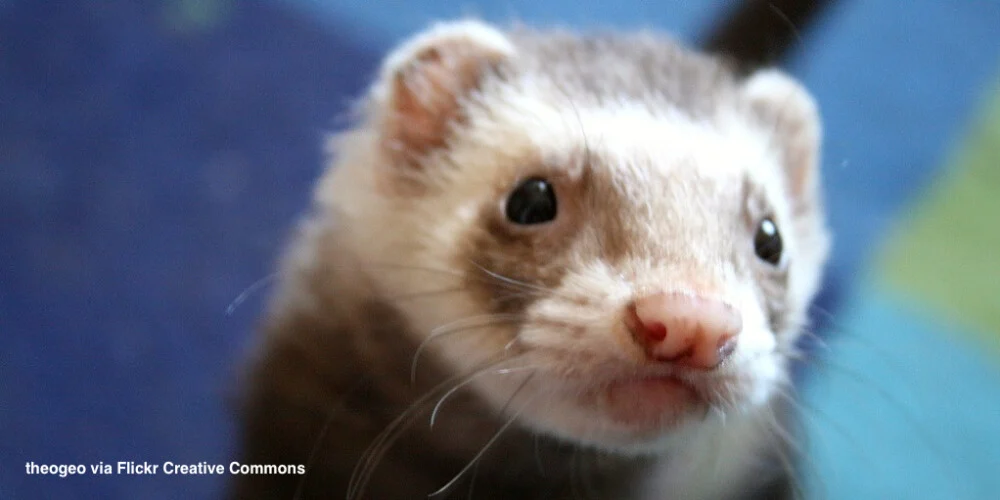
The veterinary medical community is preparing for a significant educational event as LafeberVet announces a virtual master class titled "The Geriatric Collapsing Ferret: More Than Insulinoma," scheduled to take place on Wednesday, May 20, 2026. Led by renowned exotic animal specialist Cathy Johnson-Delaney, DVM, the session aims to address a critical diagnostic gap in the treatment of aging ferrets. The webinar, which offers 2.0 RACE-approved continuing education (CE) credit hours, will provide practitioners with the tools necessary to move beyond the common reflex diagnosis of insulinoma and consider a broader spectrum of geriatric pathologies.
As ferrets (Mustela putorius furo) have become increasingly popular as domestic pets over the last four decades, the veterinary profession has seen a corresponding rise in the need for specialized geriatric care. Ferrets are generally considered geriatric once they reach four to five years of age, a stage of life where multi-systemic failures and neoplastic conditions become prevalent. This upcoming master class is designed to help clinicians navigate the complexities of the "collapsing" ferret, a common clinical presentation that often masks a variety of underlying issues.
The Challenge of Differential Diagnosis in Aging Ferrets
The central thesis of Dr. Johnson-Delaney’s presentation involves the "insulinoma trap"—a situation where clinicians, faced with a weak or collapsing ferret, rely solely on a quick blood glucose reading to confirm pancreatic islet cell tumors. While insulinoma is indeed one of the most common neoplasms in North American ferrets, the diagnostic process is frequently oversimplified.
In many clinical settings, a portable handheld glucometer—often designed for human or canine use—is utilized to measure a ferret’s blood glucose. If the reading falls below 70-90 mg/dL, a diagnosis of insulinoma is often made immediately, and the animal is prescribed prednisone. However, Dr. Johnson-Delaney points out that these devices are frequently inaccurate for mustelids and do not account for the ferret’s unique metabolic state, such as when the animal last ate or the specific composition of its diet.
When a ferret does not respond to prednisone, or if its condition worsens, the clinician is left with a diagnostic dilemma. The master class will explore why a single glucose reading is insufficient and will highlight the physiological fluctuations in ferret blood sugar that differ significantly from the canine and feline models most veterinarians are familiar with.
Chronology of the Event and Registration Details
The announcement of this master class follows a series of educational initiatives by LafeberVet to standardize exotic animal care. The timeline for the event is structured to allow global participation:
- April 5, 2026: Official announcement and opening of registration. The press release was distributed to veterinary schools, exotic animal practices, and professional organizations worldwide.
- Registration Period: Interested veterinarians and veterinary technicians can register via the LafeberVet portal, which utilizes the Zoom webinar platform.
- May 20, 2026 (2:00 PM EDT): The live master class will commence. The session is timed to accommodate practitioners across various time zones, specifically targeting the New York (UTC -04:00) afternoon slot.
- Post-Event Phase: For those unable to attend the live broadcast, a recorded version will be made available on the LafeberVet website several days after the event. A follow-up Q&A session will be handled via email and later posted as a permanent resource on the webinar page.
Clinical Focus: Beyond the Pancreas
A significant portion of the master class will be dedicated to the differential diagnoses that every clinician should consider when presented with an ataxic or collapsing ferret. These include:
- Cardiovascular Disease: Cardiomyopathy is a frequent finding in geriatric ferrets. While splenomegaly (an enlarged spleen) is common and often benign in ferrets, its presence alongside cardiomegaly on a radiograph requires careful interpretation. The session will cover how to distinguish between primary cardiac failure and secondary weakness.
- Renal Insufficiency: Chronic kidney disease can lead to metabolic imbalances that mimic the weakness seen in hypoglycemic episodes.
- Musculoskeletal and Neurological Issues: Severe dental disease can lead to systemic inflammation or an inability to eat, resulting in secondary weakness. Similarly, spinal issues or osteoarthritis can cause "hind-end weakness," which is often mistaken for systemic collapse.
- Infectious and Inflammatory Diseases: The lecture will explore how various inflammatory processes can affect the ferret’s overall stamina and appetite.
By utilizing advanced imaging and more rigorous blood chemistry analysis, Dr. Johnson-Delaney argues that clinicians can provide more targeted and effective treatments, significantly improving the quality of life for these aging patients.
Expertise and Leadership: About Dr. Cathy Johnson-Delaney
The selection of Dr. Cathy Johnson-Delaney as the presenter underscores the high academic standard of the master class. Now partially retired, Dr. Johnson-Delaney has spent over 30 years practicing avian, exotic, and laboratory animal medicine in Washington State. Her influence on the field is documented through her role as a founding member of the Washington Ferret Rescue & Shelter and her past presidencies of both the Association of Avian Veterinarians (AAV) and the Association of Exotic Mammal Veterinarians (AEMV).
Her literary contributions, most notably as the principal author and editor of "Ferret Medicine and Surgery," have served as the foundational text for many practitioners. Her recognition as the 2003 Exotic DVM of the Year and her receipt of the 2009 Oxbow Exotic Mammal Health Award further solidify her status as a leading voice in the specialized care of small mammals.
Supporting Data and Industry Context
The necessity for this master class is supported by recent trends in veterinary pathology. Data suggests that while insulinoma remains a primary concern, the over-diagnosis of the condition may lead to the neglect of concurrent diseases. In a study of geriatric ferrets, a high percentage of patients were found to have "comorbidities"—meaning they suffered from two or more significant diseases simultaneously, such as adrenal disease and cardiomyopathy.

Furthermore, the veterinary industry has seen a push toward more species-specific diagnostic tools. The master class will likely reference the evolving standards for blood glucose monitoring in exotic species, emphasizing the move away from human-calibrated glucometers in favor of laboratory-grade biochemistry analyzers which provide a more accurate picture of a ferret’s metabolic health.
Official Responses and Educational Impact
LafeberVet has expressed that this master class is part of their ongoing commitment to providing high-quality, accessible continuing education for the global veterinary community. By offering RACE-approved credits, the program ensures that participants can meet their professional licensing requirements while gaining specialized knowledge that is often underrepresented in standard veterinary curricula.
The "Save the Date" announcement has already garnered attention from veterinary technicians and general practitioners who are seeing an influx of exotic pets in their clinics. Many practitioners have noted that while they feel comfortable with dogs and cats, the specific nuances of ferret physiology—particularly the geriatric "crash"—can be daunting without expert guidance.
Broader Implications for Veterinary Medicine
The implications of this master class extend beyond the specific treatment of ferrets. It represents a broader shift in veterinary medicine toward evidence-based diagnostics for exotic species. As pet owners increasingly view animals like ferrets as integral family members, the demand for "specialist-level" care in general practice has grown.
By educating clinicians on the intricacies of the geriatric ferret, Dr. Johnson-Delaney is advocating for a more holistic approach to animal health. This involves not only treating the symptoms—such as collapse—but understanding the complex interplay of organ systems in a senior animal. The master class encourages a move away from "prescriptive shortcuts" and toward a comprehensive diagnostic workup that includes imaging, accurate blood work, and a thorough physical examination.
As the May 2026 date approaches, the veterinary community views this session as a pivotal opportunity to refine the standard of care for one of the most unique and beloved exotic pets. The focus on "more than insulinoma" serves as a reminder that in the world of geriatric medicine, the simplest answer is not always the complete one.

