


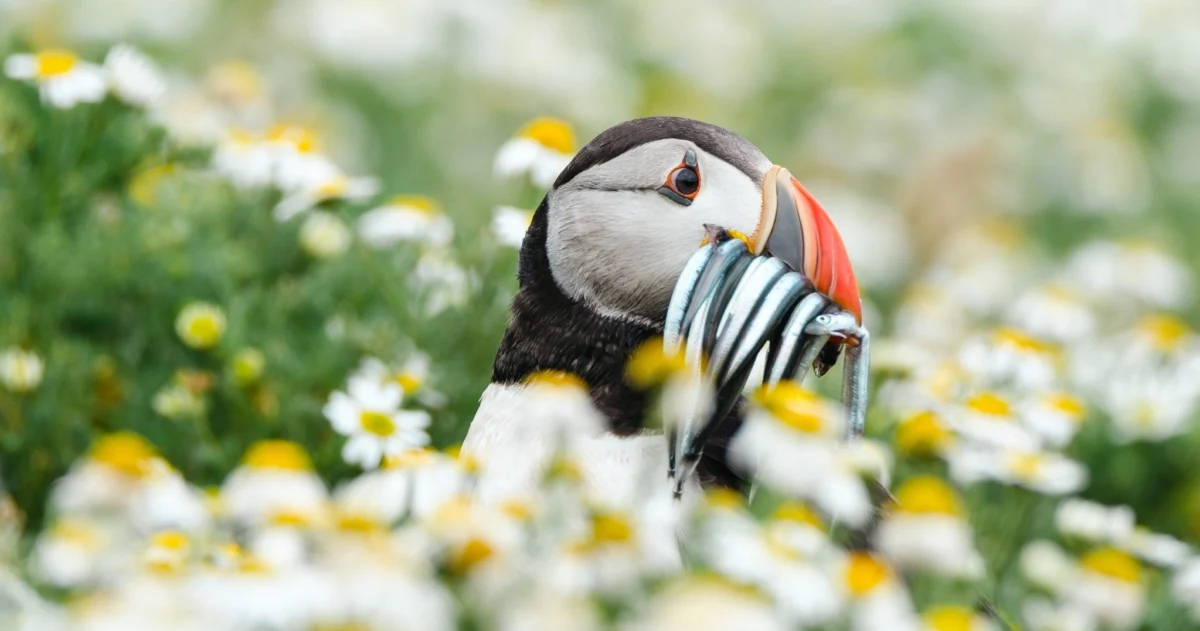
The approaching spring breeding season for the iconic Atlantic Puffin ( Fratercula arctica ) is overshadowed by a grim reality: a catastrophic seabird wreck, the most severe in Europe in a decade, has decimated populations along the Atlantic coastlines of Spain, Portugal, France, and the United Kingdom. This devastating event, which saw an estimated 38,000 seabirds, including hundreds of puffins, wash ashore dead or dying, paints a stark picture of the increasing pressures facing these beloved marine birds. The sheer scale of mortality, with Cornwall alone reporting a stark contrast of hundreds of dead puffins compared to just two the previous year, has transformed what should be a period of hopeful renewal into a somber testament to the fragility of marine life.
A Winter of Unprecedented Mortality
The recent winter witnessed a phenomenon known as a "seabird wreck," a natural occurrence where severe storms at sea lead to large numbers of seabirds being washed ashore. However, the magnitude of this year’s event far surpassed typical occurrences. For the Atlantic Puffin, a species renowned for its striking crimson beak and endearing waddle, this winter proved to be a death sentence. These charismatic birds spend the majority of their lives at sea, venturing out for up to eight months at a time, relying on their exceptional eyesight to hunt for small fish in often turbulent waters. The rough seas and persistent storms of the past winter severely hampered their ability to forage. Exhausted and starved, thousands of puffins and other seabirds, including guillemots, razorbills, and kittiwakes, were unable to complete their arduous journey back to land, succumbing to the harsh elements.
The last comparable seabird wreck of this magnitude occurred during the 2013-2014 winter, when over 54,000 seabirds were reported dead across European Atlantic coastlines, with puffins being the most severely impacted species. However, experts believe that the true death toll from the recent event is likely significantly higher, as countless birds perish at sea and their remains are never discovered on shore. This hidden mortality underscores the vastness of the ocean and the challenges in accurately quantifying the impact of environmental stressors on marine populations.
The Role of Climate Change in Amplifying Wrecks
While seabird wrecks are a recognized natural event, scientists and conservationists are increasingly linking their amplified intensity and frequency to the overarching threat of climate change. As global temperatures rise, so too does the energy within oceanic systems, leading to more frequent and powerful extreme weather events. The intense storms that battered the Atlantic this past winter are a stark manifestation of this trend. Warming seas not only exacerbate storm intensity but can also disrupt the delicate balance of marine food webs. Changes in ocean currents and water temperatures can alter the distribution and abundance of the small fish, such as sandeels and sprats, that form the primary diet of puffins. This disruption makes foraging even more challenging, pushing already stressed seabird populations beyond their adaptive capacities.
Antonio Vulcano, Senior Marine Conservation Officer at BirdLife Europe and Central Asia, articulated the dire situation: "In Europe, threats to seabirds are worsening every year. At the same time, seabird populations in the region are declining, and recovery can take a long time. Puffins, an iconic species of the northern seas, are no exception. Stormy weather in the Atlantic during this winter has caused huge numbers of Puffins and other seabirds to wash up dead on Spanish, Portuguese, French, and UK shores. This adds to an already long list of threats, such as food shortages due to overfishing, bycatch in fishing gears, predation at breeding colonies by invasive alien species, and poorly planned offshore wind developments. It is crucial to focus on the cumulative effects of these several threats on seabird populations. Only by addressing the full range of threats we can help them to bounce back, by reducing pressures before it is too late."
A Cascade of Threats Beyond Storms
The devastating seabird wreck is not an isolated incident but rather a grim symptom of a broader ecological crisis impacting European seabird populations. Beyond the immediate threat of intensified storms, a confluence of anthropogenic pressures is pushing these species towards a precipice.
Food Shortages and Overfishing: The reliance of puffins and other seabirds on specific prey species, such as sandeels, makes them particularly vulnerable to the impacts of overfishing. Commercial fishing operations often target these same small fish, leading to significant declines in their populations. This scarcity of vital food resources directly impacts the birds’ ability to feed themselves and, crucially, to provision their chicks during the breeding season. Studies have shown a direct correlation between the abundance of sandeels and the breeding success of seabirds in various European colonies. For instance, research in the North Sea has documented significant declines in puffin chick survival during years when sandeel stocks were depleted.
Bycatch in Fishing Gear: Another significant threat is bycatch, the unintentional capture of non-target species in fishing nets and lines. Seabirds, drawn to the bait or the activity of fishing vessels, can become entangled and drown. Millions of seabirds are estimated to be killed annually worldwide through bycatch, a stark indicator of the destructive impact of unsustainable fishing practices.
Invasive Alien Species and Predation: At their breeding colonies, many seabird species face the threat of predation from invasive alien species. On islands where native predators are absent, the introduction of species like rats, stoats, or cats can decimate ground-nesting bird populations, including puffins, by preying on eggs and chicks. Efforts to eradicate these invasive species from critical breeding sites are ongoing but represent a constant battle.
Offshore Wind Development: While renewable energy sources are crucial for combating climate change, poorly planned offshore wind farm developments can also pose a threat to seabirds. Birds can be susceptible to collisions with turbine blades, and the presence of these structures can also alter foraging behavior and habitat use. Careful site selection, environmental impact assessments, and mitigation strategies are essential to minimize these risks.
The Looming Shadow Over the Breeding Season
The winter’s tragic losses cast a long shadow over the upcoming breeding season. With a significantly reduced number of adult birds returning to their traditional nesting grounds, major seabird colonies such as Bempton Cliffs, Skomer Island, Farne Islands, Isle of May, and St. Kilda are expected to experience a dramatic decline in breeding pairs. This reduced breeding success could have long-term demographic consequences for puffin populations, potentially hindering their ability to recover from this devastating event. The scale of this year’s losses serves as a poignant reminder of how precarious life at sea truly is and underscores the urgent need for comprehensive conservation efforts.
European seabird populations are already in a state of crisis, with many species experiencing significant declines. The current situation elevates the urgency for robust protection measures. The vulnerability of puffins, in particular, highlights the interconnectedness of marine ecosystems and the far-reaching consequences of environmental degradation.
A Glimmer of Hope Amidst the Crisis
Despite the dire circumstances, there are glimmers of hope. Numerous local wildlife shelters and dedicated environmental organizations, such as the Wildlife Trust, are working tirelessly to rescue and rehabilitate stranded seabirds. Their efforts provide immediate relief and a vital lifeline for individual birds.
The return of puffins to their nesting cliffs this spring presents a critical juncture. The success of their breeding season, and indeed their long-term survival, will depend not only on the prevailing weather conditions but also on the choices made by humans on land and at sea.
Key actions that can make a difference include:
- Strengthening Marine Protected Areas: Expanding and effectively managing marine protected areas can safeguard critical foraging grounds and reduce the impact of human activities on seabird populations.
- Promoting Sustainable Fishing Practices: Implementing stricter regulations on fishing quotas, reducing bycatch through the adoption of more selective fishing gear, and supporting the development of sustainable aquaculture can help ensure the availability of food resources for seabirds.
- Responsible Offshore Development: Ensuring that offshore wind farm developments are strategically planned with thorough environmental impact assessments and incorporate robust mitigation measures can minimize risks to avian populations.
- Addressing Climate Change: Ultimately, tackling the root cause of intensified storms and ocean warming by reducing greenhouse gas emissions is paramount for the long-term survival of seabirds and the health of marine ecosystems.
Moments like this winter’s devastating wreck serve as a stark and urgent reminder of the profound dependence of these beloved birds on healthy oceans. The future of Europe’s iconic puffins, and indeed countless other marine species, hinges on our collective commitment to implementing meaningful conservation actions and fostering a more sustainable relationship with the natural world. The time for decisive action is now, before these remarkable creatures are pushed beyond the point of no return.

