


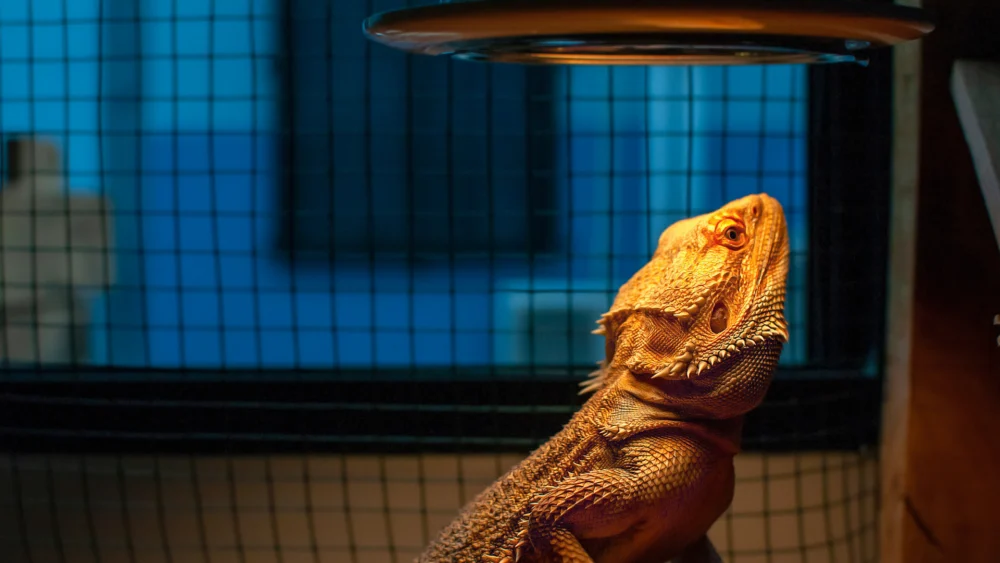
The standard of care for captive exotic animals is undergoing a significant paradigm shift as new research challenges long-held assumptions regarding ultraviolet radiation. For decades, the veterinary community and exotic pet enthusiasts have focused on "full-spectrum" lighting as a generalized requirement for diurnal reptiles. However, Dr. Mark Mitchell, a Professor of Zoological Medicine at Louisiana State University and Director of the Wildlife Hospital of Louisiana, is spearheading an evidence-based movement that redefines how ultraviolet B (UVB) radiation should be administered across a diverse array of species, including mammals, birds, and even fish.
This evolution in husbandry is rooted in a more sophisticated understanding of the electromagnetic spectrum. Ultraviolet radiation is categorized into three distinct classes: UVA, UVB, and UVC. While UVC (wavelengths under 280 nanometers) is primarily germicidal and used for pathogen control in aquatic systems, and UVA (315-380 nm) influences vertebrate behavior and perception, it is the medium-range UVB (280-315 nm) that serves as the biological catalyst for vitamin D3 synthesis.
The Biological Mechanics of Vitamin D3 Synthesis
To understand the necessity of UVB, one must look at the complex photosynthetic and endocrine pathway it triggers within the animal’s body. The process begins with the conversion of 7-dehydrocholesterol into pre-vitamin D3 within the skin upon exposure to UVB radiation. This pre-vitamin is then converted into vitamin D3 through a temperature-dependent process, highlighting the synergy between lighting and thermal gradients in an enclosure.
Once synthesized, vitamin D3 is transported to the liver, where it undergoes hydroxylation to become 25-hydroxyvitamin D3—the primary metabolite measured by veterinarians to determine an animal’s vitamin D status. The final conversion occurs in the kidneys, resulting in 1,25-dihydroxyvitamin D3, the active hormone required for calcium absorption in the intestines. Without this active form, animals cannot effectively utilize dietary calcium, leading to the development of Metabolic Bone Disease (MBD), a common and often fatal condition in captive exotics characterized by bone softening, tremors, and pathological fractures.
A Chronology of Expanding Species Requirements
Historically, UVB supplementation was considered a requirement reserved almost exclusively for diurnal lizards, such as green iguanas and bearded dragons. The prevailing theory suggested that nocturnal or crepuscular species, as well as carnivorous reptiles, obtained sufficient vitamin D3 through their diet. However, a timeline of research conducted over the last two decades has systematically dismantled these assumptions.
In 2006, studies began exploring the impact of UVB on psittacine birds, such as African grey parrots and budgerigars. By 2008, research demonstrated that corn snakes—long thought to be exempt from lighting requirements—showed a significant increase in plasma 25-hydroxyvitamin D3 concentrations when exposed to artificial UVB. This was followed by a series of groundbreaking studies between 2014 and 2023, which expanded the scope to include companion mammals.
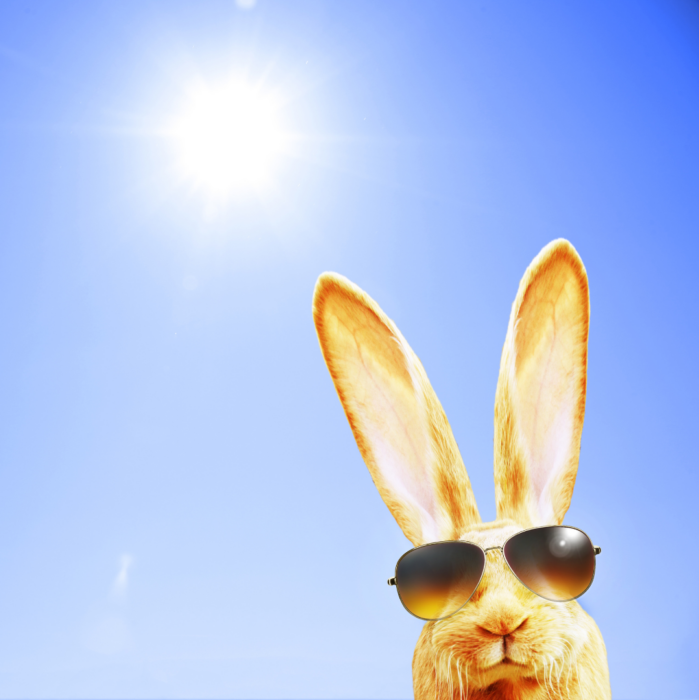
Rabbits, guinea pigs, and chinchillas, traditionally kept in indoor environments without specialized lighting, were found to benefit immensely from UVB exposure. In rabbits, researchers noted that artificial UVB could maintain healthy vitamin D levels even in the absence of dietary supplementation. Similarly, studies on leopard geckos, which are primarily active at dawn and dusk, revealed that they utilize low levels of UVB radiation for vitamin D3 synthesis, likely mimicking the "cryptic basking" behavior they exhibit in the wild.
The Mitchell Protocol: Moving Toward Precision Dosing
One of the most provocative aspects of Dr. Mitchell’s recent findings is the move toward "dosing" UVB rather than providing continuous exposure. In a series of clinical trials, Mitchell and his team evaluated the physiological effects of varying exposure durations.
The results were striking. In species like the blue-tongued skink and the leopard gecko, providing just two hours of UVB exposure per day was found to be as effective at maintaining vitamin D3 levels as 12-hour exposure cycles. Furthermore, research into the "decay" of vitamin D3 showed that after significant exposure, it could take several months for levels to return to baseline. In blue-tongued skinks, levels remained elevated for up to seven months after UVB withdrawal following a 12-hour daily exposure regimen.
This has led to a new clinical recommendation: restricted exposure. Dr. Mitchell currently advises that most captive exotic species receive no more than two hours of UVB lighting daily. This approach aims to provide the benefits of hormone synthesis while drastically reducing the risks associated with overexposure.
Commercial Challenges and Safety Risks
The transition to evidence-based lighting is complicated by the commercial landscape of pet products. The term "full spectrum" is frequently used in marketing but lacks a standardized regulatory definition, leading to vast discrepancies in the actual UVB output of various bulbs.
Dr. Mitchell emphasizes that not all bulbs are created equal. Through rigorous testing, his team has identified specific products, such as the Fluker’s 23-watt 5.0 compact fluorescent bulb, that consistently produce effective radiation levels (targeting 5 to 30 microwatts per square centimeter). Conversely, higher-intensity bulbs, such as 10.0 variants, are often discouraged due to the risk of "whomping" doses that far exceed what an animal would naturally encounter.
Safety remains a paramount concern. Overexposure to artificial UVB has been linked to several adverse conditions:
- Photokeratitis: An inflammatory condition of the cornea, similar to "snow blindness" in humans, which can cause pain and vision loss.
- Squamous Cell Carcinoma: There is emerging evidence that certain species, particularly bearded dragons, may develop skin cancer from prolonged exposure to high-intensity artificial UV sources.
- Thermal Burns: Mercury vapor bulbs, which produce both heat and UVB, can reach surface temperatures high enough to cause severe burns if the animal can come into direct contact with the source.
To mitigate these risks, Dr. Mitchell recommends placing bulbs outside of the enclosure, directing light through a wire mesh. While mesh can diffract some of the UV rays, the research indicates that the resulting "low-dose" exposure is more than sufficient for biological needs and significantly safer for the animal.
Broader Implications for Veterinary Medicine and Husbandry
The implications of this research extend beyond the hobbyist’s living room. In wildlife rehabilitation settings, the use of natural sunlight is being prioritized for nestling and fledgling birds, such as black-crowned night herons, to ensure proper skeletal development before they are ready for outdoor release.
In the realm of aquatic medicine, the discovery that fish species like Atlantic salmon and rainbow trout can endogenously synthesize vitamin D3 through UVB exposure—and even blue light—challenges the old belief that fish are entirely dependent on dietary sources. This could lead to revamped lighting protocols in public aquariums and commercial aquaculture to improve bone density and overall health in captive fish populations.
For mammals, the link between UVB and dental health is becoming increasingly clear. In species like guinea pigs, which are prone to debilitating dental disease, maintaining optimal vitamin D3 levels through lighting may assist in bone remodeling and the prevention of tooth root abscesses.
Conclusion and Future Outlook
The shift toward a "dosing" model of UVB radiation represents a more nuanced, medicalized approach to animal husbandry. By treating light as a bioactive supplement—much like a vitamin or a medication—veterinarians can provide more precise care that accounts for the specific evolutionary history of each species.
As Dr. Mitchell notes, the goal is to move away from anecdotal evidence and toward a framework where every husbandry recommendation is backed by peer-reviewed data. While the ball python remains a notable exception in some studies—showing less dramatic responses to UVB than other reptiles—the overwhelming majority of evidence suggests that almost all captive vertebrates benefit from some level of ultraviolet exposure.
The future of exotic pet care will likely involve more frequent testing of plasma 25-hydroxyvitamin D3 levels during routine veterinary checkups, allowing owners to fine-tune their lighting setups based on the actual physiological needs of their pets. As research continues to bridge the gap between the laboratory and the terrarium, the "Sunburned" approach serves as a vital reminder that in the world of exotic medicine, even the most basic elements of care—like light—require scientific precision.

