


Birds are among the most ubiquitous forms of wildlife, weaving through our daily lives in ways often unnoticed. They flit across lawns, alight on fences, congregate in parking lots, and call from the leafy canopies of nearby trees. For many, these constant companions remain anonymous, their species and prevalence a mystery. Yet, a significant portion of the American population encounters the same familiar avian faces, regardless of whether they reside in bustling cities, serene suburbs, or quaint small towns. This guide aims to illuminate the identities and characteristics of the twenty most common birds found across the United States, empowering observers to connect with the natural world that surrounds them.
The act of recognizing and appreciating these common birds often serves as an entry point into the broader world of ornithology and nature observation. It is a journey that typically begins not with a dedicated expedition, but with a simple act of observation – a conscious decision to notice the creatures that share our immediate environment. This fundamental engagement with local wildlife can foster a deeper understanding and appreciation for biodiversity and ecological interconnectedness.

The Foundation of Backyard Birdwatching
For countless individuals, the American Robin is the first bird that truly captures attention, marking the initial step in their journey of avian identification. These adaptable birds are frequently observed hopping across lawns, pausing momentarily with heads cocked, a clear indication they are in pursuit of earthworms or insects. This distinctive foraging behavior makes them easy to track visually, even for those new to bird identification. Their readily identifiable brick-red breast, coupled with an upright posture, provides a stark contrast against the green of grass and the grey of pavement, rendering them remarkably conspicuous.
Robins are particularly at home in manicured yards, public parks, and along sidewalks where open ground is readily available. Their comfort around human activity means they often continue their feeding routines even when people are in close proximity. For novices, the American Robin is a memorable subject due to its active nature, high visibility, and predictable habits. Once a robin is recognized, observers begin to notice its frequency and the significant amount of time it spends foraging on the ground, a behavior that differentiates it from many other avian species.

A Spectrum of Familiar Faces
1. American Robin: As mentioned, the American Robin is a quintessential backyard bird. Its plump body, dark back, and iconic reddish-orange breast are unmistakable. They are often seen on lawns, in parks, and near bushes, exhibiting a characteristic hopping gait as they search for invertebrates. Their cheerful, caroling song is a familiar sound in spring and summer.
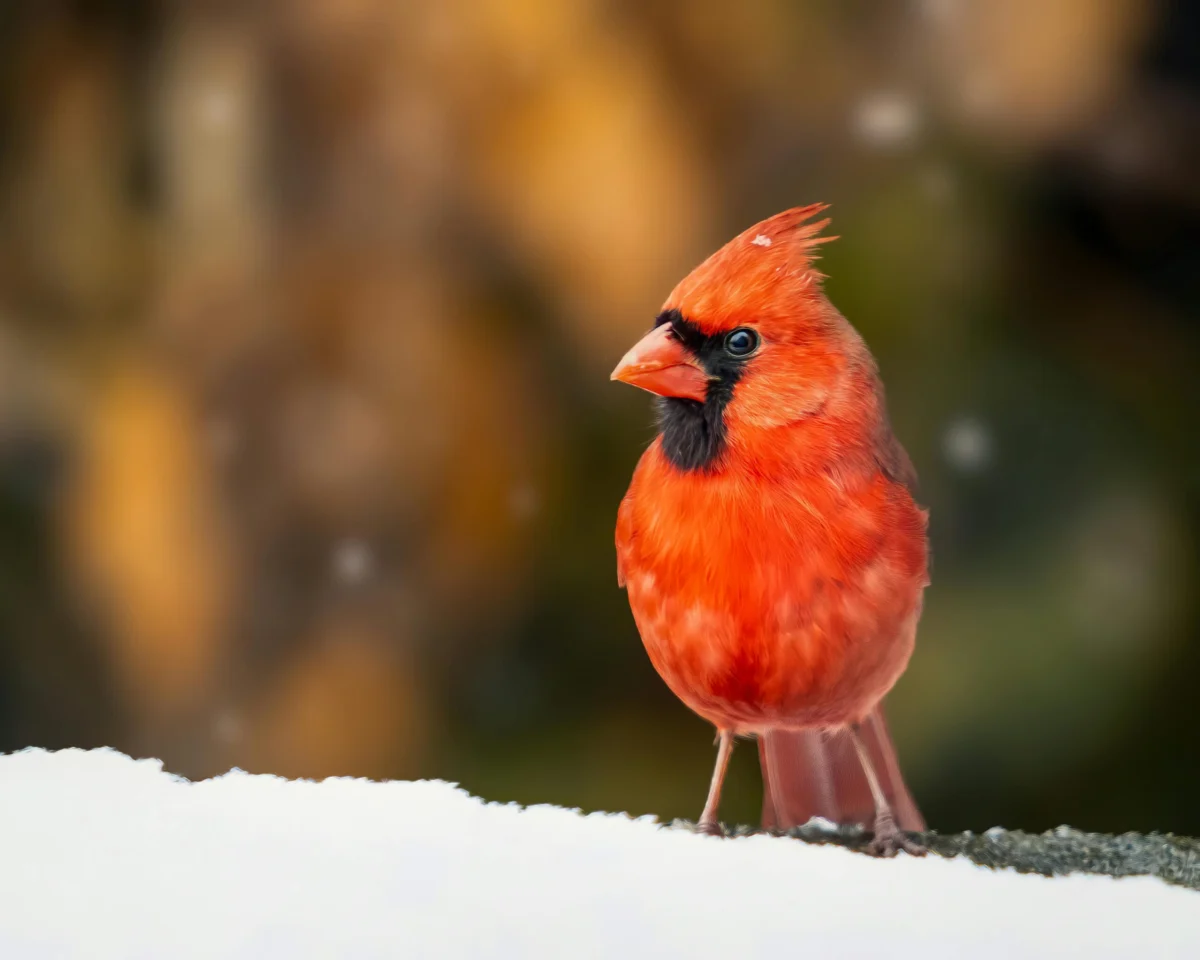
2. Northern Cardinal: One of the most visually striking birds encountered near homes, the Northern Cardinal is instantly recognizable. The male, in particular, is a brilliant crimson, a vivid splash of color against any backdrop. They possess a distinctive crest, a black mask around their face, and a thick, reddish bill. Cardinals are commonly found in areas with dense shrubs, hedges, or at bird feeders. They tend to be less skittish than many smaller birds, often remaining visible for extended periods. Their bright appearance and melodious whistles make them a favorite among bird enthusiasts.

3. Mourning Dove: Known for its gentle demeanor and soft, mournful coo, the Mourning Dove is a common sight. Larger than many songbirds, they tend to walk with a deliberate pace rather than hop. Their plumage is a muted blend of grey and brown, with delicate black spots on their wings and a distinctive pale blue eye-ring. Mourning Doves are frequently observed on lawns, driveways, fences, and even perched on power lines. They favor open spaces and are often seen in pairs or small flocks. Their calm presence and recognizable call make them a consistent and comforting part of the avian landscape.
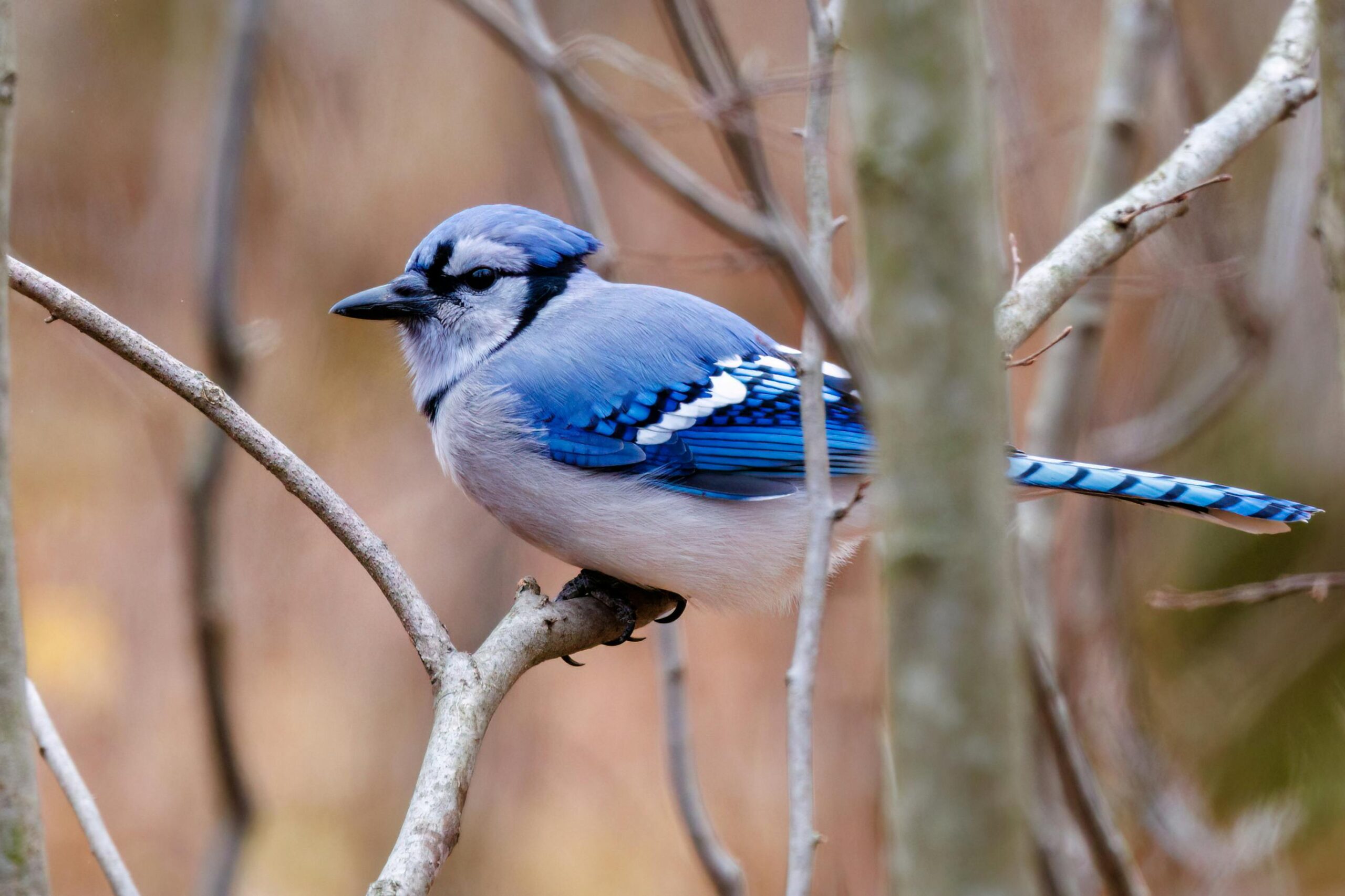
4. Blue Jay: These intelligent and boisterous birds are difficult to overlook. Their striking cerulean blue plumage, accented with black and white markings, is immediately arresting. Blue Jays are also known for their loud, varied vocalizations, which often herald their presence before they are seen. They are frequently observed flying between trees, visiting bird feeders, or perching prominently in high branches. Their confident demeanor and vocal nature make them stand out from more timid species.

5. American Crow: Large, intelligent, and entirely black, the American Crow is one of the most recognizable birds across the continent. Their robust build and characteristic "caw" are familiar sounds in a wide range of habitats, from urban centers to rural fields. Crows are social birds, often seen in groups, perched on rooftops, trees, or utility poles. Their adaptability and problem-solving abilities have allowed them to thrive in close proximity to humans.
6. House Sparrow: So ubiquitous that they are often taken for granted, House Sparrows are small, adaptable birds commonly found in close association with human settlements. Males have a distinctive black bib, grey crown, and chestnut markings on their wings, while females are a more uniform streaky brown. They are often seen hopping along sidewalks, foraging in parking lots, or gathering in small flocks near buildings. Their ability to blend into urban environments can lead to them being overlooked, yet their constant presence makes them a foundational species for many observers.
7. European Starling: European Starlings are often noticed for their distinctive flight patterns and their tendency to gather in large, noisy flocks. Their plumage is dark and glossy, appearing iridescent and speckled depending on the light, which can sometimes lead to confusion with other dark birds. They are common in urban and suburban areas, frequently seen foraging on lawns, rooftops, and in open fields. Their sheer numbers and active behavior make them a consistent presence in many landscapes.
8. Black-Capped Chickadee: These small, energetic birds are known for their cheerful "chick-a-dee-dee-dee" call and their curious nature. They possess a distinctive black cap and bib, contrasting sharply with their white cheeks and grey body. Chickadees are frequent visitors to bird feeders and are often seen flitting quickly between branches in wooded yards. Their boldness and active foraging habits make them a delight to observe.

9. Downy Woodpecker: As the smallest woodpecker in North America, the Downy Woodpecker is a common sight in yards with trees. They are characterized by their black and white checkered plumage and a small, pointed bill. Often heard before they are seen, their distinctive tapping is a familiar sound. They are frequently observed climbing tree trunks and branches, or visiting suet feeders. Their presence often signals a healthy tree-lined environment.
10. House Finch: House Finches are small, adaptable birds often seen at feeders and in open yards. Males are distinguished by their reddish or rosy-red coloring on the head, breast, and rump, while females are a streaky brown. They are frequently observed in small groups, perched nearby or feeding together. Their consistent presence and relatively confiding nature make them a common and recognizable species.

11. Dark-Eyed Junco: Commonly referred to as "snowbirds," Dark-Eyed Juncos are often most noticeable during the cooler months. They are small, slate-grey birds that spend a significant amount of time foraging on the ground, often in small flocks. A key identifying feature is the flash of white outer tail feathers that become visible when they take flight. They are frequently found in yards, parks, and near shrubs, where they can find seeds and insects.
12. White-Breasted Nuthatch: These unique birds are memorable for their peculiar habit of climbing headfirst down tree trunks, a behavior that often catches the eye of observers. They are medium-sized birds with a grey back, white underside, and a black cap. Their nasal "yank-yank" call is also distinctive. White-breasted Nuthatches are commonly seen on trees in yards and parks and are regular visitors to feeders, especially those offering nuts and seeds.

13. American Goldfinch: During the warmer months, the American Goldfinch is a spectacular sight, particularly the males which sport a brilliant yellow plumage with black wings and cap. In winter, their coloration becomes more subdued, a fact that can surprise beginners. They are often seen in small flocks, feeding on seeds from thistle or sunflower feeders, or flying in an undulating pattern over open yards and fields.
14. Tufted Titmouse: Small, energetic, and often seen in the company of chickadees, the Tufted Titmouse is characterized by its grey plumage and a distinctive pointed crest. They are frequent visitors to bird feeders and are commonly found in wooded yards and suburban neighborhoods. Their nasal "peter-peter-peter" song is a familiar sound in their habitat.

15. Song Sparrow: Song Sparrows are small, streaky brown birds often found near dense shrubs and low vegetation. They spend a considerable amount of time foraging on the ground or within thick cover, hopping in and out of view. While common in yards, gardens, and parks, their preference for dense habitat can make them initially difficult to spot. However, their characteristic streaky breast with a central spot and their varied song make them recognizable once observed.
16. Northern Mockingbird: These highly vocal birds are most recognized for their impressive ability to mimic a wide range of sounds, including other bird songs, car alarms, and even the calls of other animals. They sing loudly and frequently, often from prominent perches like rooftops or fence posts, and their songs can be heard at all hours. Mockingbirds are common in open yards and urban areas and are known for their bold and sometimes territorial behavior.

17. Red-Winged Blackbird: Males of this species are particularly striking, identifiable by their glossy black plumage adorned with vibrant red and yellow shoulder patches, known as "epaulets." These patches are often flashed during flight or when the bird is perched. Red-winged Blackbirds are commonly seen near open areas, wetlands, and agricultural fields, often perched on fences or flying low over meadows. Their loud, gurgling call is also a giveaway.
18. Common Grackle: Larger and more robust than starlings, Common Grackles are iridescent black birds with long tails and striking yellow eyes. They are often observed in noisy, gregarious flocks, particularly in parking lots, lawns, and open spaces. Their glossy feathers catch the light, creating a shimmering effect. While sometimes confused with starlings, their size and distinctive eye color help differentiate them.

19. Northern House Wren: These small, brown birds are more often heard than seen. Their powerful, bubbling song, delivered from within shrubs, fences, or small trees, is a distinctive sound in many backyards. House Wrens are common in areas with dense vegetation or where nesting boxes are provided. Their energetic behavior and surprisingly loud song for their size make them memorable.
20. Eastern Bluebird: The Eastern Bluebird is a medium-sized thrush known for its brilliant blue back, wings, and tail, often contrasted with a rusty orange breast and white belly. They are typically spotted perched on exposed branches, fence posts, or wires in open yards, fields, and meadows. Their calm demeanor and beautiful coloration make them a highly sought-after sight for backyard birdwatchers.

The Significance of Common Birds
The journey into birdwatching rarely begins with an intentional pursuit of rare species. Instead, it evolves from the simple act of noticing the birds that share our daily environments and gradually learning to identify them. These common species form the bedrock of this experience, providing a tangible connection to the natural world that exists just beyond our doors.
Once an individual can confidently identify these familiar species, their ability to discern differences sharpens. New, less common birds begin to stand out against the backdrop of the known. Seasonal shifts in avian populations become more apparent, and the surrounding environment begins to feel more dynamic and alive. For many, the realization that they can already identify a significant number of local birds comes as a pleasant surprise, confirming that they are already engaged in the fundamental practice of birdwatching: paying attention. This growing awareness not only enriches personal experience but also contributes to a broader understanding of local ecosystems and the importance of conservation efforts for all bird species, common or rare.

