


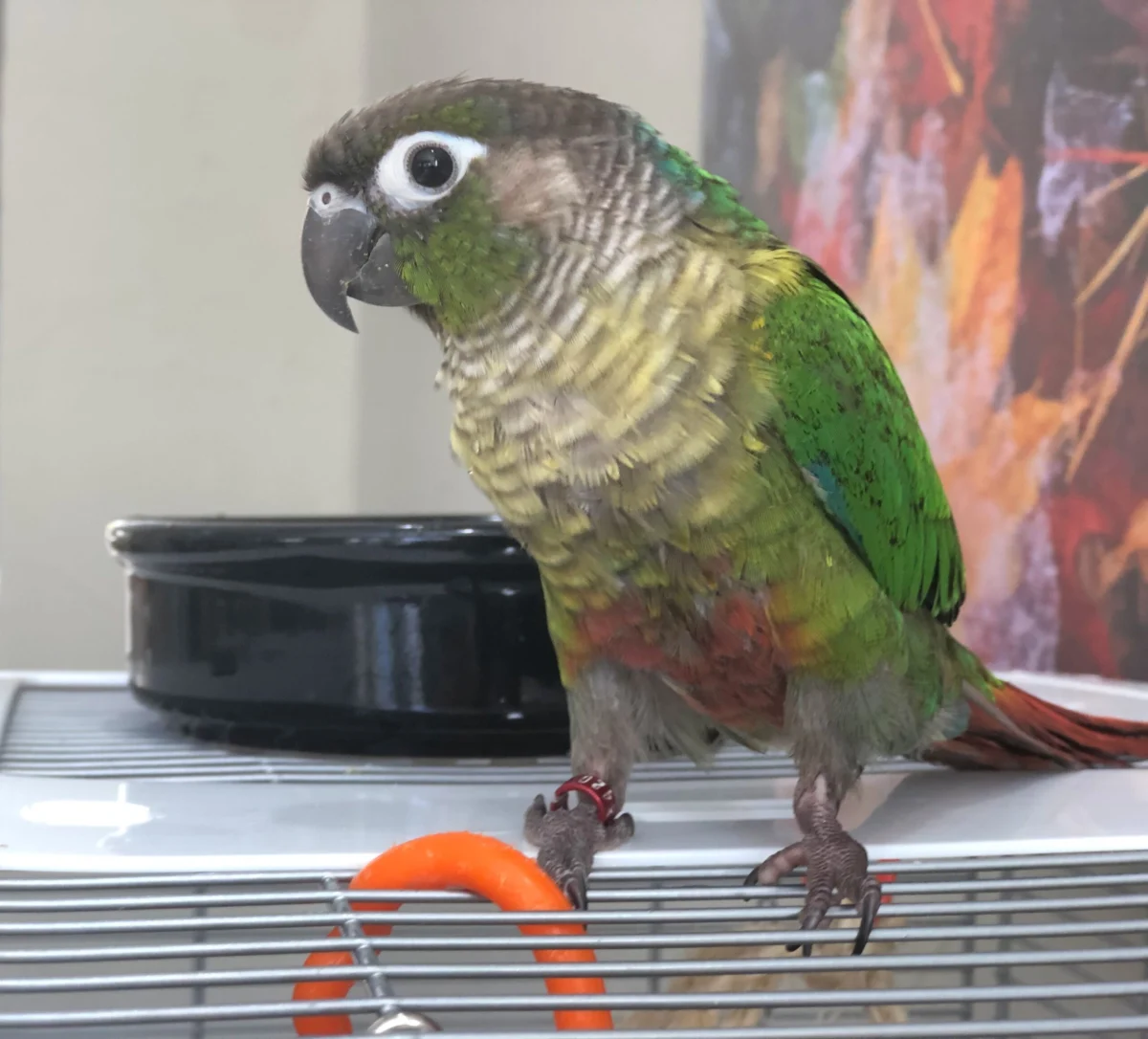
Indoor bird owners frequently encounter challenges related to their pets’ skin and feather health, particularly during periods of low environmental humidity, such as the winter months or during a molt. These issues often manifest as increased itchiness, excessive feather dust, frequent scratching, or general discomfort. While many symptoms can be managed with proactive home care, discerning between normal physiological responses and signs requiring professional veterinary intervention is crucial for ensuring avian well-being. This article aims to provide a detailed, evidence-based guide for identifying, understanding, and addressing these common concerns, while also outlining critical indicators that necessitate immediate veterinary consultation.
Understanding Avian Skin and Feather Physiology in Captivity
Birds possess a remarkable integumentary system, comprising their skin and feathers, which are vital for thermoregulation, flight, protection, and sensory perception. Feathers, primarily composed of keratin, require specific environmental conditions to maintain their integrity and function. In their natural habitats, most psittacine (parrot) and passerine (perching bird) species thrive in environments with moderate to high humidity, often ranging between 50% and 80%. This natural humidity plays a critical role in keeping their skin supple and their feathers flexible and free from excessive dust. The preen gland (uropygial gland), located at the base of the tail, secretes an oily substance that birds spread across their feathers during preening, conditioning them and providing a protective, water-resistant layer.
However, modern indoor environments, especially during cooler seasons when heating systems are in operation, often present a stark contrast to these natural conditions. Indoor humidity levels can plummet to as low as 20-30%, creating an arid atmosphere that can profoundly impact a bird’s delicate skin and feather structure. This lack of moisture can lead to dry, flaky skin, brittle feathers, and an accumulation of keratin dust, all of which contribute to increased irritation and discomfort. The problem is exacerbated during molting periods when new feathers, encased in waxy pin feather sheaths, push through the skin, intensifying any pre-existing dryness or irritation.
Identifying the Signs: Normal Versus Concerning
For concerned bird owners, the first step is to accurately interpret their bird’s behavior and physical signs. Many symptoms associated with dry air can be managed at home, but certain indicators warrant immediate professional attention.
Commonly Observed, Usually Normal Signs (Often Linked to Dry Air or Molt):
- Increased Scratching and Preening: Birds may spend more time scratching at their skin or preening their feathers, often appearing to be trying to relieve an itch.
- Excessive Feather Dust: A noticeable increase in fine, white dust accumulating around the cage or on the bird’s feathers, particularly in species like cockatiels and cockatoos, which are naturally "dusty."
- Flaky Skin: Visible flakes of dry skin, especially around the beak, cere, or on featherless patches.
- Dull or Brittle Feathers: Feathers may appear less vibrant, feel rough to the touch, or show signs of brittleness, such as frayed edges.
- Reluctance to Bathe: Despite showing signs of discomfort, some birds may resist traditional bathing methods if they perceive them as unpleasant or ineffective.
Signs That Are Not Normal and Require Veterinary Attention:
These symptoms are typically not caused by dry air alone and should not be managed without professional veterinary guidance.
- Open Wounds or Bleeding Feathers: Any visible cuts, sores, or active bleeding from skin or feathers.
- Bald Patches or Severe Feather Loss: Localized or extensive feather loss that is not consistent with a normal molt pattern. This could indicate underlying disease, parasites, or severe plucking behavior.
- Sudden Behavior Changes: Lethargy, loss of appetite, changes in droppings, increased aggression, or unusual vocalizations.
- Swelling or Redness: Any inflammation or discoloration of the skin, especially around feather follicles or joints.
- Pain or Discomfort on Touch: Vocalizing or reacting negatively when touched, indicating pain.
- Feather Cysts or Abnormal Growths: Lumps or unusual formations under the skin or within feather follicles.
- Obsessive Plucking or Self-Mutilation: Persistent and destructive plucking of feathers, breaking feather shafts, or self-inflicted skin damage. This is a serious behavioral issue with complex underlying causes, often exacerbated by physical discomfort.
If any of these concerning signs are observed, it is imperative to contact an avian or exotics veterinarian immediately. Delay can lead to worsening conditions and more complex treatment protocols.
Addressing the Environmental Factors: Humidity and Bathing
The primary environmental culprits for avian skin and feather discomfort are low humidity and inadequate bathing opportunities. Addressing these factors is foundational to improving a bird’s comfort.
Optimizing Indoor Humidity:
Avian veterinarians and husbandry experts consistently recommend maintaining indoor humidity levels between 50% and 70% for most pet bird species. This range closely mimics their natural habitats and is crucial for feather health and skin hydration.
- Humidifiers: Investing in a high-quality humidifier is often the most effective way to increase ambient humidity. Cool-mist humidifiers are generally preferred for safety. Regular cleaning of the humidifier is essential to prevent the growth of mold and bacteria, which can pose respiratory risks to both birds and humans.
- Strategic Placement: Place humidifiers near the bird’s cage but not so close that the bird is directly exposed to the mist. Ensure good air circulation in the room.
- Monitoring: Use a hygrometer (humidity gauge) to accurately monitor the humidity levels in the bird’s living area.
Effective Bathing Strategies:
While increased humidity is vital, regular bathing provides immediate relief and helps to clean feathers, remove dust, and hydrate the skin. However, many birds are particular about their bathing preferences. The goal is to offer the opportunity to bathe daily, allowing the bird to choose when and how they wish to engage. Forcing a bath can be counterproductive, leading to stress and aversion.
Common Bathing Preferences and Techniques:
- Shallow Dishes: Many birds prefer a shallow dish of lukewarm water placed in their cage or on a play stand. The water level should be low enough for the bird to stand comfortably without feeling submerged.
- Spray Misting: For birds that enjoy it, a fine mist from a clean, dedicated spray bottle (never used for chemicals) can be offered. The water should be comfortably warm, and the mist should be gentle, mimicking light rain rather than a direct spray. Aiming above the bird, allowing the mist to fall gently, is often more accepted.
- Wet Leafy Greens: Some birds love to rub themselves on wet, pesticide-free leafy greens (e.g., kale, romaine lettuce) placed in their cage.
- Shower Perches: For larger, more confident birds, a shower perch allows them to bathe in a steamy bathroom environment, often alongside their owner. Ensure the water temperature is comfortable and avoid direct spray from the showerhead.
- Rain Stand: A dedicated "rain stand" with a gentle, circulating water feature can be a highly engaging and naturalistic bathing option for some birds.
Key Considerations for Winter Bathing:
During colder months, it is paramount to ensure the bird does not get chilled after bathing.
- Lukewarm Water: Always use comfortably warm water.
- Gentle Drying: Allow the bird to air dry in a warm, draft-free room. Avoid using heat lamps directly on the bird unless specifically instructed by a veterinarian, as this can lead to overheating or burns. A gentle, low-heat hairdryer held at a safe distance can be used for very large birds, but most birds will preen themselves dry.
- Frequency: Daily access to bathing opportunities is ideal, especially in dry indoor air. However, the bird should dictate the actual bathing frequency.
Nutritional Support for Skin and Feather Health
While environmental adjustments are primary, nutrition plays a significant supportive role, especially if symptoms persist despite improved humidity and bathing. Many indoor birds, particularly those on seed-heavy diets, may suffer from deficiencies in key nutrients vital for skin and feather quality.
Critical Nutrients:
- Vitamin A (Retinol): Essential for the health of epithelial tissues, including skin and mucous membranes. A deficiency can lead to dry, flaky skin, poor feather quality, and impaired immune function.
- Vitamin E: A powerful antioxidant that protects cell membranes from damage, supports skin integrity, and promotes healthy feather growth.
- Omega Fatty Acids (e.g., Omega-3 and Omega-6): These polyunsaturated fats are crucial for maintaining skin hydration, reducing inflammation, and contributing to feather sheen and flexibility.
Dietary Adjustments and Supplementation:
- Pelleted Diets: Transitioning a bird from an all-seed diet to a high-quality, veterinarian-recommended pelleted diet provides a more balanced nutritional foundation.
- Fresh Fruits and Vegetables: Incorporating a wide variety of fresh, bird-safe fruits and vegetables ensures a broad spectrum of vitamins, minerals, and antioxidants. Carrots, sweet potatoes, dark leafy greens, and bell peppers are rich in Vitamin A precursors.
- Healthy Fats: Small, careful additions of healthy fat sources like flaxseed (ground), chia seeds, or a tiny amount of high-quality palm oil (specifically formulated for birds) can boost omega intake.
- Targeted Supplements: For birds with persistent issues, a veterinarian might recommend a balanced avian vitamin supplement or a specific feather and skin support product. These should be used sparingly and consistently, following package instructions, rather than introducing multiple products simultaneously. Over-supplementation, especially of fat-soluble vitamins like A and E, can be toxic.
Molting and Its Intensification in Dry Environments
Molting is a natural physiological process where birds replace old, worn feathers with new ones. This can be an inherently uncomfortable period, as new feathers, or "pin feathers," emerge. These pin feathers are encased in a keratin sheath and contain blood at their base until they fully unfurl.
Why Molt Exacerbates Discomfort:
- Increased Skin Sensitivity: During molt, the skin is actively producing new feathers, making it more sensitive and prone to irritation.
- Tightness and Itchiness: Dry indoor air causes the skin to feel tighter, and the keratin sheaths of pin feathers can become dry and brittle, making the molting process more intensely itchy and potentially painful. Birds may scratch and preen excessively in an attempt to remove the irritating sheaths.
- Potential for Over-Preening: If the discomfort is severe and prolonged, normal preening can escalate into over-preening, feather chewing, or even plucking, where feathers are damaged or pulled out. This creates a vicious cycle of irritation and self-trauma.
The Importance of Early Intervention:
Supporting skin comfort and hydration before a severe problem develops is key. By reducing irritation early, the urge to scratch and over-preen is minimized. Comfortable skin facilitates healthier feather growth and reduces the likelihood of normal grooming behaviors turning into destructive habits. This proactive approach often yields better results than attempting to correct entrenched behaviors later.
Beyond Dry Air: When to Call a Veterinarian
While environmental and nutritional adjustments can resolve many mild, seasonal issues, certain situations demand immediate professional veterinary intervention. Avian veterinarians are specially trained to diagnose and treat the complex health issues that can affect birds.
Critical Scenarios for Veterinary Consultation:
- Persistent Discomfort: If, after implementing consistent humidity improvements and appropriate bathing for one to two weeks, your bird still exhibits significant discomfort, itching, or abnormal feathering.
- Skin Lesions or Inflammation: Any red, swollen, crusty, or open lesions on the skin.
- Progressive Feather Loss or Damage: If feather loss is increasing, appearing in unusual patterns, or if feathers are being actively broken, bent, or pulled out.
- Behavioral Changes: Any new onset of lethargy, changes in appetite, droppings, or vocalizations accompanying the feather issues.
- Self-Mutilation: If your bird is actively plucking, chewing, or causing harm to its skin or feathers. This is a medical emergency that requires immediate attention to prevent further damage and identify underlying causes.
Why Timely Intervention Matters:
Delaying veterinary care for concerning symptoms can have serious consequences. What might start as environmental irritation can escalate into:
- Secondary Bacterial or Fungal Infections: Damaged skin or feather follicles are entry points for pathogens.
- Chronic Stress: Persistent discomfort leads to chronic stress, which can suppress the immune system and make the bird more susceptible to other illnesses.
- Entrenched Behavioral Issues: Feather plucking, if not addressed promptly, can become a deeply ingrained habit that is difficult to break, even after the initial cause is resolved.
- Undiagnosed Systemic Illnesses: Feather and skin problems can be outward manifestations of underlying systemic diseases (e.g., liver disease, kidney disease, endocrine disorders, viral infections, parasites). Only a veterinarian can conduct the necessary diagnostics to identify these conditions.
Broader Implications and Responsible Avian Ownership
The health of a pet bird’s skin and feathers is a direct reflection of its overall well-being and the quality of its captive environment. The increasing awareness among bird owners regarding environmental factors like humidity and the nuances of avian bathing represents a positive shift towards more informed and responsible pet care.
Impact on Avian Welfare:
Providing an environment that supports natural physiological processes, such as healthy molting and skin hydration, significantly enhances a bird’s quality of life. Conversely, persistent discomfort due to neglected environmental needs can lead to chronic stress, pain, and behavioral disorders, ultimately impacting the bird’s longevity and happiness.
The Role of Education:
Avian wellness educators, like Diane Burroughs, LCSW, emphasize a "nutrition and behavior-first, science-backed" approach. This highlights the importance of understanding not just what to do, but why it’s effective, empowering owners to make informed decisions for their birds. Resources from avian veterinary associations and reputable bird care organizations play a crucial role in disseminating accurate information.
Economic Considerations:
Proactive care, including investing in humidifiers and providing appropriate bathing opportunities, can mitigate the risk of severe skin and feather problems, potentially reducing the need for costly veterinary interventions later. Addressing issues early, when they are mild and seasonal, is generally far less expensive and stressful than managing chronic conditions or severe behavioral plucking.
Conclusion: A Proactive Approach to Avian Comfort
For indoor bird owners, a proactive and observant approach is paramount to maintaining their feathered companions’ health. Recognizing the critical role of environmental humidity, offering varied and appealing bathing opportunities, and ensuring a nutritionally balanced diet are fundamental steps. While occasional itchiness or increased feather dust during winter or molt can be normal, vigilant monitoring for signs of escalation or severe discomfort is essential. By understanding the intricate needs of avian skin and feathers and knowing when to seek professional veterinary expertise, owners can ensure their birds lead comfortable, healthy, and enriched lives, free from the pervasive irritation of dry air and compromised feather quality.

