


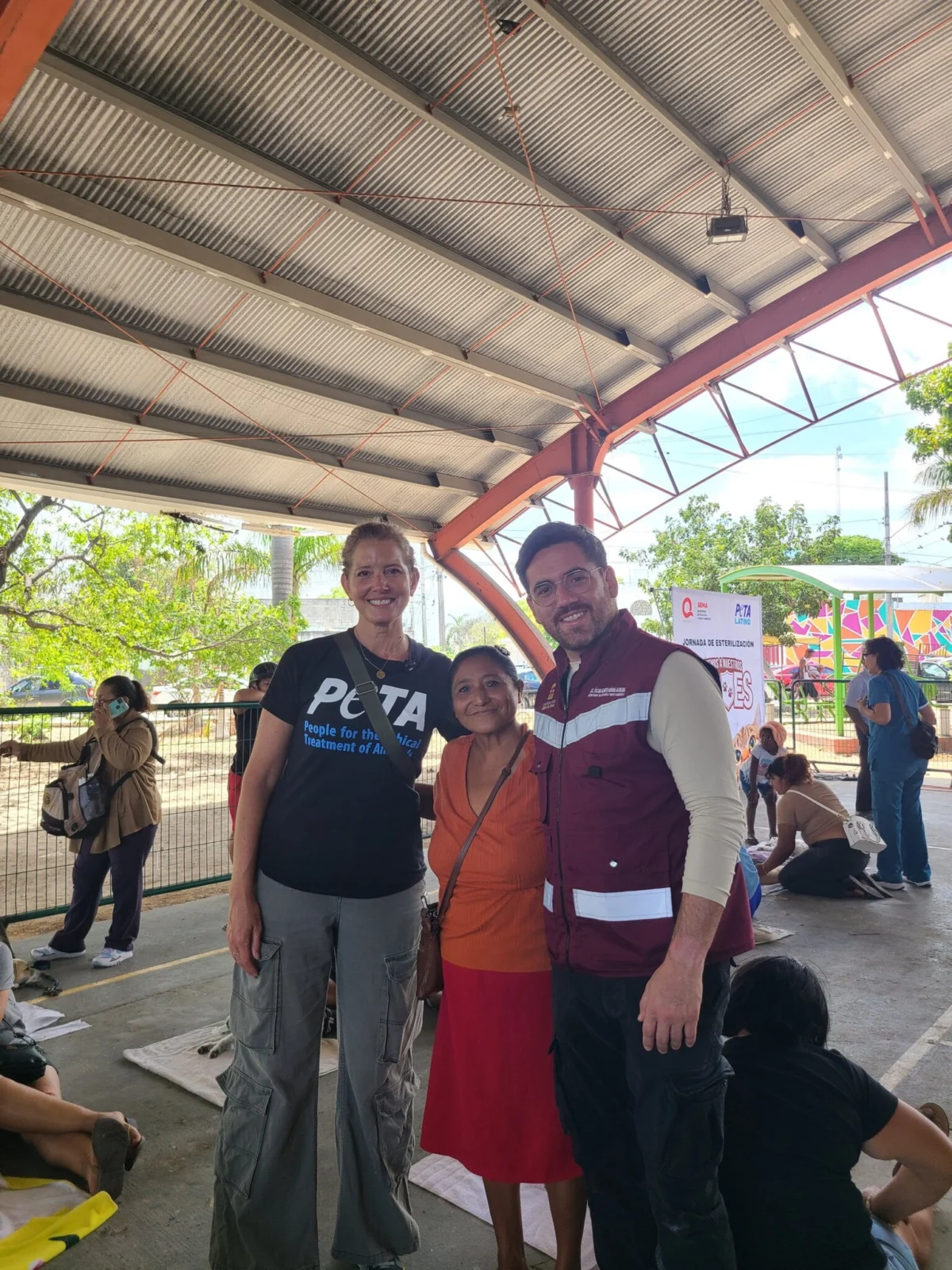
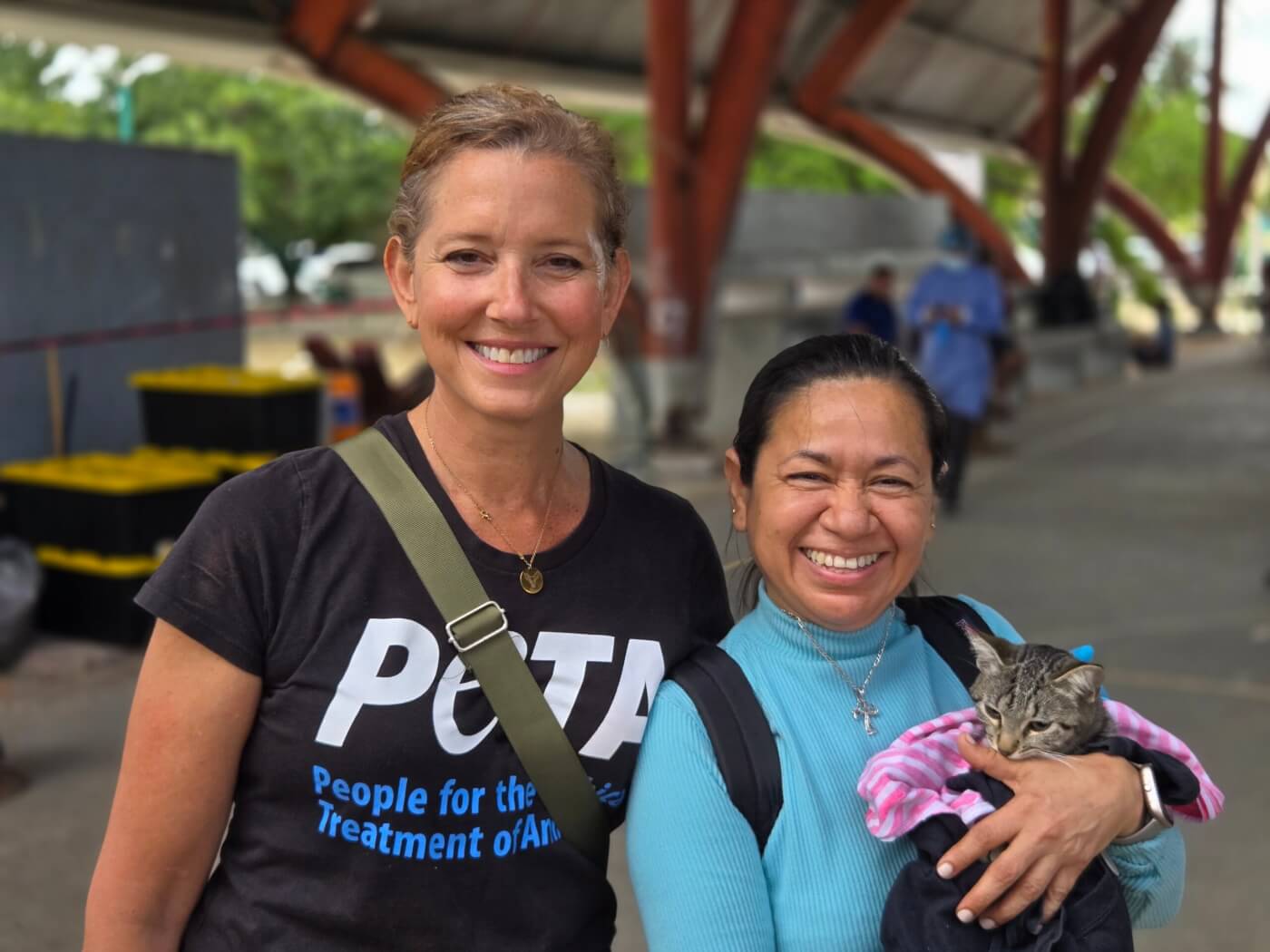
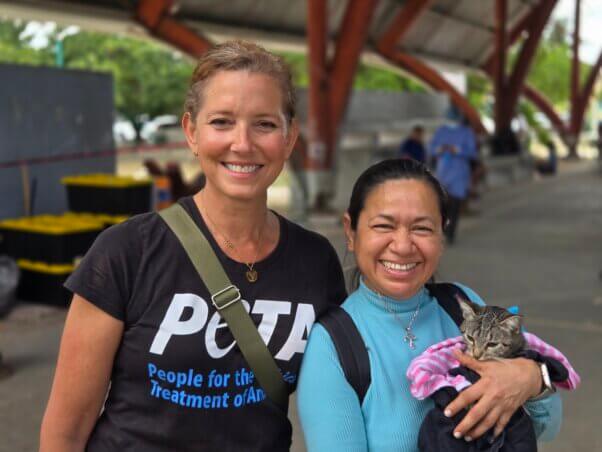
While the coastal regions of Quintana Roo were heavily populated by international tourists during the peak of the spring break season, a significant humanitarian and veterinary effort was underway in the underserved inland communities of Cancún. PETA Latino, the Spanish-language arm of People for the Ethical Treatment of Animals, successfully concluded its 16th large-scale spay and neuter clinic in the region. Over the course of a high-intensity four-day event, the organization provided sterilization surgeries for 485 cats and dogs, marking a critical milestone in the ongoing effort to manage animal overpopulation in southeastern Mexico.
This latest initiative was characterized by a historic first-time collaboration with the State of Quintana Roo’s Secretariat of Ecology and the Environment. This partnership signifies a shifting paradigm in local governance, moving toward integrated public health and animal welfare strategies. Beyond the primary goal of sterilization, the clinic offered a comprehensive suite of veterinary services, including vaccinations, parasite control, emergency care, and guardian education, targeting populations that traditionally lack access to affordable veterinary medicine.
A Strategic Response to the Animal Overpopulation Crisis
The companion animal overpopulation crisis in Mexico is a multifaceted challenge with significant implications for public health, the environment, and animal welfare. According to various animal welfare assessments in the region, thousands of domestic animals live on the streets of Quintana Roo, where they are vulnerable to disease, malnutrition, and human-inflicted cruelty. By sterilizing 485 animals in a single weekend, PETA Latino’s intervention effectively prevents the birth of thousands of unwanted kittens and puppies who would otherwise contribute to the cycle of suffering.
The clinic’s operations were strategically located to serve "zonas irregulares"—informal settlements that have developed outside of formal urban planning frameworks. These neighborhoods often lack basic infrastructure, such as paved roads, consistent electricity, and, most critically, veterinary clinics. For the residents of these areas, the cost of a private spay or neuter surgery is often equivalent to a week’s wages, making free clinics an essential service rather than a luxury.
Chronology of the Four-Day Veterinary Mission
The mission commenced with a coordinated setup involving local volunteers and international veterinary professionals. The schedule was designed to maximize throughput while maintaining high standards of surgical care and post-operative monitoring.
Day 1: Intake and Initial Assessments
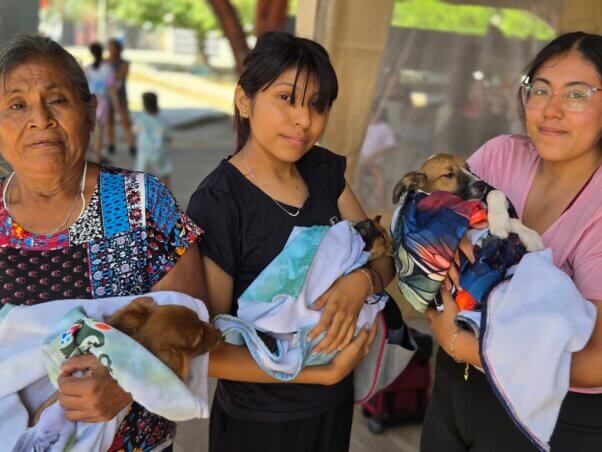
The first day saw a massive turnout of local guardians, some of whom began queuing before dawn. The intake process involved more than just registration; each animal underwent a preliminary health screening to ensure they were fit for anesthesia. During this phase, staff identified several animals suffering from acute conditions, including severe mange and advanced parasite infestations, which were treated alongside the sterilization procedures.
Day 2 and 3: High-Volume Surgical Operations
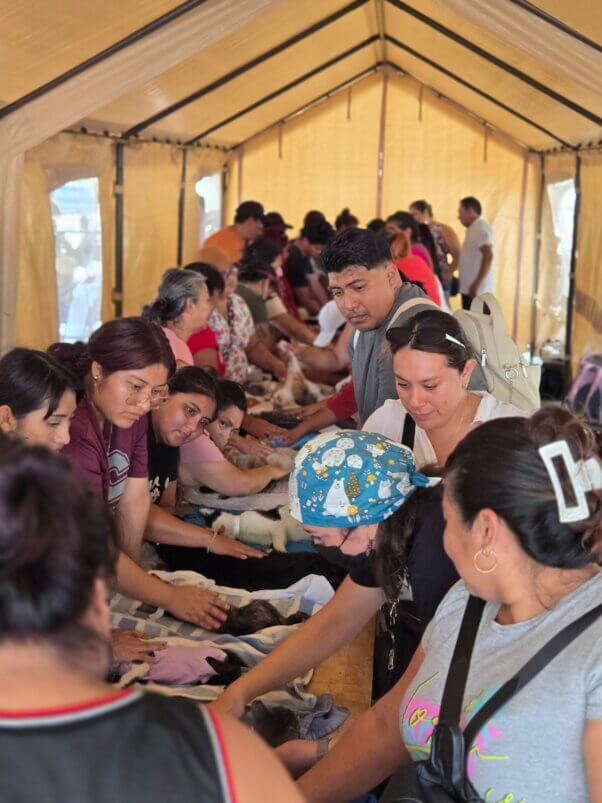
The core of the event focused on the surgical theater. PETA Latino utilized a mobile clinic model, bolstered by the support of the Secretariat of Ecology and the Environment. This collaboration allowed for a more robust logistical chain, ensuring that medical supplies were replenished and that the recovery area could accommodate the high volume of feline and canine patients. It was during these days that the team handled diverse cases, ranging from household pets like "Merry Christmas," a local feline, to unidentified street dogs that were brought in by compassionate neighbors.
Day 4: Community Outreach and Fieldwork
On the final day, while surgeries continued at the primary site, a specialized team expanded their reach into the Santa Cecilia neighborhood. This outreach was vital for reaching animals that could not be transported to the clinic. The fieldwork included property visits to assess the living conditions of non-traditional companion animals and dogs kept as guardians.
Case Studies in Humane Intervention
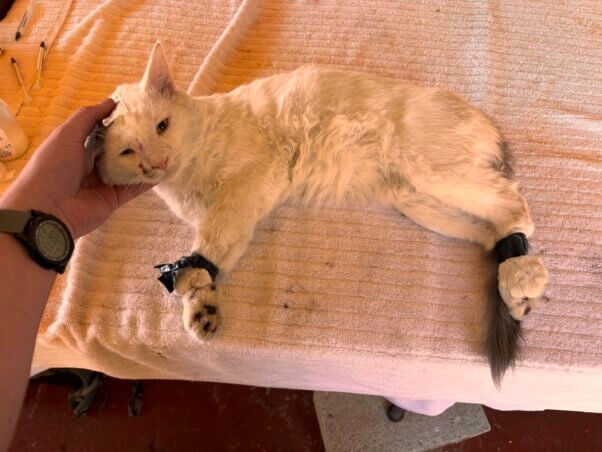
The impact of the clinic was best illustrated through specific interventions that addressed immediate suffering. In one notable instance, a cat was brought to the intake station with its legs tightly wrapped in adhesive tape—a traditional but harmful method used by the guardian to prevent the animal from escaping during transport. PETA Latino staff utilized this moment as an educational opportunity, demonstrating to the guardian how such restraints cause extreme distress and potential physical injury. They provided guidance on humane transport methods, such as using ventilated crates or secure fabric wraps, emphasizing that animal welfare begins with the journey to the clinic.
The fieldwork in Santa Cecilia also led to the discovery of a potbellied pig living in a cramped, unsheltered space. The team constructed a brand-new, durable shelter for the pig and expanded its enclosure, which it shared with a chicken. This intervention highlighted the organization’s holistic approach to animal care, recognizing that all domesticated species in these communities deserve protection from the elements.
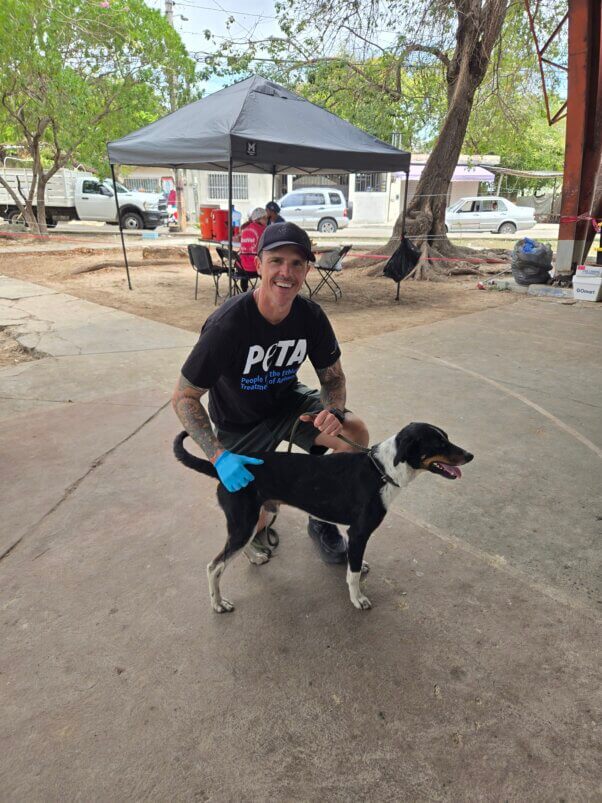
Furthermore, the team addressed the needs of Max and Negro, two local dogs who lacked adequate housing. By providing a sturdy, weather-resistant doghouse and administering flea and tick preventative treatments, the team improved the dogs’ quality of life and reduced the risk of zoonotic diseases spreading to the human residents of the household. Another doghouse was provided to Athena, a homeless dog currently battling a contagious venereal tumor, ensuring she has a safe place to rest while she undergoes medical treatment.
Official Government Collaboration and Public Health Implications
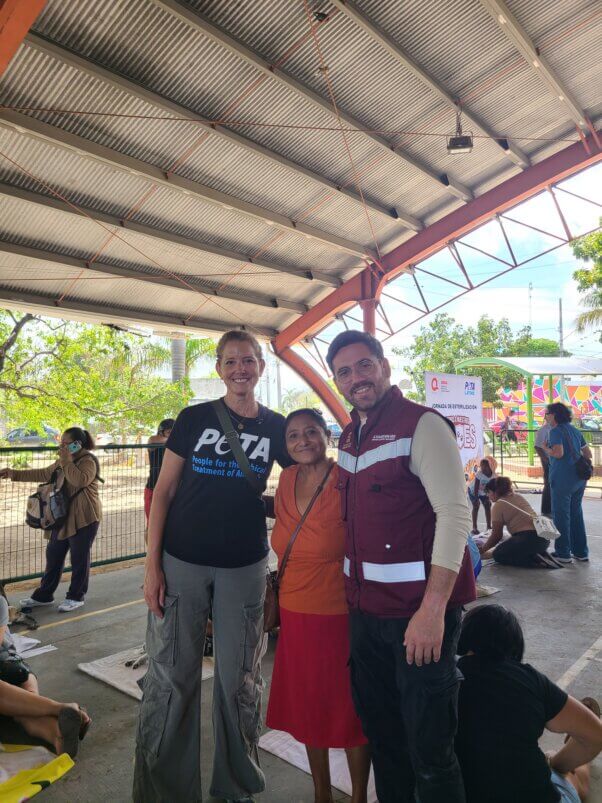
The presence of Oscar Rebora, the Secretary of Ecology and the Environment for Quintana Roo, at the clinic underscored the importance of the event at a policy level. The collaboration between a global NGO and a state-level secretariat suggests an increasing recognition that animal welfare is intrinsically linked to community well-being.
"Engaging directly with the PETA Latino team allows us to see the immediate impact of these services," inferred observers of the Secretary’s visit. The state government, under the leadership of Governor Mara Lezama, has recently prioritized the launch of mobile spay/neuter units. These government-led initiatives, supported by the expertise and funding of organizations like PETA, represent a sustainable model for managing urban animal populations.
From a public health perspective, these clinics are essential for rabies control and the reduction of parasitic infections like hookworms and roundworms, which can be transmitted from animals to humans. By providing vaccinations and deworming treatments alongside sterilization, PETA Latino is performing a vital service that protects the entire community, not just the animals.
Statistical Analysis of Sterilization Impact
The long-term benefits of sterilizing 485 animals are mathematically significant. Data from animal population control studies suggest that one unspayed female dog and her offspring can theoretically produce up to 67,000 puppies in just six years. For cats, the numbers are even more staggering due to shorter gestation periods and larger litters.
By removing nearly 500 animals from the reproductive cycle in a region with high stray density:
- Resource Allocation: Municipalities save thousands of dollars in animal control and carcass removal costs.
- Bite Prevention: Sterilized animals, particularly males, are statistically less likely to engage in roaming and aggressive territorial behavior, leading to fewer dog bite incidents in the community.
- Environmental Protection: Reducing the number of stray cats helps protect local biodiversity, particularly the bird and small reptile populations native to the Yucatan Peninsula.
Broader Impact and the Global Compassion Fund
PETA Latino’s work in Quintana Roo is a primary example of the "boots on the ground" philosophy funded by the Global Compassion Fund. This fund is designed to provide rapid response and long-term infrastructure support in regions where animal protection laws are weak or non-existent.
The 16th clinic in Cancún was not an isolated event but part of a sustained, multi-year commitment to the region. This consistency has fostered trust within the communities, leading to higher participation rates and a gradual shift in cultural attitudes toward pet ownership. Guardians are increasingly viewing their animals as "companions" requiring care and medical attention rather than merely functional assets for guarding or pest control.
As the clinic concluded, the recovery area remained a hive of activity. Staff members were seen trimming nails, cleaning ears, and shaving down painfully matted fur on dogs that had never been groomed. These small acts of care, combined with the life-changing impact of sterilization, ensure that every animal leaving the clinic does so in a state of improved health and comfort.
Conclusion
The success of the 16th PETA Latino spay/neuter clinic in Cancún serves as a blueprint for effective animal welfare intervention in developing regions. Through the combination of high-volume surgery, community education, and strategic government partnership, the initiative addressed the root causes of animal suffering rather than merely treating the symptoms.
While the challenges of animal overpopulation in Quintana Roo remain significant, the sterilization of 485 animals represents a substantial victory. It is a testament to the power of international support and local cooperation in creating a more compassionate world for all sentient beings. As PETA Latino continues its mission, the focus remains on expanding access to these essential services, ensuring that the progress made in Cancún can be replicated across Mexico and beyond. Through the continued support of the Global Compassion Fund, the organization aims to ensure that no animal is born into a life of struggle on the streets.

