


Migratory birds, through their extraordinary long-distance journeys, serve as vital ecological connectors, traversing landscapes, nations, and entire continents. These avian travelers rely on established routes, known as flyways, to navigate between their breeding and non-breeding grounds. In a collaborative effort to safeguard these crucial pathways, the RSPB (Royal Society for the Protection of Birds), a leading conservation organization in the UK, in partnership with the Ghana Wildlife Society and with the support of the Ecological Restoration Fund (ERF), has embarked on an ambitious project focused on the African-Eurasian Flyway. This immense migratory corridor stretches from the Arctic Circle down to the southernmost reaches of Africa, underscoring the global scale of avian migration and the necessity for international conservation cooperation.
The African-Eurasian Flyway: A Lifeline for Avian Migrants
The African-Eurasian Flyway is one of the most significant migratory routes globally, utilized by an estimated 1.5 billion birds annually, encompassing over 200 species. These birds face a myriad of challenges throughout their epic journeys, including habitat loss and degradation, climate change impacts, and direct human-induced threats. The ERF project aims to address these challenges by working with local partners to protect critical habitats, restore degraded landscapes, and foster sustainable practices that benefit both wildlife and the communities that share these environments. The RSPB’s involvement highlights a long-standing commitment to flyway conservation, recognizing that the fate of migratory species is intrinsically linked to the health of ecosystems across multiple countries.
Spotlight on Ghana: Protecting Crucial Stopover Habitats
Within the vast expanse of the African-Eurasian Flyway, the wooded savannahs of northern Ghana represent a critical stopover and wintering ground for thousands of migratory landbirds. These birds undertake the arduous journey across the Sahara Desert, relying on these Ghanaian landscapes for rest and sustenance before their return migration. Kwame Boafo, Programme Manager for the Research & Conservation Unit at the Ghana Wildlife Society, leads vital conservation efforts in this region.

The Mole Ecological Landscape: A Haven of Biodiversity
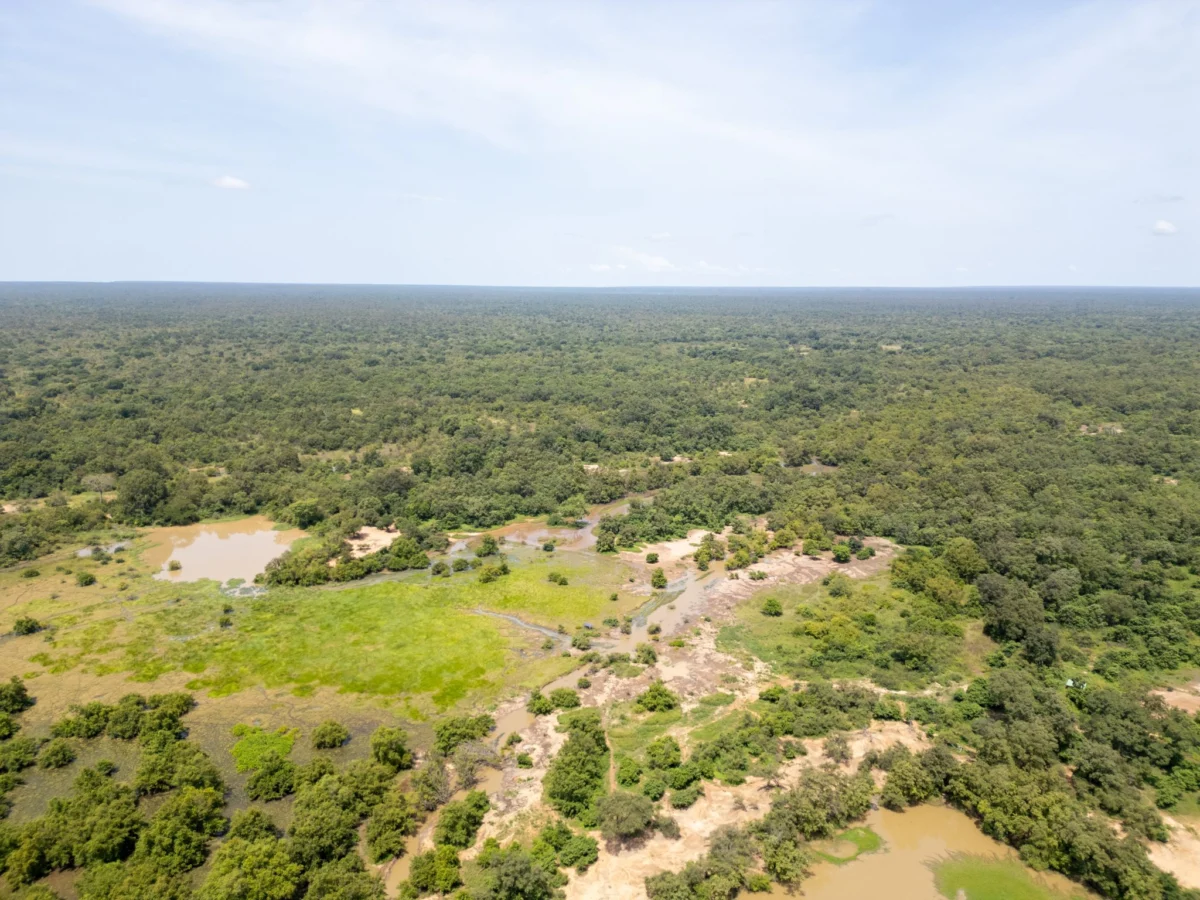
Kwame Boafo describes the Mole Ecological Landscape in north-western Ghana as a mosaic of savannah woodland, grassland, riverine areas, and close-canopy forests. At its core lies Mole National Park, a protected area that annually hosts a diverse array of migratory species. These include iconic birds like the European Pied Flycatcher (Ficedula hypoleuca), Willow Warblers (Phylloscopus trochilus), and Tree Pipits (Anthus trivialis). The park also provides essential habitat for migratory raptors such as Ospreys (Pandion haliaetus), European Honey-buzzards (Pernis apivorus), and Montagu’s Harriers (Circus pygargus). Furthermore, Mole National Park is a crucial stronghold for several of Ghana’s Critically Endangered vulture species.
"Mole is like a place of refreshment during these strenuous annual journeys," Boafo explains, emphasizing its role as an "important lifeline for birds arriving here after crossing the Sahara." The landscape is characterized by a dramatic annual transformation, transitioning from a dry season marked by extensive burning – both accidental and deliberate – to a period of regeneration. This cycle of resilience is mirrored by both the biodiversity and the human communities that must navigate these extreme environmental changes. The conservation efforts are therefore deeply intertwined with promoting sustainable land management practices that benefit both people and wildlife.
Community Engagement and Habitat Restoration
A significant aspect of the ERF project in Ghana involves empowering local communities and integrating them into conservation initiatives. Boafo highlights the presence of approximately 40,000 people living within a 5-kilometer radius of Mole National Park. Many of these communities have established Community Resource Management Areas, or CREMAs, which aim to facilitate sustainable land and resource management.

In the southern part of the landscape, a gap was identified in the CREMA network around the communities of Kananto and Kabampe. Due to their strategic location between two protected areas, the project has been working with these communities to establish a new CREMA. This initiative aims to enable their sustainable participation in landscape management, reduce human-wildlife conflict, and ensure they benefit from conservation efforts. The successful inscription of this new CREMA marks a significant milestone, granting these communities greater autonomy over their resources and a stronger voice in decision-making processes.
Restoration with a Dual Purpose: Ecological and Economic Benefits
A cornerstone of the project’s strategy is the restoration of degraded areas using native tree species. This undertaking serves a dual purpose: it provides essential cover and habitat for wildlife while simultaneously restoring vital ecosystem services. Crucially, the trees being planted also support community livelihoods. For instance, shea and dawadawa trees are ecologically and economically significant, with 90% of women in the Kananto-Kabampe CREMA collecting shea nuts as a primary source of income.
The project facilitates the collection of seeds from these important species, nurturing seedlings in a nursery established by the ERF project. To date, 5,000 seedlings have been planted with the assistance of local communities, and efforts are underway to plant an additional 10,000 young trees during the upcoming rainy season. The focus extends beyond mere planting to ensuring the survival and growth of these trees, emphasizing the importance of strategic planting times and diligent tending.

Diversifying Livelihoods and Fostering Citizen Science
Beyond tree planting, the project has implemented several other initiatives designed to bolster community resilience and reduce pressure on protected areas. These include training in agroforestry techniques to improve farm yields and connecting communities to external markets. A bee-keeping initiative has also been launched, recognizing the critical role of bees as pollinators for many tree species that are vital to both the communities and the wider landscape. The overarching hope is that by enhancing economic opportunities, the need for encroachment into reserves, particularly during the dry season, will be reduced.
Furthermore, the project is actively engaged in citizen science initiatives, collaborating with local communities to deploy acoustic monitoring devices. This technology allows for passive acoustic monitoring of birds, enabling researchers to compare bird activity across degraded, restored, and intact areas. This data is invaluable for understanding the effectiveness of restoration efforts and informing future conservation strategies.
Addressing Challenges and Cultivating Optimism
Despite the promising progress, conservationists face significant challenges in the region. Slash-and-burn agriculture remains a prevalent practice, and fires often spread beyond intended areas, impacting farms and protected reserves. The harsh environmental conditions, characterized by dry seasons and a limited rainy season, also pose difficulties for restoration efforts, requiring careful planning and a deep understanding of tree ecology and phenology.
Another significant hurdle is gaining community buy-in, particularly when livelihoods are at stake. Boafo acknowledges the need to strike a delicate balance between community needs and the imperative of conserving migratory birds and other wildlife, especially in the face of issues like crop-raiding and human-wildlife conflict.

However, Boafo remains optimistic, citing the growing trust between conservationists and local communities. He notes that initial concerns about land appropriation have given way to an appreciation for the dedication of researchers to bird conservation. This evolving understanding is fostering a greater appreciation for wildlife beyond its immediate utility as food or a potential nuisance. "Conservation is about both people and nature," Boafo states. "We’ve been able to establish the link between the people and nature, and we are hoping to build on this."
The European Pied Flycatcher: An Emblematic Migrant
When asked to select a species that best represents the flyway and the landscape, Boafo points to the European Pied Flycatcher (Ficedula hypoleuca). This bird exemplifies the resilience and navigational prowess required to traverse the African-Eurasian Flyway. "The bird that I would say best represents the landscape because of its ability to navigate all its challenges and still continues to thrive throughout the migratory season is the European Pied Flycatcher," he explains. The early arrival of these birds, often singing as early as October, and their departure in March underscore their profound connection to these Ghanaian habitats.
A Glimpse into the Field: Resilience in the Face of Adversity
Boafo shares a lighthearted anecdote from the field, highlighting the unexpected resilience of their monitoring equipment. Recently, several acoustic monitoring devices were burned, despite expectations of no fire activity. Remarkably, even after being damaged, the devices continued to record data, providing valuable insights. This experience, while challenging, underscored the ingenuity and persistence required in conservation work.
The Ecological Restoration Fund: A Catalyst for Change
The Ecological Restoration Fund (ERF) plays a pivotal role in supporting conservation initiatives that protect biodiverse hotspots, rejuvenate degraded landscapes, and promote local environmental activism. The ERF is committed to re-establishing the intricate interconnections of nature while simultaneously fostering cultural, social, and economic opportunities for the communities that inhabit these vital landscapes. The project in Ghana, supported by the ERF, exemplifies this holistic approach, demonstrating that effective conservation requires a deep understanding of both ecological processes and human needs.

