


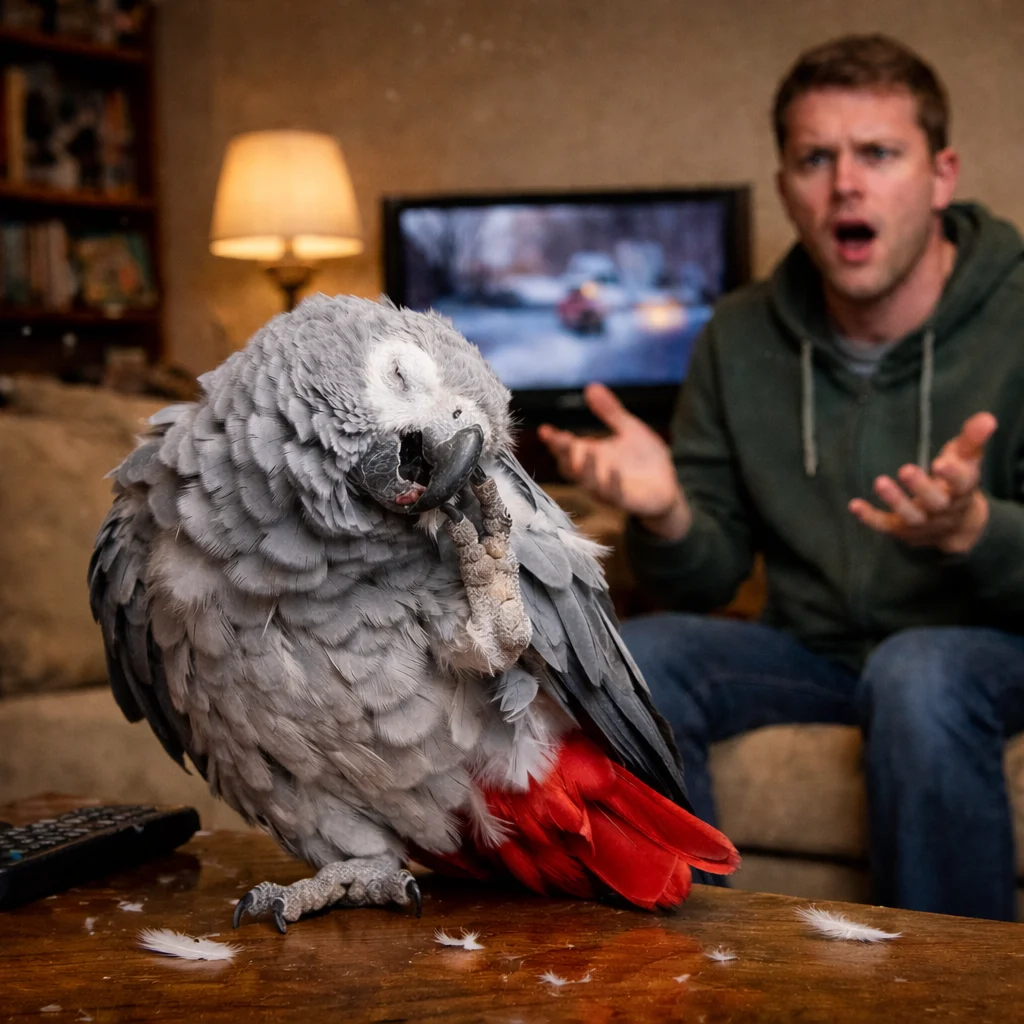
Molting, the cyclical process of feather replacement, is a fundamental biological imperative for all avian species, critical for maintaining flight efficiency, insulation, waterproofing, and overall health. While an entirely natural and necessary phenomenon, the period of molt often presents a significant challenge for bird owners: discerning the normal, albeit uncomfortable, aspects of feather regeneration from the initial, subtle signs of feather destructive behavior (FDB), commonly known as feather plucking. This distinction is paramount, as misinterpretation can lead to undue owner anxiety or, more critically, delay essential veterinary intervention for a potentially serious welfare issue. This article aims to provide a comprehensive, fact-based guide to help avian caregivers confidently navigate this delicate phase, drawing on scientific understanding and expert insights to differentiate normal molt discomfort from emerging behavioral pathologies.
The Physiological Imperative of Molting: A Deep Dive into Avian Feather Regeneration
Molting is far more than just feathers falling out; it is a complex, energy-intensive physiological process that ensures a bird’s plumage remains in optimal condition. Feathers are non-living structures once fully formed, and over time, they accumulate wear and tear from daily activities, exposure to environmental elements, and preening. Damaged or worn feathers compromise a bird’s ability to fly, regulate body temperature, repel water, and even attract mates. Consequently, birds have evolved sophisticated mechanisms for periodic feather replacement.
The process typically begins with the shedding of old feathers, followed by the growth of new ones. These new feathers emerge as "pin feathers," which are encased in a waxy keratin sheath. As the feather matures, the bird meticulously preens away this sheath, allowing the feather to unfurl. This entire cycle is regulated by a complex interplay of hormones, primarily thyroid hormones, influenced by environmental cues such as photoperiod (daylight length), temperature, and nutritional status. The duration and frequency of molts vary significantly across species; some birds undergo a single complete molt annually, while others may have partial molts or continuous feather replacement throughout the year. For instance, many passerine species undergo a complete post-nuptial molt after breeding, while parrots might experience a more gradual, continuous molt.
During this period, a bird’s body undergoes immense physiological stress. Feathers are approximately 90% protein, making feather production one of the most protein-demanding processes in a bird’s life. Beyond protein, the formation of new feathers and the maintenance of healthy skin and follicles require a substantial intake of specific vitamins and minerals, including Vitamin A, essential fatty acids, calcium, and zinc. The skin, simultaneously, must remain supple and healthy to accommodate the emergence of new quills without tearing or excessive irritation. This high metabolic demand, coupled with the physical sensation of hundreds of new feathers pushing through the skin, is precisely why molting can be a profoundly uncomfortable experience for many birds.
The Spectrum of Avian Grooming: Normal Molt Behavior vs. Early Warning Signs
The discomfort associated with molting naturally leads to an increase in preening and scratching behaviors. For concerned owners, the crucial task is to distinguish between what constitutes normal, albeit intensified, grooming during this phase and what signals the incipient stages of feather destructive behavior.
Normal Molt Discomfort: Expected Observations
During a healthy molt, birds typically exhibit several characteristic behaviors that, while more pronounced than usual, remain within the bounds of normal avian self-care:
- Increased Preening and Scratching: Birds will spend more time preening, often focusing on areas with many new pin feathers, such as the head, neck, and chest. This increased activity helps remove the keratin sheaths from emerging feathers.
- Intermittent Intensity: The intensity of preening and scratching will usually come in waves. A bird might engage in vigorous grooming for a period, then disengage to eat, play, or rest, before resuming.
- General Body Focus: Preening during a normal molt tends to be distributed across various body parts where new feathers are growing, rather than being concentrated on a single, isolated spot.
- Minor Feather Damage: It is not uncommon to see a few split feather tips or minor fraying from robust preening, especially on older feathers that are about to be shed.
- Temporary Behavioral Shifts: Some birds may appear slightly more irritable, less inclined to interact, or exhibit brief periods of lethargy or being "fluffed up" due to the general discomfort and high energy expenditure. However, these shifts are temporary, and the bird will typically return to its normal demeanor.
- Ability to Disengage: A key indicator of normal behavior is the bird’s ability to be easily distracted from preening. If offered a favorite treat, toy, or interaction, the bird can readily shift its focus.
Concerning Behaviors: The Transition to Feather Destructive Behaviors (FDBs)
Feather destructive behaviors encompass a range of self-inflicted actions, from minor feather damage to severe skin mutilation. While "feather plucking" is a widely used term, FDBs can also include chewing, barbering, pulling, and even self-mutilation of the skin. The onset of FDBs can often mimic intense molting, making early detection challenging. However, specific red flags differentiate emerging problems from normal molt discomfort:
- Fixation and Repetition: The most significant red flag is the development of a repetitive, almost obsessive focus on a single area of the body. Unlike the general, intermittent preening of a normal molt, a bird developing FDBs will return to the same spot repeatedly, often for extended periods, despite appearing to have cleared all sheaths or debris.
- Escalation in Intensity: The behavior becomes progressively more aggressive, moving from gentle preening to vigorous pulling, chewing, or tearing. This escalation is often steady, with the bird becoming increasingly agitated during these episodes.
- Inability to Disengage: A bird engaging in FDBs will be difficult to distract. Attempts to offer treats or engage in play may be ignored or met with irritation, as the bird remains intensely focused on the problematic area.
- Visible Skin Damage and Bald Spots: The appearance of bald patches that are not filling in with new feathers, or areas of reddened, irritated, or broken skin, is a clear sign of concern. Bleeding from follicles or open wounds indicates severe damage.
- Specific Feather Damage: Beyond minor fraying, signs such as chewed-off feather shafts, broken quills, or feathers that appear to have been pulled out entirely (especially large flight or tail feathers) are strong indicators of FDBs.
- Chronic Stress and Behavioral Shifts: The temporary irritability of a normal molt gives way to more persistent signs of stress, anxiety, or even aggression. The bird may become withdrawn, excessively vocal, or develop other stereotypical behaviors.
Diane Burroughs, LCSW, an ABA-trained behavior specialist and founder of UnRuffledRx, emphasizes that "the key question isn’t how dramatic it looks – it’s whether your bird can disengage and return to normal behavior." She further highlights that "escalation and fixation – not intensity – are the red flags." These expert insights underscore the importance of observing patterns over time rather than isolated incidents. Early plucking can indeed occur before feathers look visibly damaged, as birds may pull out entire feathers, initially leaving surrounding plumage intact. Owners should monitor patterns over weeks, not hours, to discern if discomfort shifts and improves (normal molt) or becomes repetitive and focused (potential plucking).
Nutritional Pillars and Environmental Factors: Supporting a Healthy Molt
The quality of a bird’s molt and its susceptibility to FDBs are profoundly influenced by its nutritional status and environmental conditions. Given the high metabolic demands of feather production, any deficiencies can exacerbate discomfort and potentially trigger problematic behaviors.
The Nutritional Demands:
- Protein: As feathers are primarily protein, a high-quality, easily digestible protein source is essential. Inadequate protein intake can lead to stunted, brittle, or malformed feathers, increasing irritation.
- Vitamin A: Crucial for the health of epithelial tissues, including skin and feather follicles. A deficiency can result in hyperkeratosis, where skin becomes dry, flaky, and prone to irritation, making the emergence of new feathers more painful. This often manifests as dull, brittle feathers.
- Essential Fatty Acids (EFAs): Omega-3 and Omega-6 fatty acids are vital for maintaining skin elasticity, feather sheen, and reducing inflammation. Deficiencies can lead to dry, itchy skin and poor feather quality.
- Minerals: Calcium is essential for overall bone health and plays a role in various metabolic processes. Zinc and selenium are co-factors in numerous enzymatic reactions critical for feather growth and immune function.
Dietary Implications:
Historically, many captive birds were fed seed-only diets, which are notoriously deficient in essential nutrients, particularly Vitamin A, calcium, and often balanced proteins. Such diets are a common underlying factor in "rough molts" and can predispose birds to FDBs. During a molt, these nutritional limitations become starkly apparent. When the body cannot adequately supply the necessary building blocks, the skin and feather follicles struggle to function normally, making new feather growth intensely irritating.
A balanced diet consisting of high-quality pelleted food, supplemented with a variety of fresh vegetables (rich in Vitamin A, such as dark leafy greens, carrots, and sweet potatoes), fruits, and occasional healthy fats (like small amounts of flaxseed or chia seeds) is critical for supporting a healthy molt.
Environmental Enrichment and Stress Reduction:
Beyond nutrition, the bird’s environment plays a pivotal role:
- Humidity: Dry indoor environments can dehydrate a bird’s skin, making it itchy and exacerbating molting discomfort. Regular misting, humidifiers, or providing bathing opportunities are crucial.
- Bathing Opportunities: Access to fresh water for bathing (either a shallow dish or misting) encourages natural preening and helps soften the keratin sheaths of pin feathers, making them easier to remove.
- Adequate Sleep: Birds require 10-12 hours of uninterrupted sleep in a dark, quiet environment. Sleep deprivation can lead to stress, compromised immune function, and increased irritability, potentially lowering the threshold for FDBs.
- Mental Stimulation: Boredom and lack of enrichment are significant triggers for FDBs. Providing a variety of toys, foraging opportunities, and regular social interaction (if appropriate for the species) helps keep a bird mentally engaged and prevents it from fixating on its feathers.
- Stable Environment: Sudden changes in routine, cage location, or exposure to perceived threats can induce stress, which can manifest as FDBs. A predictable and secure environment is paramount.
Proactive Interventions and What Not to Do: Expert Guidance
When a bird exhibits increased scratching and preening during a molt, owners can implement several proactive, science-backed strategies to alleviate discomfort and prevent the escalation to FDBs. However, it is equally important to understand actions that can inadvertently worsen the situation.
What Tends to Help: Immediate Actions for Owners
The overarching goal is to reduce irritation and mitigate the risk of fixation.
- Enhance Environmental Humidity and Bathing: Increase indoor humidity, especially during dry seasons. Offer daily opportunities for bathing, either through a shallow water dish, a bird bath, or gentle misting with plain water. This softens pin feather sheaths and soothes irritated skin.
- Review and Boost Nutrition: Ensure the bird is on a high-quality, balanced diet. During molt, consider temporarily increasing the intake of Vitamin A-rich foods (e.g., cooked sweet potato, dark leafy greens) and sources of healthy fats (e.g., small amounts of flaxseed, chia seeds, or a high-quality avian supplement under veterinary guidance). Avoid abrupt changes; integrate new foods gradually.
- Provide Gentle Support: Some birds may appreciate gentle head scratches or assistance with breaking pin feather sheaths on hard-to-reach areas, but only if they are receptive and comfortable with human touch. Never force interaction.
- Increase Mental Stimulation and Foraging: Offer new, engaging toys, rotate existing ones, and introduce foraging opportunities. This diverts the bird’s attention from its feathers and provides positive outlets for its energy and intelligence.
- Ensure Adequate Sleep and Calm: Maintain a consistent sleep schedule (10-12 hours of darkness) and minimize environmental stressors. A calm, predictable routine helps reduce overall stress levels.
- Monitor and Document: Keep a log of the bird’s behavior, noting intensity, duration, and areas of focus. This objective record can be invaluable for tracking progress or providing information to a veterinarian.
What Often Backfires: Actions to Avoid
Certain reactions from owners, though often well-intentioned, can exacerbate the problem:
- Over-attention or Reinforcement: Constantly fussing over a bird that is preening excessively can inadvertently reinforce the behavior, as the bird learns that preening (even excessively) garners attention.
- Punishment or Scolding: Yelling, startling, or otherwise punishing a bird for preening or plucking is never effective. It only increases stress, fear, and anxiety, which are known triggers for FDBs, and damages the human-animal bond.
- Ignoring Severe Signs: Delaying veterinary consultation when clear signs of FDBs (skin damage, baldness, persistent plucking) are present is detrimental. Early intervention is crucial for a better prognosis.
- Sudden, Drastic Dietary Changes: While nutrition is vital, sudden and radical changes to a bird’s diet can cause digestive upset and additional stress. Any dietary modifications should be introduced gradually.
- Applying Topical Ointments Without Vet Consultation: Many over-the-counter remedies or home concoctions can be toxic to birds if ingested or irritate their sensitive skin. Always consult an avian vet before applying anything to a bird’s feathers or skin.
Support doesn’t mean doing nothing; it means observing closely and responding with practical, science-backed steps that reduce irritation instead of amplifying it.
When to Seek Professional Avian Veterinary Care: Critical Junctures
While owners can implement home-based strategies for normal molt discomfort, there are clear instances where self-troubleshooting should cease, and immediate professional avian veterinary care is warranted. Delaying veterinary consultation for concerning symptoms can lead to chronic conditions that are much harder to treat and can significantly impact a bird’s long-term health and welfare.
Clear Indications for a Vet Visit:
- Signs of General Illness: If the bird appears weak, unusually quiet, stays fluffed up for prolonged periods, squints, or keeps its eyes half-closed, these are systemic signs of illness requiring immediate veterinary attention, regardless of feather condition.
- Persistent Bald Areas or Non-Healing Skin: The presence of bald patches that are not filling in with new feathers, open skin, bleeding, scabs, or chronic inflammation indicates significant self-inflicted trauma or an underlying dermatological condition.
- Clear Feather Damage Beyond Normal Wear: If the bird is visibly pulling out feathers, chewing them off at the shaft, or damaging primary and secondary flight feathers, this signals feather destructive behavior.
- Rapid Onset or Escalation of Symptoms: A sudden, dramatic change in preening behavior, or a steady intensification and fixation on a particular area over several days or weeks, is a cause for concern.
- Lack of Improvement with Home Interventions: If proactive measures (dietary adjustments, increased humidity, enrichment) have been implemented consistently for a reasonable period (e.g., 2-3 weeks for minor issues) and there is no improvement, or the condition worsens, veterinary consultation is necessary.
- Any Signs of Pain or Discomfort: If the bird vocalizes in pain during preening, or shows signs of distress, it should be seen by a vet.
- Changes in Droppings or Appetite: These are non-specific signs of illness that, when combined with feather issues, suggest a systemic problem.
An avian veterinarian will conduct a thorough physical examination, potentially including blood tests, feather and skin biopsies, or even X-rays, to rule out underlying medical conditions such as parasites (e.g., mites, giardia), bacterial or fungal infections, organ disease (e.g., liver disease), heavy metal toxicity, or hormonal imbalances, all of which can manifest as feather destructive behavior. Only after medical causes have been excluded can behavioral or environmental factors be addressed comprehensively. Early intervention significantly improves the prognosis for recovery and prevents FDBs from becoming entrenched, chronic habits that are notoriously difficult to resolve.
Broader Implications and Long-Term Avian Welfare
The distinction between normal molt and FDBs extends beyond immediate health concerns; it carries significant broader implications for avian welfare and owner responsibility. Feather destructive behaviors are one of the most common and frustrating behavioral problems observed in captive birds, reflecting a complex interplay of medical, environmental, and psychological factors.
For the bird, chronic FDBs can lead to persistent pain, skin infections, exposure to temperature fluctuations due to lack of insulation, and significant psychological distress. A bird engaged in chronic plucking is a bird under severe stress, often experiencing a compromised quality of life. The long-term implications can be devastating, potentially shortening lifespan and leading to irreversible feather follicle damage.
For the owner, navigating FDBs can be emotionally taxing and financially burdensome. The search for a diagnosis can be lengthy and expensive, involving multiple veterinary visits and specialist consultations. The daily management of a plucking bird requires immense patience, dedication, and a commitment to providing a highly enriched and stable environment. Many owners feel guilt, frustration, and helplessness, impacting the human-animal bond.
Ultimately, preventative care remains the cornerstone of avian welfare. This includes providing an optimal, species-appropriate diet, a spacious and enriching environment, opportunities for mental stimulation, adequate sleep, consistent social interaction, and regular veterinary check-ups. Understanding the nuances of molting and recognizing the subtle red flags of emerging FDBs empowers owners to act proactively, either by adjusting home care or seeking timely professional assistance. This informed approach is not merely about managing symptoms; it is about fostering a lifelong commitment to the health and well-being of these intelligent and sensitive companions.
In conclusion, while molting is an unavoidable and essential part of a bird’s life, the owner’s vigilant observation and informed response are paramount. Molting discomfort is a sign of a healthy, functioning bird; chronic, fixated feather destruction is a clear call for help. By understanding the distinctions, avian caregivers can ensure their feathered friends receive the appropriate support, promoting both physical health and psychological well-being.
References
- Chen et al., 2020. Frontiers in Physiology.
- Cooper & Harrison, 1994. Avian Medicine.
- Merck Veterinary Manual, 2024.

