


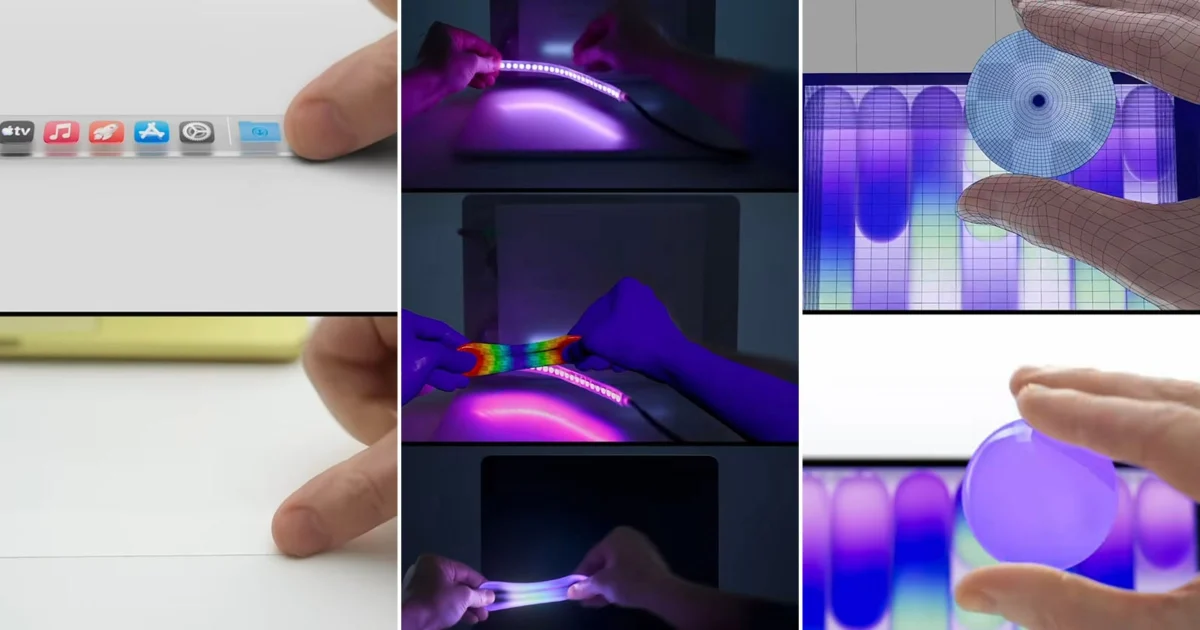
The technology landscape was significantly altered in early March 2026 when Apple introduced the MacBook Neo, a $599 entry-level laptop designed to bridge the gap between the iPad and the traditional MacBook Air. While the device’s aggressive pricing and internal specifications—notably the integration of the iPhone 16 Pro chip—captured initial headlines, a new behind-the-scenes revelation from Cupertino has shifted the focus toward the company’s creative philosophy. Apple today released an in-depth look at the production of the MacBook Neo’s launch film, revealing that the "polished" and "futuristic" aesthetic was achieved not through total reliance on computer-generated imagery (CGI), but through a meticulous combination of practical effects, stop-motion photography, and handcrafted props.
The MacBook Neo has emerged as a pivotal product in Apple’s hardware portfolio. By utilizing the A-series silicon typically reserved for its flagship smartphones, Apple has managed to offer a high-performance macOS experience at a price point that directly challenges the dominance of high-end Chromebooks and mid-range Windows laptops. This strategic shift appears to be paying dividends. Shortly after the product’s release, outgoing CEO Tim Cook characterized the launch as the company’s "best launch week ever for first-time Mac customers." The demand has been so substantial that shipping estimates for various colorways—including the popular "Electric Yellow" and "Deep Cobalt"—remain pushed back by several weeks, signaling a level of consumer interest rarely seen for a non-"Pro" device.
The Intersection of Technology and Practical Artistry
In an era where the advertising industry is increasingly turning toward generative artificial intelligence and fully digital environments to reduce costs and production timelines, Apple’s latest behind-the-scenes (BTS) featurette offers a starkly different perspective. The video, released via Apple’s official channels, provides a rare glimpse into the "handmade magic" that defines the company’s marketing identity.
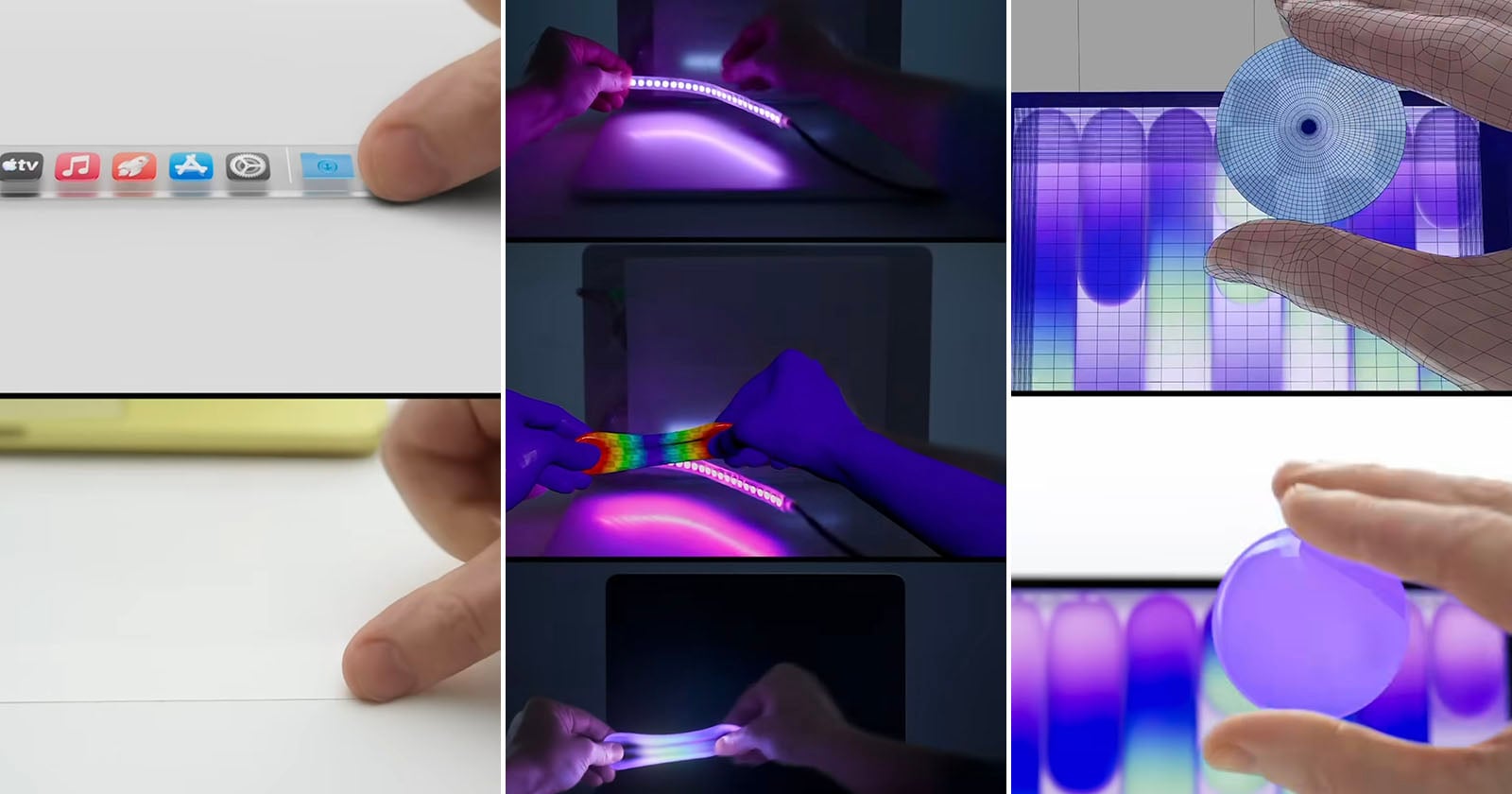
The production team for the MacBook Neo launch video opted for a "practical-first" approach. One of the most striking revelations from the BTS footage is the use of a large-scale simulated trackpad. Instead of relying on digital animation to show the haptic response and surface texture of the Neo, engineers and artists built a mechanical model that could be filmed in high resolution. This allowed for natural light reflections and physical shadows that are often difficult to replicate perfectly in a 1,200-frame-per-second CGI render.
Furthermore, the vibrant "fireworks" sequence that punctuates the middle of the advertisement was revealed to be a painstaking stop-motion project. Rather than using particle simulators, the creative team utilized physical materials, captured frame-by-frame, to create a sense of organic movement. The use of LED strip lights and miniature confetti cannons further grounded the abstract visuals in reality. According to Apple’s creative directors, the goal was to ensure the video felt "tactile and human," reflecting the accessible nature of the $599 laptop itself.
Chronology of the MacBook Neo Launch
The journey of the MacBook Neo began long before its March reveal. To understand the significance of this marketing campaign, one must look at the timeline of its development and subsequent release:
- Late 2025: Rumors began circulating regarding a "Project Neo" within Apple’s supply chain in Taiwan and Vietnam. Analysts predicted a device that would recycle the iPhone 16 Pro’s 3nm architecture to save on research and development costs.
- March 4, 2026: Apple officially unveiled the MacBook Neo via a digital keynote. The device was positioned as the "Mac for everyone," featuring a 12.5-inch Liquid Retina display and a fanless design.
- March 11, 2026: The first wave of reviews hit the internet. Critics praised the battery life—aided by the efficiency of the iPhone chip—and the $599 price point, though some noted the limitation of only two USB-C ports.
- April 20, 2026: In a surprising announcement, Apple confirmed that CEO Tim Cook would be stepping down later in the year. During this period, Cook highlighted the Neo’s success as a cornerstone of his final year, noting its role in expanding the Mac ecosystem to students and emerging markets.
- May 2026: Apple released the "Handmade Magic" BTS video, reinforcing its brand image as a company that values traditional craftsmanship even when selling cutting-edge silicon.
Supporting Data: A Market Disruptor
The success of the MacBook Neo is not merely anecdotal; it is supported by significant market data. Prior to the Neo’s release, the average selling price (ASP) of a MacBook hovered around $1,200. By introducing a $599 model, Apple has effectively halved the entry barrier for the macOS ecosystem.
Market research firms suggest that the MacBook Neo has captured a 15% share of the "back-to-school" market within its first two months of availability. Historically, this segment was dominated by the MacBook Air (often discounted to $899) or Windows-based alternatives from Dell and HP. The use of the iPhone 16 Pro chip is a masterstroke of vertical integration. By utilizing a chip already in mass production for millions of handsets, Apple achieved economies of scale that competitors using third-party silicon struggle to match.
The shipping delays also serve as a metric for success. As of late May, the base model MacBook Neo with 256GB of storage is seeing a 3-to-4 week lead time in the United States, Europe, and Japan. In contrast, the more expensive MacBook Pro models remain in stock for immediate pickup, suggesting that the "low-cost" strategy has tapped into a massive, underserved segment of the consumer base.
Official Responses and Creative Philosophy
The decision to highlight the "handmade" nature of the marketing campaign is seen by industry analysts as a calculated move to distance Apple from the controversial rise of AI-generated content. In several industry forums, Apple representatives have emphasized that while the company utilizes machine learning in its software, its creative output remains "human-centric."
A spokesperson for the creative team involved in the MacBook Neo shoot stated: "We wanted the audience to feel the texture of the device. There is a specific way light hits a physical surface that a computer cannot yet replicate with 100% soul. By building real props and using real lights, we honor the work of the industrial designers who created the Neo."
This sentiment was echoed by outgoing CEO Tim Cook in a recent social media post, where he praised the "relentless attention to detail" of both the product engineers and the marketing teams. Cook’s focus on the Neo as his "best launch for first-time customers" underscores his legacy of operational excellence and market expansion.
Broader Impact and Industry Implications
The implications of the MacBook Neo and its "handmade" marketing extend far beyond Apple’s quarterly earnings. Firstly, it signals a shift in the laptop industry’s "race to the bottom." For years, low-cost laptops were synonymous with poor build quality and lackluster displays. Apple has challenged this notion by maintaining its premium "unibody" aesthetic and high-quality screens at a $599 price point.
Secondly, the marketing approach sets a new standard for the "post-AI" creative world. As more brands use AI to generate low-cost advertisements, Apple is positioning "human-made" as the new "luxury." This mirrors the trend in the fashion and watch industries, where handmade components justify a premium brand perception. By showing the "confetti cannons" and "LED strips" behind a high-tech product launch, Apple reinforces the idea that its technology is a tool for human creativity, not a replacement for it.
Finally, the MacBook Neo’s reliance on an iPhone chip marks a significant milestone in the convergence of mobile and desktop computing. As mobile processors become powerful enough to run full desktop operating systems like macOS, the traditional distinctions between "mobile" and "PC" continue to blur. This transition allows Apple to maintain higher margins on lower-priced hardware, as they own the entire stack from the silicon to the software to the retail shelf.
As Apple prepares for a transition in leadership, the MacBook Neo stands as a testament to the "Cook Era"—a period defined by supply chain mastery, ecosystem lock-in, and an unwavering commitment to brand prestige. The "handmade magic" revealed today is a reminder that even in a world of digital abstraction, the most compelling stories are often those told with real, physical materials. For the millions of first-time Mac owners holding their new $599 laptops, that connection between the physical and the digital is exactly what makes the device feel like more than just a budget computer.

