


For bird owners, observing the sudden emergence of spiky, pale protrusions on their pet’s plumage can be a source of confusion and concern. These are pin feathers, the nascent stage of new feather growth, and their appearance signals a fundamental biological process known as molting. While a natural and essential part of avian life, molting can lead to periods of discomfort for birds and requires informed care from their human companions to ensure healthy feather development and overall well-being. This guide delves into the intricacies of pin feathers, distinguishing normal growth from concerning symptoms, and outlines best practices for supportive care.
The Biological Imperative of Molting: A Background Context
Molting is the periodic process by which birds shed old, worn, or damaged feathers and replace them with new ones. This cyclical event is vital for maintaining optimal flight efficiency, insulation, waterproofing, and reproductive display. Feathers are complex structures made primarily of keratin, and while remarkably durable, they are subject to daily wear and tear from environmental factors, preening, and physical activity. Unlike hair, feathers cannot be repaired once damaged, necessitating a complete replacement.
The frequency and intensity of molts vary significantly among species, influenced by factors such as age, season, diet, hormone levels, and environmental conditions (e.g., photoperiod, temperature). Most birds undergo at least one complete molt annually, often after the breeding season, though partial molts can occur more frequently. During a molt, the bird’s body prioritizes feather growth, which is an energetically demanding process. This physiological commitment explains why birds might appear more subdued or irritable during these times.
Understanding Pin Feathers: The Spiky Reality of New Growth
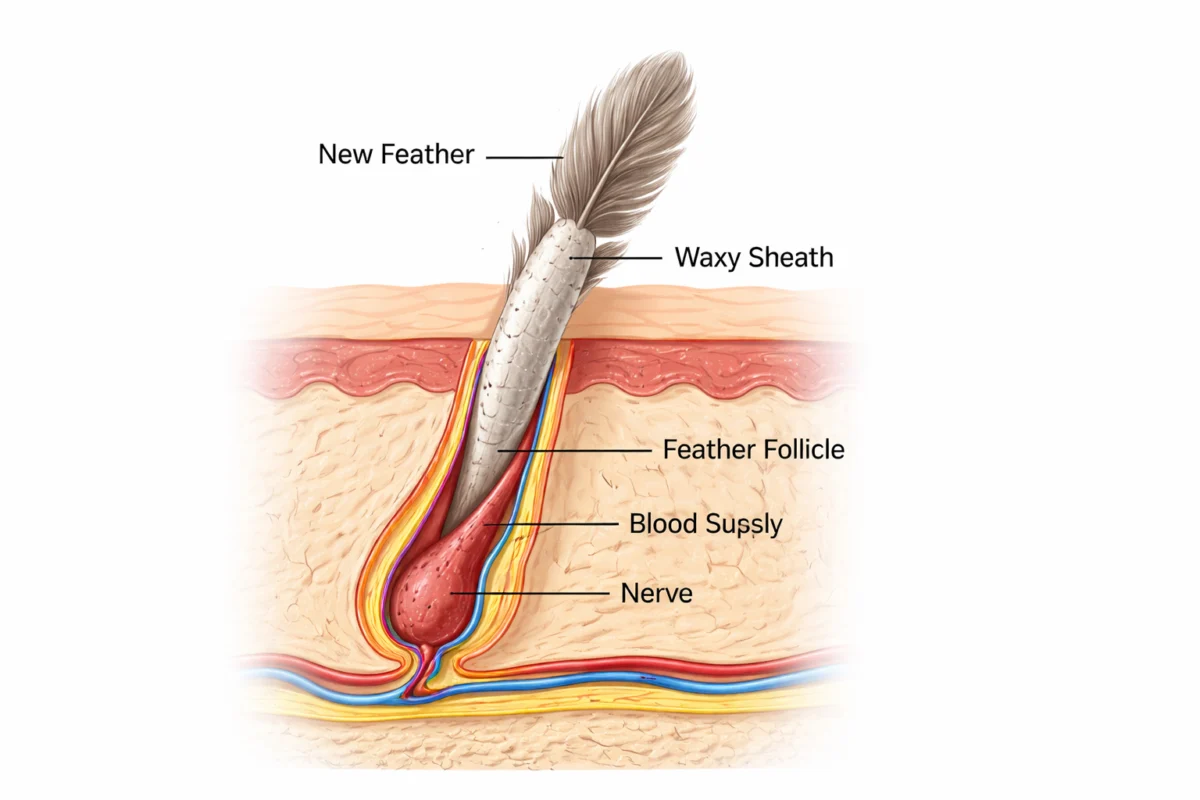
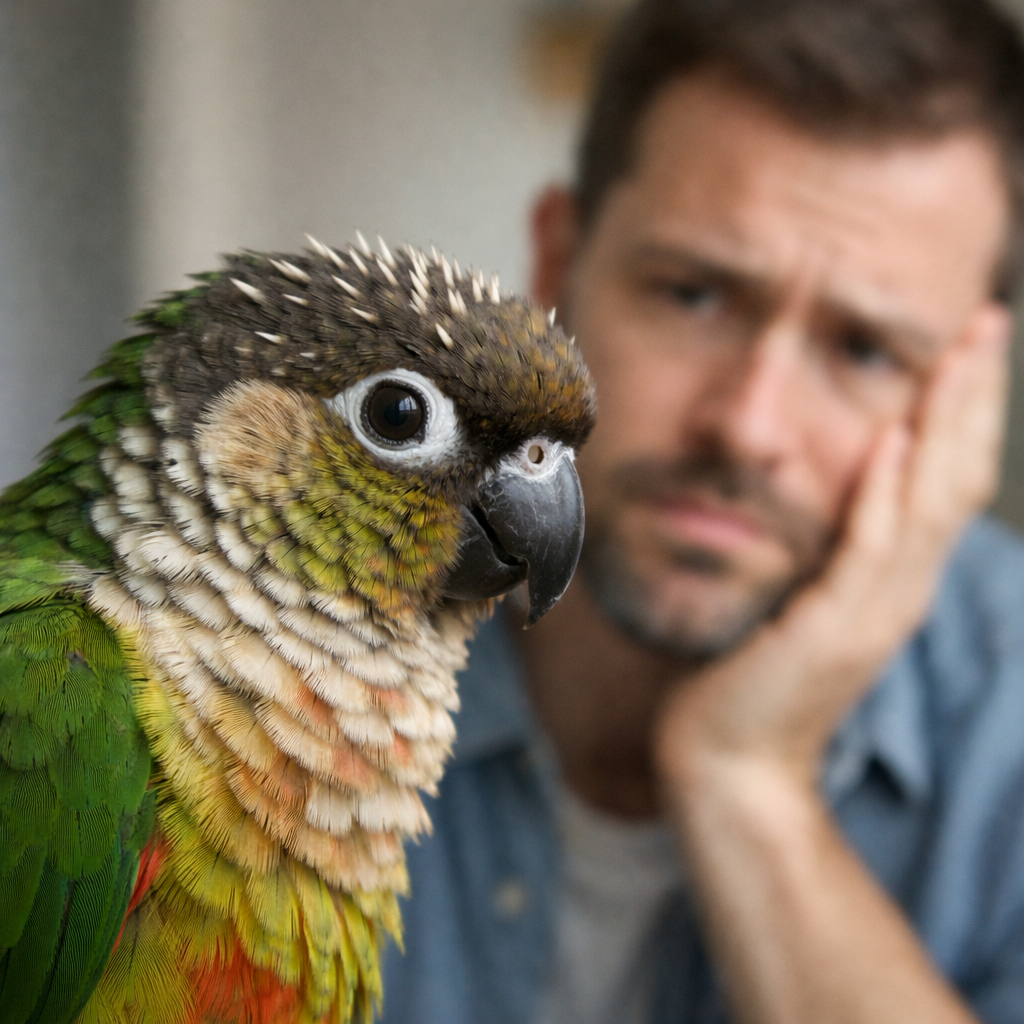
Pin feathers are, quite simply, new feathers emerging from the skin. Each developing feather is encased in a protective sheath made of keratin, the same protein that forms the feather itself. This sheath safeguards the delicate, forming feather structure beneath as it pushes through the epidermal layer. Visually, these sheathed feathers resemble pale, whitish, or sometimes grayish spikes, most notably on areas like the head and neck where the bird cannot easily preen them.
It is common for pin feathers to appear in clusters rather than individually. This synchronized emergence is due to the body activating groups of feather follicles simultaneously within specific regions. The follicles, which are the skin organs responsible for feather production, prepare beneath the skin before the new growth becomes visible. When numerous feathers commence growth concurrently, the skin can feel "busy" or irritated, even when the molting process is proceeding entirely normally. Bird owners often describe their pet’s appearance as "spiky" or "unkempt" during a heavy molt, which is a normal visual manifestation of this intense period of feather regeneration.
The Chronology of Pin Feather Development: From Tender Sprout to Full Plume
The journey of a pin feather from a subcutaneous bud to a fully unfurled feather involves several distinct stages, each with its own tactile and behavioral characteristics. Understanding this progression helps owners provide appropriate support and identify potential issues.
-
Early Growth Phase: The Tender Sprout (Sensitivity)
In its initial stages, a pin feather is actively growing and is supplied with blood through a small artery and vein at its base, within the feather follicle. This vascular connection makes the developing feather and the surrounding skin exquisitely sensitive. At this point, touching, squeezing, or attempting to "help" open these tender pins can cause discomfort or even pain to the bird. Owners might observe their bird guarding these areas, showing reluctance to be petted, or reacting with a sharp flinch if inadvertently touched. During this phase, direct manipulation of pin feathers should be strictly avoided. -
The Itchy Phase: The Drying Sheath (Irritation)
As the feather matures within its keratin sheath, the blood supply gradually recedes, and the sheath begins to dry and become brittle. This drying and breakdown process often leads to significant itchiness. This is the stage most commonly noticed by bird owners, characterized by an increase in preening, scratching, and rubbing behaviors. Birds may intensely scratch their heads against perches, rub their bodies on cage bars, or engage in vigorous preening of accessible areas. This heightened activity, while appearing behavioral, is primarily a physical response to the irritation caused by the drying sheaths. Providing avenues for relief, such as regular bathing, becomes particularly beneficial during this phase. -
The Release Phase: The Unfurling Feather (Relief)
Once the pin feather is fully mature and the keratin sheath has completely dried, it becomes brittle and flakes away. This allows the new feather to unfurl and settle into its proper position. Fine, white, dust-like flakes are a common sight on the bird’s feathers, cage bottom, or surrounding surfaces during this stage, consisting of the shed keratin. As the sheaths open and the feathers emerge, the bird’s comfort typically improves, and the intense itching subsides. The bird’s natural preening helps to remove the remaining sheath fragments, polishing and aligning the new feathers.
Pin Feathers vs. Blood Feathers: A Crucial Distinction for Safety
While all pin feathers are "blood feathers" in their earliest, vascularized stage, the term "blood feather" is typically reserved for larger, actively growing feathers that retain a significant blood supply. These are most commonly found in the wings and tail, areas where feathers are thicker, longer, and take an extended period to complete their growth.
Why this distinction matters: The larger the feather, the more substantial its blood supply. If a blood feather (especially a large one) breaks or is otherwise damaged while still growing, it can lead to significant and potentially dangerous bleeding. In smaller birds, uncontrolled bleeding from a broken blood feather can rapidly lead to anemia or shock, becoming a life-threatening emergency if not addressed promptly.
Emergency Protocol for a Broken Blood Feather:
Should a blood feather break, immediate action is crucial:
- Apply Steady Pressure: Use a clean cloth or gauze to apply gentle, but firm, continuous pressure directly to the bleeding site for several minutes.
- Utilize a Clotting Agent: If bleeding persists, apply a bird-safe clotting agent (e.g., styptic powder, cornstarch, or flour) directly to the tip of the broken feather. Ensure the powder adheres to the bleeding vessel.
- Monitor Closely: Once bleeding appears to stop, continue to monitor the bird for at least 30-60 minutes. Reapply the clotting agent if minor bleeding restarts.
- Seek Veterinary Care: If bleeding continues heavily for more than 10-15 minutes, if the bird appears weak or distressed, or if you are unsure how to control the bleeding, contact an avian or exotics veterinarian immediately.
Crucial Warning: Under no circumstances should an owner attempt to pull a blood feather. Feather removal is extremely painful, can cause further damage to the follicle, and may worsen bleeding. Blood feathers should only be removed by a qualified avian veterinarian or a trained veterinary professional who can do so safely and sterilely, often under anesthesia.
Optimal Care Strategies for Molting Birds: Supporting Comfort and Growth
The primary goal during a molt is to alleviate skin irritation, prevent excessive or fixated scratching that could lead to self-mutilation, and protect the newly emerging feathers.
1. Environmental Support: Humidity and Bathing
- Increased Humidity: Humidity plays a pivotal role in softening the keratin sheaths of pin feathers, making them less brittle and easier for the bird to remove through preening. Indoor environments, especially those with central heating or air conditioning, can be excessively dry for birds. Owners can increase ambient humidity by:
- Misting: Gently misting the bird with plain, lukewarm water daily using a clean spray bottle.
- Humidifiers: Placing a room humidifier near the bird’s cage (ensure it is clean and produces cool mist).
- Steamy Bathrooms: Allowing the bird to sit in a carrier or on a perch in a steamy bathroom for 10-15 minutes.
- Regular Bathing: Offering regular opportunities for bathing is crucial. This helps to clean the feathers, remove dander and loose sheath fragments, and most importantly, moisten the keratin sheaths, easing their shedding. Birds have individual preferences for bathing—some enjoy misting, others prefer a shallow dish of water, while some might like to shower with their owners. Consistency is key to providing relief.
2. Nutritional Enhancement: Fueling Feather Growth
Feather production is metabolically intensive, requiring a significant input of protein, vitamins, and minerals. A high-quality, balanced diet is paramount during molting.
- Protein: Ensure adequate protein intake from sources like high-quality pellets, cooked legumes, and small amounts of lean cooked meat or eggs.
- Essential Fatty Acids (Omegas): Omega-3 and omega-6 fatty acids are crucial for skin health and the structural integrity of feathers. These can be supplemented through flaxseed oil, chia seeds, or specialized avian supplements.
- Vitamins A and E: Vitamin A is vital for healthy epithelial tissue (skin and mucous membranes) and feather follicle function. Vitamin E is a powerful antioxidant that supports skin health. Fresh fruits and vegetables rich in these vitamins (e.g., carrots, sweet potatoes, dark leafy greens, mango) should be offered generously.
- Avoid Seed-Only Diets: As highlighted by avian experts, seed-only diets are notoriously deficient in essential nutrients, particularly Vitamin A, calcium, and amino acids crucial for feather growth. Relying solely on seeds during a molt can exacerbate discomfort, prolong the process, and lead to poor feather quality. A pelleted diet supplemented with fresh produce is generally recommended.
3. Gentle Interaction and Assisted Preening (With Caution)
Most birds manage their pin feathers independently through natural preening behaviors. However, in some cases, especially for head and neck feathers which are inaccessible to the bird, owners may consider offering gentle assistance.
- When Assistance May Be Appropriate:
- Trust and Comfort: Only attempt assistance with a bird that is comfortable with handling and shows no signs of stress.
- Fully Dried Sheaths: Assistance should only be offered when the pin feather sheaths are completely dry, brittle, and flaky. They should crumble easily between your fingers without resistance or causing the bird pain.
- Accessible Areas: Focus on areas the bird cannot reach, such as the crown of the head or the nape of the neck.
- How to Assist (if appropriate): Gently roll the dried sheath between your thumb and forefinger. Do not pull, squeeze, or force the sheath. If there is any resistance or the bird shows discomfort, stop immediately.
- When NOT to Help:
- If the pin feathers are still dark at the base (indicating a blood supply).
- If the bird shows any sign of discomfort, fear, or aggression.
- If the sheaths are not easily flaking off.
- Many experienced owners choose not to help at all, relying solely on environmental support and the bird’s natural abilities.
4. Enrichment and Stress Reduction:
A molting bird, especially one experiencing discomfort, can be more prone to stress. Providing environmental enrichment, such as new toys, foraging opportunities, and safe chewing items, can help distract the bird and prevent it from fixating on its discomfort, potentially reducing the risk of developing plucking behaviors. Maintaining a calm and predictable routine also contributes to overall well-being.
When Pin Feather Discomfort Becomes a Medical Concern: Recognizing Warning Signs
While irritation during molting is normal, certain signs indicate that the discomfort has escalated beyond routine and warrants professional avian veterinary attention. Normal pin feather irritation gradually improves as sheaths open and feathers unfurl.
Owners should consult an avian veterinarian if they observe:
- Open Skin or Active Bleeding: Any signs of skin trauma, raw areas, or persistent bleeding (beyond a minor, quickly resolved incident).
- Rapidly Expanding Bald Areas: Unusual or growing patches of feather loss that are not consistent with typical molting patterns.
- Obvious Feather Destruction: Chewing, plucking, or damaging new or existing feathers, indicating potential underlying issues.
- Signs of Illness: Weakness, lethargy, loss of appetite, changes in droppings, puffed-up appearance, or any other general signs of illness that suggest a systemic problem.
- Persistent or Escalating Itchiness: If the bird’s scratching or preening becomes obsessive, self-injurious, or does not improve over time.
- Fixation on Specific Areas: An unusual focus on plucking or mutilating a particular body part.
- Abnormal Feather Appearance: New feathers growing in with deformities, stress bars, or unusual coloration.
These symptoms could indicate a range of issues from nutritional deficiencies, chronic stress, environmental toxins, parasites, bacterial or fungal infections, to more serious underlying diseases. Early veterinary intervention is crucial for accurate diagnosis and effective treatment.
Expert Perspectives and Broader Implications
Avian veterinary professionals and bird behaviorists consistently emphasize the importance of owner education regarding normal avian physiology. Diane Burroughs, LCSW, a licensed psychotherapist and avian behavior expert, highlights that persistent irritation without relief can contribute to behavioral fixations, potentially escalating into chronic feather plucking. Her work with UnRuffledRx, a line of science-backed parrot wellness products, underscores the growing recognition of targeted nutritional support (like Vitamin A, Vitamin E, and omega fatty acids) for skin and feather health. Such interventions not only aid current molts but also lay the groundwork for healthier feather growth cycles in the future.
The implications for bird welfare are significant. A poorly managed molt can lead to chronic discomfort, stress, and even serious health problems. Owners who understand the molting process, recognize the stages of pin feather development, and proactively provide appropriate supportive care can significantly enhance their bird’s quality of life. Conversely, a lack of awareness can lead to unnecessary suffering, costly veterinary interventions, and potentially irreversible behavioral issues like feather plucking, which is notoriously difficult to resolve.
Ongoing research in avian physiology continues to deepen our understanding of feather growth, regeneration, and the complex interplay of genetics, nutrition, and environment. Studies on molecular signaling and nutritional regulation, as referenced in contemporary avian science, continue to inform best practices for captive bird care, ensuring that domestic birds receive the most up-to-date and effective support during this critical biological process.
In conclusion, molting is a testament to the remarkable regenerative capabilities of birds, and pin feathers are a natural, albeit sometimes uncomfortable, part of this cycle. By equipping themselves with knowledge, providing optimal environmental and nutritional support, and recognizing when professional intervention is necessary, bird owners can ensure their feathered companions navigate the molting process with comfort, emerging with a healthy, vibrant, and functional plumage.

