


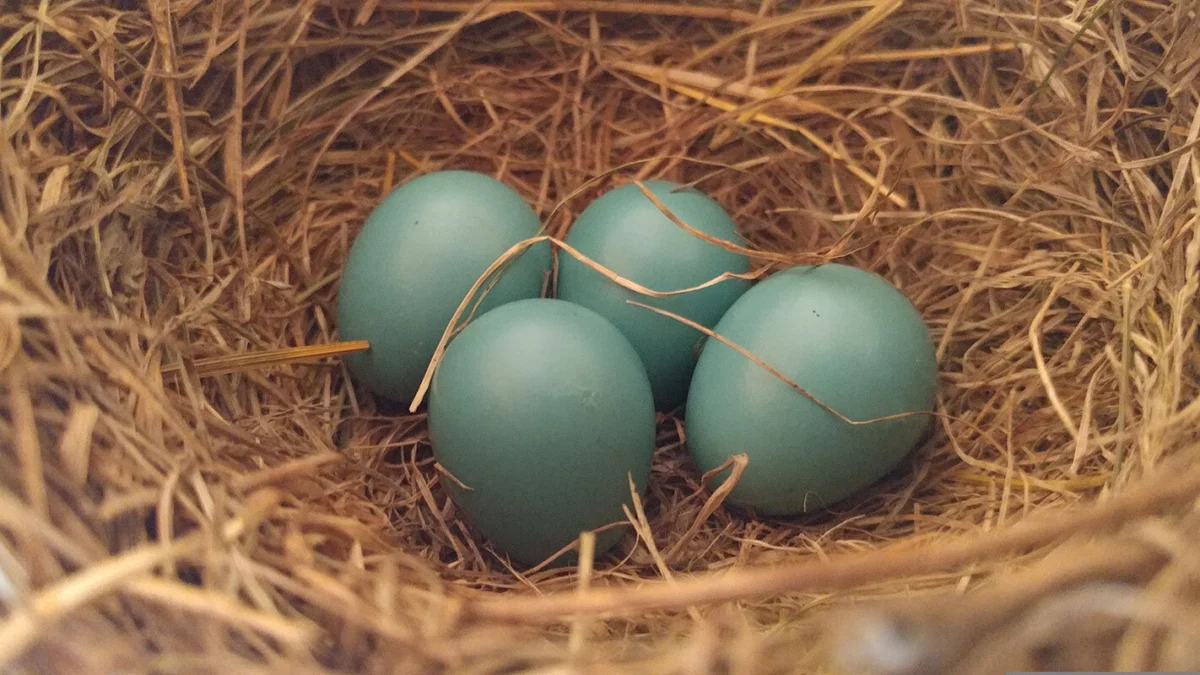
Every spring, a whimsical narrative takes hold across countless cultures: the notion of rabbits meticulously concealing vibrantly colored eggs for children to discover. This endearing tradition, while a cornerstone of seasonal festivities, starkly contrasts with biological reality. Rabbits, as mammals, do not lay eggs. Instead, the true maestros of ovoid artistry are birds, who have perfected the production of eggs in an astonishing array of colors, patterns, shapes, and sizes over millions of years of evolution. Their creations are not mere decorative objects but functional masterpieces, intricately designed for survival and propagation.
The Evolutionary Artistry of Avian Eggs
The sheer diversity of bird eggs is a testament to natural selection’s creative power. From the iridescent blues of an American Robin’s clutch to the speckled browns of a quail’s, or the pure matte white of a parrot’s eggs, each hue and pattern serves a specific biological purpose. The pigments responsible for this vibrant palette are primarily protoporphyrins, which create reds, browns, and speckles, and biliverdin, which produces blues and greens. These pigments are deposited in the eggshell during its formation within the female bird’s oviduct, with the concentration and timing of deposition determining the final appearance.
For instance, the iconic "robin’s egg blue" is a result of biliverdin, a pigment thought to signal the female’s health and vitality. A vibrant blue egg might indicate a healthier female, capable of producing high-quality offspring, a signal that can influence male parental investment. Conversely, the plain white eggs characteristic of many cavity-nesting birds, such as woodpeckers or parrots, suggest that camouflage is less critical when eggs are hidden from view. The absence of pigmentation saves metabolic energy for the female, a subtle but significant evolutionary advantage.
Beyond simple camouflage, egg coloration serves multiple ecological functions. Speckled or mottled patterns help eggs blend seamlessly into their surroundings, mimicking the texture of bark, leaves, or stony ground, thus offering protection from visually hunting predators. Some research even suggests that certain pigments, particularly protoporphyrins, can strengthen the eggshell, acting as a natural sunscreen against harmful ultraviolet radiation or providing antimicrobial properties, crucial in warm, humid nesting environments. The variation is immense; while Birdfly.com highlights at least 26 species laying blue eggs, a deeper dive into ornithological databases reveals thousands of unique egg phenotypes, each a story of adaptation.
Form Follows Function: The Science of Egg Shapes and Sizes
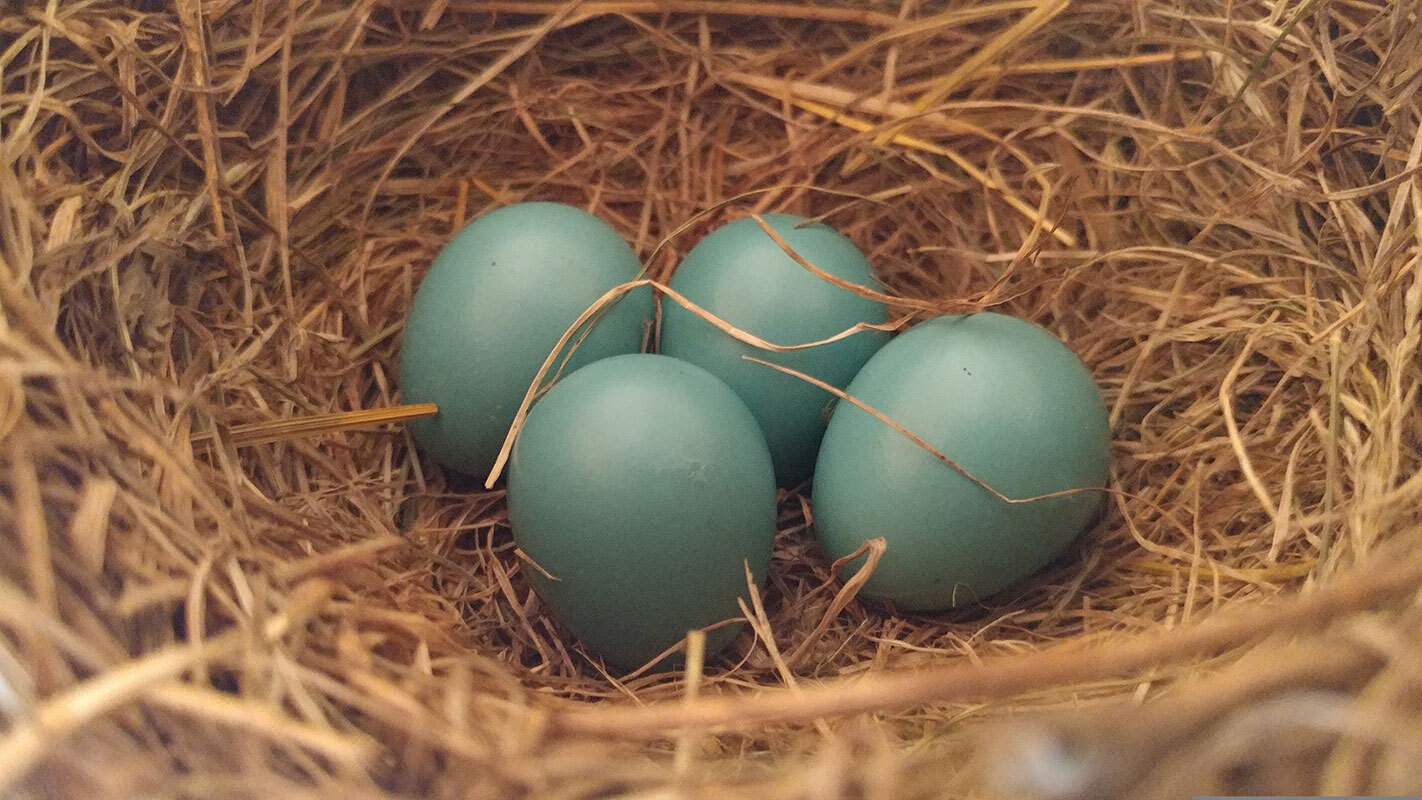
The beauty of bird eggs extends beyond color to their remarkable diversity in shape and size, each optimized for specific ecological pressures. From the nearly spherical eggs of owls to the highly pointed, pyriform (pear-shaped) eggs of murres and guillemots, and the elongated elliptical eggs of swifts, avian egg morphology is a fascinating field of study.
A groundbreaking study published in Science and later detailed in Harvard Magazine shed light on the biomechanical principles dictating egg shape. This research, analyzing the eggs of nearly 50,000 birds from over 1,400 species, proposed a compelling link between egg shape and flight capability. Stronger fliers, often those that undertake long migratory journeys or are highly aerial, tend to lay more elliptical or asymmetrical eggs. This is hypothesized to be an adaptation that allows for a larger egg volume relative to the female’s body size without compromising her streamlined body shape or flight efficiency. An elliptical egg can pack more embryonic material while passing through a narrower pelvis. Weaker fliers, conversely, tend to produce rounder eggs.
The study also elucidated the biophysical model of egg formation, suggesting that the interplay between the eggshell membrane and varying pressures within the oviduct during calcification is critical in shaping the egg. The shell membrane, which forms first, provides the initial template, and then the differential pressures applied as the egg moves through the oviduct progressively sculpt its final form. This intricate process ensures the perfect balance of strength and permeability.
Egg size is another critical adaptation. The smallest bird egg belongs to the Bee Hummingbird, measuring mere millimeters, while the largest living bird egg is laid by the Ostrich, weighing over three pounds and equivalent to about two dozen chicken eggs. The size of an egg is primarily dictated by the bird’s body size, clutch size, and the developmental stage of the chick at hatching (altricial vs. precocial). Precocial chicks, like those of chickens or ducks, hatch well-developed and mobile, requiring larger eggs with more yolk for extended embryonic development. Altricial chicks, like those of songbirds, hatch helpless and naked, relying heavily on parental feeding, thus allowing for smaller eggs with less yolk.
Climatic Adaptations: Darker Hues for Colder Climes
Further enhancing the functional brilliance of bird eggs is their often-overlooked role in thermoregulation. Research highlighted in Science News indicates a significant correlation between colder climates and darker egg pigmentation. Birds nesting in colder regions frequently produce eggs with higher concentrations of melanin, resulting in darker shells. This evolutionary strategy is believed to enhance thermal absorption from sunlight, effectively warming the embryos within and improving their survival rates in low-temperature conditions.
Melanin, being a dark pigment, is highly efficient at absorbing solar radiation. In environments where ambient temperatures are low, and solar exposure is available, darker eggs can absorb more heat, reducing the energy expenditure required by the parent bird for incubation. This subtle but crucial adaptation can mean the difference between life and death for developing embryos in challenging environments, especially in species where incubation duties might be shared or interrupted. This discovery underscores how every aspect of an egg, from its color to its shape, is a finely tuned product of its environment and evolutionary history.
Tracing the Tracks of the Osterhase: A Chronology of the Easter Bunny Myth
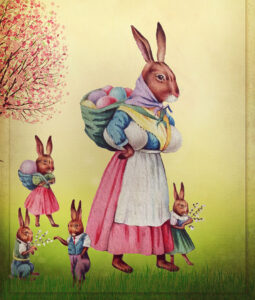
While birds have been perfecting their egg-laying craft for millennia, the popular association of eggs with rabbits is a relatively recent, albeit charming, cultural invention. The lore of the egg-laying rabbit, or "Easter Bunny," has its roots not in biology but in ancient pagan traditions and later, German folklore, subsequently migrating across the Atlantic to become a global phenomenon.
The origins of the Easter Bunny can be traced back to pre-Christian spring festivals celebrating fertility and new life. In ancient Germanic cultures, the goddess Eostre (or Ostara), associated with spring, dawn, and fertility, was honored. Hares and rabbits, known for their prolific breeding capabilities, were potent symbols of fertility and regeneration in these pagan rites. Their rapid reproduction made them natural emblems for the burgeoning life of spring after the barrenness of winter.
The specific narrative of an egg-laying hare, known as the "Osterhase" (Easter Hare), began to solidify in German Lutheran traditions during the 17th century. The earliest known written account dates to 1682, in a text titled De ovis paschalibus ("About Easter Eggs") by Georg Franck von Franckenau, a German professor of medicine. Franck von Franckenau described the "Osterhase" as a folkloric judge who would bring colored eggs to well-behaved children, often hiding them in gardens. This tradition was intertwined with the Christian celebration of Easter, which also marked a time of rebirth and resurrection.
As German immigrants began to settle in America, particularly in Pennsylvania during the 18th century, they brought their cherished customs with them. The "Osterhase" legend slowly took root in the new world, initially among the Pennsylvania Dutch communities. Over time, the German "Osterhase" evolved into the American "Easter Bunny," and the tradition of colored eggs, egg hunts, and sweet treats became more widespread. The 19th and 20th centuries saw the commercialization of Easter, with the proliferation of chocolate bunnies, marshmallow chicks, and decorative eggs, firmly cementing the Easter Bunny’s place in popular culture as a benevolent bringer of springtime joy, albeit one with a biologically impossible talent.
Nesting Strategies: A Shared Instinct, Divergent Approaches
One commonality that birds and rabbits do share, despite their vastly different reproductive strategies, is the instinct to build nests. However, their approaches to nest construction, location, and parental care diverge significantly, reflecting their unique evolutionary paths.
Birds exhibit an extraordinary range of nesting behaviors. Nests can be simple scrapes on the ground (like those of shorebirds), elaborate cup-shaped structures woven from twigs, mud, and spider silk (typical of many songbirds), pendulous sacs hanging from branches (like oriole nests), or cavities excavated in trees or cliffs (like woodpeckers or puffins). The construction materials are diverse, ranging from sticks and leaves to moss, lichen, feathers, and even human-made debris. The primary purpose of a bird’s nest is to provide a safe, insulated environment for eggs and young, protecting them from predators and the elements. Parental birds, typically the female but often both, engage in dedicated incubation, sitting on the eggs to maintain a consistent temperature crucial for embryonic development. After hatching, chicks are meticulously fed and brooded until they fledge.
Rabbit nests, by contrast, are far less elaborate and typically ground-based. A mother rabbit (doe) prepares a shallow depression, often in a field, under a bush, or even in a homeowner’s lawn. This simple "form" is then meticulously lined with soft fur that the doe pulls from her own chest and belly, creating a warm, insulated bed for her kits (baby rabbits). She then camouflages the nest by covering it with dried grasses, leaves, or other natural debris, making it incredibly difficult for predators to spot. Unlike many bird species, a mother rabbit does not "sit" on her nest for extended periods. To avoid drawing attention to her vulnerable young, she visits the nest only once or twice a day, usually at dawn and dusk, for brief feeding sessions. This stealthy approach minimizes the risk of predators discovering the nest, relying instead on camouflage and the kits’ rapid development.
Beyond Folklore: Broader Implications and Educational Value
The stark contrast between the folklore of the Easter Bunny and the biological reality of avian egg-laying offers a rich opportunity for both scientific appreciation and cultural understanding. From a scientific perspective, the study of bird eggs provides invaluable insights into evolutionary biology, reproductive strategies, and environmental adaptations. Ornithological institutions worldwide, such as the Cornell Lab of Ornithology, consistently highlight the ecological significance and aesthetic wonder of avian eggs, underscoring their role in biodiversity and ecosystem health. Understanding these biological marvels is crucial for conservation efforts, particularly as climate change and habitat loss threaten bird populations globally.
Culturally, the Easter Bunny myth serves as a fascinating example of how ancient pagan traditions celebrating natural cycles can blend with religious observances and evolve into modern secular customs. It speaks to humanity’s enduring fascination with fertility, rebirth, and the changing seasons, interpreted through imaginative storytelling.
Ultimately, the dichotomy between the charming fiction of the Easter Bunny and the profound biological truth of bird eggs enriches our appreciation for both. It allows us to revel in the whimsy of tradition while simultaneously marveling at the intricate, often unseen, wonders of the natural world. By understanding the scientific brilliance behind every speckled shell and the historical tapestry woven into every holiday tale, we gain a deeper, more nuanced perspective on the world around us.

