


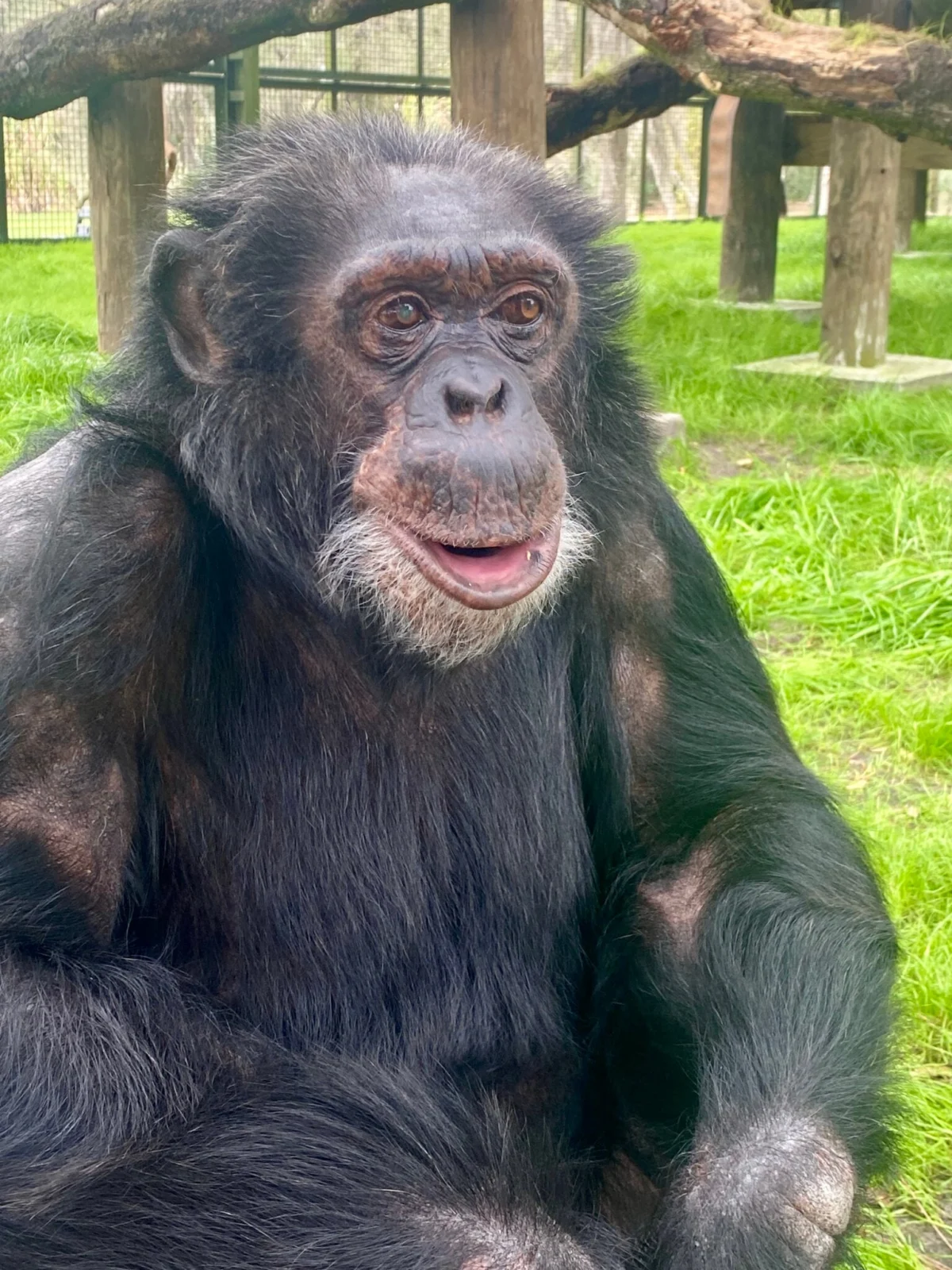
The upcoming release of the highly anticipated Michael Jackson biopic, titled Michael, has sparked significant discussion within both the entertainment industry and the animal rights community. As the film prepares to depict the complex life of the "King of Pop," a key focus has emerged regarding the portrayal of Bubbles, the chimpanzee who became a global fixture of Jackson’s public persona during the 1980s. In a move that signals a continuing shift in Hollywood’s production standards, Lionsgate and the film’s production team have confirmed that no live primates were used during filming. Instead, Bubbles has been brought to life through advanced computer-generated imagery (CGI), a decision that has garnered formal praise from People for the Ethical Treatment of Animals (PETA) and highlighted the ongoing advocacy against the private ownership of exotic animals.
The decision to use CGI reflects a modern understanding of the psychological and physical needs of great apes, acknowledging that the historical depiction of primates as domestic companions often masked a darker reality of the exotic animal trade. By utilizing digital technology, the production team aims to maintain historical accuracy regarding Jackson’s life in Encino and at Neverland Ranch without contributing to the demand for live animal performers. This approach aligns with a broader industry trend where major studios increasingly opt for digital doubles to avoid the ethical complications associated with training wild animals for the screen.
A History of Bubbles and the Iconography of the 1980s
To understand the significance of the CGI portrayal, it is necessary to examine the historical context of Bubbles’ life with Michael Jackson. Bubbles was born in 1983 in a research facility in Austin, Texas. He was reportedly acquired by Jackson in the mid-1980s, quickly becoming one of the most famous non-human celebrities in the world. During the peak of Jackson’s Bad World Tour and the surrounding era, Bubbles was frequently photographed wearing matching outfits with the singer, sleeping in a crib, and performing the "moonwalk."
To the public of the 1980s, Bubbles was often viewed as a pampered companion, a symbol of Jackson’s eccentric and childlike public image. However, primatologists and animal welfare advocates have long noted that this lifestyle was inherently unsuitable for a chimpanzee. Chimpanzees are highly social, intelligent animals that require the company of their own species and vast, complex environments to thrive. In a domestic setting, even one as affluent as Jackson’s, these needs are impossible to meet.
By the time Bubbles reached adolescence in the early 2000s, he had grown too large and strong to be handled safely in a domestic environment—a common trajectory for "pet" primates. In 2005, Bubbles was moved to the Center for Great Apes in Wauchula, Florida, a sanctuary specifically designed to provide a permanent home for chimpanzees and orangutans retired from the entertainment industry or the pet trade. Now 43 years old, Bubbles has spent more than two decades at the sanctuary, where he reportedly lives a peaceful life within a social group of other chimpanzees.
The Technical Shift: From Live Actors to Digital Doubles
The use of CGI in Michael represents the culmination of decades of technological advancement in the film industry. Historically, Hollywood relied on animal trainers who often used "dominance-based" techniques to ensure primates performed on cue. High-profile films such as the recent Planet of the Apes reboot trilogy and Disney’s live-action Lion King have demonstrated that digital artistry can now achieve a level of realism that makes the use of live animals obsolete.
In the case of Michael, the CGI Bubbles allows the filmmakers to depict the chimpanzee’s interactions with Jaafar Jackson (who portrays his uncle, Michael Jackson) with a level of nuance and safety that would be impossible with a live animal. This technological choice also serves a narrative purpose. The film reportedly includes dialogue that addresses the inappropriateness of keeping a chimpanzee in a suburban home, with one character explicitly questioning the wisdom of keeping a wild animal in Encino. This self-reflective approach allows the biopic to remain grounded in historical fact while simultaneously providing a modern critique of the events it depicts.
The Reality of the Exotic Primate Trade
The move by Lionsgate comes at a time of increased scrutiny regarding the private ownership of primates in the United States. According to data from various animal welfare organizations, thousands of primates are currently kept as pets in the U.S., despite the fact that they are ill-suited for domestic life.
Studies have shown that the media’s portrayal of primates in human environments—such as wearing clothes, sitting at tables, or performing "human" tasks—significantly increases the public’s desire to own them. This phenomenon, often referred to as the "Finding Nemo" effect (which led to a surge in demand for clownfish), has historically resulted in a boom for the exotic animal trade whenever a primate becomes a popular media figure.
The exotic animal trade is a multi-billion-dollar industry fraught with ethical concerns. To provide infants for the pet trade, dealers often remove babies from their mothers at a very young age, causing profound psychological trauma for both the mother and the offspring. In the wild, chimpanzees remain with their mothers for up to seven to ten years, learning the social nuances of their troop. In the pet trade, this developmental period is replaced by human interaction, which leaves the animals unable to integrate into chimpanzee society later in life.
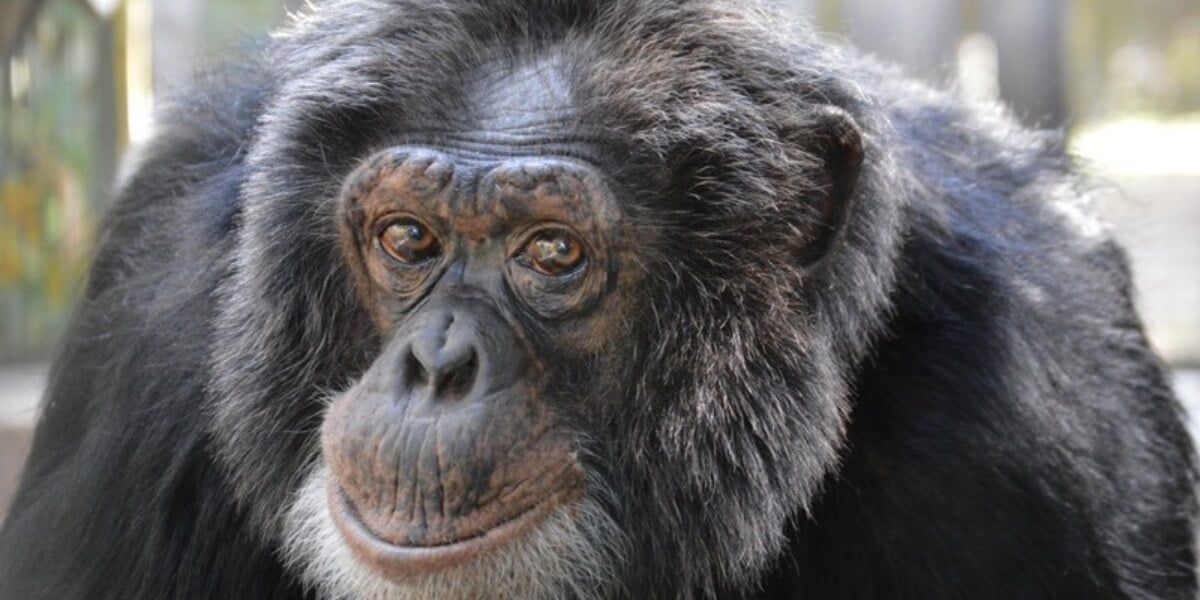
Furthermore, as primates reach sexual maturity, they become incredibly strong and unpredictable. An adult male chimpanzee is estimated to be five to seven times stronger than a human male. When "pet" owners realize they can no longer control the animal, many primates are relegated to small cages, sold to roadside zoos, or, in the best-case scenarios, surrendered to sanctuaries that are already at or near capacity.
Official Responses and Collaborative Dialogue
Lionsgate has maintained an open line of communication with PETA throughout the production of Michael. In an exclusive statement provided to the organization, the studio emphasized that the portrayal of Bubbles was a matter of historical record rather than an endorsement of the practice of keeping exotic pets.
"We have had continuing constructive dialogue with PETA about the portrayal of Bubbles the chimpanzee as a pet," the statement from Lionsgate read. "This portrayal is simply based on historical fact and is not intended to be an endorsement of keeping chimpanzees as pets. Bubbles is portrayed in the movie using CGI technology, and the real Bubbles has been living a peaceful life at the Center for Great Apes sanctuary for more than 20 years."
PETA, which has long campaigned against the use of great apes in film and television, has lauded the production’s commitment to humane filmmaking. The organization noted that the decision by Lionsgate sets a high bar for future biopics and historical dramas that involve animals with complicated legacies. By choosing CGI, the production avoids the "blood money" associated with the exotic animal trade and ensures that no new animals were bred or exploited for the sake of the film.
Broader Implications for the Entertainment Industry
The decision to use CGI for Bubbles is part of a larger trend that is reshaping how Hollywood handles animal-centric content. In recent years, the industry has seen a significant decline in the use of live primates, driven by both ethical concerns and the increasing cost-effectiveness of digital effects. Organizations like the American Humane Association (AHA) and PETA have worked to update industry guidelines, though PETA often argues for stricter bans than those currently in place.
The legislative landscape is also shifting. The Captive Primate Safety Act, which has been introduced in various forms in the U.S. Congress, seeks to prohibit the interstate commerce of primates for the pet trade. Advocates argue that high-profile examples of responsible filmmaking, such as the Michael biopic, provide essential cultural support for such legislation by educating the public on why these animals do not belong in human homes.
Furthermore, the "sanctuary movement" has gained traction as more retired animal actors and former pets require specialized care. Facilities like the Center for Great Apes rely heavily on private donations and grants to provide the lifelong care required for chimpanzees, who can live into their 50s or 60s. The publicity surrounding Bubbles’ portrayal in the film provides an opportunity to direct public attention toward the financial and logistical challenges faced by these accredited sanctuaries.
Analysis: The Intersection of History and Ethics
The production of Michael faces the difficult task of balancing the celebration of a musical legacy with the scrutiny of a highly controversial personal life. The inclusion of Bubbles is a necessary component of that history, but it presented a potential PR minefield regarding animal rights. By proactively choosing CGI and engaging with advocacy groups, Lionsgate has successfully navigated a sensitive cultural issue.
This case serves as a template for how the film industry can handle historical depictions of animal exploitation. Rather than erasing the animal from the story—which would be historically inaccurate—the production uses technology to tell the story truthfully while adhering to modern ethical standards. This approach acknowledges that while we cannot change the past, we can change how we represent it and ensure that current practices do not repeat the mistakes of previous decades.
As the film moves toward its global release, the focus on Bubbles’ digital recreation serves as a reminder of the power of media to influence public perception. The inclusion of a cautionary message within the film itself suggests that the filmmakers are aware of their responsibility to not only entertain but also to inform. By highlighting that primates are wild animals with complex needs, Michael may contribute to a future where the concept of a "pet" chimpanzee is viewed as a relic of a less informed era.
In conclusion, the use of CGI to depict Bubbles the chimpanzee in the Michael Jackson biopic represents a significant milestone in humane filmmaking. It honors the historical reality of Jackson’s life while taking a firm stand against the exploitation of primates. As Bubbles continues his retirement at the Center for Great Apes, his digital counterpart will serve as a testament to the progress of technology and the evolving conscience of the global entertainment industry.

