


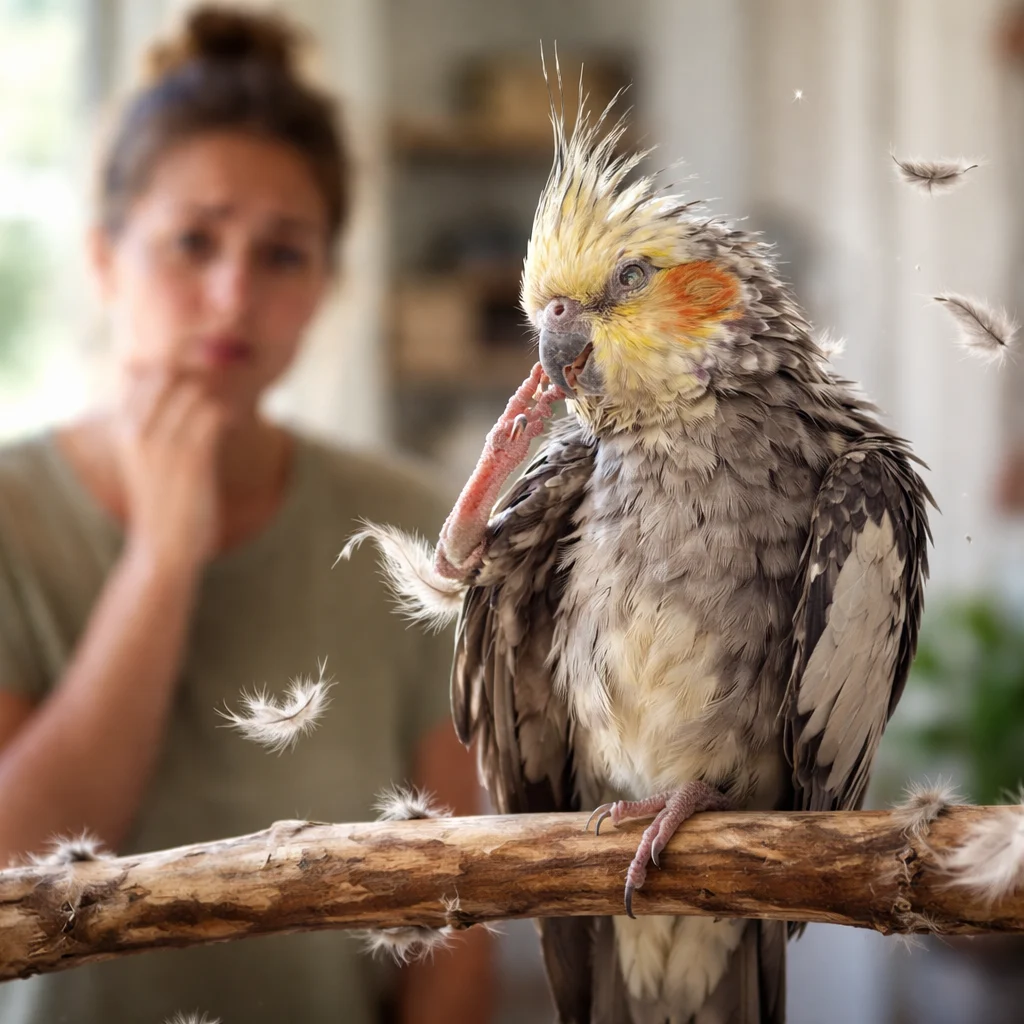
The periodic renewal of a bird’s plumage is a fundamental biological process, essential for maintaining health, flight capabilities, insulation, and overall well-being. This natural phenomenon, known as molting, is often a source of confusion and concern for bird owners, who may struggle to differentiate between normal feather shedding and more serious issues like behavioral plucking or underlying medical conditions. Understanding this distinction is paramount for providing appropriate care and ensuring the long-term health of avian companions. This guide, drawing on expert insights, provides a detailed framework for identifying a normal molt, managing the process, and recognizing when professional veterinary intervention is critical.
The Biological Imperative of Molting: A Natural Cycle of Renewal
Molting is the physiological process by which birds shed old, worn-out feathers and replace them with new ones. Feathers are non-living structures made primarily of keratin, similar to human hair and fingernails. Over time, feathers become damaged by daily activities, sun exposure, and wear and tear, losing their insulating, waterproofing, and aerodynamic properties. Molting ensures that a bird’s plumage remains in optimal condition, vital for survival in the wild and comfort in captivity.
The frequency and duration of molting vary significantly among species, age, and environmental factors such as photoperiod (daylight length), temperature, and nutritional status. Most adult birds undergo at least one complete molt annually, often after the breeding season, when energy demands for reproduction have subsided. Juvenile birds may experience a series of partial molts as they transition from their initial downy plumage to adult feathering. The process is hormonally regulated, primarily influenced by thyroid hormones, and is a significant energetic undertaking for the bird. During a molt, a bird’s body prioritizes feather production, which can account for up to 25% of its total protein synthesis. This high metabolic demand explains why birds often exhibit behavioral changes and require enhanced nutritional support during this period.
Distinguishing Molt from Plucking: A Comprehensive Diagnostic Guide
One of the most critical responsibilities for a bird owner is accurately assessing their bird’s feather condition. Misinterpreting the signs can lead to delayed treatment for serious issues or unnecessary anxiety over normal processes.
Indicators of a Normal Molt:
- Symmetrical Feather Loss: A hallmark of a healthy molt is the symmetrical shedding of feathers, particularly flight and tail feathers. Birds typically shed one feather from each wing simultaneously to maintain balance and flight capability. Body feathers may also be lost in patches, but the overall pattern tends to be consistent across both sides of the body. For instance, symmetrical bald spots under the wings or on the legs are generally indicative of normal feather turnover.
- Presence of Pin Feathers: As old feathers fall out, new ones emerge from the follicles as "pin feathers." These look like small, rigid quills encased in a waxy keratin sheath. The sheath protects the developing feather and contains a blood supply at its base, which nourishes the growing feather. As the feather matures, the blood supply recedes, and the sheath dries and flakes off, revealing the new, fully formed feather. The appearance of numerous pin feathers, often spiky to the touch, is a definitive sign of an active molt.
- Feather Quality: Feathers shed during a normal molt are typically worn or faded but not ragged, chewed, or damaged at the shaft. The new feathers emerging are pristine, vibrant in color, and structurally sound.
- Behavioral Changes: During a molt, birds may exhibit a range of temporary behavioral shifts. Increased preening is common as they work to remove the waxy sheaths from new pin feathers. They might appear more irritable, lethargic, or "grumpy" due to the constant itching and the significant energy expenditure involved in feather growth. Appetite may increase as the body demands more nutrients for feather production. Reduced energy levels and a desire for more rest are also typical.
Indicators of Potential Feather Plucking or Other Problems:
- Asymmetrical or Irregular Feather Loss: Unlike molting, plucking often results in uneven, patchy, or asymmetrical bald spots. These typically occur in areas the bird can reach, such as the chest, abdomen, legs, and inner thighs, while head and neck feathers (which are difficult for the bird to reach) often remain intact.
- Ragged or Chewed Feather Edges: A strong indicator of plucking is the presence of feathers with ragged, chewed, bent, or broken edges. The bird actively mutilates its own feathers, often resulting in a "frayed" appearance. Stress bars—transverse lines or weak points on the feather vane—can also be indicative of past nutritional deficiencies or stress during feather growth, potentially predisposing to plucking.
- Skin Irritation, Blood, or Scabs: If the skin beneath the feathers appears red, inflamed, irritated, or has open wounds, scabs, or signs of infection, it is a serious concern. Active plucking can lead to self-mutilation, causing significant skin damage and increasing the risk of bacterial or fungal infections. The presence of blood, especially from "blood feathers" that have been broken or pulled, warrants immediate veterinary attention.
- Obsessive Behavior: Birds that pluck often exhibit obsessive behaviors related to their feathers. This can range from constant, aggressive preening to outright pulling out feathers, sometimes accompanied by vocalizations of distress. This behavior often goes beyond normal maintenance and appears compulsive.
- Underlying Causes of Feather Plucking: Plucking is a complex issue with a multitude of potential causes, often requiring a multi-faceted approach to diagnosis and treatment.
- Medical Causes: These are paramount to rule out first. They include nutritional deficiencies (e.g., lack of essential amino acids, vitamins A, D, B-complex including biotin, or minerals like zinc), parasitic infestations (mites, giardia), bacterial or fungal infections, heavy metal toxicity, organ disease (especially liver or kidney disease), allergies (environmental or food-related), pain from injury, or even tumors.
- Environmental Causes: Inadequate humidity (leading to dry, itchy skin), poor lighting (affecting circadian rhythms and hormonal balance), insufficient cage size, lack of environmental enrichment (boredom), exposure to irritants (smoke, aerosols, strong cleaners), or even excessive heat can trigger plucking.
- Behavioral/Psychological Causes: Boredom, anxiety, stress (e.g., changes in routine, new pets, perceived threats), hormonal imbalances (often seasonal, leading to increased nesting behaviors or aggression), lack of sufficient sleep, poor socialization, or an overly strong bond with a human (leading to frustration when the owner is absent) are common psychological triggers.
The Molting Cycle: A Chronological Overview
Understanding the typical progression of a molt can help owners anticipate and support their birds.
- Initiation: The molt is typically triggered by hormonal changes, often influenced by photoperiod (the amount of daylight). As seasons change, the bird’s internal clock signals the body to prepare for feather replacement.
- Shedding Phase: Old, worn-out feathers begin to fall out. This can happen gradually or in more noticeable bursts, particularly for smaller body feathers. Flight and tail feathers are usually shed in a highly organized, symmetrical manner.
- Growth Phase: Simultaneously or shortly after shedding, new pin feathers emerge from the follicles. These pins are initially tiny, then grow longer, encased in their protective keratin sheaths. During this phase, the feathers have a rich blood supply, making them sensitive and vulnerable.
- Maturation: As the new feather grows, the blood supply recedes from the shaft, and the waxy sheath dries and becomes flaky. The bird will actively preen to break open and remove these sheaths, allowing the new feather to unfurl.
- Completion: Once all the sheaths have been removed, the new feathers are fully grown and unfurled, contributing to a vibrant, glossy, and fully functional plumage. The entire process can take several weeks to a few months, depending on the species and the extent of the molt.
Expert Routine for a "Smooth Molt": Detailed Care Steps
Once a normal molt is confirmed, the owner’s primary role is to minimize discomfort and provide optimal conditions for healthy feather growth. This involves a multi-pronged approach focusing on nutrition, environmental enrichment, and symptom relief.
-
Optimizing Nutrition: Feather production is metabolically demanding.
- High-Quality Diet: A base diet of high-quality, species-appropriate pellets should be maintained. This provides a balanced foundation of essential nutrients.
- Increased Protein: Feathers are nearly 90% protein (keratin). During a molt, a bird’s protein requirements increase significantly. Supplementing with lean cooked meats (e.g., chicken, turkey), legumes, sprouted seeds, and cooked eggs can provide the necessary amino acids.
- Essential Vitamins and Minerals:
- Biotin (Vitamin B7): Crucial for keratin formation and healthy skin and feathers. Sources include oats, eggs, legumes, and certain leafy greens.
- Vitamin A: Important for epithelial tissue health, including skin and feather follicles. Found in orange and dark green vegetables (carrots, sweet potatoes, kale).
- Vitamin D3: Essential for calcium absorption, which supports overall bone health and indirectly feather quality. Birds synthesize Vitamin D3 from UVB exposure; adequate full-spectrum lighting is critical.
- Calcium and Zinc: These minerals play roles in various metabolic processes, including feather development. Calcium sources include cuttlebone, mineral blocks, and leafy greens. Zinc is found in nuts and seeds.
- Omega Fatty Acids: Omega-3 and Omega-6 fatty acids are vital for skin hydration, reducing inflammation, and promoting a vibrant, glossy plumage. Good sources include red palm oil, flaxseed, chia seeds, and certain nuts. The "FeatherUp! + Biotin" supplement, for instance, is designed to provide these critical vitamins and nutrients specifically to support rapid and strong feather growth.
-
Environmental Support:
- Humidity: Dry air can exacerbate the itchiness of pin feathers and make it harder for sheaths to flake off. Increasing humidity in the bird’s environment through humidifiers, regular misting, or placing a shallow pan of water near the cage can provide significant relief.
- Bathing Opportunities: Regular bathing is essential during a molt. It helps to soften the keratin sheaths of pin feathers, making them easier for the bird to remove, and keeps the skin hydrated and clean. Offer a shallow bath dish, a bird bath, or gentle misting with a bird-safe spray bottle.
- Adequate Sleep: Ensure the bird receives 10-12 hours of uninterrupted sleep in a dark, quiet environment. Rest is crucial for recovery and hormonal balance during this energy-intensive period.
- Reduced Stress: Maintain a consistent routine and a calm environment. Avoid sudden changes or stressors that could compound the physiological demands of molting.
-
Symptomatic Relief:
- Aloe Vera Bird Spray: A bird-safe aloe vera spray can provide instant relief for itchy pin feathers and dry, irritated skin. Aloe has natural soothing and moisturizing properties. Applied gently, it can help reduce discomfort and discourage excessive scratching.
- Gentle Preening Assistance: For birds that have a strong bond with their owners and tolerate touch, very gentle assistance in flaking off dry pin feather sheaths can be helpful. This should only be done on fully mature, dry pin feathers where the blood supply has fully receded, and with extreme caution to avoid damaging sensitive new feathers or causing pain. Never force or pull at sheaths that are not ready to come off.
The Avian Health Stoplight: When to Seek Veterinary Intervention
While most molts are normal physiological processes, certain signs warrant immediate or close veterinary attention.
-
RED LIGHT: IMMEDIATE VET CALL (Emergency)
- Blood Feathers: A "blood feather" is a new, growing feather that still has a blood supply running through its shaft. If a blood feather is broken or pulled out, it can bleed profusely and continuously, as the shaft acts like a straw. This is an emergency. Excessive blood loss can lead to shock and even death, especially in smaller birds. If a blood feather is bleeding, immediate action is required: apply direct pressure, use cornstarch or styptic powder to help clot the blood, and transport the bird to an avian veterinarian immediately. The vet may need to pull the feather to stop the bleeding and prevent infection.
- Open Wounds, Persistent Scabs, or Signs of Infection: Any deep cuts, open sores, or scabs that persist, along with signs of infection such as swelling, redness, pus-like discharge, foul odor, or fever (which can be hard to detect in birds), necessitate urgent veterinary care. These can be consequences of severe plucking or other trauma.
- Severe Lethargy, Anorexia, or Drastic Behavioral Changes: While some grumpiness and reduced energy are normal during a molt, severe lethargy, complete loss of appetite, prolonged refusal to eat or drink, or drastic changes in personality (e.g., extreme aggression, withdrawal, inability to perch) are red flags for serious illness unrelated to a normal molt.
- Rapid, Excessive Feather Loss or Self-Mutilation: If feather loss is sudden, extensive, and appears to be beyond a normal molting pattern, or if the bird is actively and persistently mutilating its skin or feathers, it’s an emergency. This indicates severe distress or an underlying medical condition requiring immediate diagnosis and treatment.
-
YELLOW LIGHT: MONITOR CLOSELY
- Mild Skin Irritation: Slight redness or dryness of the skin without open wounds or active bleeding. This can often be managed with increased humidity and soothing sprays, but continued monitoring is essential to ensure it doesn’t escalate.
- Persistent but Not Severe Itching: If the bird seems excessively itchy for prolonged periods, beyond what would be expected for normal pin feather discomfort, it warrants closer observation. This could indicate mild dryness, a low-grade allergic reaction, or early signs of a skin condition.
- Slightly Ragged Feathers Without Active Plucking: If some feathers appear slightly chewed or ragged, but the bird is not actively observed plucking, it might be an indication of previous nutritional stress or a subtle behavioral issue developing. Close monitoring of behavior and feather condition is advised.
- Unusual Molting Patterns: If a bird seems "stuck" in a constant molt, molts too frequently, or experiences an unusually prolonged molt (lasting many months), it can signal an underlying health issue, such as nutritional deficiency, chronic stress, or hormonal imbalance.
- Changes in Feather Quality (e.g., Stress Bars): While stress bars form during feather growth and indicate past issues, their appearance in new feathers suggests that the underlying stressor or nutritional deficiency may still be present and needs to be addressed.
-
GREEN LIGHT: PROCEED WITH CARE (Normal Molt)
- Symmetrical Feather Loss: The characteristic pattern of feather shedding.
- Presence of Healthy Pin Feathers: New feathers emerging with intact sheaths.
- Increased Preening: Normal behavior to manage new feather growth.
- Temporary Grumpiness or Reduced Energy: Mild and transient behavioral changes.
- Increased Appetite: A natural response to the increased metabolic demands.
- In these scenarios, the "Smooth Molt Essential Trio" (Aloe Vera Spray, FeatherUp! + Biotin, Red Palm Oil) and consistent good husbandry practices are typically sufficient to support the bird through its molt.
Broader Implications and Long-Term Wellness
The distinction between a normal molt and feather plucking carries significant implications for a bird’s long-term health and welfare. Misdiagnosis can lead to chronic suffering, irreversible feather damage, and severe health complications.
- Owner Responsibility: Proactive observation, understanding species-specific molting patterns, and maintaining a consistent, high-quality care routine are paramount. Owners should be familiar with their bird’s baseline behavior and appearance to quickly identify deviations. Regular weigh-ins can also indicate if a bird is struggling with the energy demands of a molt or if an underlying illness is causing weight loss.
- Impact of Neglect: If plucking or abnormal molting goes unaddressed, it can lead to chronic skin infections, painful self-mutilation, and even systemic illness if the underlying cause is medical. Psychological distress from chronic stress or boredom can severely impact a bird’s quality of life. In severe cases, permanent damage to feather follicles can prevent future feather growth, leading to permanent baldness.
- Preventative Measures: Consistent provision of a balanced, species-appropriate diet, a stimulating and safe environment with ample enrichment, opportunities for regular bathing, adequate sleep, and routine veterinary check-ups are the best preventative measures. An annual check-up with an avian veterinarian allows for early detection of potential issues before they become severe.
- Economic Impact: Early intervention in cases of plucking or abnormal molting can significantly reduce the need for costly emergency veterinary visits and prolonged treatments. Addressing nutritional deficiencies or environmental stressors proactively is far more economical and humane than treating advanced medical conditions or behavioral disorders.
In conclusion, distinguishing between a normal avian molt and potentially problematic feather plucking is a critical skill for any bird owner. While a healthy molt is a natural and necessary process, requiring supportive care, signs of plucking or excessive discomfort demand careful investigation and often prompt veterinary attention. By understanding the biological nuances of molting, recognizing the diagnostic indicators, and implementing an expert-backed care routine, avian caregivers can ensure their feathered companions navigate this essential cycle with comfort and maintain their vibrant plumage for years to come.

