


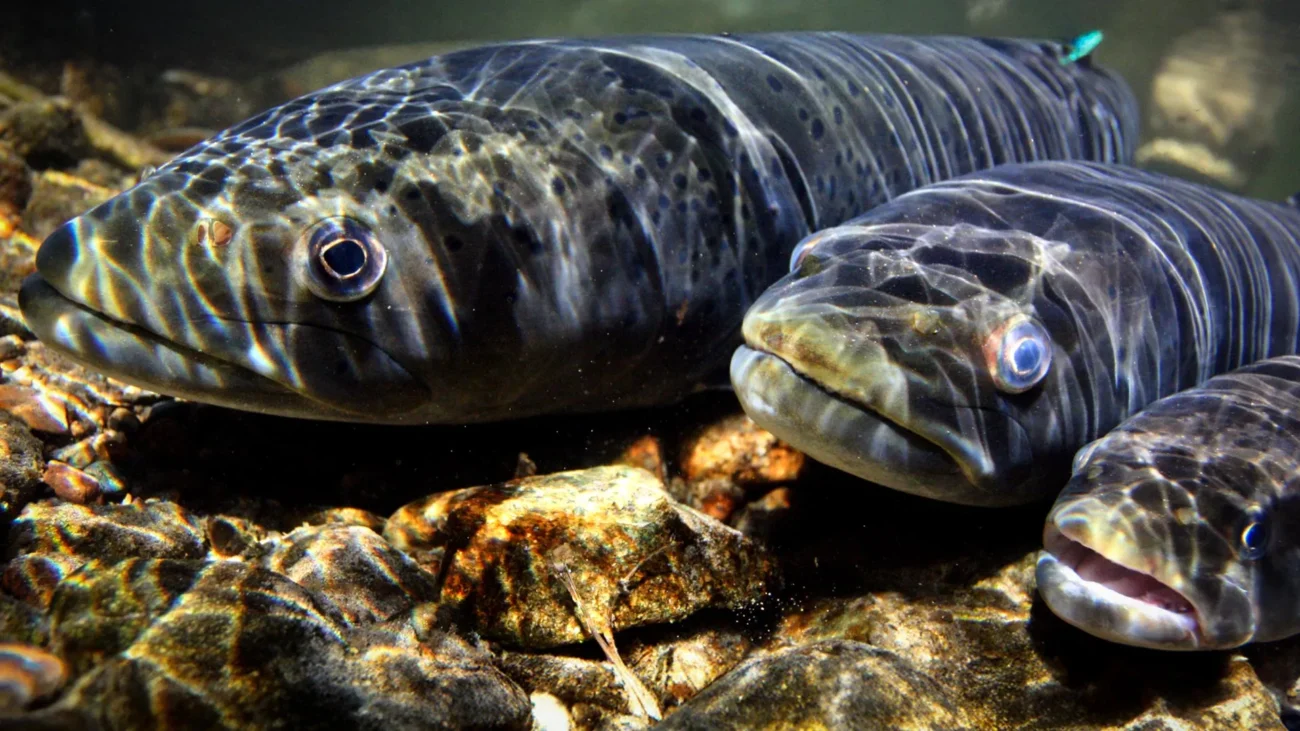
The ancient rhythms of the planet, dictated by the ebb and flow of mighty rivers, are being brutally disrupted. Beneath the surface, some of Earth’s most vital and awe-inspiring animal migrations are faltering at an alarming rate, according to a landmark report released by the Convention on the Conservation of Migratory Species of Wild Animals (CMS), a United Nations environmental treaty. The findings, presented at the CMS 15th Meeting of the Conference of the Parties (COP15) in Brazil, paint a stark picture of a biodiversity crisis that has largely escaped global attention, threatening not only ecosystems but also the livelihoods of hundreds of millions of people.
A Silent Crisis Beneath the Waves
The "Global Assessment of Migratory Freshwater Fishes," the most comprehensive overview to date of the challenges facing these aquatic nomads, reveals that migratory freshwater fish are among the most imperiled species on Earth. These creatures, which traverse vast river systems for spawning, feeding, and survival, are indispensable to the health of freshwater ecosystems. They sustain critical inland fisheries that provide food security and economic stability for communities worldwide. However, the report emphatically states that their populations are in rapid decline, with a staggering estimated reduction of 81% globally since 1970. This decline is so severe that nearly all (97%) of the 58 migratory fish species already listed under CMS – encompassing both freshwater and saltwater species – are now considered threatened with extinction.
The assessment has identified 325 migratory freshwater fish species that urgently require coordinated international conservation efforts. This number, in addition to the 24 species already under the Convention’s protection, underscores the vast and largely overlooked biodiversity crisis unfolding across the world’s shared river systems. These species are candidates for listing under CMS Appendices I (requiring strict protection) and II (needing international cooperation), signaling the magnitude of the threat and the necessity for cross-border collaboration.
Drivers of Decline: A Network of Threats
The primary culprits behind this devastating collapse are multifaceted and interconnected. Dam construction, a pervasive feature of modern river management, fragments habitats, creating insurmountable barriers that sever the migratory pathways essential for fish reproduction and survival. Pollution from agricultural runoff, industrial discharge, and untreated sewage degrades water quality, poisoning fish and their food sources. Overfishing, often driven by unsustainable practices, further depletes already vulnerable populations. Compounding these issues are climate-related ecosystem changes, including altered water temperatures, unpredictable rainfall patterns, and increased instances of drought and flooding, which disrupt delicate aquatic environments.
The report meticulously details the plight of these species, highlighting how the disruption of long, uninterrupted river pathways – linking spawning grounds, feeding areas, and floodplain nurseries – can lead to precipitous population drops. When dams, altered water flows, or habitat degradation sever these vital connections, these animals, which often undertake journeys spanning thousands of kilometers, find their life cycles irrevocably broken.
Key Hotspots of Concern
The assessment pinpoints several major river systems as critical priorities for conservation action. These include South America’s iconic Amazon and La Plata-Paraná basins, Europe’s vital Danube River, Asia’s economically significant Mekong, Africa’s life-giving Nile, and the Indian subcontinent’s Ganges-Brahmaputra river system. The health of these arteries of life directly impacts the survival of countless migratory fish species and the millions of people who depend on them.
The Amazon: A Last Bastion Under Threat
Brazil, as the host nation for COP15, has taken a leading role in advocating for conservation measures, with a particular focus on the Amazon and La Plata-Paraná river systems. The Amazon Basin, a globally recognized biodiversity hotspot, remains one of the last major refuges for migratory freshwater fish. However, intensifying development pressures, including infrastructure projects and agricultural expansion, are placing this critical habitat at unprecedented risk.
A compelling case study, released in conjunction with the global assessment, identifies 20 migratory fish species in the Amazon that meet the criteria for potential listing under CMS Appendix II. These species are not only ecologically vital but also form the backbone of regional fisheries, accounting for approximately 93% of total landings and contributing an estimated US$436 million annually to the regional economy.
Among these species is the dorado (gilded) catfish (Brachyplatystoma rousseauxii). This impressive bottom-dwelling fish, characterized by its metallic gold or silver sheen and substantial size, up to 2 meters (6.5 feet) in length, undertakes the longest known freshwater migration of any fish. Its remarkable life cycle involves a journey of up to 11,000 kilometers from the headwaters of the Andes to coastal nursery areas. The potential listing of such species under CMS underscores the urgent need for transboundary cooperation to protect these remarkable journeys.
To bolster these conservation efforts, Brazil, in collaboration with other regional partners, is proposing a Multi-species Action Plan for Amazonian Migratory Catfish (2026-2036). This initiative exemplifies the kind of regional cooperation that CMS champions, recognizing that effective conservation must span the entire geographic range of migratory species.
Furthermore, Brazil has proposed the inclusion of the spotted sorubim catfish (Pseudoplatystoma corruscans) in CMS Appendix II. This proposal highlights the critical need for coordinated action within the La Plata Basin, where this species faces severe threats from dam construction, altered water flow regimes, and intense fishing pressure. These proposed actions represent some of the most ambitious international endeavors to date aimed at safeguarding migratory freshwater fish populations.
A Global Call to Action
The urgency of the situation has been echoed by leading experts in the field. Dr. Zeb Hogan, the lead author of the assessment, stated, "Many of the world’s great wildlife migrations take place underwater. This assessment shows that migratory freshwater fish are in serious trouble, and that protecting them will require countries to work together to keep rivers connected, productive, and full of life." His words underscore the fundamental principle that rivers are interconnected systems, and their health cannot be managed in isolated national segments.
Amy Fraenkel, Executive Secretary of CMS, emphasized the significance of the report: "This new assessment highlights a major priority for the conservation of migratory species and their habitats, that has not had adequate focus to date. By aligning science, policy and international cooperation, governments can safeguard the world’s remaining great freshwater fish migrations and the communities and ecosystems that depend on them."
Michele Thieme, Vice President and Deputy Lead of Freshwater at World Wildlife Fund-US, offered a stark warning: "Rivers don’t recognize borders — and neither do the fish that depend on them. The crisis unfolding beneath our waterways is far more severe than most people realize, and we are running out of time. Rivers need to be managed as connected systems, with coordination across borders, and investments in basin-wide solutions now before these migrations are lost forever."
Recommendations for a Healthier Future
The report outlines a series of practical, actionable steps that governments can implement immediately to mitigate the crisis. These recommendations, informed by extensive global datasets and IUCN assessments of nearly 15,000 freshwater fish species, aim to address the root causes of migratory fish decline and promote sustainable river management.
Key among these are:
- Strengthening International Cooperation: Implementing cooperative management plans for shared river basins, recognizing that the migratory routes of fish transcend national boundaries.
- Improving Dam Management: Implementing fish-friendly dam designs, such as fish passage facilities, and optimizing dam operations to mimic natural flow regimes where possible.
- Combating Pollution: Enacting and enforcing stricter regulations on industrial and agricultural pollution, and investing in improved wastewater treatment infrastructure.
- Sustainable Fisheries Management: Implementing science-based fishing quotas, reducing bycatch, and combating illegal, unreported, and unregulated (IUU) fishing.
- Restoring Habitats: Undertaking projects to restore degraded riverine habitats, including riparian zones and floodplain connectivity.
- Addressing Climate Change: Integrating climate change adaptation strategies into river basin management plans.
- Increasing Protected Areas: Expanding and effectively managing protected areas within river systems to safeguard critical habitats and migratory corridors.
- Public Awareness and Education: Raising public understanding of the importance of migratory freshwater fish and the threats they face.
A Freshwater Biodiversity Crisis Unveiled
The alarming findings of the CMS report serve as a critical wake-up call. Freshwater ecosystems, often taken for granted, are experiencing biodiversity loss at a rate faster than terrestrial or marine environments. Yet, the collapse of migratory freshwater fish populations has received disproportionately little global attention. These creatures, integral to the functioning of vital ecosystems and the sustenance of human populations, are silently disappearing.
The implications of this crisis are far-reaching. The decline of migratory fish impacts food webs, nutrient cycling, and the overall ecological integrity of rivers. For the hundreds of millions of people who rely on these fish for protein and income, the loss represents a direct threat to their food security and livelihoods. The economic impact on fishing communities and related industries could be substantial.
Ultimately, the report’s central message is clear: the future of migratory freshwater fish, and the health of the rivers they inhabit, depends on a paradigm shift in how we manage our aquatic resources. Rivers must be viewed and managed as interconnected, living systems, rather than isolated national waterways. The time for coordinated global action is now, before these ancient migrations, and the invaluable ecosystems they sustain, are lost forever. The decisions made at COP15 and in the coming years will determine the fate of these incredible journeys and the vital freshwater ecosystems they represent.

