



The intersection of high fashion and animal rights activism has reached a new cultural flashpoint as People for the Ethical Treatment of Animals (PETA) unveils a high-profile marketing campaign timed to coincide with the highly anticipated sequel to the 2006 cinematic classic, The Devil Wears Prada. The advocacy organization has produced a sophisticated parody of the original film’s most recognizable sequence, featuring a character modeled after the formidable editor-in-chief Miranda Priestly. This campaign, designed to run in cinemas across the United States—including major hubs like New York City—signals a strategic shift in animal rights messaging, moving beyond the traditional "anti-fur" narrative to target the broader use of leather, wool, and exotic skins in the luxury sector.
The campaign video meticulously recreates the atmosphere of a high-stakes fashion magazine office, where employees are seen in a state of high-alert panic. In the spoof, staff members frantically purge their workspaces of wool sweaters, leather swatches, and snakeskin footwear in response to a terse directive from their uncompromising leader. The "Miranda" figure issues a definitive memo that echoes the character’s signature icy efficiency: "No more fashion made from animal skins. That’s all." The advertisement concludes with the tagline, "A change of heart could change everything," urging the global fashion industry to reconsider its reliance on animal-derived materials.
The Evolution of the Anti-Fur Movement into Total Material Reform
The timing of PETA’s campaign is calculated to leverage the cultural resurgence of the Miranda Priestly archetype as Disney and 20th Century Studios move forward with The Devil Wears Prada 2. While the original film served as a satirical look at the excesses and pressures of the mid-2000s fashion world, the sequel enters a vastly different landscape—one defined by environmental, social, and governance (ESG) standards and a consumer base that increasingly prioritizes transparency and ethics.
Historically, the luxury fashion industry’s relationship with animal rights has been contentious. However, the last decade has seen a domino effect regarding the use of fur. In 2019, the Prada Group, which includes brands like Miu Miu, Church’s, and Car Shoe, officially announced it would go fur-free starting with its Spring/Summer 2020 women’s collection. This move followed similar commitments from other heavyweights, including Gucci, Chanel, Burberry, and Versace. PETA’s new campaign argues that while the "fall of fur" was a significant milestone, it was merely the beginning of a necessary total overhaul of the fashion supply chain.
The organization is now directing its focus toward the "next frontier" of animal-free fashion: leather, wool, and exotic skins. By utilizing the imagery of The Devil Wears Prada, PETA aims to frame the transition to vegan materials not as a fringe activist demand, but as the ultimate mark of modern sophistication and industry leadership.
Investigating the Global Animal-Based Textile Supply Chain
Central to PETA’s advocacy are the findings of numerous undercover investigations conducted over the past several years. These reports have sought to document the conditions within the global supply chains for leather and exotic skins, often challenging the "luxury" branding associated with these products.

According to data provided by PETA, investigations into the leather industry—particularly in major exporting nations—have revealed systemic issues regarding animal welfare. The organization cites instances where cattle are subjected to branding and physical trauma before being slaughtered for hides. In the exotic skins sector, PETA has published footage from farms in Vietnam and other regions, alleging that crocodiles and snakes are kept in cramped conditions and dispatched using methods that activists describe as inhumane.
The wool industry has also come under scrutiny. While wool is often marketed as a "natural" and "renewable" fiber, PETA’s investigations into shearing sheds in Australia and South America have documented instances of rough handling and "mulesing"—a controversial practice where skin is removed from a sheep’s hindquarters to prevent flystrike. These findings have prompted some brands to adopt the Responsible Wool Standard (RWS), though PETA maintains that a total shift to plant-based or synthetic alternatives is the only ethical solution.
The Economic and Environmental Case for Vegan Materials
The fashion industry’s pivot toward vegan materials is not solely driven by ethical concerns; there is a significant economic and environmental impetus. The global vegan leather market is currently undergoing a period of rapid expansion. Market analysts project that the industry, valued at approximately $33 billion in 2021, could reach over $66 billion by 2030, driven by innovations in bio-based materials.
Technological advancements have moved beyond simple plastics like PVC (polyvinyl chloride), which has long been criticized for its environmental impact. Modern "next-gen" materials now include:
- Piñatex: A leather alternative made from pineapple leaf fibers, a byproduct of existing agriculture.
- Mycelium Leather: Grown from the root structure of mushrooms, used by brands like Hermès and Stella McCartney.
- Apple Leather: Utilizing waste from the apple juice industry.
- Grape Leather: Repurposing skins and seeds from the wine-making process.
From an environmental standpoint, the production of animal-based leather is highly resource-intensive. The Higg Materials Sustainability Index (MSI), which measures the environmental impact of various textiles, consistently ranks bovine leather as having a higher impact on global warming, water depletion, and pollution compared to many synthetic and plant-based alternatives. The tanning process alone often involves hazardous chemicals like chromium, which can pose significant health risks to workers and contaminate local water supplies if not managed correctly.
Sentience and the Science of Animal Welfare
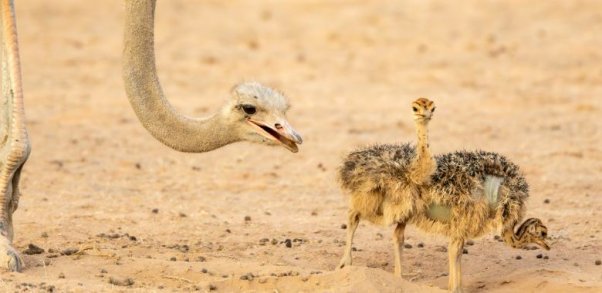
The PETA campaign also leans into the scientific understanding of animal sentience to appeal to the consumer’s empathy. The organization highlights that cows, sheep, and ostriches—animals commonly used in the fashion trade—possess complex social structures and emotional lives.
Biological studies have shown that cows are capable of forming deep social bonds and can experience anxiety when separated from their peers. Similarly, sheep are known for their ability to recognize faces and can display signs of depression if isolated. Ostriches, frequently targeted for the "luxury" bumpy texture of their skin, are highly protective parents with intricate mating rituals. By humanizing these animals and framing them as individuals rather than commodities, the campaign seeks to change the psychological calculus of the luxury consumer.
Industry Response and the Future of Luxury
While the Prada Group and other luxury conglomerates have not issued a direct response to this specific PETA spoof, the industry’s trajectory suggests a growing awareness of these issues. Many brands are now investing heavily in research and development for sustainable materials. The "Prada Re-Nylon" initiative, for instance, replaces virgin nylon with recycled ocean plastic, demonstrating the brand’s willingness to innovate its core materials.
However, the challenge for luxury brands remains the balance between heritage and evolution. For decades, the "quality" of a luxury good was synonymous with the grade of the leather or the rarity of the exotic skin. PETA’s campaign challenges this definition of quality, suggesting that true luxury in the 21st century is defined by the absence of exploitation.
Market experts suggest that the "Miranda Priestly" effect is a powerful tool. In the original film, the character’s monologue about the "cerulean" sweater illustrated how decisions made at the top of the fashion hierarchy eventually dictate the choices of the general public. By placing an animal-rights message in the mouth of a fictional icon of authority, PETA is attempting to flip the script, suggesting that the "nods of approval" in the fashion world are now moving toward a vegan future.
Broader Implications for the Global Fashion Calendar
As The Devil Wears Prada 2 moves through production, the fashion world will likely see a surge in discussions surrounding the ethics of the industry. PETA’s ad, created in collaboration with creative director Chris Carl, is set to be a mainstay in theaters during the film’s opening weeks. This ensures that the message reaches a demographic that is already engaged with fashion culture and cinematic nostalgia.
The campaign serves as a reminder that the "Devil" in fashion is no longer just a demanding boss, but perhaps the outdated practices that the industry has yet to shed. As consumers increasingly vote with their wallets, the pressure on brands like Prada to expand their bans from fur to leather and wool will likely intensify.
In the final analysis, PETA’s strategic use of pop culture suggests a new era of activism—one that is as polished and media-savvy as the industries it seeks to reform. Whether the real-world "Mirandas" of the fashion world will take the hint remains to be seen, but the memo has been delivered, and the industry is undoubtedly reading it. In a world where sustainability is the new black, the message from the "most feared editor" is clear: animal skins are out, and compassion is in vogue. That’s all.

