


For avid birdwatchers and nature enthusiasts, the allure of owls, those enigmatic nocturnal hunters, is undeniable. Their silent flight, keen senses, and mysterious presence in the twilight hours spark curiosity and a desire for closer observation. However, spotting these masters of camouflage can be a challenging endeavor. Owls possess extraordinary awareness of their surroundings, honed by exceptional auditory and visual senses, making them adept at remaining hidden. Despite these challenges, Washington State offers a rich tapestry of owl species, and with the right knowledge of where and what to look for, these magnificent birds can become a rewarding addition to any birdwatching list.
Owls are notoriously skilled at concealment. Their plumage often mimics the textures and colors of their environment, allowing them to blend seamlessly into trees, shadows, and even the night sky. This natural camouflage means that detection often begins with sound. The resonant hoots, soft calls, and subtle rustling of feathers can be the first indicators of an owl’s presence, prompting birdwatchers to focus their attention and listen intently for these distinctive avian voices.
Exploring Washington’s Diverse Owl Population: A Birdwatcher’s Compendium
Washington State is a haven for a surprising variety of owl species, each with unique characteristics, habitats, and behaviors. From the imposing Great Horned Owl to the elusive Spotted Owl, understanding these differences is key to successful observation. This guide delves into 15 of the most notable owl species found in Washington, offering insights into their distinguishing features, preferred environments, and the best times and places to seek them out.
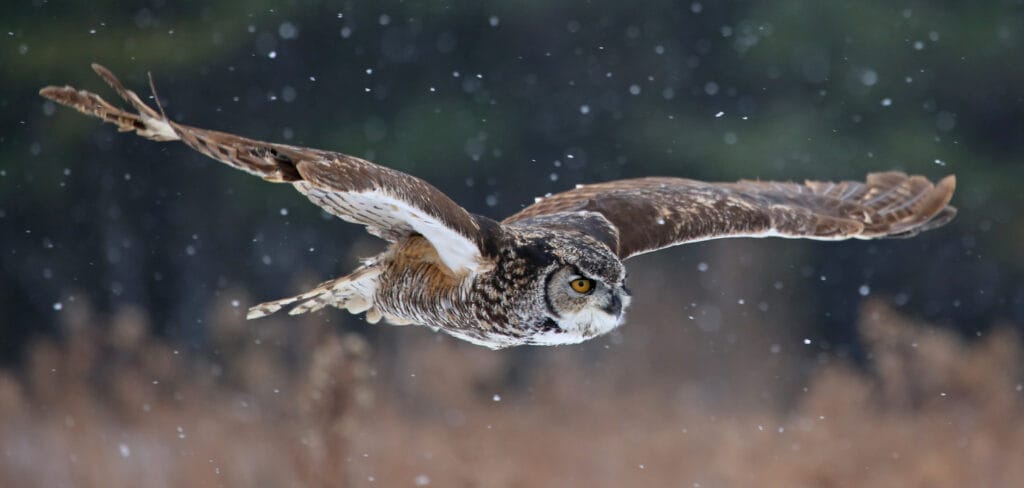
1. The Great Horned Owl (Bubo virginianus)
The Great Horned Owl is one of Washington State’s most recognizable and widely distributed owl species. Its substantial size and broad geographic range make it a relatively easier species to spot for those venturing into its territory. A defining feature of this owl is its prominent ear tufts, which, despite their name, are not true ears but specialized feathers that give the owl a distinctive, almost perpetually frowning appearance. These tufts can be raised or flattened depending on the owl’s mood and alertness.
These formidable predators are known for their strength and adaptability. Great Horned Owls are capable of taking down prey significantly larger than themselves, including rabbits, skunks, and even domestic cats. Their powerful talons and sharp beaks make them efficient hunters. While generally tolerant of human presence from a distance, it is crucial to remember that Great Horned Owls are fiercely territorial and will defend their nesting sites and young aggressively, even against human intruders. Their deep, resonant hoots are a common sound in many Washington forests, often heard at dawn and dusk.
2. The Snowy Owl (Bubo scandiacus)
Spotting a Snowy Owl in Washington State is a rare but thrilling occurrence. These magnificent Arctic visitors occasionally grace the state, often during their migratory journeys south from Canada. Their appearance is always a cause for excitement, drawing attention and often becoming a local sensation. A well-documented instance of a Snowy Owl finding temporary residence in Union Station in Washington D.C. became a viral social media event, highlighting the public’s fascination with these striking birds.
The Snowy Owl’s appeal lies in its unique aesthetic. Its predominantly white plumage, often marked with dark barring, and its piercing yellow eyes set against a stark white face create an unforgettable image. While not a permanent resident, birdwatchers have the best chance of encountering this majestic white owl in open fields, particularly in areas like Whatcom County, where they may stop during migration. Their presence is typically transient, making any sighting a special opportunity.
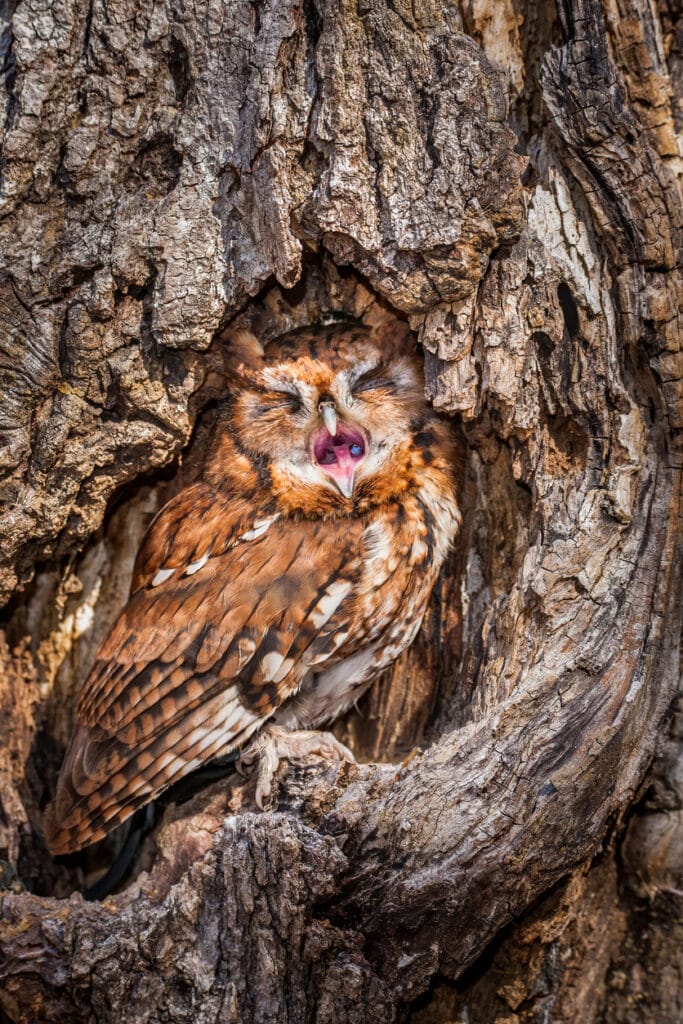
3. The Screech-Owl (Otus spp.)
Washington State is home to two species of Screech-Owls: the Western Screech-Owl (Otus kennicottii) and the Eastern Screech-Owl (Otus asio), though the latter is less common in Washington and typically found further east. Both species are generally found throughout Washington year-round, preferring wooded areas and suburban environments where they can find ample food and nesting sites.

The Western Screech-Owl is distinguished by its slightly longer ear tufts compared to its eastern counterpart. Both species are masters of camouflage, their mottled brown and white plumage providing excellent concealment against tree bark. This allows them to blend seamlessly into their arboreal surroundings, making them incredibly difficult to spot. Despite their name, Screech-Owls do not emit a true screech. Instead, they produce a distinctive, high-pitched hoot with a rising inflection at the end, a sound that is melodic rather than alarming. Their vocalizations are often heard more frequently than the owls themselves.
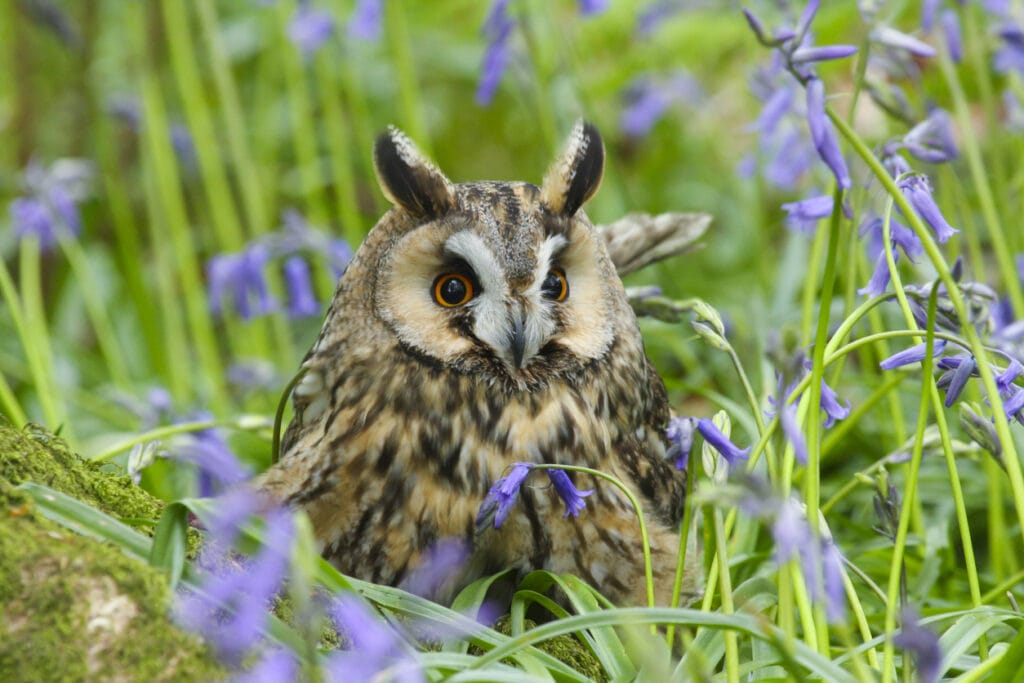
4. The Long-eared Owl (Asio otus)
The Long-eared Owl is a shy and elusive species, preferring to communicate through subtle vocalizations and body language rather than frequent calls. Its most striking feature, and the source of its common name, is its exceptionally long ear tufts, which can resemble those of a cat. These tufts, along with its gorgeous, intricate plumage, make it a beautiful subject for observation, though its reclusive nature presents a challenge.
To increase your chances of spotting a Long-eared Owl, head to the eastern side of Washington, particularly during the nighttime hours. They are more prevalent in eastern Washington than many realize, favoring dense woodlands, especially areas with conifers and willows. These owls actively avoid human interaction and will do their utmost to remain hidden within the thick foliage of trees. Their preference for dense cover and their quiet demeanor make them one of the more difficult owls to locate.
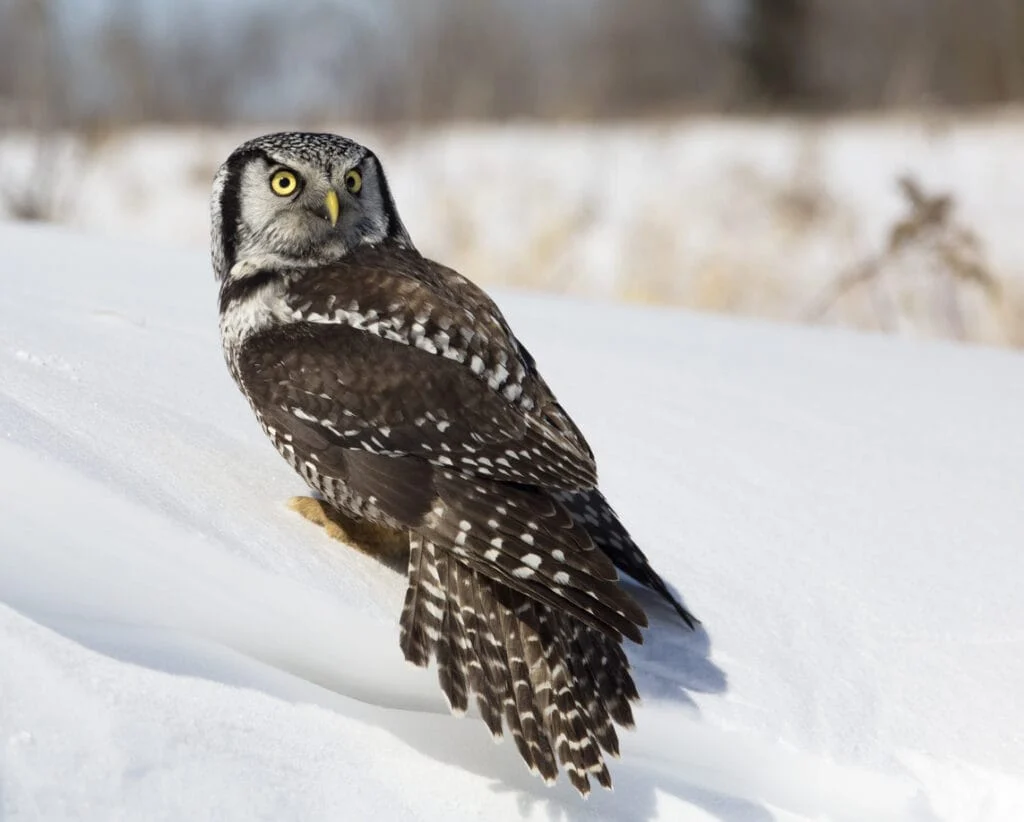
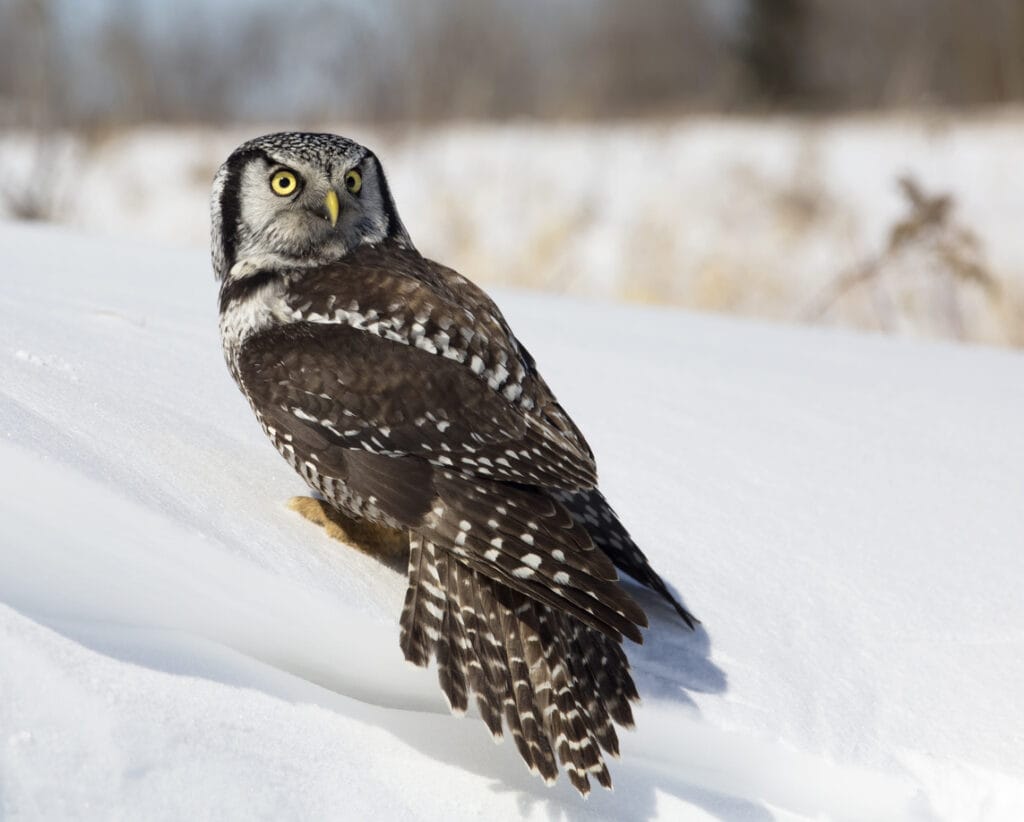
5. The Northern Hawk Owl (Surnia ulula)
The Northern Hawk Owl presents a fascinating behavioral anomaly within the owl family. Despite being an owl, its hunting style often mimics that of a hawk. It is known to hover over its prey, observing intently before executing a swift, graceful swoop. Unlike many owls that rely heavily on their acute hearing, the Northern Hawk Owl primarily uses its exceptional eyesight to locate and pursue its quarry.
Recent years have seen an increase in reported sightings of the Northern Hawk Owl in Washington. These owls are typically observed during the winter season. A notable location for potential sightings is Manning Provincial Park, though accessible areas within Washington State also offer opportunities. The males of this species possess a uniquely melodic hoot, characterized by soft pitch transitions, making their vocalizations a potential auditory clue for birdwatchers.
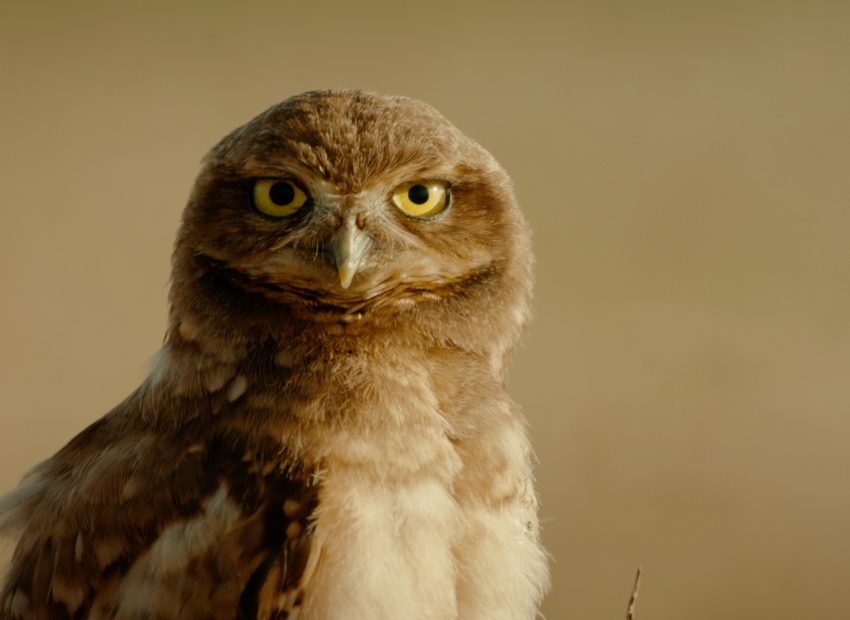
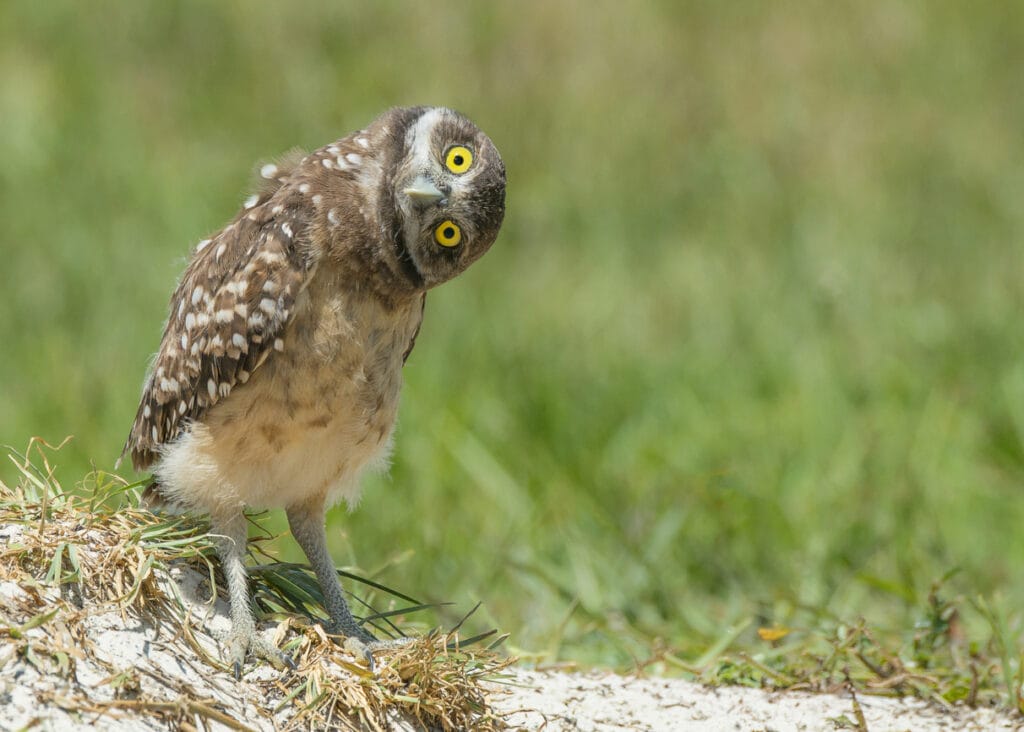
6. The Burrowing Owl (Athene cunicularia)
In stark contrast to most owl species that favor arboreal habitats, the Burrowing Owl exhibits a unique preference for subterranean living. These owls make their homes in underground burrows, often those abandoned by other animals like prairie dogs. This distinct habitat shapes their diet, which primarily consists of insects, beetles, and other ground-dwelling invertebrates. However, they are opportunistic hunters and will venture out at night to capture prey from the vicinity of their dens, sometimes even from nearby water bodies.
Sadly, the Burrowing Owl is not a common sight in Washington. To have any chance of spotting this species, one must venture into open, grassy spaces, particularly in eastern Washington. Their preference for open terrain makes them vulnerable to habitat loss, contributing to their declining numbers. The distinctive, curious posture of a Burrowing Owl peering from its burrow entrance is a rare and rewarding sight for dedicated observers.
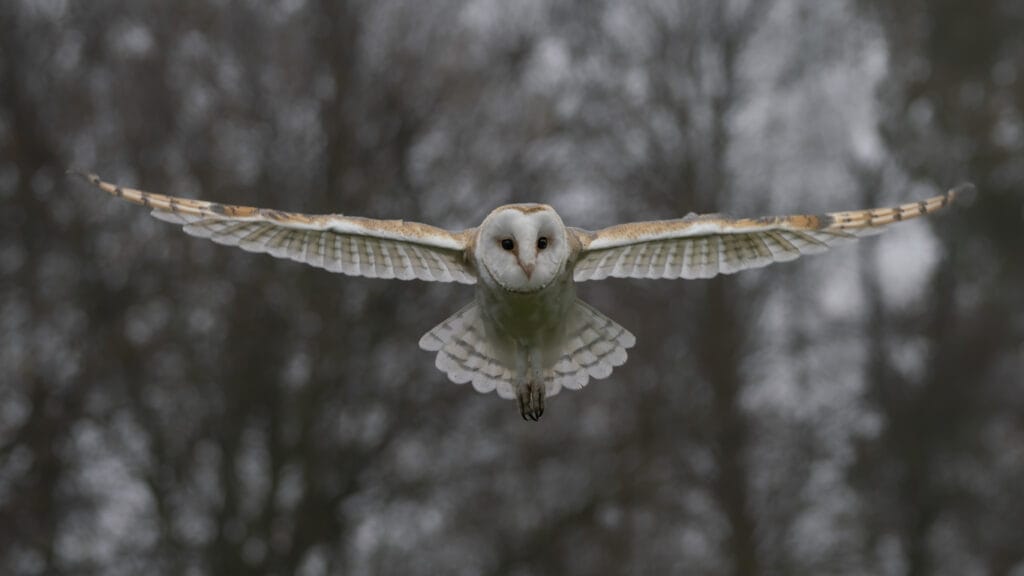
7. The Barn Owl (Tyto alba)
The Barn Owl, often referred to as the "Ghost Owl," possesses an ethereal appearance that captivates onlookers. Its heart-shaped facial disc, pale gray plumage, dark, glossy eyes, and a subtly spotted chest contribute to its spectral look. Adding to its mystique, the Barn Owl’s hissing vocalization can be quite startling, resembling an exaggerated scream. However, this owl is also a formidable and silent predator. Its specialized wing feathers allow it to fly with remarkable quietness, making it an incredibly effective hunter.
For those hoping to spot the Barn Owl in Washington, Grays Harbor County is considered a prime location. Unlike many migratory owl species, the Barn Owl is a permanent resident, offering year-round opportunities for observation. Its ability to move with near-undetectable silence makes visual spotting challenging, but its distinctive appearance and the eerie quality of its vocalizations make it a memorable species to encounter.
8. The Pygmy Owls (Glaucidium spp.)
Washington State is home to two primary varieties of Pygmy Owls: the Ferruginous Pygmy Owl (Glaucidium brasilianum) and the Northern Pygmy Owl (Glaucidium gnoma). Both species are relatively common and can be found throughout the mountainous regions of Washington. The Ferruginous Pygmy Owl possesses a unique defense mechanism: conspicuous "fake eye" patterns on the back of its head, which can startle potential predators or rivals.
These small but feisty owls are also quite vocal. When they decide to hoot, they can do so for extended periods, creating a complex series of calls that some describe as resembling a Morse code message. A significant advantage for birdwatchers interested in the Northern Pygmy Owl is its diurnal activity. Unlike many of its nocturnal counterparts, the Northern Pygmy Owl is often active and visible during daylight hours, making it more accessible for observation.
9. Tengmalm’s Owl (Aegolius funereus)
Tengmalm’s Owl, also known as the Boreal Owl, shares a striking resemblance to the Northern Saw-Whet Owl but is considerably more shy and difficult to locate. These owls are a rare sight in Washington, and their preference for remote mountain ranges further compounds the challenge of observing them. While visual encounters are infrequent, their distinctive hoots can sometimes betray their presence.
An intriguing aspect of Tengmalm’s Owls is the ability to distinguish between genders based on their vocalizations. Their calls are often described as a low whistle. The female’s hoot tends to be higher-pitched and shorter, akin to a quick whip-like sound, while the male’s may be slightly deeper. Their elusive nature and preference for high-altitude habitats make them a prize for dedicated ornithologists and birdwatchers.
10. The Barred Owl (Strix varia)
For birdwatchers in Washington State, the Barred Owl is often one of the first and most readily observable owl species. They are, by far, the most common owl found throughout the state. A fascinating biological quirk of the Barred Owl is that its plumage color can be influenced by its diet. For instance, owls that consume a significant amount of crayfish may develop a reddish or pinkish hue on their chest feathers.
While generally calm-tempered, Barred Owls can exhibit surprising behaviors, especially when in groups. When multiple Barred Owls vocalize in unison, their collective calls can sound eerily like human laughter heard from a distance, creating a disquieting auditory experience. There have been documented instances of young Barred Owls exhibiting territorial aggression, occasionally attacking humans if they perceive a threat to their nesting area. This highlights the importance of respecting their space and observing from a safe distance.
11. The Short-eared Owl (Asio flammeus)
The Short-eared Owl is characterized by its diminutive ear tufts, which are typically only visible when the owl becomes excited or agitated. During the breeding season, the male Short-eared Owl engages in an elaborate courtship flight display, accompanied by rhythmic hooting, as a means to attract a mate. The flame-like patterns within their plumage are particularly striking when they are in flight.
This species is commonly found in Canada and the northern United States, often becoming more visible as the weather warms. If you are fortunate enough to spot a Short-eared Owl, it is worth waiting for a second sighting. These owls tend to be creatures of habit, often revisiting the same routes and areas. Their presence is often associated with open grasslands and meadows.
12. The Great Gray Owl (Strix nebulosa)
The Great Gray Owl is an imposing figure in the avian world, distinguished by its large, round head and unnervingly piercing stare from its small, sunken eyes. It holds the distinction of being one of the largest owl species in North America. Fortunately, the population of the Great Gray Owl (Strix nebulosa) is considered abundant and not currently at risk, allowing for continued opportunities for observation.
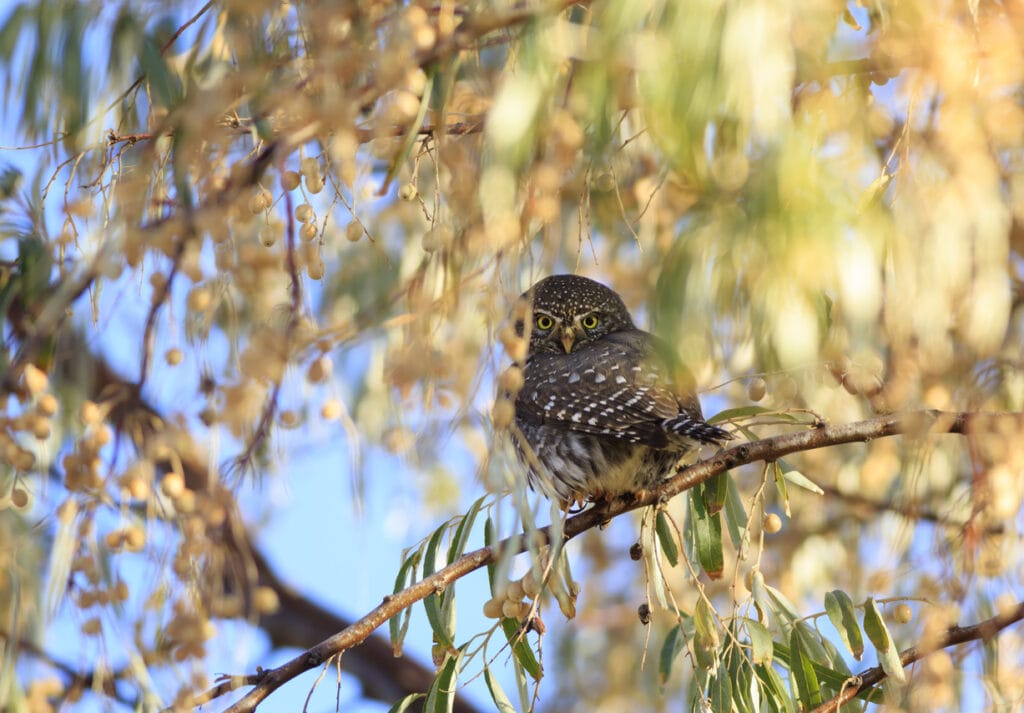
During the winter months, Great Gray Owls tend to congregate in forest environments, with a particular affinity for coniferous trees. They are known to appear irregularly in Washington’s Blue Mountains, Puget Trough, and Okanogan Highlands between December and March. Their immense size and distinctive facial disc make them an awe-inspiring sight for any birder.
13. The Saw-whet Owl (Aegolius acadicus)
The Saw-whet Owl possesses an undeniably charming appearance, with its oversized head perched atop a small body, reminiscent of a character from a children’s storybook. Its creamy-brown plumage and distinctive "Y"-shaped white eyebrows further enhance its endearing, stereotypical owl look. For those seeking an easier sighting, the Blue Mountains are recommended.
The Saw-whet Owl is most frequently observed during the summer months. As the weather turns colder, they tend to migrate southward. Their remarkable ability to camouflage against tree bark means that visual detection can be challenging. Therefore, relying on auditory cues is often necessary. However, their hoot is less melodic than that of other species, sometimes perceived as shrill. The sound is often described as a series of toots.

14. The Flammulated Owl (Psiloscops flammeolus)
The Flammulated Owl is an owl species predominantly found on the eastern side of Washington. It is characterized by its dark eyes and distinctive flame-striped plumage, which gives it its name. Despite its relatively small size, the Flammulated Owl has an impressive diet, primarily consisting of insects and beetles. However, they are also capable of preying on medium-sized rodents, a feat that is quite remarkable considering their petite stature.
A notable behavioral characteristic of the Flammulated Owl is its tendency to vocalize frequently during the daytime. This makes tracking them somewhat easier for observers who prefer daylight observation. Their deep and persistent hoots can often be heard before the owl itself is seen, providing valuable auditory clues for identification.
15. The Spotted Owl (Strix occidentalis)
The Spotted Owl is another dark-eyed owl species that exhibits a strong preference for avoiding direct human contact and is often found in dense, old-growth forests. A key distinguishing feature between the Spotted Owl and the more common Barred Owl is the pattern of their chest plumage. While Barred Owls have striped chests, Spotted Owls display spotted patterns.
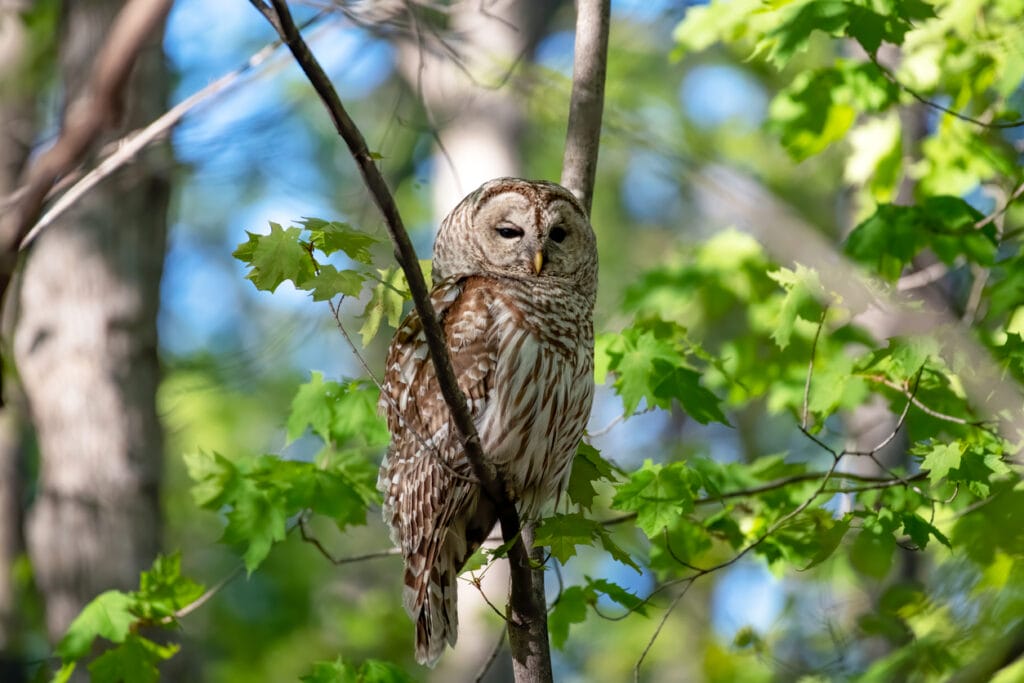
Unfortunately, the Spotted Owl is an endangered species, with a global population estimated at only around 2,000 pairs. Their primary threat is habitat loss due to deforestation. Historically, they could be found in the Puget Lowlands during the breeding season, but their population has significantly declined. Today, their remaining strongholds are primarily within national parks, such as Mount Rainier National Park, underscoring the critical importance of conservation efforts for this species.
Final Thoughts on Washington’s Owl Encounters
Washington State offers a remarkable opportunity for birdwatchers to connect with a diverse array of owl species. From the common and widespread to the rare and elusive, each owl presents a unique challenge and reward for the patient observer. Understanding the seasonal movements, habitat preferences, and vocalizations of these fascinating birds is paramount to successful spotting. While some species are present year-round, others are transient visitors, making the timing of your birdwatching excursions crucial. Armed with binoculars and a keen sense of observation, enthusiasts can embark on a rewarding journey to discover the captivating world of Washington’s owls.
Frequently Asked Questions
Where can I find out more about local owls in Washington?
For the most up-to-date information on owl sightings in Washington, resources like eBird are invaluable. This platform allows birdwatchers to report and view recent sightings, search for specific owl species, and explore what has been observed in particular geographic areas. Local Audubon chapters and wildlife organizations also often provide information and host guided birdwatching events focused on owls.
What is the most common owl in Washington?
Among the owls listed, the Barred Owl (Strix varia) is considered the most common and widespread species in Washington State. Its adaptability to various habitats, including forests and even suburban areas, contributes to its high population density. While other species may be abundant in specific niches, the Barred Owl is generally the most frequently encountered by birdwatchers across the state.

