


A growing number of avian enthusiasts are choosing to integrate their feathered companions into family travel plans, foregoing traditional pet-sitting arrangements for shared adventures. This trend reflects a broader shift in pet ownership, where animals are increasingly viewed as integral family members. While the prospect of vacationing with a pet bird can be immensely rewarding, it necessitates meticulous preparation that extends far beyond merely placing a cage in a vehicle. This comprehensive guide outlines the essential steps for ensuring a safe, comfortable, and stress-free car journey for parrots, covering pre-travel conditioning, packing essentials, stress mitigation techniques, and critical safety protocols.
The Evolving Landscape of Avian Travel
The notion of traveling with a parrot, once considered niche, is gaining mainstream traction among bird owners. Parrots, inherently social and flock-oriented creatures, often derive a profound sense of security and well-being from the constant presence of their human caregivers. This intrinsic need for companionship can make traveling with their "flock" a less stressful alternative to being boarded in an unfamiliar environment with strangers. However, this integrated travel approach demands a proactive and informed strategy. Experts, including certified avian behaviorists and veterinarians, consistently underscore that successful bird travel is not a spontaneous undertaking but a carefully orchestrated process. The success hinges on gradual acclimatization, understanding avian physiology, and meticulous logistical planning to prevent anxiety and potential health risks.
Assessing Your Bird’s Readiness: An Essential Pre-Flight Check
Before embarking on any journey, it is paramount to assess an individual bird’s temperament and adaptability. Not all parrots are equally suited for travel, and forcing a nervous bird into a new environment can exacerbate stress. A preliminary evaluation should include observing the bird’s comfort levels in various scenarios:
- Carrier Acclimatization: Does the bird willingly enter and remain calm within a travel carrier?
- Environmental Adaptability: How does the bird react to novel sounds, sights, and minor changes in routine or surroundings?
- Behavioral Consistency: Does the bird maintain normal eating, drinking, and play behaviors when away from its primary enclosure?
- Prior Car Exposure: Has the bird experienced short car rides without exhibiting signs of distress?
Birds that demonstrate comfort in these areas are generally better candidates for travel. For those that show hesitation or fear, a structured training and exposure regimen is necessary before attempting extended trips. Starting with brief, positive experiences, such as short drives around the neighborhood, allows birds to gradually associate car travel with positive reinforcement rather than anxiety.
The increasing demand for information on safe avian travel led to the expansion of foundational advice, such as using bird-safe carriers and ensuring hydration. Current recommendations now integrate advanced strategies like interactive checklists, specialized product suggestions, and detailed pre-travel preparation to address the nuanced needs of avian companions on the road.
Understanding and Mitigating Travel Stress in Birds
While the presence of their human flock can be reassuring, travel itself can be a significant source of stress for parrots. Their reliance on routine and familiar surroundings means that new sounds, vibrations, and visual stimuli can trigger anxiety. Recognizing the signs of stress is crucial for intervention and ensuring the bird’s welfare. Common indicators of avian travel stress include:
- Panting or Rapid Breathing: Often a sign of overheating or acute anxiety.
- Fluffed Feathers (without being cold): Can indicate fear, illness, or discomfort.
- Pacing or Restlessness: A behavioral manifestation of anxiety or an attempt to escape.
- Excessive Vocalizations or Silence: Unusual squawking or, conversely, an unnatural quietness can signal distress.
- Feather Plucking or Self-Mutilation: In extreme cases, birds may resort to self-destructive behaviors.
- Changes in Appetite or Droppings: Refusal to eat or unusual droppings can indicate stress or illness.
Upon observing any of these signs, it is imperative to pull over in a safe location and assess the bird’s condition, providing comfort and reassurance. Gradual acclimatization to car travel, starting with short, controlled exposures, is the ideal preventative measure. However, in emergency situations, such as wildfire evacuations, immediate focus shifts to providing maximum comfort and security within the constraints of the situation. Resources detailing emergency evacuation tips for parrots are invaluable in such critical scenarios.
Paradoxically, many parrots, once accustomed to the routine, may actually prefer car trips to being left behind. The constant proximity to their trusted human companions often outweighs the stress of the journey itself, reducing separation anxiety that can arise from unfamiliar caregivers or environments. The key to fostering this positive association lies in preparation and positive reinforcement, transforming car rides into anticipated, enjoyable experiences.
Supporting Emotional and Physical Health During Travel
For birds prone to anxiety or to simply enhance the travel experience, a range of vet-trusted products can support emotional wellness. These may include gentle calming formulas administered prior to travel, aloe vera mists to combat dry skin from vehicle air conditioning or altitude changes, and immune-supportive supplements to help prevent stress-related issues like feather plucking. Integrating these into a "Bird Travel Kit" can streamline pre-trip preparations.
Methods of Avian Transport: Carriers vs. Car Seats
The choice of transport method is critical for avian safety. For most birds, a secure, well-ventilated travel carrier is the safest option. These carriers are specifically designed to provide both visibility and airflow while offering a sense of security in an unfamiliar environment. Key features to look for in a suitable carrier include:
- Robust Construction: Durable materials that prevent escape and withstand minor impacts.
- Adequate Ventilation: Multiple openings or mesh panels for continuous airflow, preventing overheating.
- Secure Latches: Doors that cannot be easily opened by an intelligent parrot.
- Easy to Clean: Materials that can be disinfected quickly in case of accidents.
- Appropriate Size: Large enough for the bird to stand, turn around, and perch comfortably, but not so large that it allows excessive movement during sudden stops.
- Secure Perching: A sturdy, non-slip perch that is easy for the bird to grip.
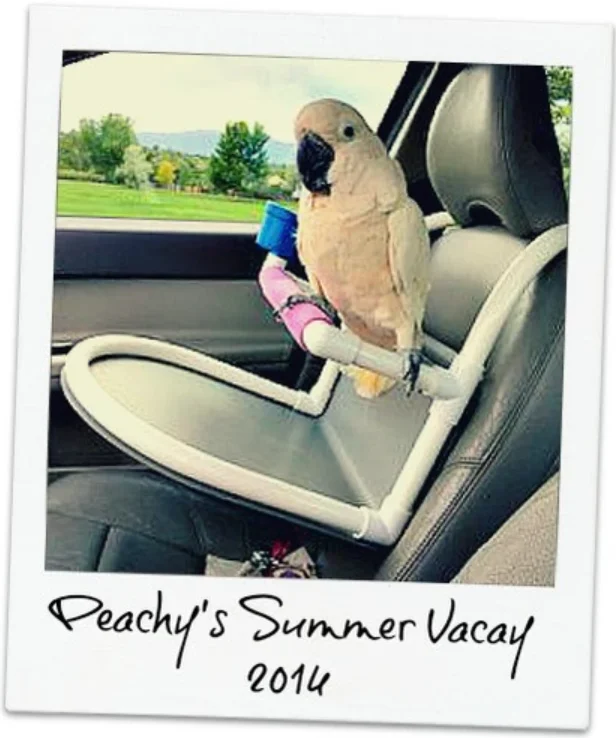
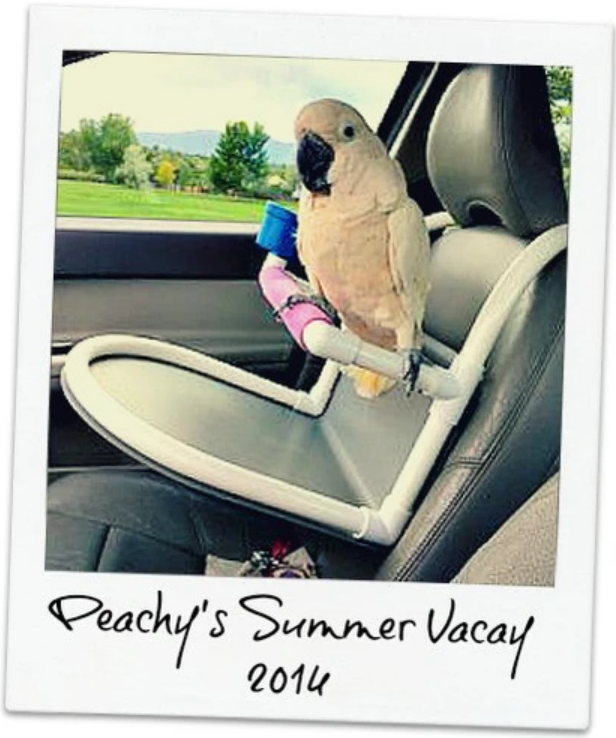
While specialized bird car seats exist, they are generally recommended only for highly confident, harness-trained parrots that are thoroughly accustomed to vehicle motion and can be safely restrained. Even in these cases, a secure travel carrier should always be brought as a backup for emergencies or extended stops.
The Crucial Role of Pre-Travel Training
Carrier training should commence several weeks, if not months, before any planned trip. This process involves:
- Positive Association: Introducing the carrier in a familiar home environment, leaving the door open, and placing favorite treats or toys inside.
- Gradual Introduction to Vehicle: Once comfortable in the carrier, place it near the vehicle, then inside the car with the engine off.
- Short Drives: Progress to brief drives around the block, meticulously observing the bird’s body language for signs of comfort or distress.
This methodical approach helps prevent panic and mitigates motion-related issues, creating a positive foundation for future travel.
Preventing Motion Sickness
Birds, like humans and other animals, can experience motion sickness. To minimize this, ensure the carrier is level and securely stabilized in the back seat, preventing it from swinging or tilting excessively. Remove any dangling toys that might move unpredictably during the drive, as these can cause disorientation. Instead, offer a stationary comfort item, such as a shreddable block or a soft chew, for enrichment. A light misting with an avian-safe aloe vera spray can also help soothe dry skin caused by air conditioning or changes in altitude, indirectly contributing to overall comfort.

Determining Trip Duration: Beyond Mileage
There is no universal mileage limit for avian car travel; instead, the acceptable duration depends primarily on the individual bird’s experience and temperament. For birds new to car travel, initial trips should be limited to under two hours. More seasoned travelers may tolerate four to six-hour rides, provided frequent, well-planned stops are incorporated. Experiences from unforeseen events, such as emergency evacuations during natural disasters, highlight the critical importance of practicing these protocols in advance, rather than waiting for a crisis.
Strategic Break Planning for Avian Well-being
Regular breaks are non-negotiable for avian travelers. Every 90 to 120 minutes, pull over in a quiet, safe location. Only open the carrier door when the vehicle is turned off and the surroundings are calm and secure. Offer fresh water and familiar snacks, as known items can significantly reduce stress. Use these breaks to observe your bird’s comfort level: check for panting, fluffed feathers, or other signs of distress. If harness-trained, a supervised 5-10 minute stretch outside the carrier (but still protected) can provide vital physical and mental stimulation.
Environmental Considerations During Breaks:
- Sun Exposure: Avoid direct, prolonged sunlight, which can quickly lead to overheating.
- Temperature Extremes: Never leave a bird unattended in a vehicle, as internal temperatures can rise rapidly (even on mild days) or drop precipitously.
- Predators: Maintain vigilance for potential predators (e.g., raptors, stray animals) if the bird is out of its carrier.
- Toxic Fumes: Avoid stopping in areas with heavy vehicle exhaust or other pollutants.
The overarching principle is that comfort and safety must always take precedence over convenience. Attentive observation of the bird’s body language and a willingness to adjust the travel plan are essential for a positive experience.
Comprehensive Bird Car Trip Planning Steps
Effective avian travel requires meticulous planning weeks in advance:
- Scheduled Wellness Check and Grooming: Approximately one week before the trip, schedule a veterinary check-up. This ensures the bird is fit for travel and allows for necessary grooming, such as nail and wing trims, if there are concerns about potential escape or injury. Consult the vet regarding the suitability of mild calming supplements for the specific species and temperament.
- Securing Bird-Friendly Accommodation: It is crucial to confirm hotel policies directly, as "pet-friendly" does not automatically imply "parrot-friendly." Many establishments have specific restrictions due to noise, dander, or allergy concerns. Inquire about quiet floors, late check-in options, and whether cage covers are permitted. Upon arrival, set up the bird’s cage in a quiet corner, away from air conditioning vents, televisions, and high-traffic areas, using a waterproof mat underneath for cleanliness.
- The Avian Travel Kit Essentials: A well-stocked kit is vital for a smoother journey:
- Travel Carrier: The primary transport method.
- Main Cage Cover: For privacy and reducing sensory overload.
- Water Bottles/Dishes: Secure, non-spill options.
- Familiar Food & Treats: Essential for maintaining routine and comfort.
- First-Aid Kit: Basic avian first aid supplies (e.g., styptic powder, antiseptic wipes, vet contact info).
- Comfort Toys: Familiar, non-dangling toys for enrichment.
- Cage Liner/Bedding: For hygiene and comfort.
- Cleaning Supplies: Bird-safe wipes and a small brush.
- Calming Aids: Vet-approved supplements, aloe mist.
- Harness & Leash (if trained): For supervised outdoor excursions.
- Medical Records & Photo ID: Essential for emergencies.
- Waterproof Mat: For use under the cage in hotels.
- Portable Perch: For breaks outside the carrier.
The Strategic Advantage of Harness Training
Harness training significantly enhances a bird’s travel experience by providing both freedom and safety. A harness-trained parrot can safely explore during breaks, stretch its wings on a supervised walk, or comfortably accompany its owner during hotel check-ins. This increased exercise and mental stimulation can drastically reduce travel-related stress and enrich the overall journey. Even short periods of harness time—5 to 10 minutes outside the carrier—can make a profound difference, particularly on multi-day trips. Consistent practice before the trip and carrying backup gear, such as ID tags and a trained recall cue, are paramount.
When Travel Is Not Advisable

Despite thorough preparation, there are circumstances where avian travel should be postponed or avoided:
- Health Concerns: If a bird is ill, undergoing a heavy molt, or experiencing significant hormonal mood swings, the added stress of travel can compromise its health.
- Lack of Training: Without adequate carrier and harness training, the travel experience will likely be stressful for both the bird and the owner, potentially creating negative associations with future travel.
- Weather Extremes: Temperatures exceeding 85°F (29.4°C) or dropping below 45°F (7.2°C) pose significant risks. Birds can overheat or chill rapidly, leading to life-threatening conditions. Careful monitoring of weather forecasts and internal vehicle temperatures is critical.
Conclusion: Travel Smart, Travel Safe
The decision to travel with a bird reflects a deep commitment to its well-being and inclusion in family life. By adhering to a structured approach involving pre-trip planning, diligent training, and proactive safety measures, owners can transform potential stressors into enriching bonding experiences. Birds thrive when they feel secure and connected to their human flock. The right preparation ensures that traveling with a parrot can be a positive and memorable adventure, rather than a source of anxiety.
Two highly recommended, travel-tested products frequently endorsed by avian veterinarians and experienced bird owners include the Pak-O-Bird carrier for its design and safety features, and the FeatherUp supplement for its immune and stress-supportive properties. Combining these with a well-executed travel plan provides an optimal setup for safer, calmer journeys with feathered companions. Ultimately, when a bird feels safe, understood, and supported throughout the journey, it is more likely to enjoy the adventure as much as the destination itself, strengthening the invaluable bond between bird and owner.
Related Resources:
- 6 Tips for Car Travel with Parrots
- Pet Friendly Vacations: RV Travel With Your Bird
- Finding a Bird-Friendly Hotel
Link to this blog:
Burroughs, D. (2025, July 2). Birds in the backseat: Parrot travel made easy [Blog post]. BirdSupplies.com. Retrieved from https://birdsupplies.com/blogs/news/birds-in-the-backseat-parrot-travel-made-easy
Diane Burroughs, LCSW, brings over 30 years of experience helping bird lovers build stronger, healthier bonds with their parrots. With a foundation in psychotherapy and Applied Behavior Analysis (ABA), Diane combines proven behavioral science with simple, real-life strategies anyone can use. Through her books, behavior consultations, and UnRuffledRx parrot wellness products, she’s dedicated to helping real bird owners create trust, confidence, and a lifetime of positive experiences with their feathered companions.
Diane’s products have been featured in the Journal of Avian Medicine and Surgery and at ExoticsCon, a national conference for exotic animal veterinarians. Her bird collars and supplements are trusted by avian vets and stocked in vet clinics across the U.S. With thousands of individualized behavior plans under her belt, Diane’s mission is simple: to help parrots and their people thrive together.
TAGS: #CarTravelWithBirds #TakingYourBirdOnVacation
SHARING IS CARING! ❤️
Love what you read? Help spread the word on Facebook & Instagram 🐦
Leave a comment below and let us know your thoughts!

