


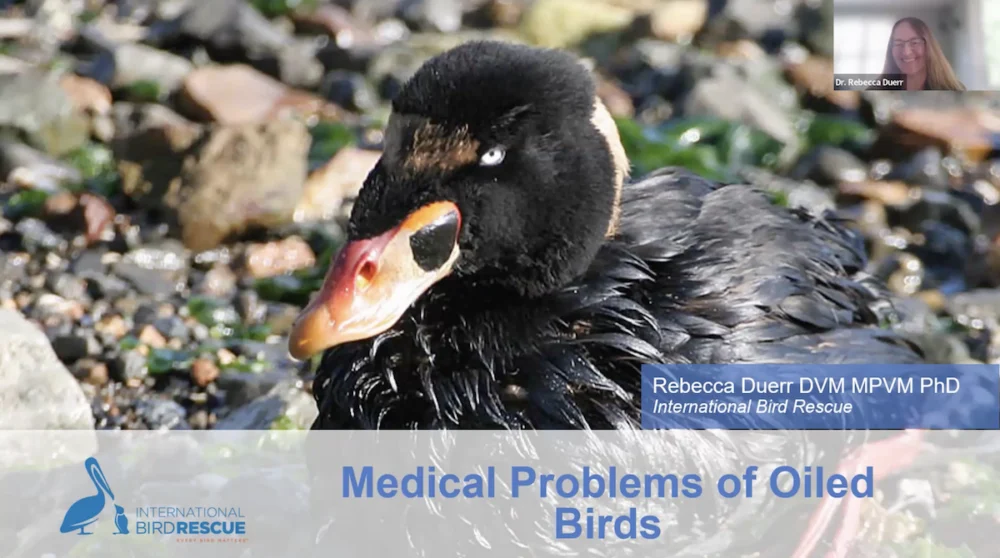
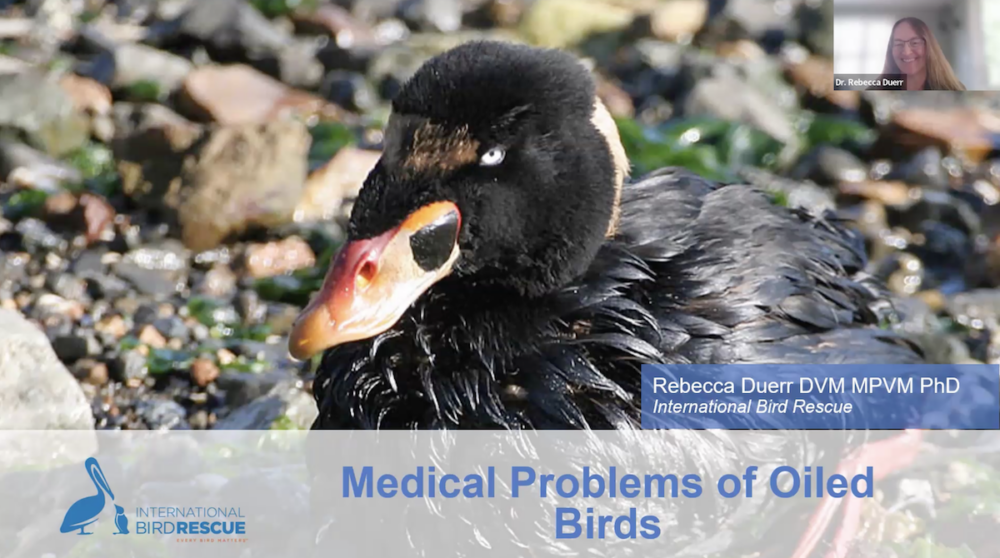
On April 21, 2026, the Kansas State University College of Veterinary Medicine Exotics Club hosted a virtual dinner presentation featuring Dr. Rebecca Duerr, DVM, MPVM, PhD, a renowned expert in avian medicine and wildlife rehabilitation. The session, conducted under the auspices of the Lafeber Company Student Program, focused on the complex medical challenges associated with oiled birds. Dr. Duerr, who serves as the Clinical Veterinarian at International Bird Rescue, provided a comprehensive overview of the physiological, pathological, and rehabilitative hurdles faced by avian species following exposure to petroleum products. This educational initiative reflects a growing emphasis within the veterinary community on specialized wildlife response, as environmental disasters continue to pose a significant threat to global biodiversity.
The Physiological Impact of Oil on Avian Species
The primary and most immediate threat to an oiled bird is the loss of feather integrity. Dr. Duerr’s presentation highlighted how oil disrupts the precise interlocking structure of a bird’s feathers—the barbs and barbules—which are essential for waterproofing and thermoregulation. When oil coats the plumage, it causes the feathers to mat and separate, allowing water to penetrate the downy insulating layer and reach the skin. In marine environments, this leads to rapid heat loss and hypothermia, even in temperate climates.
Beyond external damage, the internal effects of oil ingestion are equally devastating. As birds attempt to preen the oil from their feathers, they inevitably ingest toxic hydrocarbons. This lead to a cascade of systemic issues, including:
- Gastrointestinal Distress: Oil acts as a severe irritant to the mucosal lining of the digestive tract, often resulting in hemorrhagic enteritis, malabsorption, and severe dehydration.
- Hemolytic Anemia: Certain components of crude oil, particularly polycyclic aromatic hydrocarbons (PAHs), cause oxidative damage to red blood cells. This leads to Heinz body formation and subsequent regenerative anemia, significantly compromising the bird’s oxygen-carrying capacity.
- Organ Failure: The liver and kidneys are tasked with metabolizing and excreting the absorbed toxins. Prolonged exposure often results in hepatic necrosis and renal impairment, which can be fatal if not managed with aggressive fluid therapy and supportive care.
- Immunosuppression: Oil exposure triggers a massive stress response, elevating corticosteroid levels. This suppresses the immune system, making the birds highly susceptible to secondary fungal infections, such as Aspergillosis, and bacterial pathogens.
Clinical Stabilization and Chronology of Care
One of the central themes of the presentation was the critical importance of stabilization before decontamination. Dr. Duerr emphasized that washing a bird immediately upon arrival is often a "death sentence" for a patient already in a state of shock and metabolic crisis. The modern veterinary protocol for oiled wildlife follows a strict chronological order to maximize survival rates.
Phase 1: Intake and Initial Stabilization (Days 1–3)
The first 48 to 72 hours are dedicated to correcting life-threatening abnormalities. This includes aggressive fluid resuscitation to treat dehydration and promote the excretion of toxins. Nutritional support is also paramount; birds are often in a catabolic state, having exhausted their fat reserves to maintain body temperature. Dr. Duerr noted that providing high-calorie, easily digestible enteral nutrition is a cornerstone of this phase. During this time, blood work is performed to assess PCV (Packed Cell Volume), total solids, and blood glucose levels, ensuring the patient is stable enough to withstand the stress of a wash.
Phase 2: Decontamination and Rinsing
Once a bird is medically stable—typically indicated by normal hydration, stable weight, and improved blood parameters—the washing process begins. This is a labor-intensive procedure requiring specialized equipment and temperature-controlled water (usually between 102°F and 105°F). Dr. Duerr detailed the use of specific surfactants, such as Dawn dish detergent, which has become the industry standard for its ability to remove oil without damaging the underlying feather structure. The process involves a series of warm, soapy baths followed by a high-pressure rinse to remove every trace of detergent, which is just as detrimental to waterproofing as the oil itself.
Phase 3: Conditioning and Release (Days 5–Post-Wash)
Post-wash, birds are placed in specialized drying pens with warm air blowers. Once dry, they must regain their waterproofing through natural preening. This phase requires access to outdoor pools where birds can swim and re-align their feathers. Success is measured by the bird’s ability to remain "high and dry" on the water for extended periods without the skin becoming wet.
Advancements in Restraint and Sedation: The 2024 Study
A significant portion of the discourse referenced contemporary research regarding the management of stress during decontamination. Dr. Duerr highlighted a 2024 study published in the Journal of Avian Medicine and Surgery by Kelley et al., titled "Comparison of manual restraint with and without sedation on outcomes for wild birds undergoing decontamination."
This research addressed a long-standing debate in wildlife medicine: whether the benefits of sedation outweigh the risks of anesthesia in compromised patients. The study compared the physiological outcomes of birds undergoing the wash process with manual restraint alone versus those receiving light sedation. The findings suggested that while manual restraint is a traditional approach, judicious use of sedation may reduce the overall stress response and improve the speed of the decontamination process. By lowering the heart rate and minimizing the struggle, veterinary teams can perform more thorough rinses, which is crucial for the restoration of waterproofing.
This data is particularly relevant for species that are highly high-strung, such as loons or alcids, which often suffer from capture myopathy—a condition where extreme physical exertion and stress lead to muscle necrosis and systemic failure.
Support Systems and Educational Initiatives
The presentation also underscored the role of the Lafeber Company Student Program in bridging the gap between general veterinary education and specialized wildlife medicine. The program provides veterinary students with access to experts like Dr. Duerr, ensuring that the next generation of practitioners is equipped to handle environmental emergencies.
Furthermore, the logistical support required for these operations is immense. Dr. Duerr pointed out that responding to an oil spill is not merely a clinical task but a massive logistical undertaking involving state and federal agencies, non-governmental organizations (NGOs), and private industry. The integration of veterinary students into these discussions prepares them for the multidisciplinary nature of modern conservation medicine.
Broader Environmental and Veterinary Implications
The medical problems of oiled birds serve as a bellwether for the health of marine and aquatic ecosystems. Dr. Duerr’s analysis indicated that while the immediate goal is the rehabilitation of the individual animal, the data collected during these responses provides invaluable insights into the long-term impacts of petroleum on wildlife populations.
From a veterinary standpoint, the techniques developed for oiled birds have broader applications in avian medicine. The protocols for fluid therapy, nutritional support for emaciated patients, and the management of Heinz body anemia are applicable to a wide range of avian clinical cases. Moreover, the focus on "One Health"—the intersection of human, animal, and environmental health—is nowhere more evident than in the response to an oil spill.
The success rates of oiled bird rehabilitation have improved significantly since the Exxon Valdez spill in 1989. In the decades following that disaster, mortality rates were staggeringly high. Today, with the implementation of stabilization protocols and advanced decontamination techniques advocated by Dr. Duerr and her colleagues, release rates for certain species have climbed above 75% in well-managed responses.
Conclusion
As the presentation concluded, the message to the Kansas State University veterinary students was clear: wildlife medicine is a rigorous, science-based discipline that requires a deep understanding of physiology, toxicology, and behavior. Dr. Rebecca Duerr’s insights provided a roadmap for treating one of the most complex presentations in avian practice. By combining clinical excellence with recent research, such as the 2024 Kelley study on sedation, the veterinary community continues to refine its ability to mitigate the devastating effects of human-induced environmental disasters. The resources provided, including the recorded presentation and the technical PowerPoint, serve as a vital repository for students and professionals dedicated to the survival of oiled wildlife.

