


Parrots are globally renowned for their spectacular coloration, but few rival the Eastern Rosella (Platycercus eximius) for sheer visual impact. This medium-sized parrot, native to Australia, is a striking blend of vibrant hues, making it impossible to overlook in its natural habitat and a highly sought-after species in the aviculture world. Its beauty is matched by a lively and engaging personality, contributing to its popularity as a companion bird. This comprehensive article delves into the fascinating world of the Eastern Rosella, exploring its natural history, ecological role, and the intricacies of its care in a domestic setting.
A Kaleidoscope of Feathers: Understanding the Eastern Rosella’s Appearance
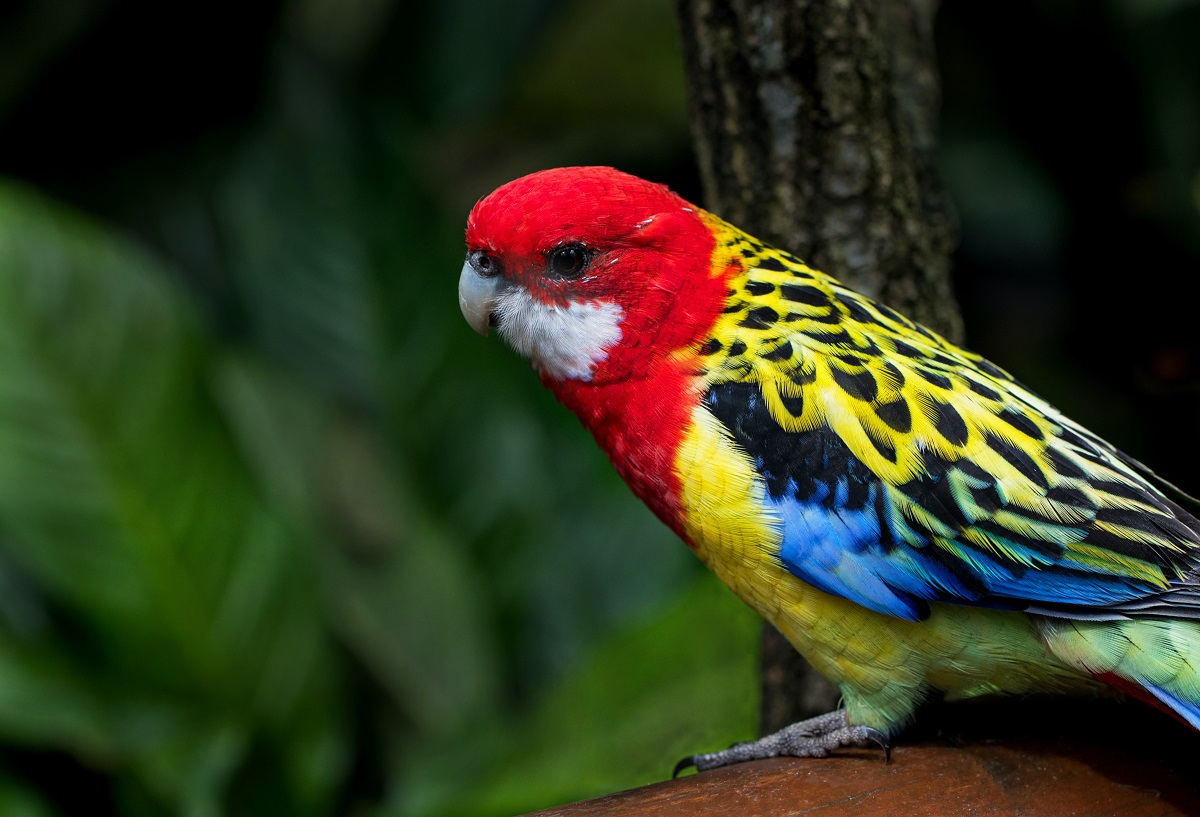
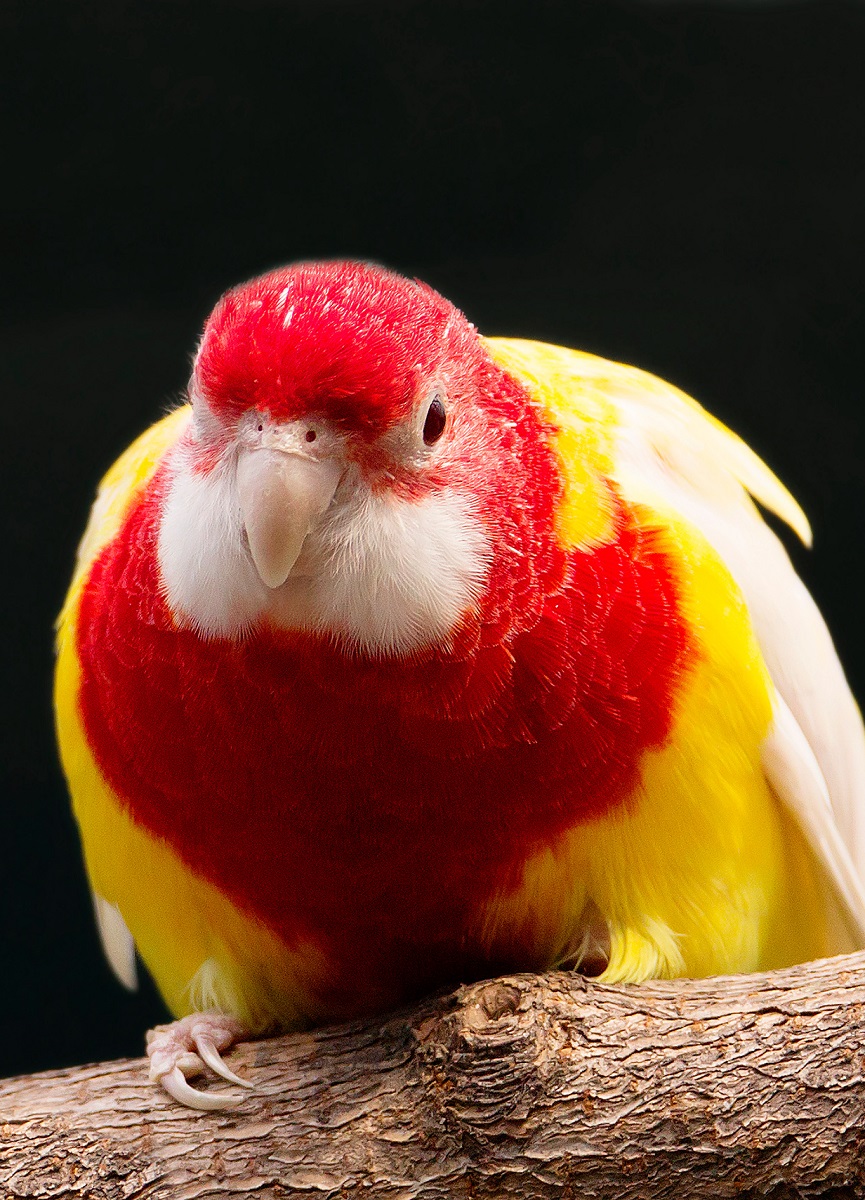
Despite its modest size, typically measuring around 30 centimeters (12 inches) in length and weighing approximately 100 grams, the Eastern Rosella is an avian spectacle. Its plumage is a vivid tapestry of colors, primarily characterized by a brilliant red head and chest, sharply contrasted by pristine white cheek patches. The transition to a yellow-green belly and "pants" creates a striking gradient. The upper wing feathers are a mosaic of scalloped yellow-green and black, while the back is a rich green. The undersides of its wings are a vibrant blue, leading to a long, graceful blue-green tail. This complex coloration serves not only as a visual marvel but also plays a role in species recognition and mate attraction within its natural environment.
Variations exist within the species, with three distinct subspecies recognized, each occupying a specific geographical area and displaying subtle differences in their plumage. These regional distinctions are a testament to evolutionary adaptation and geographical isolation. Young Eastern Rosellas, or fledglings, exhibit a slightly duller coloration compared to adults and possess yellow beaks, which gradually transition to the adult white hue after their first molt, typically occurring between 2 and 6 months of age. This juvenile plumage serves as a natural identifier, distinguishing them from mature birds.
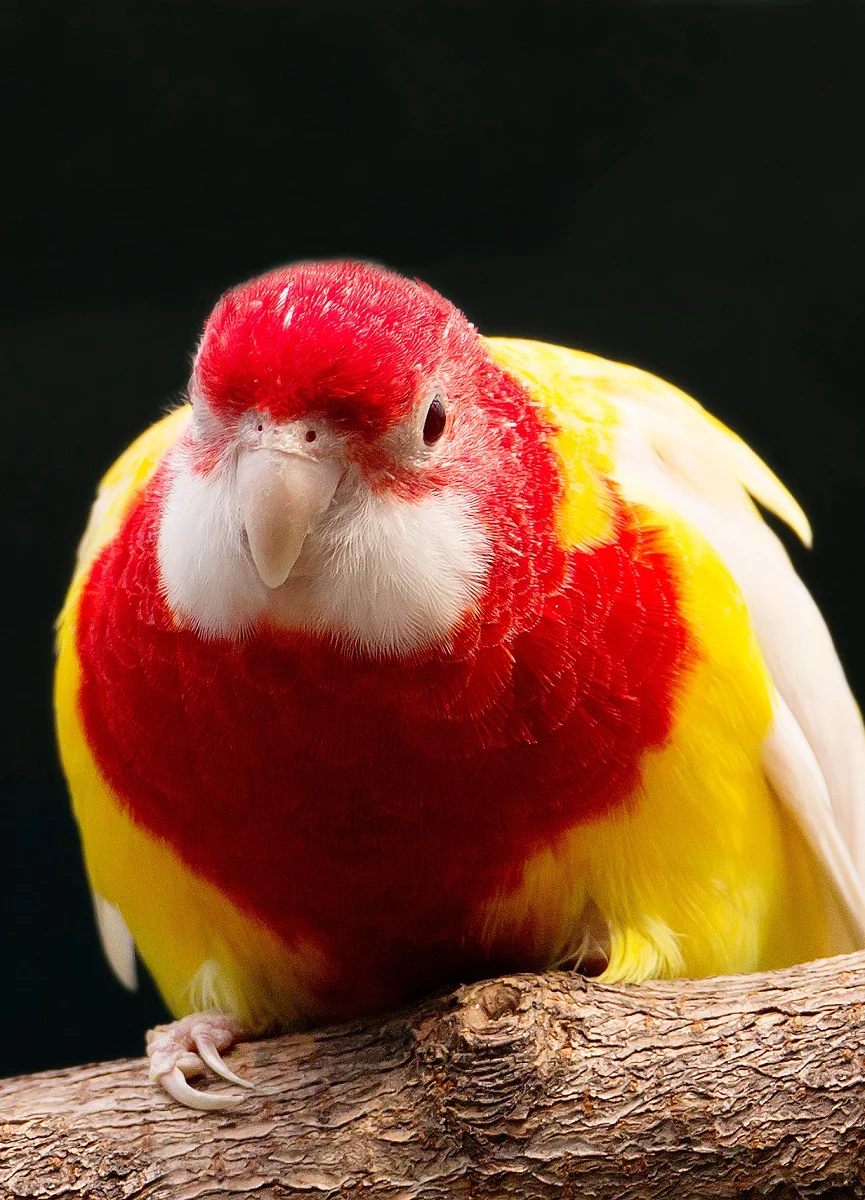
Beyond natural variations, selective breeding within the pet trade has given rise to various color morphs. The "Rubino" morph, for instance, is particularly common, characterized by a striking red, yellow, and white coloration, notably lacking the blue, green, or black pigments typically found in wild-type birds. These selectively bred varieties cater to aesthetic preferences in the avicultural community.
The Enigma of Hybrids: A Testament to Genetic Compatibility
The genus Platycercus, which includes the Eastern Rosella, is notable for the genetic compatibility among its members. This often leads to the occurrence of hybrid birds in areas where the ranges of different species overlap. Birdwatchers spotting an unusually patterned rosella might be witnessing such a hybrid. Crosses between the Eastern Rosella and species like the Crimson Rosella (P. elegans) or the Pale-headed Rosella (P. adscitus) are not uncommon, producing offspring with unique and often strikingly beautiful plumage combinations. These hybrids underscore the dynamic nature of avian evolution and the challenges in precise species identification in the wild.
Sexing the Eastern Rosella: A Visual Clue
Determining the sex of an Eastern Rosella can often be achieved visually, though it typically requires the bird to be fully mature and have completed its first molt. While not always definitive for every individual, males generally exhibit brighter and more intense coloration, particularly the reds and blues, and may have slightly larger heads and beaks. Females, conversely, tend to have slightly duller plumage and a more slender build. However, for absolute certainty, especially in less obvious cases or for breeding purposes, DNA sexing through feather or blood samples remains the most reliable method.
Geographical Footprint: Range, Habitat, and Conservation
The Eastern Rosella is aptly named, its natural distribution confined exclusively to the eastern and southeastern regions of the Australian continent, including the island of Tasmania. This geographical specificity defines its ecological niche and underscores its identity as an iconic Australian bird.
Beyond its native range, the Eastern Rosella has established introduced populations in New Zealand. This colonization is attributed to a combination of accidental escapes from captivity and deliberate releases, tracing back to incidents such as 12 rosellas escaping in Dunedin after their cage was destroyed, or a shipment being released in 1910 after entry was refused by the New Zealand Customs Department. These established populations highlight the species’ adaptability and the broader implications of human-mediated species introductions on native ecosystems.
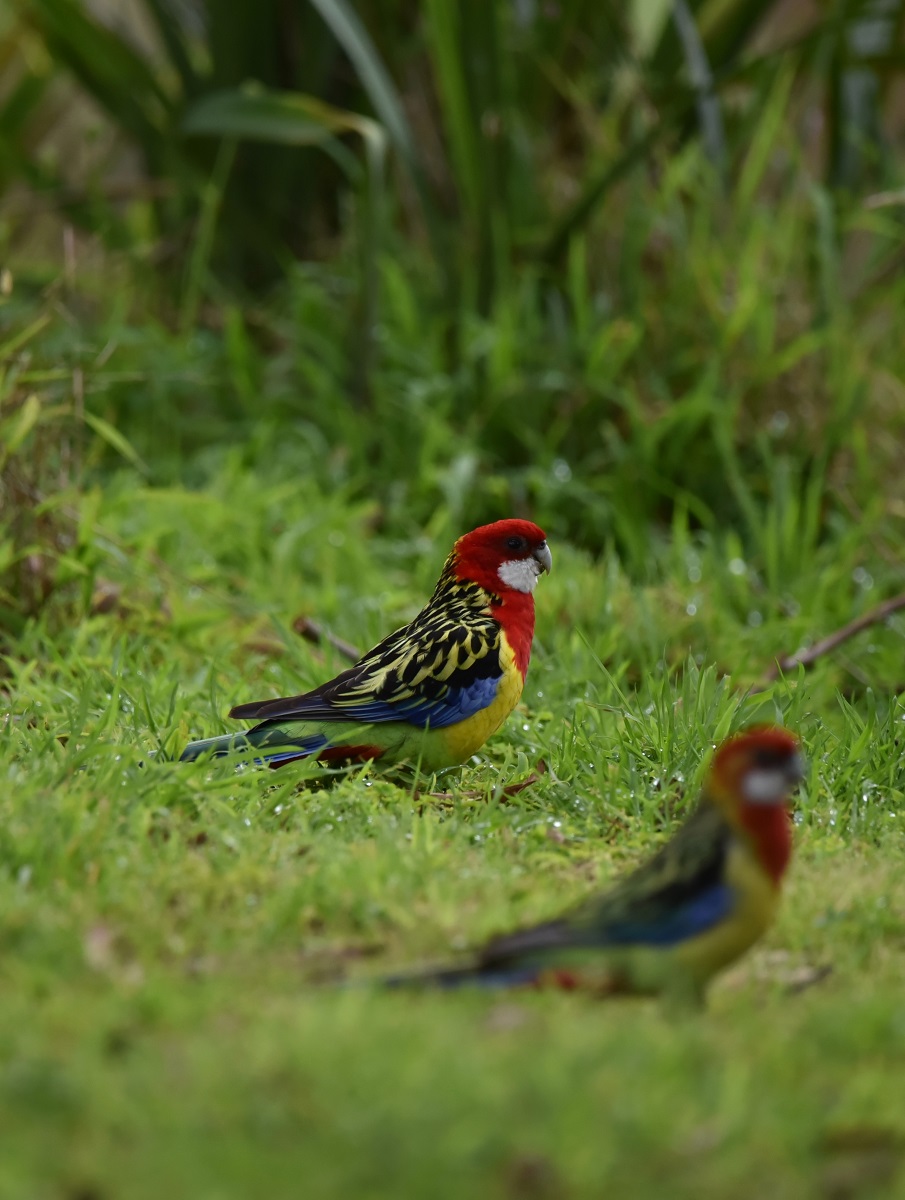
In terms of habitat, Eastern Rosellas thrive in lightly wooded environments. They are frequently observed in open forests, forest edges, Eucalyptus groves, parks, farmlands, and suburban gardens. They prefer areas with ample rainfall or access to reliable water sources and can be found at moderate altitudes, typically up to 1,250 meters (4,100 feet). In the wild, these parrots are generally encountered in pairs or small family groups, occasionally associating with other parrot and rosella species. Like most parrots, they are cavity nesters, relying on hollows in trees for breeding and roosting.
Conservation Status: A Paradox of Success
The International Union for Conservation of Nature (IUCN) Red List currently classifies the Eastern Rosella as a species of "Least Concern." This favorable conservation status is attributed to its wide natural range and a population trend that appears to be on the increase. This success, however, presents an interesting ecological paradox. The species’ prosperity is, ironically, linked to habitat degradation caused by human activities. As natural forests are cleared for agriculture, the Eastern Rosella finds itself with an abundance of new food sources in the form of crops like maize and various grains. While this scenario benefits the rosella, it simultaneously underscores the profound impact of human development on natural landscapes and the complex ways in which species adapt, sometimes thriving in altered environments at the expense of others.
Dietary Habits: From Wild Forager to Captive Companion
The diet of the Eastern Rosella is diverse and opportunistic, a characteristic shared by many parrot species. In their natural habitat, seeds form the cornerstone of their diet, with thistle seeds being a particular favorite. They also consume a variety of fruits, such as apples, berries, flowers, and flower buds. Researchers have documented their occasional consumption of insects, particularly during breeding season when protein requirements are higher. This varied foraging strategy allows them to adapt to seasonal availability and diverse ecosystems.
However, this adaptability has brought them into conflict with human interests. For centuries, and particularly since European settlement, Eastern Rosellas have been regarded as agricultural pests in Australia. Their penchant for raiding orchards and damaging crops has led to ongoing friction with farmers. Despite being protected by law, permits are occasionally granted to farmers allowing them to cull rosellas if they can demonstrate significant crop damage and the ineffectiveness of alternative mitigation strategies. This ongoing conflict highlights the complex challenges of coexistence between wildlife and agricultural expansion.
In captivity, replicating the wild rosella’s varied diet is crucial for their health and longevity. Veterinarians and avian experts, including Psittacology’s resident vet Dr. Daisy May, advocate for a base diet of high-quality, formulated pellets. These pellets are designed to provide a balanced nutritional profile that seed-only diets inherently lack. Supplementing this pellet base with a wide array of fresh produce is essential. Daily offerings should include leafy greens (kale, spinach, romaine), root vegetables (carrot), and bell peppers. Fruits such as apples, bananas, and oranges can be offered a few times a week, ensuring moderation due to their higher sugar content.
Further dietary enrichment can be provided through sprouted seeds, cooked whole grains like whole-wheat pasta and rice, and occasional treats such as millet sprays or small quantities of nuts. Protein supplements, such as boiled egg or freeze-dried mealworms, can be offered sparingly. Additionally, providing parrot-safe foraged items like fresh branches, edible weeds, and flowers can stimulate natural foraging behaviors and provide essential mental stimulation. A comprehensive understanding of parrot nutrition is vital for preventing common dietary deficiencies and promoting the overall well-being of captive rosellas.
The Eastern Rosella as a Companion: Personality and Care
Eastern Rosellas are among the more commonly kept parrot species in aviculture. They are particularly popular as aviary birds, primarily due to their stunning visual appeal. However, their territorial nature means they are often not ideal for cohabiting with smaller, less assertive aviary birds like budgies. For those seeking an indoor companion, a well-socialized Eastern Rosella can be an excellent choice. They are generally described as fun, active, curious, and social birds, and, notably for a parrot, possess a relatively low noise level. While often more independent than some other parrot species, many rosellas develop strong bonds with their human caregivers and enjoy interactive time.
Housing Requirements: A Spacious Sanctuary
Providing adequate housing is paramount for the well-being of an Eastern Rosella. As with all parrots, the mantra "bigger is always better" holds true. A minimum cage length of 1 meter (40 inches) is recommended to allow the bird sufficient space to stretch its wings and engage in limited flight. The cage bars should be spaced no more than 1.25 centimeters (0.5 inches) apart to prevent escapes and injuries.
The cage interior should be thoughtfully equipped. A variety of natural perches, differing in diameter and texture, is essential for foot health and exercise. Stainless steel food bowls and multiple sources of fresh water, changed daily, are standard. A diverse selection of parrot toys is crucial for mental stimulation, preventing boredom and destructive behaviors. These can include shreddable toys, foraging toys, and puzzle toys.
Enrichment: Fueling an Intelligent Mind
Parrots, being highly intelligent creatures, are prone to boredom, which can manifest as stress, feather plucking, and other undesirable behaviors. Therefore, a robust enrichment program is vital for an Eastern Rosella. Beyond toys, owners should consider:
- Foraging Opportunities: Hiding food in various locations or using foraging toys encourages natural problem-solving and extends mealtime engagement.
- Supervised Out-of-Cage Time: Allowing the bird to explore a parrot-proofed room under supervision provides essential exercise and mental stimulation.
- Regular Interaction: Daily interaction with caregivers, including talking, playing, and training, reinforces social bonds and prevents loneliness.
- Natural Elements: Providing fresh, parrot-safe branches (e.g., eucalyptus, bottlebrush) for chewing and stripping mimics natural behaviors and offers environmental enrichment.
- Bathing Opportunities: A shallow dish of water or a light misting can encourage preening and maintain feather health.
Vocalization and Talking Ability
Compared to many other parrot species, Eastern Rosellas are not known for being excessively loud. Their vocalizations primarily consist of pleasant whistles, chirps, and softer calls, rather than the piercing flock calls characteristic of some larger parrots. This makes them a more suitable choice for apartment living or homes with noise considerations, provided walls are not excessively thin. Recordings of their vocalizations are available through resources like Xeno-Canto.
While not among the most prolific talkers, Eastern Rosellas do possess the ability to mimic sounds and, with patience and consistent training, can learn to speak words or even short tunes. Their mimicry often extends to household noises, which can be quite amusing. Realistic expectations are key; while they may not rival the vocabulary of an African Grey, their capacity for mimicry adds another layer to their engaging personality.
Lifespan and Commitment: A Long-Term Companion
With proper care, an Eastern Rosella can live for 20 to 30 years. This significant lifespan represents a long-term commitment for potential owners, requiring consistent attention to diet, housing, enrichment, and veterinary care throughout its life. Prospective owners must be prepared for this enduring responsibility.
Safety and Emergency Preparedness
Due to their inherent curiosity and delicate nature, parrots can easily encounter hazards in a home environment. It is imperative that any space accessible to an Eastern Rosella is thoroughly parrot-proofed. This includes removing toxic plants, securing windows and doors, covering electrical cords, and eliminating access to small objects that could be ingested. Furthermore, owners should familiarize themselves with basic parrot emergency care procedures and have the contact information for an avian veterinarian readily available. Prompt action in an emergency can significantly improve outcomes for an injured or ill bird.
Broader Implications: Coexistence and Responsibility
The Eastern Rosella’s story is a microcosm of broader ecological themes. Its adaptability, allowing it to thrive even amidst habitat alteration, highlights the resilience of some species while posing questions about the long-term impacts of such changes. Its status as an introduced species in New Zealand serves as a reminder of the ecological responsibilities associated with human activities and the potential for unintended consequences. As a pet, the Eastern Rosella demands a high level of commitment and informed care, underscoring the ethical dimensions of keeping intelligent, long-lived birds in captivity. By understanding and respecting this vibrant species, whether in the wild or as a cherished companion, we gain deeper insights into the intricate relationships between humans and the natural world.

