


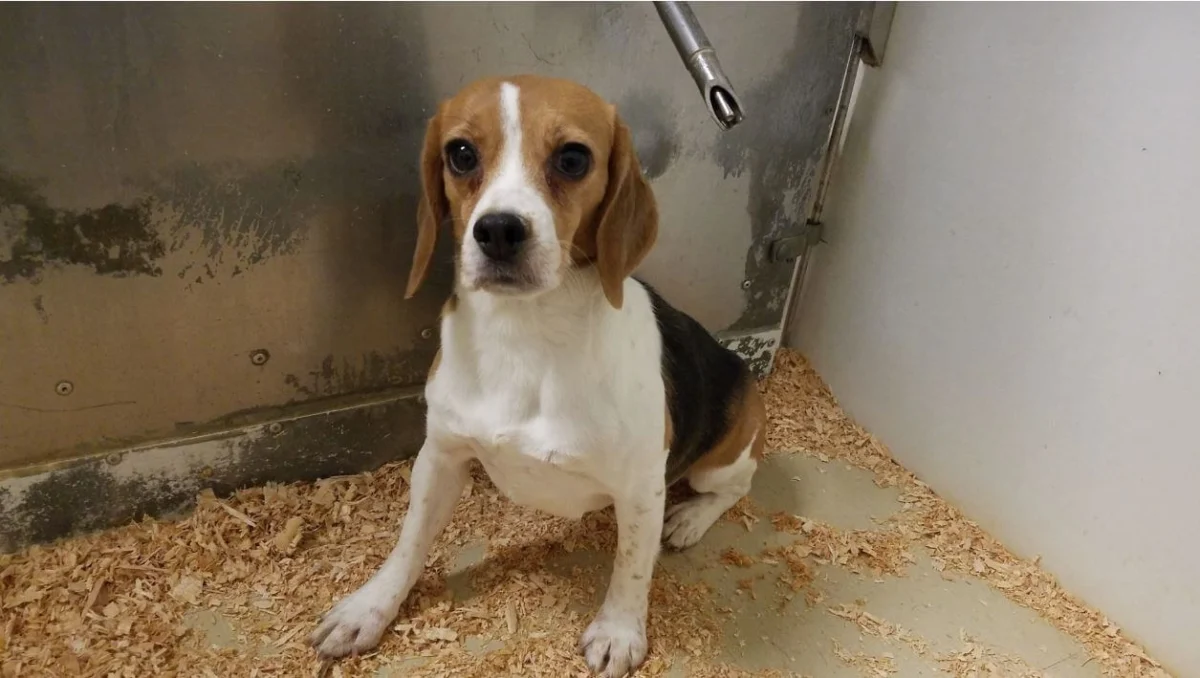
In a significant victory for animal welfare advocates, the private testing facility known as Red Beast Enterprises, which also operated under the name High Quality Research, has officially ceased operations, resulting in the liberation of nearly 70 cats and dogs. The closure, finalized on May 15, 2026, follows a protracted legal and public relations battle sparked by a 2025 undercover investigation by People for the Ethical Treatment of Animals (PETA). The surviving animals, many of whom have spent their entire lives within the confines of barren laboratory cages, are currently being transported to specialized rehabilitation centers where they will receive veterinary care and socialization in preparation for domestic adoption.
The dissolution of Red Beast Enterprises marks the end of a facility that had become a focal point of intense scrutiny regarding the ethical treatment of animals in biomedical and product safety testing. For years, the laboratory functioned as a contract research organization (CRO), providing testing services for various industries. However, internal findings released by whistleblowers and undercover agents painted a starkly different picture of the "high quality" research promised by the company’s branding, revealing systemic neglect and procedures that critics have described as archaic and inhumane.
The 2025 Undercover Investigation and Its Findings
The catalyst for the facility’s downfall was a comprehensive undercover operation conducted by PETA in 2025. An investigator embedded within the staff of Red Beast Enterprises documented the daily lived experiences of the animals housed there, providing a rare and harrowing glimpse into the reality of commercial animal testing. The evidence gathered included video footage, photographic documentation, and detailed logs of animal behavior and medical neglect.
One of the most prominent cases to emerge from the investigation was that of a beagle named Temple. Identified only by the alphanumeric code "JGI2" tattooed inside her ear, Temple spent the first three years of her life in a cinderblock and tile cell. The investigation revealed that Temple, like many other dogs in the facility, lived in a state of perpetual fear. She was observed cowering in the back of a chain-link kennel, devoid of any environmental enrichment or bedding.
The investigation also highlighted the use of "debarking" procedures, or devocalization, on the laboratory’s canine population. This surgical procedure, known medically as a ventriculocordectomy, involves the removal or mutilation of an animal’s vocal cords. According to the investigative report, the facility’s veterinarian performed these surgeries to minimize the noise within the kennel areas, often without providing adequate post-operative pain relief. The procedure does not address the underlying stress or reasons for barking; rather, it merely silences the animal’s ability to express distress, a practice that has been widely condemned by various veterinary associations as unethical when performed for administrative convenience.

Chronology of the Facility’s Decline
The path to the closure of Red Beast Enterprises was marked by several critical milestones over the past twelve months:
- May 2025: PETA releases the findings of its undercover investigation, triggering immediate public outcry and calls for federal intervention.
- July 2025: The United States Department of Agriculture (USDA) conducts a series of unannounced inspections. While the specific results of these inspections were subject to administrative review, sources indicate that multiple violations of the Animal Welfare Act (AWA) were documented, ranging from inadequate veterinary care to failure to meet basic housing standards.
- September 2025: Widespread protests are organized outside the facility’s headquarters and the offices of its primary contractors. The "Free the Red Beast 70" campaign gains significant traction on social media.
- January 2026: Legal pressure mounts as animal rights attorneys file a series of petitions questioning the facility’s compliance with state and federal animal cruelty statutes. Concurrently, several major clients reportedly began severing ties with the laboratory to avoid reputational damage.
- March 2026: Red Beast Enterprises announces it will begin "phasing out" its animal testing operations, citing a shift in market demand toward alternative testing methods.
- May 15, 2026: The facility officially closes its doors. The remaining 70 animals are surrendered to animal welfare organizations.
Quantitative Data on Laboratory Animal Usage
The closure of Red Beast Enterprises occurs against a backdrop of evolving national statistics regarding animal experimentation. According to the most recent USDA Animal and Plant Health Inspection Service (APHIS) reports, approximately 60,000 dogs and 18,000 cats are used in research, testing, and teaching across the United States annually. Beagles are the most common breed of dog used in these settings due to their docile, forgiving nature, which makes them easy for laboratory staff to handle even during invasive procedures.
The "High Quality Research" facility was part of a broader network of private laboratories that account for a significant portion of these numbers. While proponents of animal testing argue that these models are essential for human medical advancement, the PETA investigation at Red Beast Enterprises has bolstered the argument that many commercial facilities fail to provide even the most basic standards of humane care required by law. Furthermore, scientific data suggests that upwards of 90% of basic research—most of which involves animals—fails to lead to human treatments, and more than 95% of new drugs that appear safe and effective in animal tests fail in human clinical trials.
Rehabilitation and the Role of Kindness Ranch
The nearly 70 cats and dogs liberated from Red Beast Enterprises have been transferred to the custody of Kindness Ranch Animal Sanctuary. Located on 1,000 acres in Wyoming, Kindness Ranch is one of the few organizations in the United States specifically dedicated to the rehabilitation of animals used in laboratory research.
The transition from a sterile, high-stress laboratory environment to a sanctuary or a domestic home is often a complex process for these animals. Laboratory-raised dogs, like Temple the beagle, frequently lack basic socialization. They may have never walked on grass, seen the sun, or experienced positive human interaction. Experts at Kindness Ranch noted that many of the arriving animals exhibit signs of post-traumatic stress, including repetitive stereotypic behaviors, extreme fear of loud noises, and "pancaking"—a defensive behavior where a dog flattens itself against the ground when approached.
The rehabilitation process involves gradual exposure to new environments, nutritional support to recover from the physical toll of laboratory life, and behavioral therapy to build trust with humans. Temple, who was rescued earlier in the process, has served as a success story for the organization. Now living with a permanent family, she has reportedly transitioned from a terrified "piece of equipment" to a social animal capable of playing and making independent choices.
Official Responses and Industry Implications
While Red Beast Enterprises has not issued a comprehensive final statement beyond its closure announcement, the broader research community has reacted with a mix of caution and calls for reform. Industry groups have emphasized that the actions of a single facility should not be used to characterize the entire biomedical research sector. However, the graphic nature of the evidence provided by PETA has made it difficult for the industry to maintain the status quo.
Regulatory bodies have also come under fire. The closure has prompted renewed calls for the USDA to increase the frequency and rigor of its inspections and for the National Institutes of Health (NIH) to accelerate the transition to non-animal testing methodologies. PETA’s "Research Modernization Deal," a strategic plan to phase out the use of animals in favor of more sophisticated, human-relevant methods—such as organs-on-a-chip, high-speed computer modeling, and human cell-based research—has gained renewed legislative interest in the wake of this scandal.
Broader Impact and Future Outlook
The liberation of the Red Beast animals is being hailed as a landmark moment for the animal rights movement in the mid-2020s. It represents a successful intersection of undercover journalism, public advocacy, and regulatory pressure. The case has also highlighted the psychological impact on workers within these facilities; PETA’s investigator reported that the normalization of suffering was a prerequisite for employment, a factor that contributes to high turnover rates and a lack of accountability in the industry.
As the 70 cats and dogs begin their new lives in Wyoming and eventually in "forever homes" across the country, the conversation shifts toward the thousands of animals still remaining in similar facilities. Advocates are currently urging members of Congress to introduce and support legislation that would mandate the retirement of laboratory animals to sanctuaries once their use in experiments has concluded, rather than the standard practice of euthanasia.
The closure of "High Quality Research" serves as a cautionary tale for the contract research industry. It demonstrates that in an era of increased transparency and digital connectivity, the "barren enclosures" and "cinderblock cells" of the past can no longer remain hidden from public view. The move toward animal-free science is not merely an ethical imperative but is increasingly seen as a scientific necessity to improve the accuracy and safety of modern medicine. For the survivors of Red Beast Enterprises, however, the significance of this shift is much simpler: it is the difference between a life of silence and fear and a life of freedom and care.

