


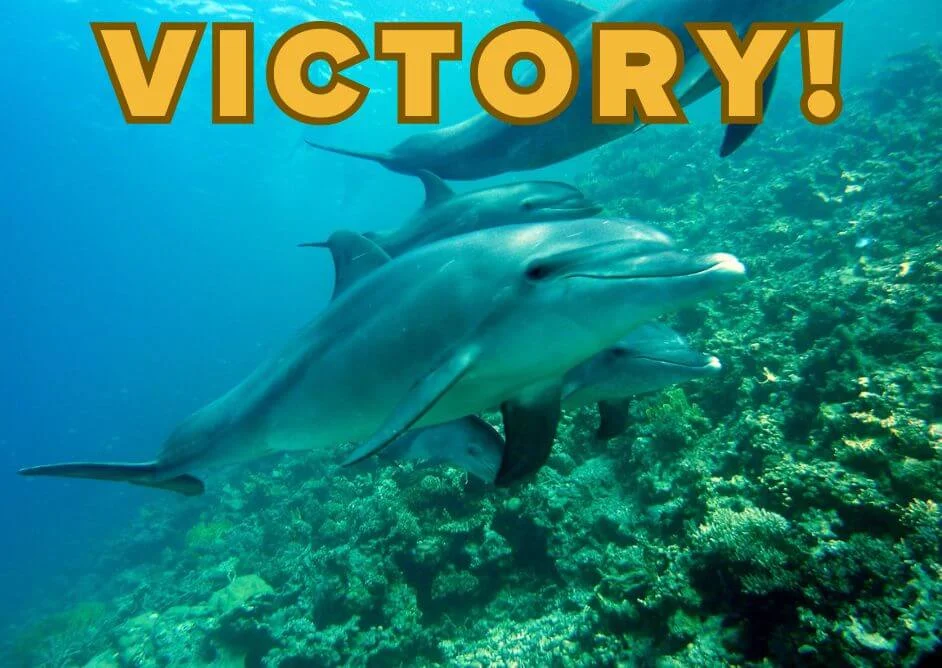
The landscape of marine mammal tourism is undergoing a significant transformation as two major vacation destinations, Aulani, A Disney Resort & Spa in Hawaii, and Hawks Cay Resort in the Florida Keys, have officially confirmed the termination of their "swim-with-dolphins" programs. This move follows years of intensive advocacy by animal rights organizations, most notably People for the Ethical Treatment of Animals (PETA), which has long argued that such interactive encounters are inherently stressful and detrimental to the well-being of cetaceans. The decision reflects a broader shift in consumer sentiment and corporate responsibility within the travel and hospitality industry, as major brands move away from animal-based entertainment that relies on the captivity of highly intelligent marine species.
At Aulani, located in Kapolei on the island of Oahu, the resort has ceased its promotion and partnership with Sea Life Park Hawaii for off-site dolphin encounter excursions. This shift aligns with a recent corporate directive from The Walt Disney Company regarding animal welfare. In early 2024, Disney announced it would relocate the dolphins housed at EPCOT’s "The Seas with Nemo & Friends" in Florida to a sanctuary-style environment, signaling a top-down reassessment of how the company incorporates marine mammals into its guest experiences. Simultaneously, Hawks Cay Resort in Duck Key, Florida, has confirmed it will not resume its dolphin encounter programs following the closure of the onsite facility previously operated by a third-party partner.
The Evolution of Corporate Policy and Public Sentiment
The transition away from dolphin encounters at these high-profile resorts is not an isolated event but rather a milestone in a decade-long trend often referred to by industry analysts as the "Blackfish Effect." Since the 2013 release of the documentary Blackfish, which highlighted the psychological and physical toll of captivity on orcas, public scrutiny of marine parks has intensified. This scrutiny has expanded from orcas to include all cetaceans, including bottlenose dolphins, which are the primary species used in "swim-with" programs.
For Disney, the decision to distance Aulani from Sea Life Park Hawaii is particularly noteworthy given the park’s controversial history. Sea Life Park has faced years of criticism regarding its aging infrastructure and the mortality rates of its marine residents. By ending the promotion of these tours, Disney is effectively removing its endorsement of facilities that do not meet modern ethical standards for animal care. For Hawks Cay Resort, the change marks the end of a long-standing attraction that was once a central draw for the property. The resort’s program was previously managed by an entity linked to the parent company of the now-defunct Miami Seaquarium, a facility that was shuttered following a series of high-profile animal welfare violations and the death of the orca Lolita (Tokitae).
Biological and Psychological Impact of Captivity on Dolphins
To understand the gravity of these policy changes, it is essential to examine the scientific data regarding dolphin biology and the impact of captive environments. In their natural habitats, bottlenose dolphins are highly social, nomadic animals that travel up to 60 miles per day and dive to depths of several hundred feet. They live in complex matrilineal societies and use sophisticated echolocation to navigate and hunt in the vastness of the ocean.
In contrast, "swim-with-dolphins" programs typically confine these animals to concrete tanks or small, shallow coastal lagoons. Research has shown that these environments are acoustically "loud" for dolphins; their sonar bounces off the walls of tanks, leading to sensory deprivation or chronic stress. Furthermore, the interactive nature of these programs—where dolphins are subjected to constant handling, "belly rides," and posing for photographs—disrupts their natural behavioral patterns.
Data from marine biologists suggest that captive dolphins often exhibit signs of "learned helplessness" and chronic stress, which can manifest in suppressed immune systems and repetitive behaviors known as stereotypies. The presence of human swimmers introduces foreign bacteria and chemicals from sunscreens into the water, which can lead to skin and eye infections for the animals. By acknowledging these factors, resorts like Aulani and Hawks Cay are responding to a growing body of evidence that suggests the "entertainment" value of these encounters does not justify the biological cost to the animals.
A Chronology of the Shift in Marine Tourism
The movement toward ending cetacean captivity has gained momentum through a series of legislative and corporate milestones over the last several years:
- 2016: SeaWorld announced the end of its orca breeding program, signaling the beginning of the end for theatrical orca shows in the United States.
- 2019: Canada passed the "Free Willy" bill (Bill S-203), which banned the keeping, breeding, and trade of cetaceans for entertainment purposes, setting a global legislative precedent.
- 2020-2022: Major travel providers, including TripAdvisor, Virgin Holidays, and British Airways Holidays, announced they would no longer sell tickets to facilities that breed or import dolphins and whales for public display.
- 2023: The Miami Seaquarium faced a series of USDA inspections that led to the eventual termination of its lease by Miami-Dade County, citing failure to maintain the facility and provide adequate veterinary care.
- 2024: Disney confirmed the relocation of its EPCOT dolphins and the cessation of dolphin encounter promotions at Aulani.
This timeline illustrates a narrowing market for captive dolphin experiences. As insurance costs for animal exhibits rise and public relations risks increase, resorts are finding that the "swim-with" model is no longer a viable or ethical component of a luxury vacation package.
Economic Implications and the Rise of Ethical Tourism
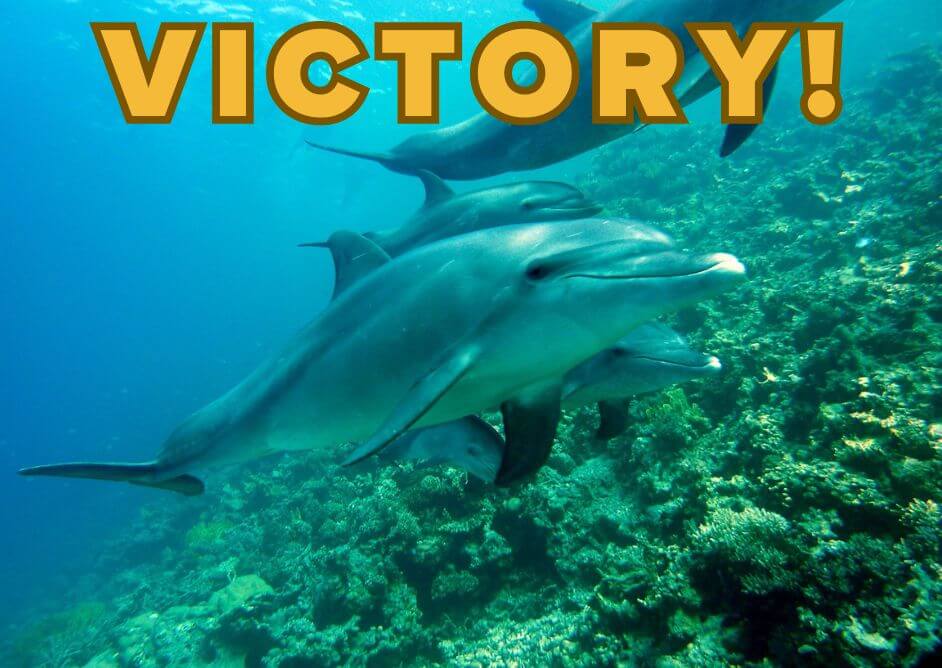
The decision by Aulani and Hawks Cay is also driven by economic shifts in the travel industry. Modern travelers, particularly Millennials and Generation Z, are increasingly prioritizing "ethical tourism" and "eco-friendly" experiences. According to data from various travel association surveys, a significant majority of travelers now express a preference for seeing animals in their natural habitats rather than in captive settings.
This shift has led to the rise of responsible whale and dolphin watching tours, where animals are observed from a distance in the wild, guided by naturalists who emphasize conservation education. For Hawaii and Florida, two states with robust wild dolphin populations, this transition offers a more sustainable economic model. By pivoting away from captive encounters, resorts can focus on promoting wild-watching excursions that support local ecosystems and provide guests with a more authentic understanding of marine life.
The financial risk of maintaining captive animal programs has also increased. The cost of veterinary care, high-quality food, and the maintenance of life-support systems for marine mammal tanks is substantial. When combined with the potential for negative publicity and boycotts organized by advocacy groups, the cost-benefit analysis for many resorts has tipped toward phasing these programs out entirely.
Official Responses and Stakeholder Perspectives
While Hawks Cay Resort has characterized the move as a change in course following the closure of a partner program, the broader implications are clear. In statements to advocacy groups, the resorts have indicated a desire to evolve their guest experiences to better reflect contemporary values. PETA, which led the campaign to influence these resorts, has praised the decisions as a "splash of progress."
"Dolphins are not playthings or photo props; they are intelligent, sensitive individuals who belong in the ocean with their families," stated a representative from PETA’s captive animal department. "By ending these harmful encounters, Aulani and Hawks Cay are setting a standard for the rest of the travel industry to follow."
Industry analysts suggest that this move will put pressure on other major resorts and cruise lines that still offer dolphin encounters as part of their shore excursions. Facilities in the Caribbean and Mexico, where regulations are often less stringent than in the U.S., remain a primary focus for activists. However, as major American brands like Disney lead the way, the "social license" for these facilities to operate is rapidly diminishing.
The Future of Marine Mammal Facilities
The closure of these programs raises questions about the future of the dolphins currently held in these facilities. Advocacy groups are increasingly calling for the development of seaside sanctuaries—large, netted-off coastal areas where retired captive dolphins can live out their lives in a more natural setting while still receiving human care and food.
The successful relocation of dolphins from EPCOT to a facility with higher welfare standards is seen as a stepping stone toward this sanctuary model. As more resorts and parks end their programs, the demand for sanctuary space is expected to grow. This transition represents the next phase of the marine mammal welfare movement: moving beyond the cessation of entertainment and toward the long-term rehabilitation and protection of formerly captive animals.
Conclusion
The decision by Aulani Disney Resort and Hawks Cay Resort to terminate their dolphin swim programs marks a pivotal moment in the intersection of tourism and animal ethics. It serves as a recognition that the high-intelligence and complex social needs of dolphins are incompatible with the constraints of commercial "swim-with" programs. As the travel industry continues to evolve, the focus is shifting toward experiences that prioritize the protection of wildlife and the preservation of natural habitats over the exploitation of animals for entertainment.
For the guests of these resorts, the change reflects a new era of travel—one where luxury and leisure are defined not by the proximity to captive animals, but by a commitment to the ethical treatment of the natural world. The "tide is turning" for dolphins, and the actions of these two major destinations are likely to serve as a catalyst for further change across the global tourism sector.

