


Squirrels, those ubiquitous acrobats of the suburban landscape, are renowned for their tenacity and their insatiable appetites. Birdseed and nuts are particularly prized items on their culinary wishlist, often placing them in direct competition with the very birds many homeowners aim to attract. The age-old question for backyard enthusiasts is whether these furry, quick-witted mammals and our feathered friends can coexist peacefully, especially when a shared buffet is involved. The straightforward answer is a qualified yes, but the caveat is significant: their harmony crumbles the moment food becomes the prize.
The Common Ground: A Shared Love for Birdseed
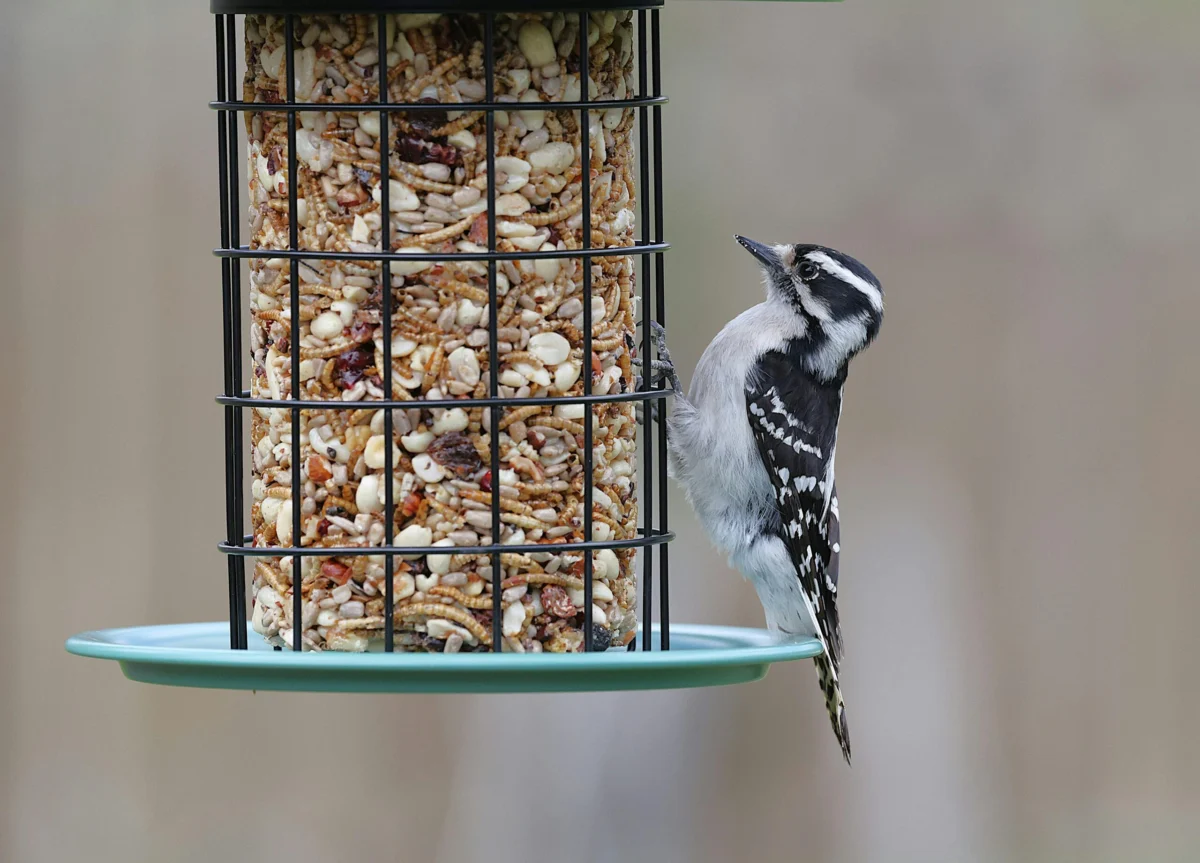
Both birds and squirrels exhibit a strong predilection for the offerings in bird feeders. This shared culinary preference is the primary catalyst for the frequent skirmishes observed in gardens across the country. While birds are adept at flitting and perching, they are often outmatched by the sheer size and aggressive determination of squirrels. These larger mammals can easily scare off smaller avian visitors, leaving them to monopolize the feeder and its contents. This imbalance of power is a recurring theme in the dynamic between squirrels and bird feeders.
Squirrels are not merely opportunistic scavengers; they are highly evolved survivalists. Their impressive leaping abilities, capable of clearing distances of over ten feet, coupled with their exceptional climbing and digging skills, make them formidable adversaries. Their intelligence is equally remarkable; they learn quickly and display unwavering persistence in achieving their goals. This persistence extends to their methods, with squirrels known to gnaw and claw their way through wooden and plastic feeders, demonstrating a commitment to their meal that often results in damaged or destroyed feeding apparatus.
Squirrels and Birdfeeders: A Persistent Challenge
The appeal of high-quality birdseed, nuts, and suet is a powerful draw for both avian and squirrel populations. Black oil sunflower seeds, a staple in many birdseed mixes, are a particular favorite. While many find the antics of squirrels endearing and entertaining, their insatiable appetites and assertive nature can transform a peaceful bird-watching sanctuary into a battleground.
Unlike many bird species that exhibit a degree of tolerance and willingness to share feeding spaces with other birds, squirrels often display a more dominating attitude. Their voracious appetites mean they can quickly deplete a feeder, leaving nothing for the birds that rely on it. This behavior can be particularly disheartening for birdwatchers who invest time and resources into creating a welcoming environment for their feathered visitors.
The author’s note emphasizes the destructive capabilities of squirrels. Their persistent efforts to access bird feeders can lead to significant damage, rendering feeders unusable. This not only incurs replacement costs but also disrupts the feeding routine for birds. Beyond simply consuming seeds, squirrels can pose a more serious threat to nesting birds. Their predatory instincts may lead them to raid nests for eggs or even newly hatched chicks, making gardens with a high squirrel population less attractive to nesting birds. This ecological interaction highlights a delicate balance within backyard ecosystems.
Protecting Your Bird Feeders: Strategies for Success
Safeguarding bird feeders from the persistent attentions of squirrels requires a multi-faceted approach, often tailored to individual garden layouts and the types of feeders used. Squirrels are cunning adversaries, and successful deterrence often involves a combination of strategies. Some enthusiasts have even devised elaborate obstacle courses, turning the squirrels’ quest for food into an amusing challenge.
Strategic Location: The First Line of Defense
The placement of a bird feeder is paramount in any squirrel-proofing strategy. To make access difficult, feeders should be situated far from potential launch points such as porches, gutters, trees, and overhead wires. This spatial separation forces squirrels to make longer, more challenging jumps, increasing the likelihood of failure.
A common recommendation is to mount bird feeders on smooth metal poles that are at least six feet off the ground. This height alone can deter many squirrels. Furthermore, pruning bushes and tree branches within a 12-foot radius of the feeder can eliminate intermediate perches and jumping-off points, effectively restricting their access. This proactive landscaping can significantly reduce a squirrel’s ability to reach the feeder.
Caging Your Feeder: Creating a Protective Barrier
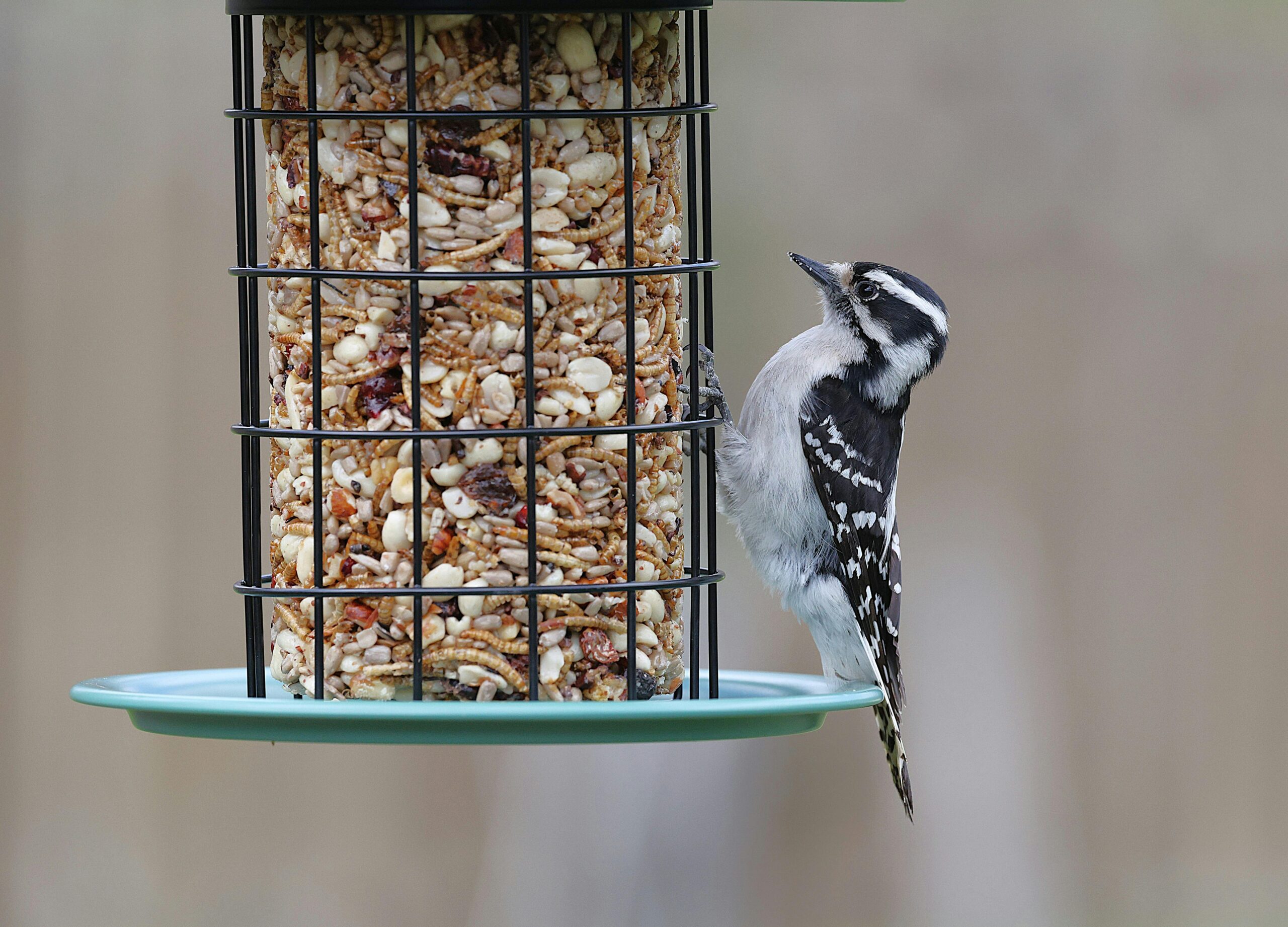
For smaller backyards where ideal feeder placement is not feasible, caging the feeder offers a viable solution. Wrapping a feeder in chicken wire with openings small enough to exclude squirrels but large enough for birds to access is an effective method. This not only keeps squirrels out but can also deter larger, more aggressive bird species like pigeons and starlings, allowing smaller birds to feed undisturbed. Many commercially available "squirrel-proof" feeders already incorporate such caging mechanisms or designs that limit access.
Tilting Feeders and Spinners: Unbalancing the Foe
Innovative feeder designs are also available to combat squirrel invasions. Some feeders are engineered to spin or tilt when a squirrel attempts to climb onto them. This sudden movement unbalances the animal, making it difficult to maintain a grip and reach the food. Observing these feeders in action can be as entertaining as watching the squirrels themselves, often resembling an impromptu circus act.
Another creative approach involves hanging feeders from a thin, horizontal wire and threading spinners onto the wire. These spinners, which can be fashioned from simple materials like short pieces of pipe or old sewing thread spools, rotate when a squirrel attempts to walk on the wire. This disorientation causes the squirrel to lose its footing and fall, effectively deterring it from reaching the feeder.
Baffles: The Dome of Defense
Baffles are dome-shaped or cylindrical guards designed to prevent squirrels from reaching feeders. Typically made of smooth plastic or metal, they can be purchased or even crafted at home. For maximum effectiveness, baffles should be at least 15 inches wide and sloped downwards to prevent squirrels from reaching around them. Many modern baffles are designed to spin or twirl when weight is applied, further destabilizing any squirrel attempting to ascend.
Maintaining a Tidy Feeding Area: Eliminating Temptation
Cleanliness around bird feeders plays a crucial role in deterring squirrels. Spilled seeds and debris can attract squirrels and other unwanted visitors. Regularly clearing the area beneath the feeder removes potential food sources and discourages squirrels from lingering. Furthermore, spilled seeds can become old, rot, or become contaminated, posing health risks to both birds and other wildlife.
Feeder Style and Material: Building Resilience
The choice of feeder can significantly impact its vulnerability to squirrels. Investing in feeders specifically designed to be squirrel-proof is often a wise decision. These feeders may feature weight-activated doors or hatches that close when a heavier animal like a squirrel attempts to access the seed. Birds, being significantly lighter, can still access the food without triggering the mechanism.
Alternatively, feeders constructed from sturdy metal or featuring robust designs are less susceptible to damage from squirrels’ gnawing and clawing. This durability can save homeowners the recurring cost and frustration of replacing damaged feeders.
Seed Selection: A Matter of Taste
Squirrels are attracted to a wide variety of birdseed, but some options are less appealing to them. Nyjer seed and safflower seed, for instance, possess a bitter taste that squirrels generally avoid. By incorporating these seeds into your birdseed mix, you can continue to attract birds while making the offerings less desirable to your furry competitors.
The Spicy Solution: A Natural Deterrent
Mammals, including squirrels, possess a sensitivity to capsaicin, the compound found in chili peppers. Birds, however, are immune to its effects. Sprinkling cayenne pepper or other spicy seasonings onto birdseed can effectively deter squirrels without harming the birds. It is important to note that this method requires regular reapplication, especially after rain. Pre-treated chili seeds and suet are also available commercially for convenience. When handling cayenne pepper, it is advisable to wear gloves and avoid inhaling the dust to prevent irritation.
Humane Trapping and Relocation: When All Else Fails
For severe squirrel infestations, contacting local wildlife authorities may be necessary. They can provide guidance on humane trapping and relocation methods, ensuring compliance with local regulations. It is crucial to understand and adhere to wildlife laws, as illegal trapping or relocation can have negative consequences for both the animals and the environment.
Removing Shelter: Discouraging Habitation
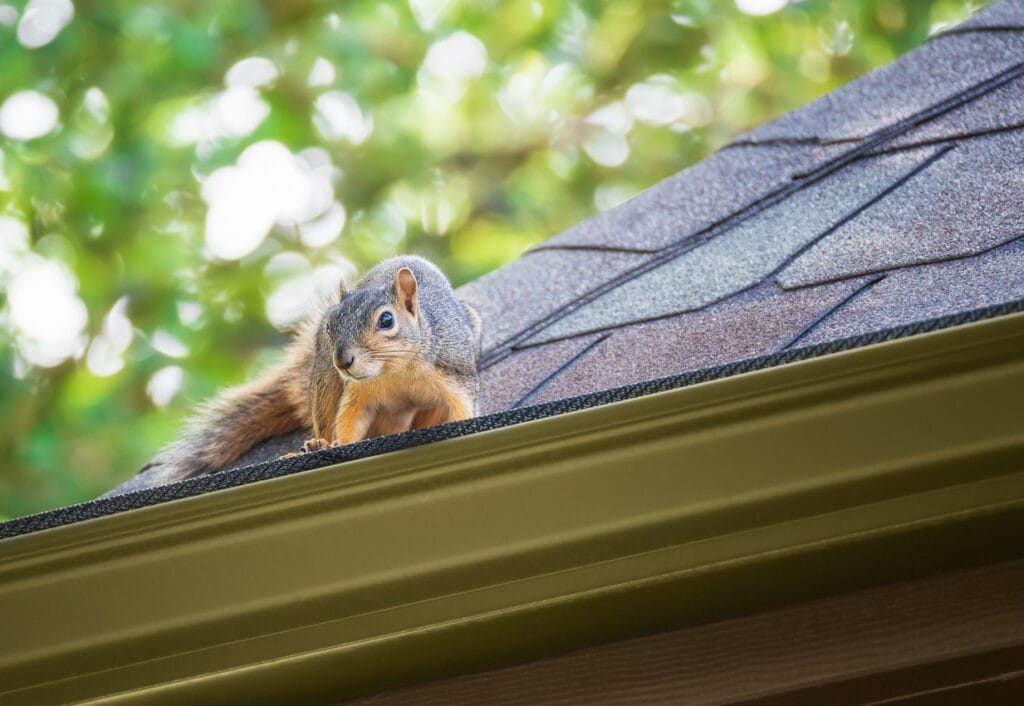
Squirrels are more likely to frequent areas where they can find shelter. By removing potential nesting sites around your home, such as old sheds, attics, or eaves, you can encourage them to seek habitat elsewhere. This proactive measure can reduce the overall squirrel population in your immediate vicinity, making feeder raids less frequent.
What Not to Do: Ethical Considerations
While the persistence of squirrels can be frustrating, it is imperative to employ humane and ethical methods for deterrence. Methods such as hunting, poisoning, or intentionally endangering squirrels are not only inhumane but can also have detrimental effects on the wider ecosystem. Poisoned bait, for example, can inadvertently harm birds, domestic pets, and other wildlife, including raptors that prey on poisoned animals.
Introducing domestic cats to deter squirrels is also ill-advised. Cats are indiscriminate hunters and may pose a threat to birds and other small animals. Similarly, coating feeder poles with oil or grease can cause illness or vulnerability if birds or other animals come into contact with these substances. The goal should always be to coexist with wildlife responsibly.
Conclusion: Finding a Balance in the Backyard Ecosystem
In instances where squirrel deterrence proves consistently challenging, temporarily removing bird feeders for a few weeks can encourage squirrels to seek food elsewhere. However, they are likely to return once feeders are reinstated. Ultimately, achieving a completely squirrel-proof bird feeder may be an elusive goal.
A more harmonious approach involves establishing a dedicated feeding station for squirrels. Offering them an easily accessible source of nuts, corn, and berries can divert their attention from bird feeders, ensuring that birds can feed without interruption. This strategy acknowledges that squirrels are an integral part of the natural landscape and deserve their own place in the garden ecosystem.
Squirrels, with their fascinating skills and characteristics, have as much a right to be in our gardens as birds, insects, and other creatures. Observing their behaviors can be as rewarding as watching songbirds. While numerous methods exist to protect bird feeders, occasional squirrel visits are an expected part of backyard wildlife observation.
Happy feeding and watching!
FAQ
Do squirrels kill birds?
Squirrels are primarily vegetarians and do not typically hunt birds for food. However, they may injure a bird if they feel threatened. A more significant concern is their tendency to raid nests for eggs or unattended nestlings.
Do birds kill squirrels?
Yes, birds of prey such as hawks, falcons, owls, and eagles are natural predators of squirrels. Smaller birds, however, are unlikely to pose a threat to a squirrel in a direct confrontation over food.

