


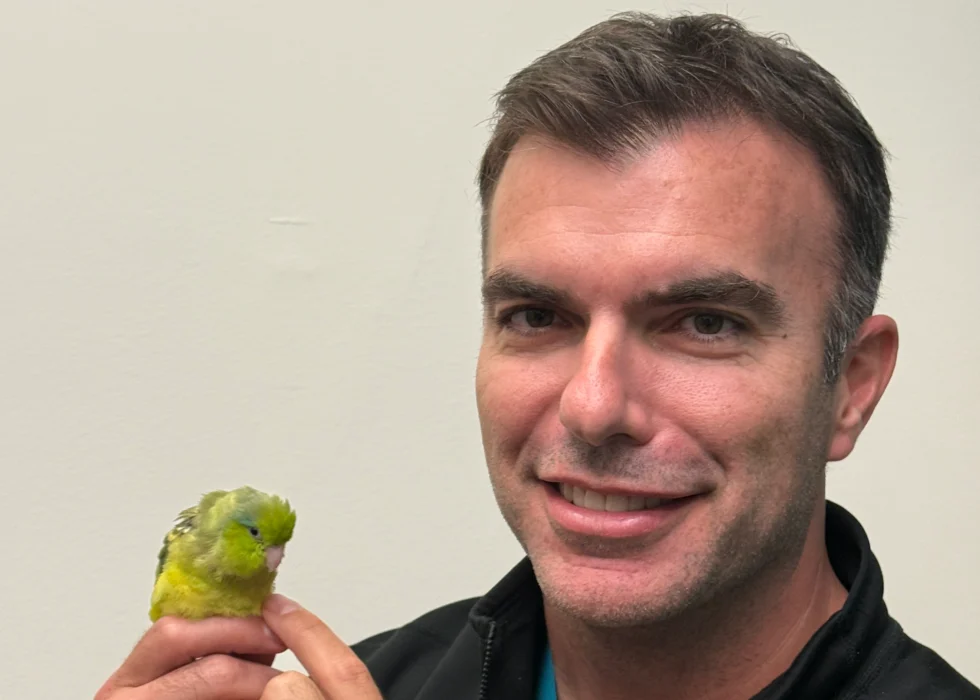
The global veterinary community recently gathered at the 47th Annual Conference of the Association of Avian Veterinarians (AAV) to recognize excellence in the specialized field of avian medicine. Among the most prestigious honors bestowed during the event’s Plenary Session was the T.J. Lafeber Avian Practitioner of the Year Award, which was presented to Dr. David Sanchez-Migallon Guzman. This accolade, representing the pinnacle of peer-nominated achievement, highlights Dr. Guzman’s extensive contributions to clinical zoological companion animal medicine and his commitment to the welfare of exotic species.
A Legacy of Excellence: The Selection Process
The T.J. Lafeber Avian Practitioner of the Year Award is widely regarded as one of the most rigorous honors in the profession, primarily due to its peer-driven selection methodology. Unlike corporate-sponsored awards that might prioritize commercial output, this honor is determined by an independent Selection Committee comprised of active members of the Association of Avian Veterinarians.
For the 2026 cycle, the committee was led by Dr. Yvonne R.A. van Zeeland, a renowned expert in the field. The process begins months in advance with a global call for nominations, drawing candidates from diverse clinical and academic backgrounds. The committee evaluates nominees based on their contributions to clinical practice, diagnostic innovation, and their impact on the human-companion bird bond. After a meticulous review, the field is narrowed to three finalists, culminating in the formal announcement at the AAV annual conference. By maintaining this independent structure, the award ensures that the recipient represents the highest standards of veterinary science as determined by those currently working on the front lines of avian health.
Dr. David Sanchez-Migallon Guzman: A Distinguished Career
Dr. David Sanchez-Migallon Guzman holds a dual appointment that bridges the gap between academic research and clinical application. As a Professor of clinical zoological companion animal medicine and surgery at the University of California, Davis (UC Davis), he plays a pivotal role in training the next generation of veterinarians. His expertise is broad, encompassing both avian and small mammal medicine, evidenced by his certifications as a diplomate of the European College of Zoological Medicine (DECZM) and the American College of Zoological Medicine (DACZM).
Beyond his academic duties, Dr. Guzman serves as the service chief of Companion Exotic Animal Medicine and Surgery at the UC Davis Veterinary Medical Teaching Hospital. Furthermore, he directs the Richard M. Schubot Parrot Wellness and Welfare Program, an initiative dedicated to advancing the understanding of psittacine health, nutrition, and psychological well-being. His work in this program has been instrumental in refining husbandry standards and therapeutic protocols for parrots in captivity, addressing issues ranging from chronic disease management to preventative wellness strategies.
The Evolution of Avian Medicine
The recognition of Dr. Guzman comes at a transformative time for avian and exotic animal medicine. Historically, veterinary curricula focused heavily on livestock and domestic pets, with avian medicine often relegated to an elective or niche specialization. However, as the ownership of companion birds and exotic animals has increased globally, the demand for high-level specialized care has surged.
The field has seen a significant shift toward evidence-based medicine. Diagnostic techniques that were once impossible to apply to small patients—such as advanced diagnostic imaging, minimally invasive endoscopy, and complex orthopedic surgeries—are now standard practice in institutions like UC Davis. Dr. Guzman’s career trajectory mirrors this evolution, shifting from basic care models to a highly sophisticated clinical framework that integrates nutritional science, behavioral enrichment, and advanced pharmacology.
Understanding the T.J. Lafeber Foundation
The award is named in honor of Dr. T.J. Lafeber, a pioneer who fundamentally changed how veterinarians view the companion bird. In the mid-20th century, the medical understanding of pet birds was rudimentary. Dr. Lafeber was one of the first practitioners to advocate for the "human-companion bird bond," emphasizing that birds should receive the same standard of medical care as dogs and cats.
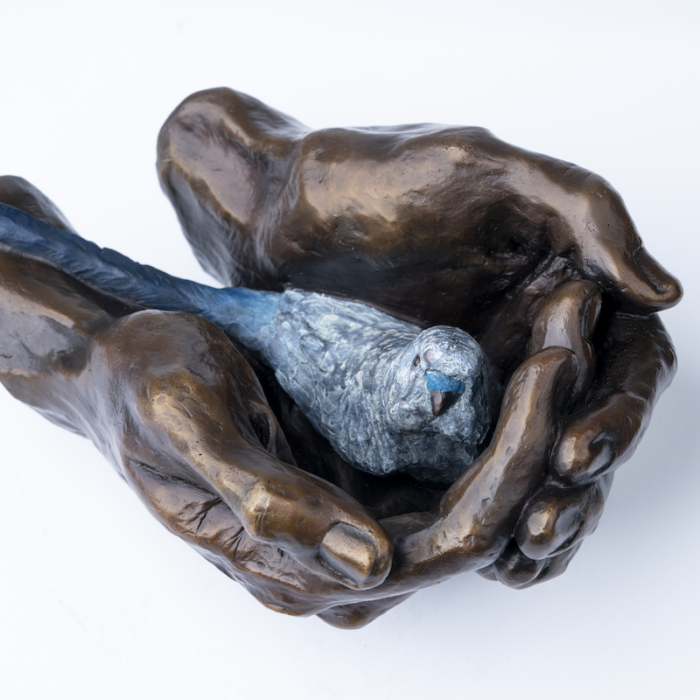
His legacy is immortalized in the "Caring Hands Award," a bronze statue depicting his own hands holding a budgerigar. This statue serves as a symbolic reminder of the empathy required in the profession. By sponsoring this annual award, the Lafeber organization continues to foster a culture of research and clinical excellence. The emphasis remains on developing nutritionally balanced diets and medical techniques that extend the life expectancy and improve the quality of life for avian companions.
Implications for the Veterinary Profession
The selection of Dr. Guzman for the 2026 award carries significant weight for the broader veterinary community. It underscores the importance of academic-clinical partnerships in advancing the standard of care. By operating within a university setting, Dr. Guzman can translate research findings into actionable clinical protocols that private practitioners can implement.
Furthermore, the award highlights the growing necessity for specialization in exotic animal medicine. As global biodiversity faces threats, the role of the avian veterinarian has expanded to include conservation efforts and wildlife rehabilitation. Many of the techniques refined by practitioners like Dr. Guzman are directly applicable to the conservation of endangered species, providing a vital bridge between the care of domestic pets and the preservation of wild populations.
Chronology of Recent Advancements
The progress in avian medicine over the last decade has been rapid, characterized by several key milestones:
- 2015-2018: Increased focus on nutritional biochemistry in psittacines, leading to a reduction in common metabolic disorders.
- 2020: Integration of telemedicine in avian practice, allowing for remote consultations and faster triage during global travel restrictions.
- 2022-2024: Advances in avian oncology, with the development of specific chemotherapy protocols for common bird tumors.
- 2026: Recognition of integrative medicine, where behavioral science is formally integrated into physical treatment plans, a hallmark of Dr. Guzman’s recent work.
Peer Perspective and Industry Reaction
While the selection committee remains the primary authority, the reaction from the veterinary community at large has been overwhelmingly positive. Colleagues and former students frequently cite Dr. Guzman’s mentorship and his methodical approach to clinical problem-solving. In professional forums, peers have noted that his work at the Schubot Program has provided a blueprint for how institutions can balance the ethical demands of welfare with the scientific requirements of clinical research.
The impact of such an award is not merely symbolic. It sets a benchmark for performance that influences the professional standards of the AAV. Recipients of this award often go on to lead major research initiatives or shape national policy regarding the ethical treatment of exotic animals, ensuring that the legacy of T.J. Lafeber continues to influence the field for decades to come.

Looking Toward the Future
As we move further into the 2020s, the field of avian medicine faces new challenges, including the management of emerging infectious diseases and the complexities of climate-impacted wildlife health. Leaders like Dr. David Sanchez-Migallon Guzman are essential in navigating these complexities. Through his leadership at UC Davis, he is fostering an environment where innovation is prioritized, and the welfare of the animal is the ultimate metric of success.
The T.J. Lafeber Avian Practitioner of the Year Award is more than just a trophy; it is a validation of the time, intellectual rigor, and compassion required to excel in a difficult and demanding field. For the next generation of veterinary students, the path blazed by Dr. Guzman serves as a beacon, illustrating that with the right combination of scientific inquiry and genuine care for the patient, significant advancements in avian health are not only possible but inevitable.
As the industry reflects on the 2026 ceremony, the focus remains on the continued growth of the Association of Avian Veterinarians and its mission to protect the lives of birds worldwide. With professionals like Dr. Guzman at the helm of clinical and academic advancements, the prognosis for avian medicine remains strong, promising continued improvements in diagnostic accuracy, therapeutic efficacy, and overall patient welfare.

