


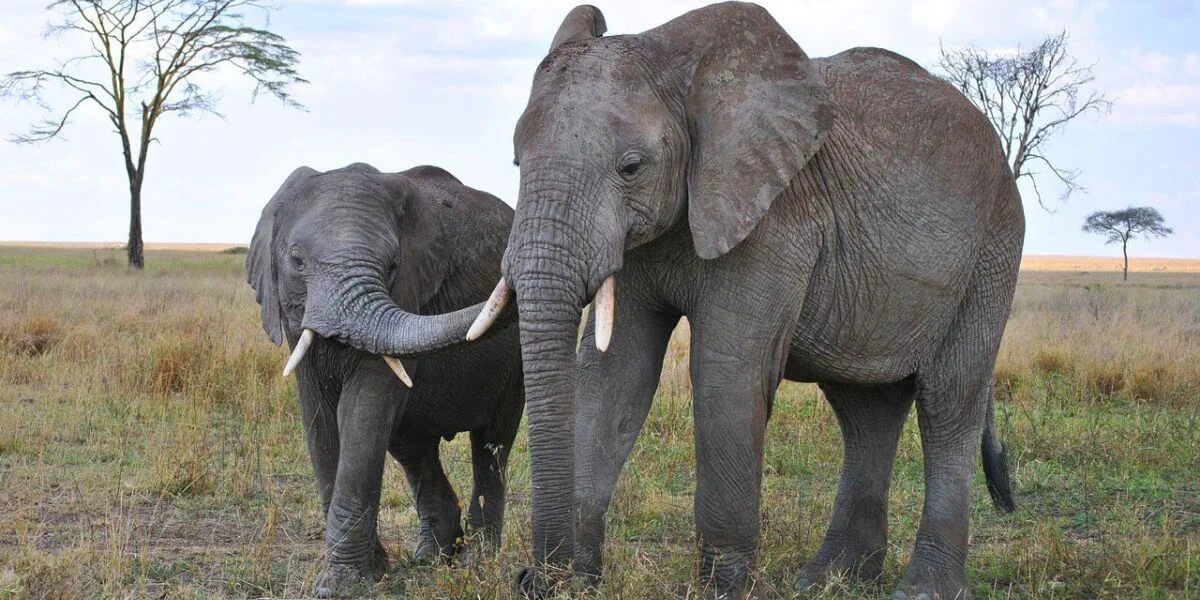
The death of a prominent international hunter in the dense forests of Gabon has reignited the global debate surrounding the ethics and safety of trophy hunting. On April 24, 2026, reports emerged that an American millionaire, whose identity has been linked to several high-profile hunting expeditions over the past decade, was killed during a confrontation with a herd of African forest elephants. The incident occurred while the hunter was participating in a guided excursion, reportedly targeting a species of antelope native to the Central African region. According to local reports and eyewitness accounts from the hunting party, the encounter turned fatal when the group inadvertently crossed paths with a matriarchal unit of elephants protecting a young calf.
Chronology of the Incident in the Gabonese Wilderness
The expedition began in a remote sector of Gabon’s interior, a region known for its biodiversity and challenging terrain. Gabon, which has positioned itself as a bastion for forest elephant conservation, allows strictly regulated hunting for certain species, though elephants themselves are protected under national and international law. The hunter and his professional guide were tracking game through thick underbrush when they encountered a small herd of five female elephants and one calf.
Initial reports from the scene suggest that the hunting party was not pursuing the elephants. However, the proximity of the humans—who were armed and moving stealthily through the habitat—likely triggered a defensive response from the herd. In many mammalian social structures, particularly those of the African forest elephant (Loxodonta cyclotis), the protection of offspring is a collective responsibility led by the matriarch. When the hunters were detected, the females reportedly formed a defensive perimeter and charged. While the guide and other support staff managed to retreat, the lead hunter was caught in the path of the charging animals and sustained fatal injuries from the trampling. Local authorities were notified shortly after, and a recovery operation was launched to retrieve the body from the remote location.
Biological Context: The Protective Instincts of Matriarchal Herds
To understand the nature of the encounter, wildlife biologists point to the specific social dynamics of elephants. Unlike many other species, elephant society is organized around tightly bonded female groups. These units are led by an older, experienced matriarch who holds the collective memory of the herd, including knowledge of water sources and potential threats.
When a calf is present, the herd’s sensitivity to intruders increases significantly. Research into elephant behavior indicates that these animals possess high levels of emotional intelligence and are capable of perceiving the intent of outsiders through scent and sound. In the context of a hunting excursion, the presence of firearms and the stealthy movements of hunters can be interpreted as predatory behavior. The reaction of the five females in Gabon is consistent with "protective aggression," a biological imperative designed to ensure the survival of the next generation. Unlike savanna elephants, forest elephants are often more elusive and can be more aggressive when startled due to the limited visibility of their jungle habitat.
The Economics and Ethics of Trophy Hunting
This incident brings renewed scrutiny to the multi-million-dollar trophy hunting industry. Proponents of the practice often argue that "conservation hunting" provides essential revenue for habitat preservation and anti-poaching efforts. They contend that the high fees paid by wealthy hunters—often ranging from $20,000 to over $100,000 per trip—fund the rangers who protect endangered species from illegal poachers.
However, animal rights organizations, including PETA, argue that the "sport" is a misnomer for what they characterize as the unnecessary slaughter of wildlife. Critics point out that the removal of even a few individuals from an ecosystem can disrupt social hierarchies and genetic diversity. In the case of elephants, the death of a human during a hunt is often followed by calls for the "problem" animals to be culled, which further impacts the population.
Data from the International Union for Conservation of Nature (IUCN) shows that African forest elephants are "Critically Endangered," with their populations having declined by more than 86% over a period of 31 years. While Gabon remains a stronghold for the species, hosting approximately 95% of the world’s remaining forest elephants, the pressure from habitat loss and human-wildlife conflict remains a constant threat.
Logistics and the Global Trade in Wildlife Trophies
A central component of the controversy surrounding this event is the international infrastructure that allows for the transport of animal remains. While the hunt itself takes place in nations like Gabon, Zimbabwe, or South Africa, the final "trophy"—often the head, skin, or antlers—is frequently shipped back to the hunter’s home country.
Logistics giants have found themselves at the center of this ethical tug-of-war. For instance, United Parcel Service (UPS) has faced sustained pressure from activists to ban the shipment of all hunting trophies. While the company has implemented bans on the transport of ivory, shark fins, and certain live animals, it continues to allow the shipment of other legally obtained trophies.
Advocacy groups highlight a perceived inconsistency in these policies. If a company recognizes the ethical or conservationist necessity of banning ivory shipments to protect elephants, critics argue that the same logic should apply to the heads or skins of the animals themselves. As of 2026, more than 100,000 people have signed petitions urging major shipping firms to sever ties with the trophy hunting industry entirely, arguing that the logistics industry should not profit from the transport of animals killed for recreation.
Official Responses and Community Impact
Following the incident in Gabon, the Ministry of Water and Forests issued a brief statement confirming the death of a foreign national and emphasizing the inherent risks of entering wildlife corridors. While the ministry expressed regret over the loss of life, it also reiterated the importance of maintaining a safe distance from elephant herds, particularly those with young.
Local conservationists in Gabon have noted that such incidents are rare but serve as a stark reminder of the volatility of human-wildlife interactions. In rural Gabonese communities, forest elephants are often viewed with a mix of reverence and fear, as they can cause significant damage to crops, leading to "human-elephant conflict" (HEC). The presence of high-end hunting parties can sometimes exacerbate these tensions, as locals see wealthy foreigners interacting with the animals in ways that differ from the daily survival struggles of the resident population.
Analysis of Implications for the Hunting Industry
The death of a high-profile hunter is likely to lead to several shifts within the industry and the regulatory landscape:
- Increased Insurance and Safety Protocols: Hunting outfitters may face skyrocketing insurance premiums and stricter requirements for "buffer zones" when tracking game near protected species like elephants.
- Legislative Review: Countries that host trophy hunters may face international pressure to review their permit systems. If hunting excursions are seen as high-risk to both humans and endangered non-target species, governments might implement more "no-go" zones.
- The "Cull" Debate: Frequently, when a wild animal kills a human, there is a push to identify and kill the animal involved. However, given the critically endangered status of forest elephants in Gabon, such a move would likely face intense international backlash.
- Corporate Responsibility: The incident provides fresh momentum for campaigns targeting the supply chain of trophy hunting. If logistics companies face enough reputational risk, the inability to ship trophies home could act as a significant deterrent for wealthy hunters.
Conclusion
The fatal trampling of a hunter in the Gabonese forest serves as a visceral example of the unpredictable nature of the wild. While the hunter entered the habitat with the intent to claim a trophy, the encounter ended in a tragic display of animal defense mechanisms. As the global community moves toward more stringent conservation goals, the role of trophy hunting—and the safety of those who participate in it—remains a deeply divisive issue. The incident underscores the reality that in the natural world, the boundaries between the hunter and the hunted are often fluid, and the instinct to protect one’s kin is a universal force that transcends species. For now, the Gabonese authorities continue their investigation, while the international conversation shifts toward the future of wildlife management and the ethics of animal-human encounters in the 21st century.

