


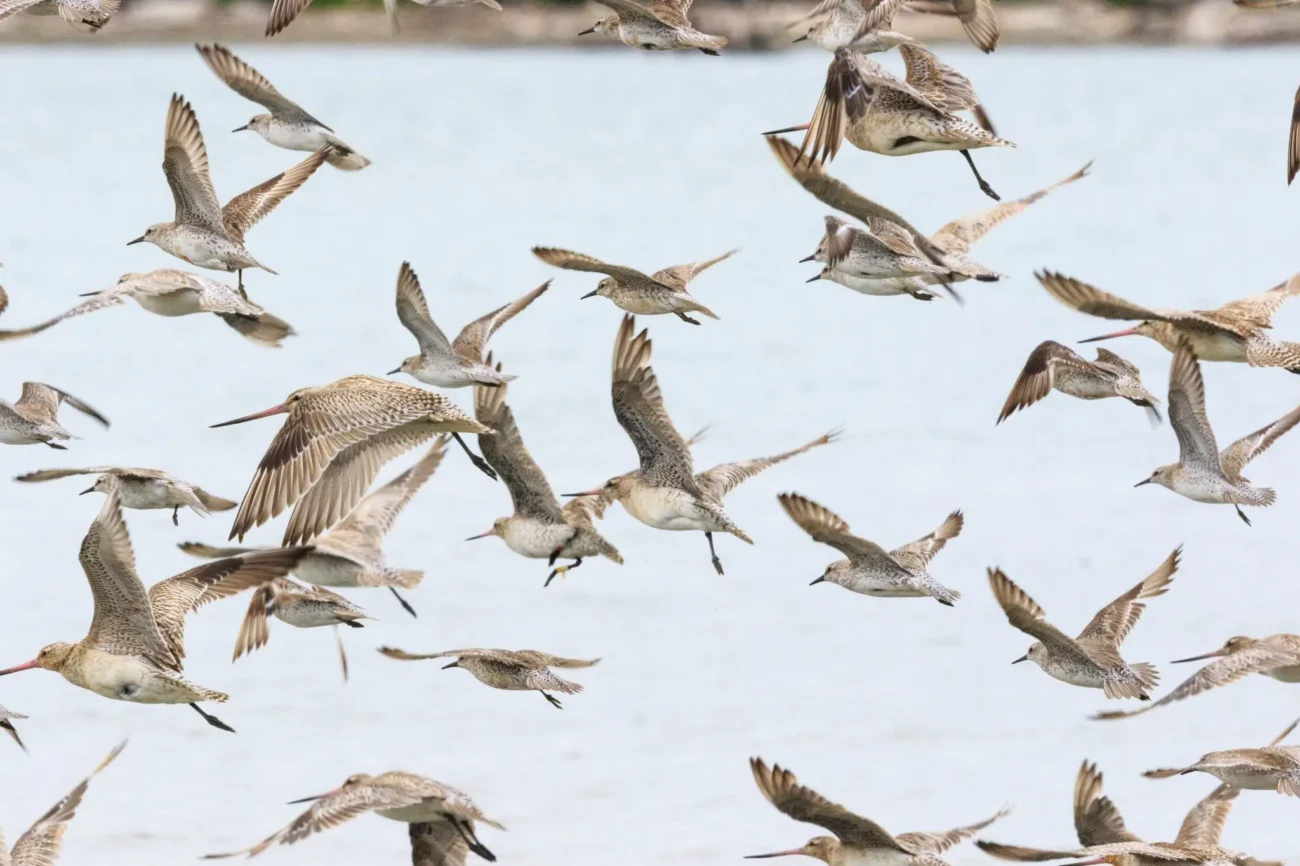
As migration season reaches its zenith this May, the increasingly precarious journeys of the world’s avian populations are casting a stark spotlight on the profound strain currently being exerted upon the natural systems that underpin all life on Earth. Observed annually in May and October, World Migratory Bird Day serves as a critical reminder of these incredible natural phenomena and, more importantly, as an urgent call to heed the messages these birds are conveying about the health of our planet.
This year’s observance of World Migratory Bird Day arrives at a pivotal moment. The global avian population is facing unprecedented challenges, with more than 40% of bird species currently in decline worldwide. This alarming trend is not merely an ecological concern; it has far-reaching implications for human well-being, impacting everything from food security and water quality to climate resilience.
The Vital Role of Migratory Birds
Migratory birds are far more than just a source of natural wonder. They are indispensable ecological engineers, playing a crucial role in maintaining the balance of ecosystems across vast distances. As they traverse continents and oceans, they act as vital couriers of nutrients, facilitating the transfer of essential elements between disparate environments. Their activities are fundamental to plant pollination, a process critical for the reproduction of a significant portion of the world’s flora, including many of the crops that sustain human populations. Furthermore, birds are instrumental in seed dispersal, aiding in the regeneration of forests and the maintenance of plant biodiversity. They also contribute to the natural control of insect populations and the spread of diseases, providing invaluable ecosystem services that often go unnoticed.
Martin Harper, CEO of BirdLife International, emphasized the gravity of the situation. "Migratory birds connect us across countries, continents and ocean currents," he stated. "Protecting the major migratory highways of the world is how we reverse those declines. And when we do, people gain too: cleaner water, food security, flood protection, and more resilience to a changing climate."

The Global Network of Flyways
BirdLife International, a leading global partnership dedicated to the conservation of birds and all life on our planet, views World Migratory Bird Day as an opportune moment to deepen understanding of the broader impact of avian migration routes, known as global flyways. These intricate networks are not arbitrary paths; they are critical corridors that birds utilize to navigate between their breeding grounds, essential feeding areas, and vital seasonal refuges.
The planet’s avian travelers primarily follow four major terrestrial flyways: the African-Eurasian, East Asian-Australasian, Americas, and Central Asian flyways. Complementing these are six significant marine flyways, facilitating oceanic migrations. These interconnected pathways transcend national borders and vast oceanic expanses, linking habitats that may be separated by thousands of kilometers.
The integrity of these flyways is paramount. The degradation or destruction of even a single link in this chain—such as the draining of a crucial wetland or the erosion of a vital coastline—can have cascading negative effects, leading to significant declines in entire species. The recent, tragic extinction of the Slender-billed Curlew serves as a stark and poignant reminder of the irreversible consequences of such ecological disruptions.
Africa: A Crucial Hub in the Global Migration Narrative
The African-Eurasian Flyway, one of the world’s most significant migratory systems, exemplifies the interconnectedness of global avian movements. This vital route links the continents of Africa, Europe, and Asia, with birds undertaking arduous journeys from the Arctic to southern Africa and back again each year.

Dr. Paul Matiku, Executive Director of Nature Kenya, a key partner of BirdLife International, underscored Africa’s pivotal role in maintaining the vitality of these shared avian highways. "Africa is at the heart of some of the world’s great flyways," Matiku stated. "The health of our wetlands, rangelands and coastlines matters far beyond our borders. When we protect these habitats, we protect birds, biodiversity and the communities that live alongside them."
The significance of Africa’s contribution to migratory bird conservation will be further highlighted by the upcoming Global Flyways Summit, scheduled to take place in Nairobi, Kenya, in September. This marks the first time this pivotal international gathering will be hosted on the African continent, signaling a growing recognition of its crucial position in global conservation efforts.
The Global Flyways Summit and the State of the World’s Birds
The Global Flyways Summit, co-hosted by BirdLife International and Nature Kenya, is poised to convene a diverse array of leaders from the realms of science, policy, finance, business, and civil society. The primary objective of this summit will be to forge a unified commitment to concrete actions necessary for the protection of migratory birds and the fragile ecosystems upon which they depend.
A significant scientific output of the summit will be the launch of the newest edition of the "State of the World’s Birds" report. This comprehensive report will provide an up-to-date assessment of bird populations globally, offering critical insights into the broader health of nature and the interconnectedness of avian well-being with planetary health. Previous editions of this report have consistently highlighted alarming trends, such as a decline in over 50% of bird species between 1970 and 2018, underscoring the urgency of conservation action.
A Call to Action: Engaging the Public in Conservation

World Migratory Bird Day presents a unique opportunity for individuals worldwide to participate in the global celebration of birdwatching and citizen science. BirdLife International encourages everyone to engage with nature by venturing outdoors, observing the birds in their local environments, and meticulously recording their sightings. Each observation, no matter how small, contributes valuable data that fuels crucial conservation initiatives.
"You don’t need to be an expert to care about birds," Harper concluded. "When we notice the wildlife around us, we start to understand the condition of the places we all rely on. Birds give us both a warning and an opportunity. They show us where nature needs urgent action, and where there is still hope."
The profound joy derived from observing birds is inextricably linked to the responsibility to protect them. In this spirit, BirdLife International is inviting the public to participate in its "Race to Save Birds Challenge" on May 9th. This initiative is not about competitive speed or endurance, but rather about fostering a sense of care and engagement. By participating, individuals will contribute to vital data collection efforts and raise essential funds that will propel conservation work forward, ultimately supporting the thriving of birds and the natural world.
Broader Implications and the Path Forward
The declining populations of migratory birds are not isolated incidents; they are symptomatic of a larger environmental crisis. The pressures they face—habitat loss and degradation, climate change, pollution, and unsustainable land-use practices—are the same pressures that threaten human societies. The conservation of migratory bird flyways, therefore, represents a critical investment in the health of the planet and the well-being of future generations.
The interconnectedness highlighted by migratory bird routes underscores the necessity of international cooperation. Addressing these global challenges requires coordinated efforts across borders, recognizing that the fate of birds, and indeed ecosystems, is a shared responsibility. As the world grapples with the accelerating impacts of climate change and biodiversity loss, the lessons learned from the journeys of migratory birds offer both a stark warning and a beacon of hope, guiding us toward more sustainable and resilient futures. The success of initiatives like the Global Flyways Summit and the engagement of citizen scientists are vital steps in heeding these avian messengers and enacting the urgent conservation actions required.

