


The Eastern Rosella (Platycercus eximius), a species renowned for its extraordinarily vibrant plumage, stands out even among the famously colorful parrots of Australia. While not a large bird, typically measuring around 30 cm (12 inches) in length and weighing approximately 100 grams, its dazzling array of reds, yellows, greens, and blues makes it virtually impossible to overlook. Beyond its visual appeal, the Eastern Rosella has also garnered significant popularity as a pet, owing to its engaging, friendly, and often playful personality. This comprehensive article delves into the fascinating world of the Eastern Rosella, exploring its natural origins, ecological role, dietary habits, and the nuanced considerations involved in its care as a domestic companion. With a natural lifespan ranging from 20 to 30 years, these intelligent birds offer a long-term commitment for potential owners, providing a relatively low noise level for a parrot, making them suitable for various living environments.
A Kaleidoscope of Plumage: Unpacking the Eastern Rosella’s Striking Appearance
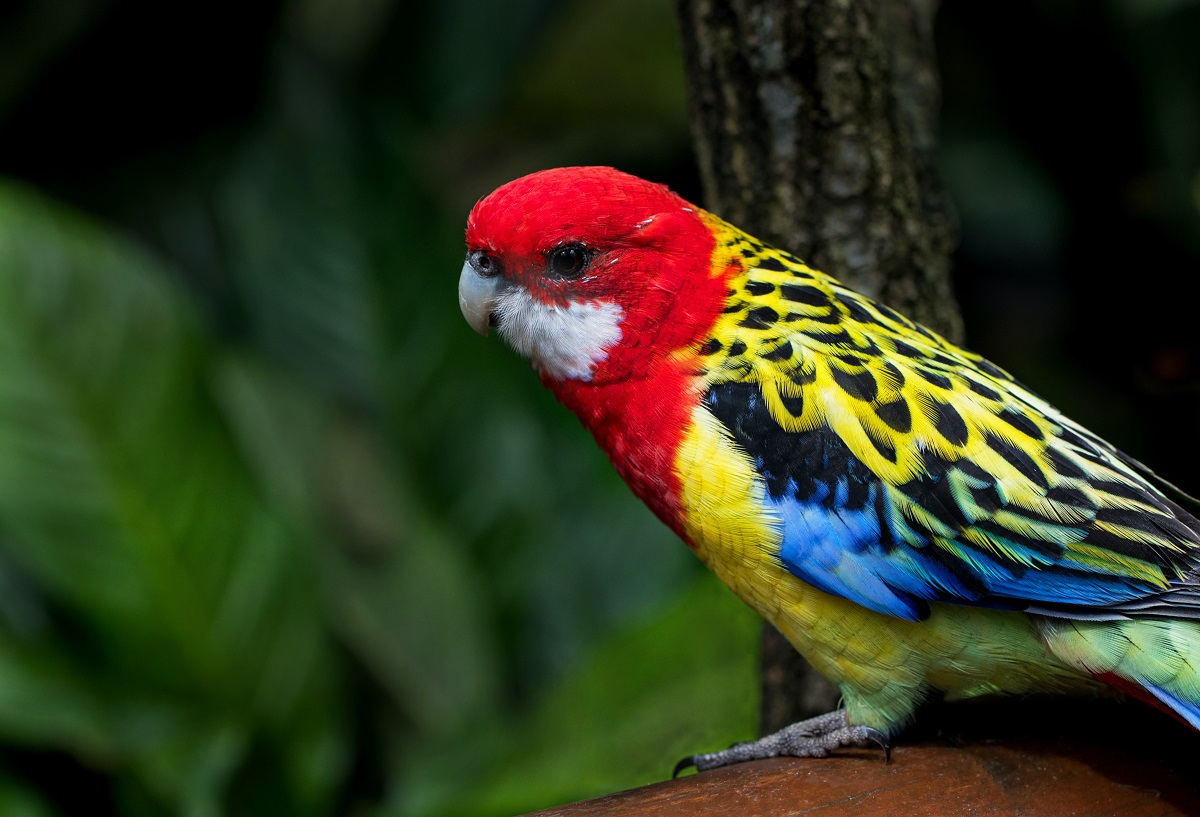
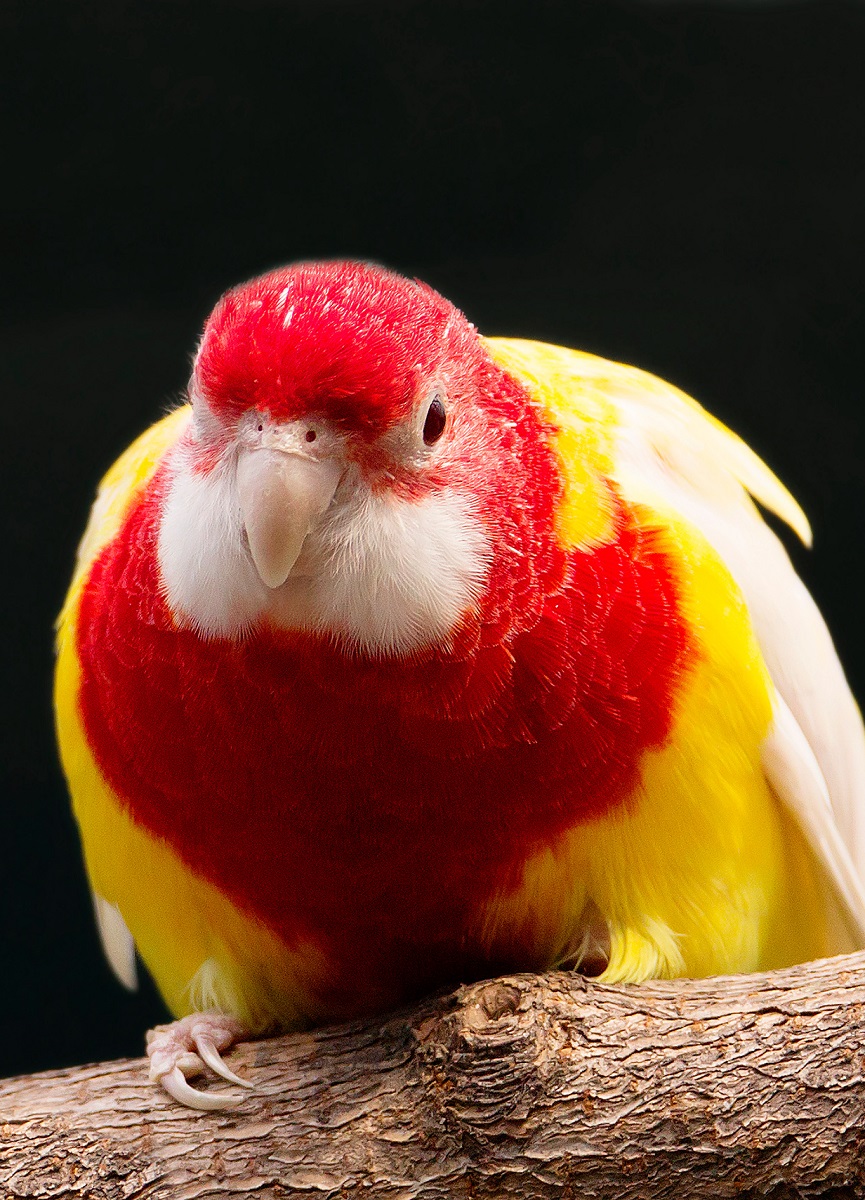
The Eastern Rosella’s aesthetic appeal is undeniable, a complex tapestry of colors that ensures its visibility against the Australian landscape. Its head and chest are adorned with a brilliant scarlet red, sharply contrasted by distinct white cheek patches. This fiery red transitions into a yellow-green belly and "pants" (thigh feathers), while the upper wing feathers display a striking scalloped pattern of yellow-green and black. The back is a rich green, complementing the blue undersides of its wings and a long, elegant blue-green tail. This intricate coloration serves not only as a visual spectacle but also aids in species recognition and territorial displays within its natural habitat. The precise arrangement and intensity of these colors can vary subtly, contributing to the species’ overall diversity and individual recognition within flocks.
Further adding to its complexity, the species is divided into three recognized subspecies, each with subtle geographical and morphological variations. The nominate subspecies, Platycercus eximius eximius, is found across much of New South Wales, Victoria, and southeastern South Australia. This form typically embodies the classic vibrant description, serving as the benchmark for the species’ appearance. Platycercus eximius elecica, often referred to as the Northern Rosella, inhabits northeastern New South Wales and southeastern Queensland. This subspecies typically displays a deeper red and more pronounced green on its plumage, with the yellow-green areas often appearing richer. The third subspecies, Platycercus eximius diemensis, is endemic to Tasmania, generally exhibiting slightly larger dimensions and often a darker overall coloration, with the red areas appearing more intense and sometimes a bluer wash on the belly. These distinctions highlight the evolutionary adaptations of the species to diverse regional environments across its extensive range, reflecting localized environmental pressures and genetic drift.
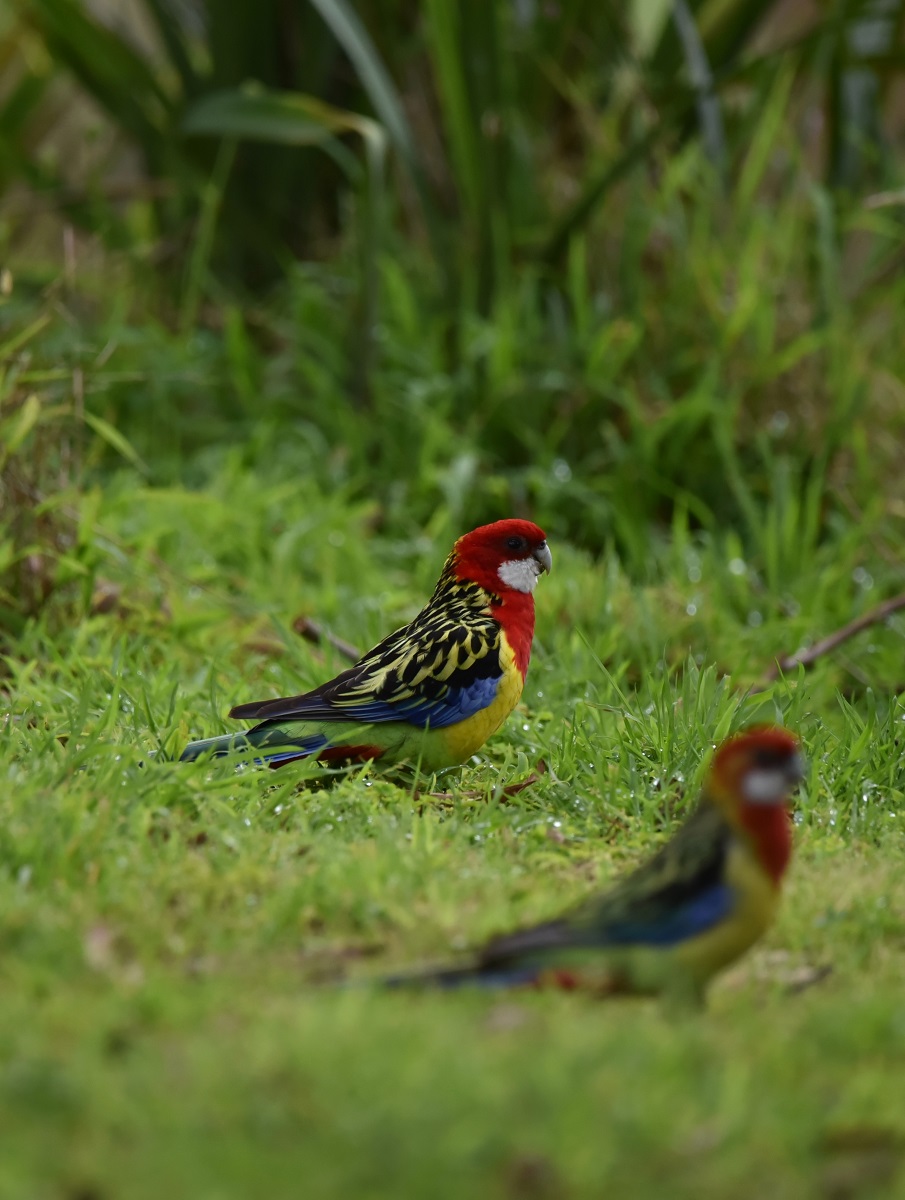
Juvenile Eastern Rosellas present a somewhat muted palette compared to their adult counterparts. Their colors are less intense and more mottled, often with a greater prevalence of green in areas that will later become bright red. Their beaks are initially yellow or yellowish-brown, gradually transitioning to the adult white or pale horn color after their first molt. This crucial developmental stage typically occurs between 2 to 6 months of age, after which their full adult plumage and vibrant coloration emerge. This process allows younger birds to potentially blend more effectively into their surroundings, offering a degree of protection before they develop the full adult characteristics necessary for breeding and territorial defense. The timing and completion of the first molt are key indicators of a rosella’s transition to sexual maturity.
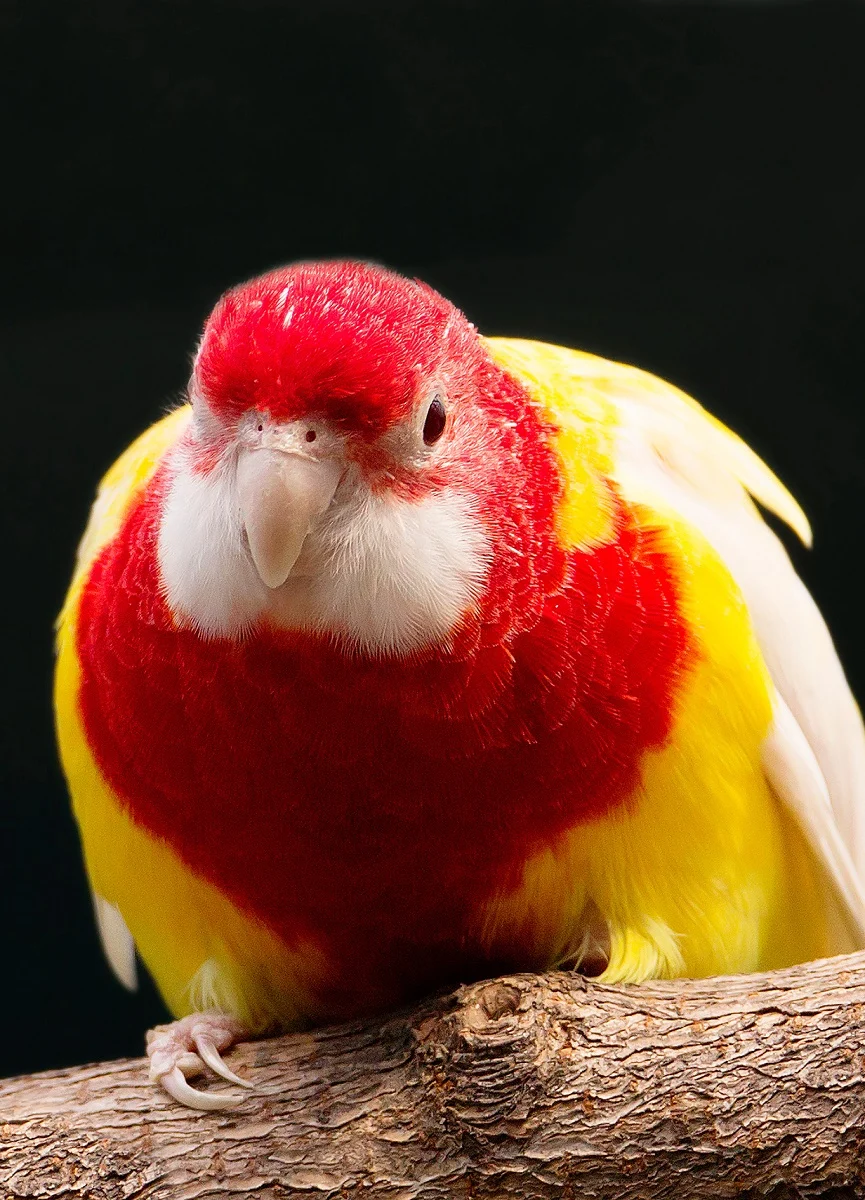
In addition to natural variations, selective breeding within the pet trade has led to the development of various color morphs. Rubinos are a particularly common example, characterized by a striking red, yellow, and white coloration, completely devoid of the natural blue, green, or black pigments. Other morphs include Lutino (yellow with red eyes), Cinnamon (lighter, faded colors), and Pied (patches of normal and clear feathers). These selectively bred varieties cater to specific aesthetic preferences among aviculturists, showcasing the genetic plasticity of the species under human influence. However, it is important to distinguish these artificial morphs from the naturally occurring subspecies, which represent distinct evolutionary lineages and adaptations to specific ecological niches.
The genetic compatibility within the genus Platycercus also gives rise to naturally occurring hybrids, particularly in areas where the ranges of different species overlap. Instances of Eastern Rosella × Crimson Rosella (P. elegans) and Eastern Rosella × Pale-headed Rosella (P. adscitus) hybrids are not uncommon. These hybrid birds often exhibit unique and visually striking combinations of parental traits, sometimes making identification challenging for birdwatchers and ornithologists. Such hybridization events provide valuable insights into avian genetics and speciation processes, illustrating the dynamic nature of species boundaries in the wild and the potential for gene flow between closely related taxa. Differentiating between male and female Eastern Rosellas can be achieved visually, though it typically requires the bird to have reached full maturity and completed its first molt. While not always definitive without genetic testing, males generally exhibit brighter, more intense coloration, particularly in the red areas of the head and chest. They often have larger, broader heads and more pronounced white cheek patches. Females tend to be slightly duller, with less vibrant plumage, and sometimes a smaller, more rounded head profile. These subtle differences become more apparent as the birds mature, allowing experienced observers to make an educated guess about their sex, although DNA sexing remains the most accurate method.
From Bushland to Backyards: Habitat, Range, and Ecological Footprint
The Eastern Rosella’s geographical distribution is aptly reflected in its common name, primarily encompassing Eastern and Southeastern Australia, including the island of Tasmania. This native range spans a variety of temperate and subtropical zones, extending from southeastern Queensland, through New South Wales and Victoria, and into the southeastern corner of South Australia. Within these regions, the species demonstrates remarkable adaptability, thriving in lightly wooded habitats. These include open forests, forest edges, scattered Eucalyptus woodlands, as well as more modified landscapes such as parks, suburban gardens, orchards, and agricultural farmlands. They are typically found at moderate altitudes, up to approximately 1,250 meters (4,100 feet), preferring areas that receive ample rainfall or possess reliable natural water sources. Their ability to utilize fragmented and human-altered landscapes is a key factor in their ecological success.
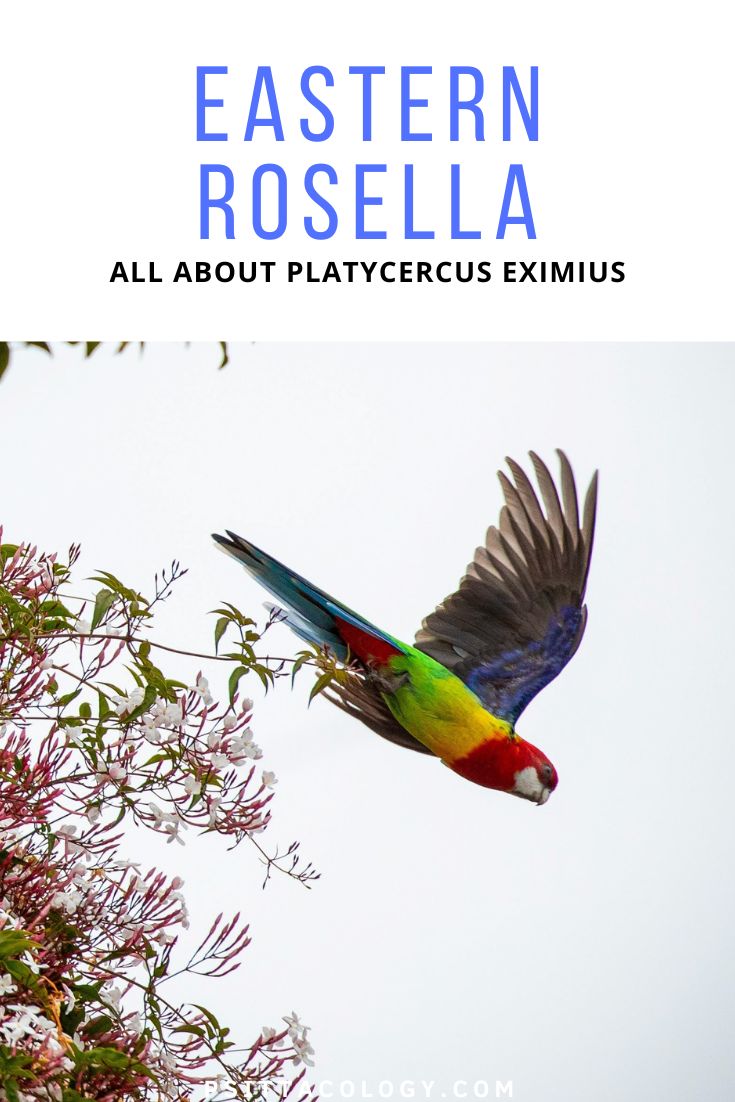
Historically, Eastern Rosellas have maintained a strong presence across their native Australian range. However, their story extends beyond the continent’s shores. The species is an established introduced species in New Zealand, where multiple populations have flourished since the late 19th and early 20th centuries. This introduction largely occurred through a combination of accidental escapes from captivity and intentional releases. For instance, records from the early 1900s indicate that rosellas were kept as aviary birds, and accidental escapes, such as the destruction of a cage in Dunedin leading to the release of 12 birds, contributed to early populations. Another documented event involved a shipment of rosellas being released by the NZ Customs Department in 1910 after entry was refused, further bolstering the nascent wild populations. These instances highlight the role of human activity, both inadvertent and deliberate, in shaping avian distributions. In New Zealand, the Eastern Rosella has successfully adapted to new environments, colonizing a wide range of habitats. This success has, however, raised questions about potential competition with native New Zealand bird species for resources, particularly nesting hollows and food sources, a common concern with introduced species that can impact local biodiversity.
The IUCN Red List of Threatened Species currently classifies the Eastern Rosella as a species of "Least Concern." This favorable conservation status is attributed to its wide natural range and a population that appears to be stable, if not increasing. Paradoxically, this species’ success is, in part, linked to human-induced habitat changes. The conversion of native bushland into agricultural areas, while detrimental to many endemic species, has created an advantageous environment for the Eastern Rosella. These modified landscapes provide abundant food sources in the form of cultivated crops, such as maize, wheat, oats, and various fruits, supplementing their natural diet. This adaptability to disturbed environments underscores their resilience and ability to capitalize on new opportunities presented by human development. Consequently, the Eastern Rosella is often considered a "winner" in the context of habitat modification, thriving where more specialized species decline. However, this success also places them in direct conflict with agricultural interests, a dynamic explored further in their dietary habits. While the overall population is robust, localized populations can face pressures from habitat fragmentation and pesticide use, though these do not currently pose a threat to the species as a whole. Conservation efforts, therefore, often focus on managing these human

