


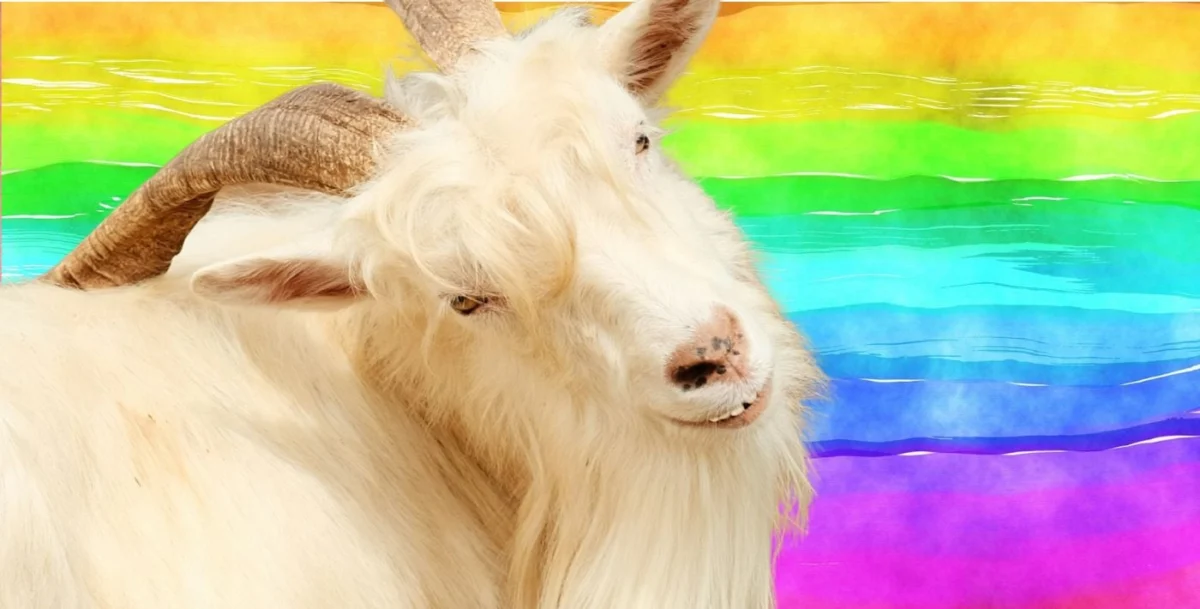
The iconic toy retailer FAO Schwarz has officially joined a growing roster of global brands prohibiting the use of mohair in its products. The decision comes in the wake of damning exposés conducted by PETA Asia, which revealed widespread animal cruelty within the global mohair supply chain. The retailer’s policy shift was announced mere hours before animal rights activists were scheduled to stage a high-profile demonstration outside the brand’s flagship New York City store, featuring a symbolic, blood-stained teddy bear.
FAO Schwarz now joins major international corporations—including Adidas, Columbia, Gap, Uniqlo, and Zara—in turning away from the luxury textile commonly utilized in sweaters, blankets, yarn, and plush toys. This wave of corporate rejections marks a significant turning point for an industry that has long faced scrutiny over its treatment of Angora goats.
Background Context and PETA Investigation Findings
The movement to eradicate mohair from retail supply chains originated from comprehensive undercover investigations conducted by PETA Asia. The probes focused primarily on South Africa, which produces more than 50% of the world’s mohair supply, making it the epicenter of the global industry.
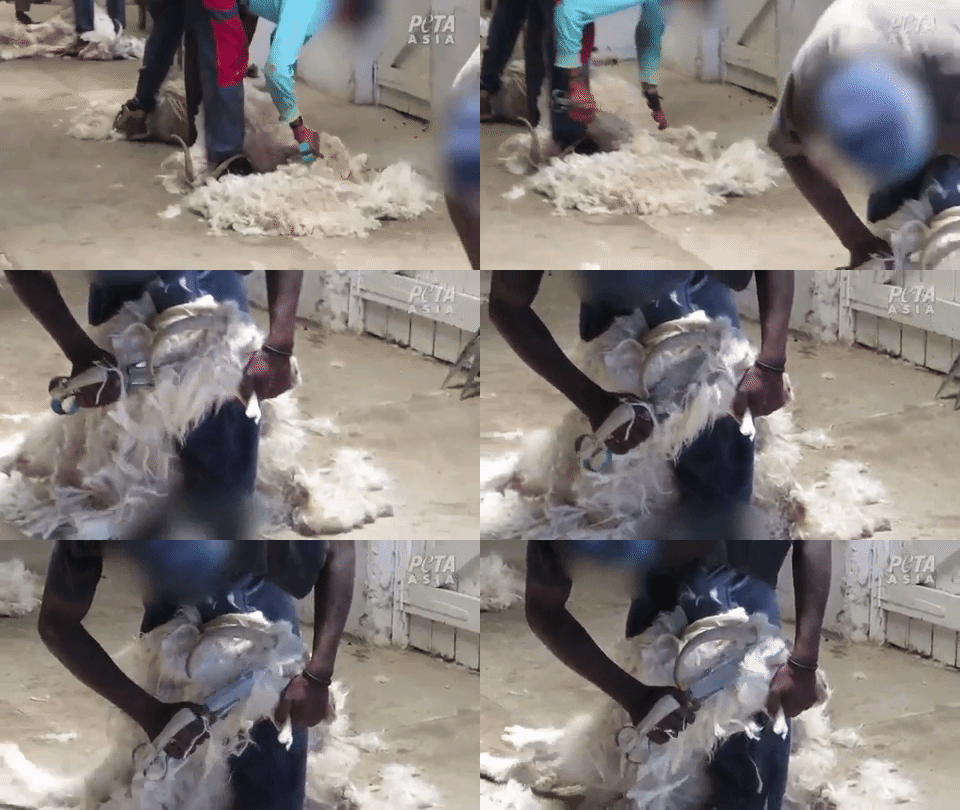
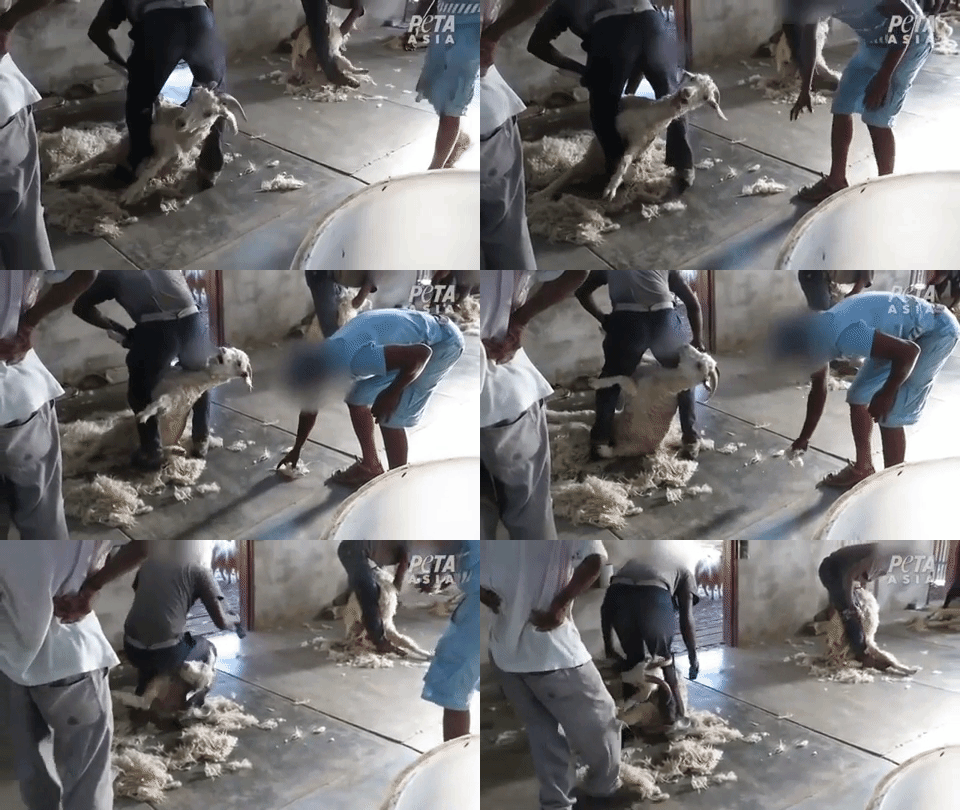
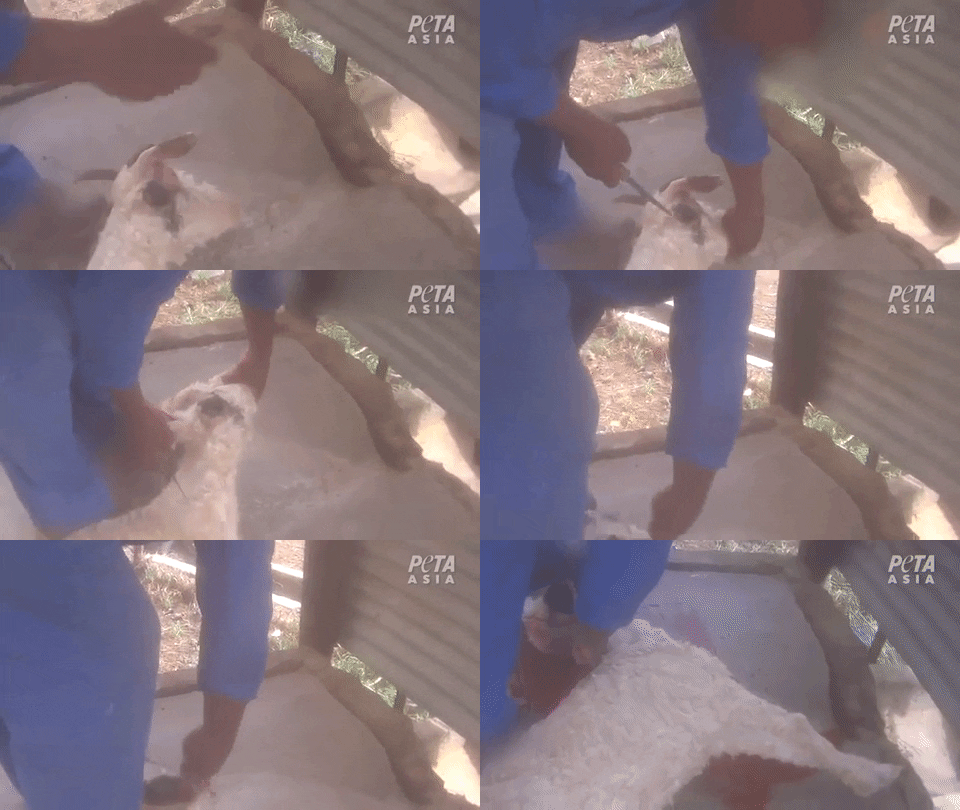
Investigators documented systemic violence, rough handling, and neglect across multiple shearing facilities. Because shearers in the industry are compensated based on the volume of fleece they harvest rather than an hourly wage, workers are incentivized to rush through the shearing process. This speed-driven model frequently results in severe physical trauma for the animals.
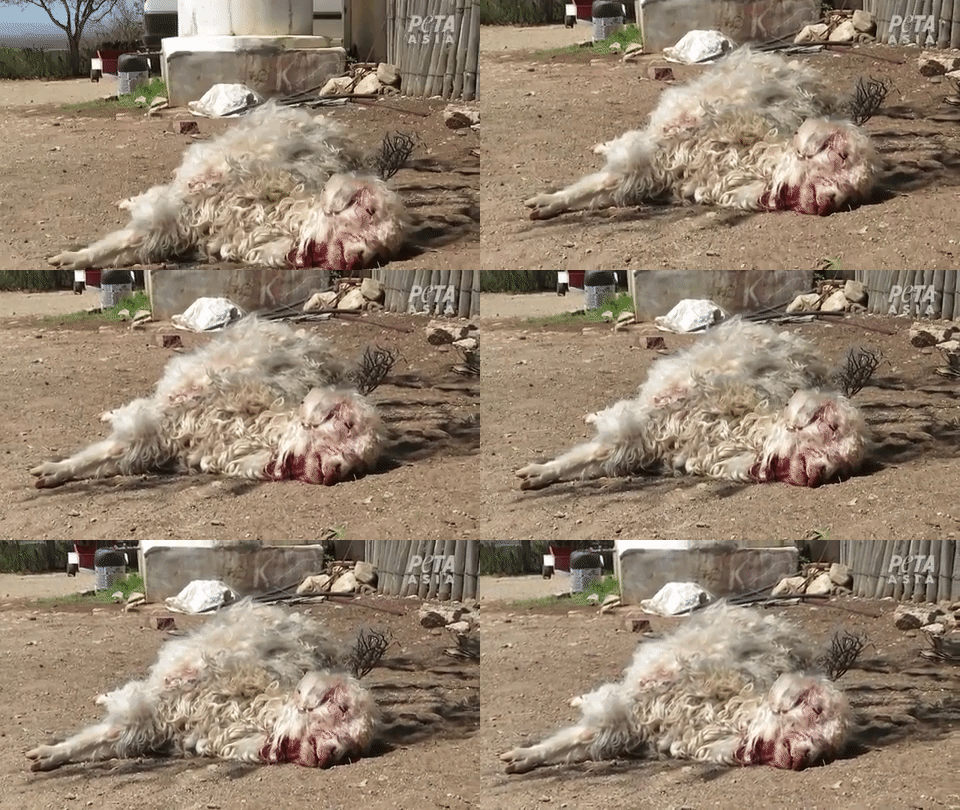
Among the most alarming findings documented by investigators were instances of shearers lifting Angora goats entirely off the concrete floors by their tails, a practice that risks fracturing the spinal column. The footage also captured workers sitting on struggling animals to subdue them, throwing goats across shearing sheds, and leaving animals with deep, untreated lacerations from hurried, careless blade work.

Furthermore, the investigations highlighted the treatment of young animals. Goat kids undergoing their first shearing experience were recorded crying out in fear. In addition to shearing abuses, workers utilized pliers fitted with sharp needles to punch identification holes through the ears of the goats, causing acute, visible pain. A local farmer interviewed during the investigation acknowledged that the procedure causes the goats to "scream terribly."
Beyond the shearing shed, the investigation revealed standard practices regarding the culling of older livestock. Angora goats are routinely slaughtered once their mohair production declines and they are deemed no longer profitable, often years before reaching the end of their natural life expectancy. In some instances, workers were documented cutting the throats of goats on-site.
Chronology of Corporate Boycotts
The backlash against mohair gained critical momentum following the publication of the initial PETA Asia investigation. Major fashion houses and textile retailers swiftly reassessed their material sourcing strategies in response to consumer pressure and graphic evidence of animal welfare violations.
- Initial Exposé Release: PETA publishes its first comprehensive undercover investigation into South African mohair farms, detailing widespread physical abuse, mutilation, and premature slaughter of Angora goats.
- Early Adopters: Global apparel giants, including Zara, Gap, and Adidas, announce immediate bans on mohair, setting a precedent for the broader retail market.
- Expansion to Outdoor and Lifestyle Brands: Companies such as Columbia and Uniqlo update their corporate social responsibility and animal welfare policies to exclude mohair from all future collections.
- The FAO Schwarz Decision: FAO Schwarz implements its mohair ban under immediate pressure from animal rights advocates, averting a scheduled protest outside its New York City retail location.
- Ongoing Campaigning: Animal welfare organizations continue to target remaining holdouts in the toy and textile industries, specifically calling out legacy brands like Steiff to abandon the material.
Industry Implications and Economic Fallout
The rapid abandonment of mohair by high-profile retailers carries profound economic and structural implications for the global textile market. South Africa’s mohair industry, which exports the vast majority of its harvest to international processing mills—primarily in Europe and Asia—has faced a severe contraction in demand.

Industry analysts note that while synthetic alternatives and cruelty-free natural fibers have long existed, the collective departure of high-volume buyers accelerates the shift toward ethical sourcing mandates across retail sectors. For decades, mohair was marketed as a sustainable and luxurious animal fiber, prized for its durability, luster, and insulating properties. However, the revelation of systemic welfare violations has fundamentally altered consumer perception, transforming the fiber from a symbol of luxury into a reputational liability for brands.
Corporate social responsibility (CSR) departments within major retail corporations are increasingly prioritizing supply chain transparency to avoid consumer boycotts and public relations crises. As more companies adopt strict animal welfare standards, traditional agricultural sectors are forced to either reform their practices or face economic marginalization.
Responses and Ongoing Advocacy
While corporate commitments from brands like FAO Schwarz, Adidas, and Zara represent a major victory for animal rights organizations, advocacy groups emphasize that the fight to protect Angora goats is far from over.
Animal welfare organizations continue to pressure remaining companies—particularly in the toy manufacturing and high-end textile sectors—to follow the lead of their competitors. Campaigns are currently underway to urge heritage toy maker Steiff to eliminate mohair from its classic collector items and plush products.
The shift away from animal-derived fibers reflects a broader, permanent transformation in consumer goods manufacturing. As transparency increases through digital media and undercover investigations, brands are finding it increasingly difficult to distance themselves from the realities of raw material production. The marginalization of mohair serves as a case study in how coordinated investigative reporting, targeted consumer activism, and swift corporate policy changes can reshape global supply chains in real time.

