


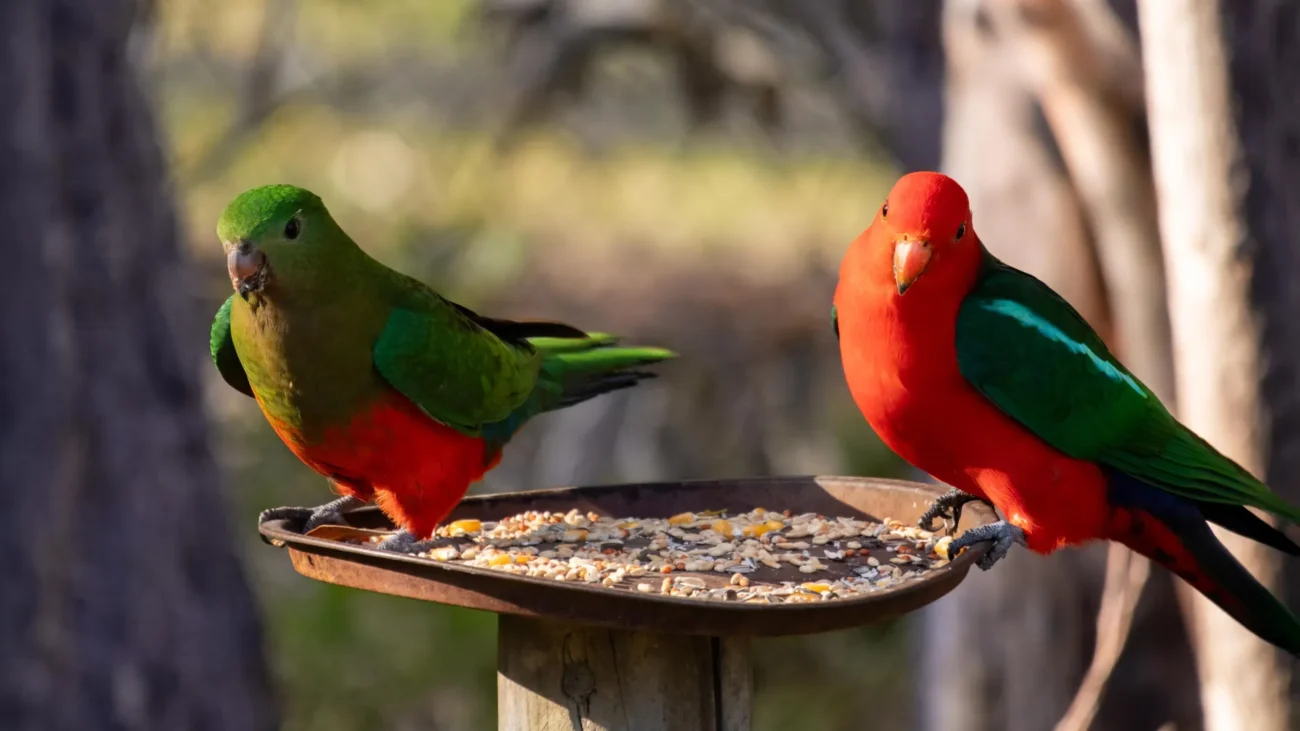
Backyard bird feeding stands as one of the most widespread and cherished pastimes across Australia, with recent research indicating that approximately half of all Australian households participate in feeding wild birds, often on a daily basis. While this activity is typically driven by a deep sense of compassion, a desire to connect with nature, and the intention to support local fauna through challenging environmental conditions, public health and conservation experts are sounding the alarm. As the highly pathogenic H5N1 avian influenza virus tightens its grip on the continent, routine backyard feeding stations risk transforming into lethal transmission hotspots, threatening vulnerable bird species, local mammals, and potentially human health.
The Emergence and Chronology of the H5N1 Crisis in Australia
The current wave of H5N1 avian influenza represents an unprecedented global ecological challenge. Over recent years, this particular strain of bird flu has circulated rapidly across the globe, cutting a devastating path through wild bird populations and crossing the species barrier to infect numerous mammalian species worldwide.
The crisis reached a grim milestone in Australia, marking a significant escalation in the nation’s biosecurity landscape. The virus has progressively breached Australian shores, culminating in a series of mass mortality events. Most recently, authorities and wildlife researchers recorded the deaths of more than 1,000 crested terns in a single cluster, alongside the tragic confirmation of H5N1 in a long-nosed fur seal. This marine mammal fatality marks the first documented detection of the virus in a mainland Australian mammal, signaling that the epidemic has moved beyond isolated avian populations and into the broader coastal and terrestrial ecosystems.
As the virus continues its spread, conservationists harbor deep fears for Australia’s already endangered endemic species. Highly vulnerable populations, such as the critically endangered orange-bellied parrot, face catastrophic risks should the virus penetrate their remaining natural habitats or encounter artificial aggregation sites like backyard feeding stations.
The Mechanics of a Superspreader Event
The fundamental danger of backyard feeding lies in its artificial alteration of wildlife behavior. In a natural environment, wild birds disperse widely across varied landscapes in search of native food sources such as insects, nectar, seeds, and worms. Supplementary feeding, however, concentrates large numbers of birds—often mixing multiple species that would rarely congregate in such close quarters—into confined residential spaces.
This unnatural crowding creates ideal conditions for the rapid transmission of pathogens. When an infected bird visits a feeder, it contaminates perches, food scraps, and water sources with the virus. Healthy birds that subsequently visit the site are exposed to high viral loads, turning a well-intentioned backyard bird table into a localized superspreader event.
Furthermore, the ecological impact of supplementary feeding extends far beyond the immediate bird populations. Scavenger species—including red foxes, possums, and corvids—frequently visit backyard feeding areas or prey upon weakened wildlife. These scavengers risk exposure to the H5N1 virus by consuming infected carcasses, subsequently acting as mobile vectors that can carry the disease further inland or into agricultural zones.
Public Health Implications and Human Safety
While the primary casualties of the H5N1 virus are wild animals, the zoonotic potential of avian influenza necessitates strict vigilance regarding human health. Wildlife carers, veterinarians, and individuals maintaining close contact with infected animals face heightened risks of exposure.
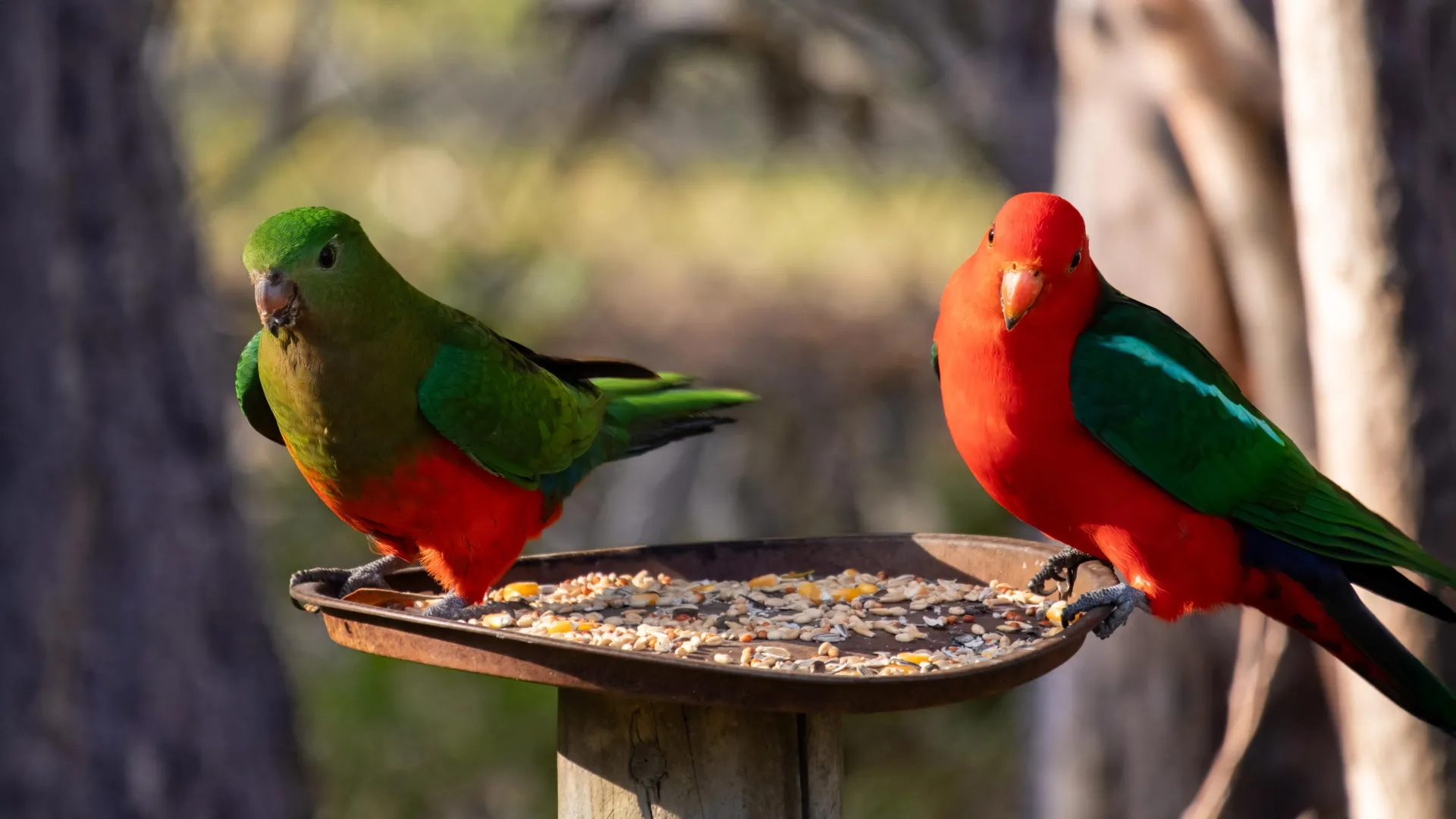
Health authorities emphasize that human infections with H5N1 remain rare, typically manifesting with mild symptoms when transmission does occur. Nevertheless, public health officials advise against any direct physical contact with wildlife, particularly hand-feeding. The intimate interaction of a bird swooping down to take food directly from a human hand, once viewed as a harmless and rewarding experience, now carries an unacceptable level of risk in the face of an active viral outbreak.
Expert Recommendations for Homeowners and Bird Enthusiasts
Faced with mounting evidence of disease transmission, biosecurity experts and wildlife management organizations have outlined clear protocols for the public. The consensus among ornithologists is unequivocal: the safest course of action for native wildlife is to cease backyard feeding entirely.
Extensive scientific literature confirms that backyard bird feeders provide supplementary snacks rather than essential nutrition. Most birds visiting residential gardens derive the vast majority of their dietary needs from natural foraging. Without artificial feeding, these birds will naturally disperse, significantly reducing the density-dependent transmission risks associated with H5N1.
For individuals who remain determined to continue feeding wild birds, experts mandate the implementation of rigorous precautionary measures to mitigate biosecurity risks:
-
Reduce Food Volume: Providing excessive amounts of seed, grain, or meat scraps encourages dense congregations of wildlife. Severely limiting the quantity of food offered helps maintain physical separation between birds, mirroring the social distancing protocols utilized during human public health crises.
-
Eliminate Hand-Feeding: Direct physical contact must be avoided. Hand-feeding elevates the risk of pathogen transfer and establishes dangerous behavioral dependencies in wildlife.
-
Maintain Strict Hygiene Standards: All feeding surfaces, trays, and equipment must be regularly and thoroughly sanitized using domestic bleach solutions. Biosecurity experts stress that individuals unwilling or unable to commit to rigorous, routine cleaning protocols should dismantle their bird feeders immediately.
Broader Implications for Australian Biosecurity
The ongoing H5N1 outbreak serves as a stark reminder of the delicate balance between human engagement with nature and wildlife conservation. As Australia navigates this unprecedented ecological threat, the actions of individual citizens within their own backyards will play a critical role in determining the severity of the crisis.
While curtailing backyard feeding may temporarily disappoint residents accustomed to observing colorful visitors from their kitchens, these sacrifices are necessary to safeguard native biodiversity. By preventing residential areas from becoming incubators for avian influenza, the community can actively contribute to containing the spread of a virus that threatens to reshape Australia’s natural heritage.
Public authorities continue to urge vigilance across the nation. Citizens are strictly advised never to touch sick or dead wild birds or marine mammals. Anyone encountering deceased or distressed wildlife should maintain a safe distance, keep domestic pets securely restrained, document the location with photographs, and immediately report the sighting to the Emergency Animal Disease Hotline. Through collective responsibility and adherence to expert guidance, communities can help protect both human health and the fragile ecosystems of the Australian continent.

