


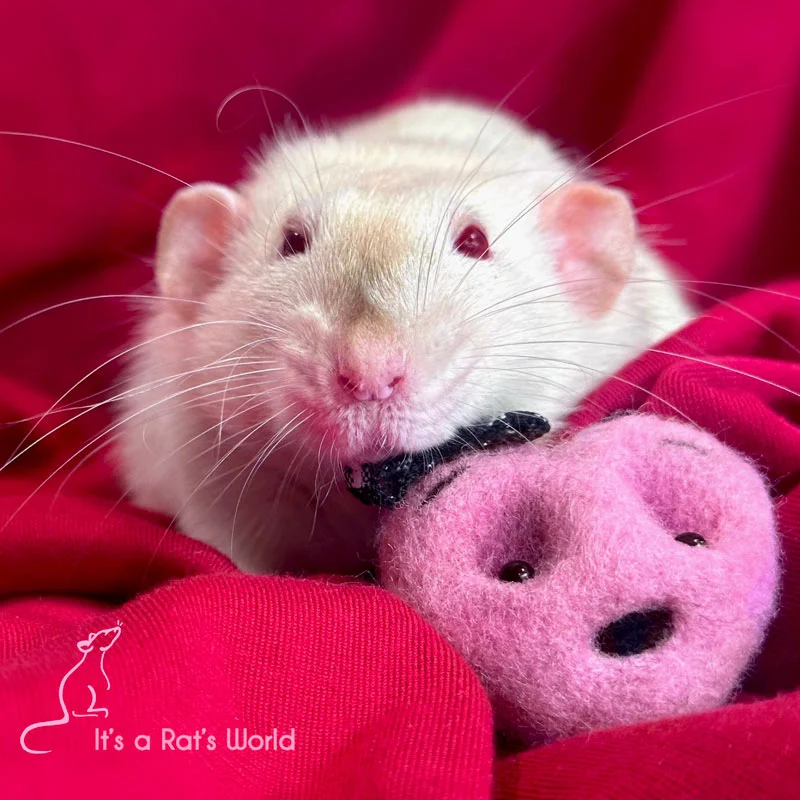
The phenomenon of the "heart rat"—an term used within the fancy rat community to describe a uniquely intense, soulmate-like bond between an owner and a specific rat—represents a documented aspect of human-animal interaction that transcends typical pet ownership. While the average domestic rat (Rattus norvegicus) typically lives between two and three years, the emotional impact these animals have on their caregivers can span decades. By examining the history of rat companionship, the psychological basis for these attachments, and the narratives of long-term enthusiasts, it becomes clear that these bonds are significant, measurable, and deeply influential in the lives of many animal lovers.
The Historical and Biological Context of Rat Companionship
Fancy rats have been kept as pets since the mid-19th century, with the hobby gaining mainstream popularity following the work of Victorian-era enthusiasts like Jack Black, the Queen’s rat-catcher. Over the last 150 years, selective breeding has resulted in a variety of coat colors, patterns, and physical traits, such as the Dumbo and Rex varieties. However, the core of the human-rat relationship remains rooted in the animal’s high level of cognitive function.
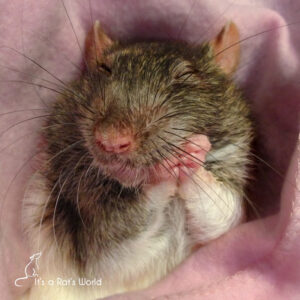
Studies in animal behavior have consistently demonstrated that rats possess complex social structures, the ability to exhibit empathy, and a high capacity for learning. They are capable of "prosocial behavior," meaning they will often assist other rats in distress and demonstrate clear preferences for specific social companions. When these traits are directed toward a human caregiver, the resulting interspecies communication often manifests as the "heart rat" connection. Unlike standard pet-owner relationships, this bond is characterized by the animal’s perceived desire for proximity, intense eye contact, and specialized behavioral patterns such as "bruxing" (grinding teeth) and "boggling" (the rhythmic protrusion of the eyes), which are commonly interpreted as signs of extreme comfort and contentment.
Chronology of the Heart Rat Experience
The experience of bonding with a heart rat generally follows a pattern that deviates from the routine management of a mischief (a group of rats). While most owners treat their animals with equal care, the emergence of a heart rat is typically described as an organic, unplanned event.
- The Incubation Phase: Often occurring within the first few weeks of ownership, the owner notices a specific individual within a group that exhibits "pushy" or exceptionally outgoing behavior. This rat actively seeks out human contact, often to the exclusion of its cage mates.
- The Consolidation of the Bond: This phase is marked by the animal becoming a central fixture in the owner’s daily routine. Historical accounts, such as those provided by long-term keepers, indicate that this period often coincides with significant life changes for the human, such as marriage, career transitions, or periods of emotional vulnerability.
- The Legacy Phase: Following the passing of the animal, the owner often integrates the rat’s memory into their identity. This is evidenced by the adoption of names for children, pets, or business ventures in honor of the animal, and the continued professional dedication to the welfare of the species.
Data and Behavioral Analysis
The rarity of the heart rat experience is notable. Data collected from long-term keepers suggests that out of dozens of rats cared for over several decades, only a small fraction are identified as "heart rats." For example, among experienced keepers, it is common to see a ratio of approximately one heart rat for every ten to fifteen animals owned.

Psychologically, these animals often act as "emotional anchors." Because rats are highly sensitive to human pheromones and cortisol levels, they frequently alter their behavior to mirror or soothe their owners. A 2011 study on domestic rats suggests that they are capable of detecting human distress and will actively seek to alleviate it through physical touch, a behavior that is frequently cited as the catalyst for the "heart rat" designation.
Perspectives from the Fancy Rat Community
Professional breeders and rescue organization directors have weighed in on this phenomenon, noting that the bond is not merely a projection of the owner’s needs but a response to the animal’s distinct personality. "It is an indefinable synergy," says one rescue advocate. "When a rat exhibits a ‘bowl-you-over’ personality, it is not just being friendly; it is exerting a social dominance or preference that compels the human to reciprocate."
Rescue organizations often observe that when a potential adopter visits, specific rats will exhibit "selective bonding," ignoring other humans to focus entirely on one person. This behavioral choice by the animal is often the precursor to the long-term, deep-seated relationship that the owner will later define as a heart rat connection.
The Broader Impact on Human Well-being
The implications of these relationships extend to the owner’s mental health and social identity. For many, the loss of a heart rat is described as "next-level sorrow," comparable to the loss of a human companion or a primary family pet. However, the positive impact during the animal’s life is equally profound.

- ADHD and Anxiety Management: Many owners report that the presence of a heart rat provides a focal point that helps manage the symptoms of anxiety and depression. The need for consistent care and the physical sensation of the animal on one’s shoulder provides a grounding mechanism.
- Advocacy and Education: The "heart rat" phenomenon is a primary driver for advocacy within the fancy rat community. Owners who have experienced this depth of connection are statistically more likely to engage in rescue work, support humane breeding practices, and lobby for better veterinary care for small mammals.
- Cultural Representation: The influence of these bonds is seen in art, literature, and social media. The "Finiums" narrative, for instance, highlights how a single pet can inspire a creative body of work, a professional trajectory, and even familial naming conventions.
Summary of Findings
While the scientific community views the bond through the lens of ethology and social conditioning, the human experience remains rooted in emotional profundity. The "heart rat" is not simply a favorite pet; it is a creature that occupies a unique space in the owner’s life, often acting as a catalyst for personal growth, career redirection, and emotional stability.
As the pet rat industry continues to evolve, with an increasing focus on ethical adoption through registries and rescues, the understanding of these bonds is becoming more standardized. Experts agree that while the "heart rat" bond cannot be forced or artificially created, the environment for such a relationship is fostered through consistent, patient, and empathetic care. Whether one owns two rats or two hundred, the consensus remains: the connection is a rare, life-altering experience that justifies the continued advocacy for the species’ welfare in domestic environments.

