


By Diane Burroughs
Published On: Jul 5, 2026
For avian owners and avian veterinarians alike, the debate regarding the most efficacious delivery method for nutritional supplementation remains a critical topic in pet husbandry. Whether a bird requires added calcium, vitamins, or specialized minerals, the decision to administer these substances via drinking water or by incorporating them into a food matrix is not merely a matter of convenience; it is a clinical decision that affects the bioavailability and consistent intake of essential nutrients. While modern avian nutrition science has evolved to provide specialized formulations for both delivery routes, understanding the physiological constraints of the bird’s anatomy and behavior is essential for ensuring long-term health.
The core challenge in avian supplementation lies in the high variability of a bird’s daily intake. Unlike mammals, where consistent dosages can be more easily managed through oral medication or structured feed, birds possess unique metabolic requirements and hydration habits that fluctuate based on environmental stressors, diet composition, and physical activity levels.
The Physiology of Hydration and Nutrient Absorption
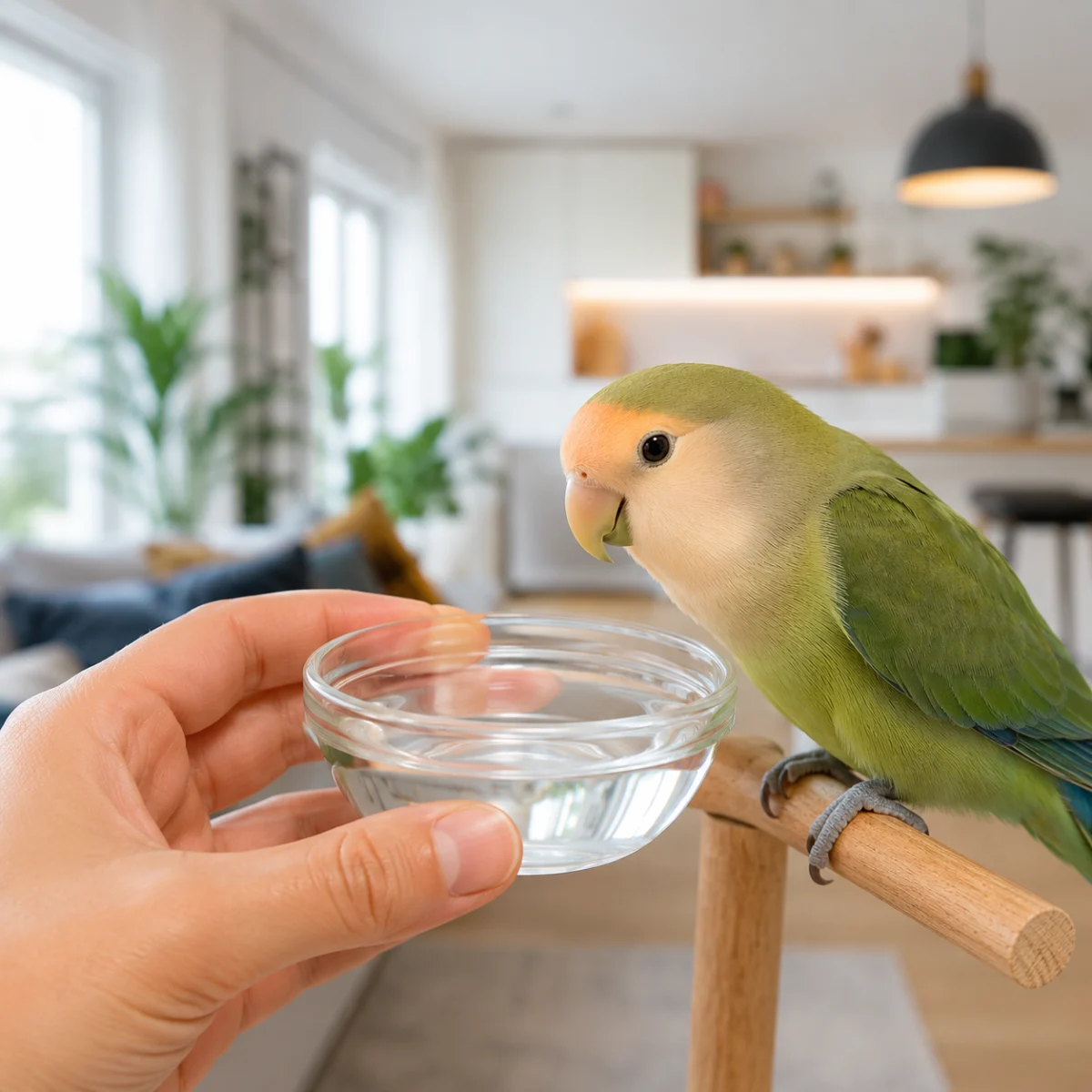
To comprehend why certain supplements are better suited for water, one must first understand the avian drinking mechanism. Birds are highly sensitive to changes in the organoleptic properties—specifically taste and color—of their water. A survey of avian nutrition studies indicates that many species, particularly psittacines, will exhibit neophobia or complete refusal of water if the chemical composition is altered significantly by an additive.
When a supplement is designed for water delivery, it is typically formulated to be water-soluble, odorless, and colorless. This is a deliberate design choice aimed at bypassing the bird’s natural suspicion of foreign substances. If a product dissolves completely and maintains its stability in a standard water dish, it serves as an excellent vehicle for daily maintenance vitamins or electrolytes. However, the limitation of this method is the lack of precision. Because a bird’s water consumption is influenced by ambient temperature, the moisture content of its fresh produce, and its metabolic rate, the total milligram intake of a water-soluble supplement will inevitably vary from one day to the next.
Chronology of Nutritional Delivery Standards
For decades, the standard practice in avian care was the liberal addition of "multi-vitamin drops" to drinking water. Throughout the late 20th century, veterinary nutritionists began to shift away from this practice, noting two primary drawbacks. First, the introduction of organic substances into standing water promotes bacterial biofilm growth, which can lead to secondary infections if the water is not changed with high frequency. Second, the inconsistent dosage led to concerns regarding the over-supplementation of fat-soluble vitamins (such as A, D, E, and K) and the under-supplementation of water-soluble ones.
By the early 2010s, the consensus among avian health professionals shifted toward "food-based delivery." This methodology involves coating fresh produce or dry pellets with pulverized nutrients or oils. This approach allows for a more controlled intake, as the bird consumes the supplement in conjunction with its caloric intake. As of 2026, the industry standard has settled into a hybrid model, where the manufacturer’s label serves as the definitive authority on delivery, having been tested for solubility, stability, and palatability.
Supporting Data: The Impact of Dietary Composition
Recent analysis from avian clinical studies underscores the correlation between diet and hydration. For instance, a parrot consuming a diet rich in high-moisture vegetables, such as cucumbers, leafy greens, and squash, may naturally drink 30% to 50% less water than a bird on a strictly dry-seed or pellet diet. If a supplement is added solely to the water, the bird on a high-moisture diet will receive a significantly lower dose of the required nutrients.
Furthermore, laboratory testing on common supplements reveals that certain formulations—particularly those involving oils, herbal tinctures, or particulate powders—do not maintain a stable suspension in water. When these are added to a water dish, they either float on the surface, sink to the bottom, or cause a rapid degradation of the water’s quality. Oils, in particular, can coat the bird’s feathers if the bird is prone to dipping, which can compromise the bird’s ability to maintain thermoregulation and flight readiness.
Official Guidelines and Best Practices
Professional veterinary organizations have issued clear guidelines regarding the administration of supplements. The primary takeaway is that the delivery method should be dictated by the chemical formulation of the product.
- Water-Soluble Minerals and Electrolytes: These are optimized for water because they are designed to be metabolized through the digestive tract rapidly and are often tasteless.
- Oils and Tinctures: These contain lipid-based compounds that do not dissolve in water. If added to water, they become physically inaccessible or may create an unpalatable film. These should be mixed into a mash or sprinkled over moist food.
- Medications: Unlike nutritional supplements, medications require a narrow therapeutic index. Because water consumption is inconsistent, medications are almost never recommended for water-based delivery unless prescribed specifically by a veterinarian for a clinical, short-term purpose.
The Role of Environmental Factors
The environment in which the bird resides plays a significant role in the effectiveness of water-based supplements. In environments with higher ambient temperatures, birds will increase their water consumption to facilitate cooling through respiration. While this might seem like an ideal time to increase nutrient intake, it can lead to an unintended "spike" in dosage if the concentration is not adjusted.
Moreover, bathing behavior is a frequent, often overlooked factor. Many birds use their drinking bowls as bath basins. If a bird bathes in water treated with supplements, the resulting solution may be ingested in quantities far exceeding the recommended daily allowance, or the supplement may cause irritation to the bird’s eyes and nares. Therefore, any water-based supplementation program requires strict management: the water must be fresh, the bowl must be cleaned, and the bird must be monitored to ensure the water is being drunk, not merely used for grooming.
Implications for Avian Health and Longevity
The implications of improper supplementation are significant. Over-supplementation, particularly with fat-soluble vitamins, can lead to hypervitaminosis, which may manifest as liver damage or metabolic dysfunction. Conversely, under-supplementation may leave a bird susceptible to common deficiencies, such as hypocalcemia, which is prevalent in captive parrots.
The "bottom line" in avian nutrition is consistency. Whether a guardian chooses to use water or food as the delivery vehicle, the goal is to ensure that the bird receives the intended dosage with minimal stress. For many owners, the most successful strategy involves "sneaking" supplements into the bird’s favorite treats—a practice known as food-pairing. By introducing the supplement in a small amount and gradually increasing it, the owner can bypass the bird’s inherent neophobia.
Future Perspectives in Avian Nutrition
As we look toward the latter half of the 2020s, research is increasingly focusing on the development of encapsulated nutrients that are resistant to environmental degradation. These advancements may eventually allow for more stable water-based supplementation that remains active even in the presence of organic contaminants. Until such technology is widespread, the gold standard remains: strictly adhere to the manufacturer’s instructions.
If the label mandates that the product be added to food, the molecular weight and stability of that product have been optimized for digestion through the gut alongside other nutrients. If it is designed for water, the product has undergone testing to ensure that its dissolution does not alter the water’s pH or taste to a degree that would discourage consumption.
In conclusion, bird owners should treat supplements with the same level of care as they treat prescription medications. The transition to a more scientific approach to avian nutrition requires moving away from anecdotal "home remedies" and toward a structured, label-compliant regimen. By aligning the delivery method with the product’s intended use, owners can effectively mitigate the risks of inconsistency and ensure their avian companions benefit from the full spectrum of nutritional support.

