


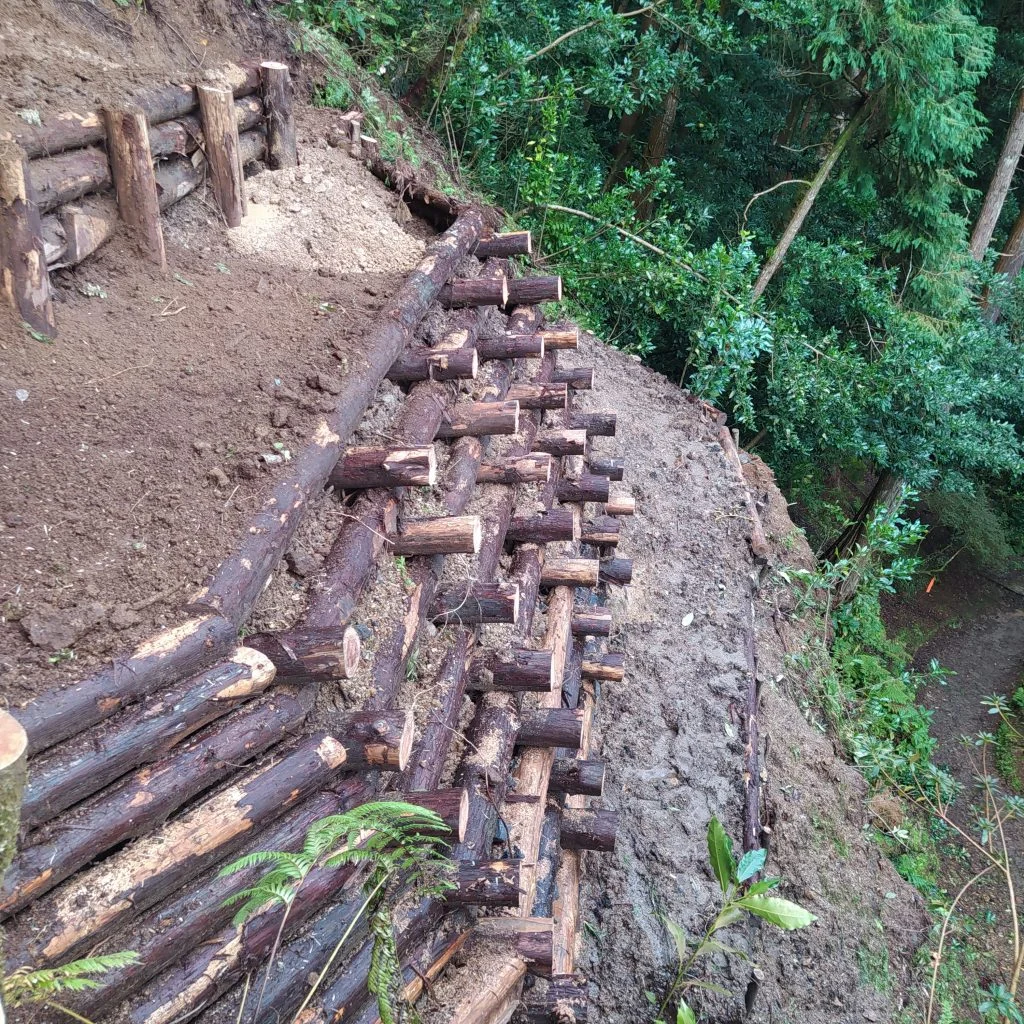
The global landscape of civil engineering is undergoing a quiet but profound transformation, shifting away from the rigid, grey dominance of concrete toward the dynamic, adaptive principles of natural engineering. In the Portuguese archipelago of the Azores, this shift is not merely theoretical; it is being written into the very topography of the islands. Spearheaded by the Portuguese Society for the Study of Birds (SPEA), the regional partner of BirdLife International, a series of innovative projects is demonstrating that nature-based solutions can outperform traditional infrastructure in stability, cost-effectiveness, and ecological resilience.
The Genesis of a Living Laboratory
The adoption of natural engineering by SPEA in 2012 was a pragmatic response to a recurring environmental crisis. The Azores, a volcanic archipelago in the North Atlantic, is characterized by dramatic vertical landscapes, heavy precipitation, and porous soils. The organization’s initial mission—the restoration of the endemic Laurissilva forest—was repeatedly thwarted by unstable volcanic slopes prone to landslides and torrential surface runoff that ravaged the local flora and fauna.
Traditionally, regional authorities relied on concrete retaining walls and heavy drainage pipes to manage these risks. However, these structures often failed. Concrete is brittle; it resists the movement of shifting volcanic soil rather than accommodating it. When water pressure builds behind a concrete barrier, it often leads to catastrophic failure. SPEA sought a different path, drawing on techniques that had been refined over four decades in the alpine regions of Switzerland and the slopes of Italy’s Mount Etna. By 2012, the team established a “living laboratory” at Mata dos Bispos, a site that would become the blueprint for future restoration efforts across the archipelago.
The Mechanics of Natural Engineering
Natural engineering applies the principles of ecosystem services to construction. Instead of resisting natural forces, these structures work in tandem with them. The methodology involves the strategic use of logs, locally sourced stones, and indigenous vegetation to stabilize terrain.

The most striking example of this approach is a retaining wall that stands as a testament to the efficacy of the technique. Stretching 30 meters in length and reaching a height of over nine meters, this structure—the largest of its kind in the Iberian Peninsula—is engineered to handle a retention capacity exceeding 270 tonnes. Unlike a concrete wall, which requires deep, destructive excavation to anchor into shifting volcanic soil, this structure utilizes a sophisticated arrangement of interlocking logs and native root systems.
The mechanism is simple yet brilliant: while concrete acts as a barrier that prevents water drainage, leading to hydrostatic pressure buildup, the natural wall functions as a filter. Water seeps through the porous layers of logs and soil, preventing the accumulation of pressure that typically leads to slope failure. Furthermore, the vegetation embedded within the structure provides a “biological anchor.” The root systems weave through the soil and timber, creating a cohesive, living matrix that gains strength as the plants mature. Even in the event of an earthquake or extreme weather, the vegetation possesses the capacity to regenerate, a self-healing property entirely absent in manufactured infrastructure.
Chronology of Implementation and Scaling
The success at Mata dos Bispos served as a proof-of-concept that allowed SPEA to scale their operations under the umbrella of the LIFE IP Azores Natura project.
- 2012: Initiation of pilot projects at Mata dos Bispos, focusing on timber-based drainage and slope stabilization.
- 2014–2016: Refinement of techniques for stream bank stabilization, integrating hydraulic engineering with riparian planting.
- 2018: Recognition of natural engineering as a primary strategy for biodiversity conservation within the Azores, leading to the broader LIFE IP Azores Natura mandate.
- 2020–2022: Restoration of over 3 km of stream banks, successfully mitigating flash flood risks for downstream infrastructure.
- 2024–Present: Expansion of services to municipal infrastructure, including the protection of vital water springs and tourist access routes.
Addressing the Human Footprint
Beyond large-scale stabilization, natural engineering is increasingly being applied to mitigate the environmental impact of tourism. Popular hiking trails in the Azores often cross peat-rich or clay-heavy soils, which are susceptible to severe erosion from foot traffic. When drainage fails, these trails become muddy quagmires. Hikers, seeking to bypass the mud, frequently trample fragile, endemic vegetation, leading to a widening of trails and the loss of sensitive habitats.
SPEA has addressed this by implementing natural drainage channels and raised timber walkways that guide water away from the path while keeping foot traffic contained. This approach ensures that the path remains the most accessible route, effectively protecting the surrounding biodiversity by default rather than by prohibition.

Expert Perspectives on Nature-Based Solutions
The shift in philosophy is perhaps best articulated by those on the ground. Rui Botelho, coordinator of SPEA Azores, emphasizes the resilience inherent in the living wall: “In living walls, water seeps through and drains away, rather than accumulating as it does in concrete. And even if an earthquake breaks the roots, they regenerate on their own.”
This sentiment is echoed by Tarso Costa, Senior Conservation Officer at SPEA Azores, who places the practice within a historical context: “Humans were already creating nature-based solutions long before they started building with concrete.”
However, both experts are quick to clarify that natural engineering is not a panacea. It requires a high level of interdisciplinary collaboration, involving the expertise of civil engineers, biologists, hydrologists, and agronomists. It is a calculated, scientific approach that relies on rigorous data modeling and structural calculations—the difference being that the variables in their equations are living organisms rather than static materials.
Economic and Environmental Implications
The implications of this movement are significant. From an economic standpoint, the reliance on local, natural materials reduces the carbon footprint associated with transporting concrete and heavy machinery to remote, mountainous areas. Maintenance costs are also reduced in the long term, as these structures stabilize and improve over time rather than degrading.
From an environmental perspective, the benefits are clear. Concrete structures create ecological barriers, fragmenting habitats and altering the flow of local waterways. Natural engineering, conversely, promotes connectivity. By restoring riverbanks with native species, the projects have facilitated the return of local wildlife, improved water quality, and increased the resilience of the ecosystem against the intensifying weather patterns associated with climate change.

The Future of Infrastructure
As SPEA is commissioned to restore the springs that supply the public water for Vila Franca do Campo, the methodology is gaining mainstream acceptance. It is no longer viewed as an alternative or experimental practice but as a viable, professional standard for civil works in sensitive landscapes.
While natural engineering cannot replace high-impact, high-pressure infrastructure like large-scale dams or urban skyscrapers, its utility in land management, flood mitigation, and habitat protection is undisputed. The work in the Azores proves that we do not always have to fight the landscape to build within it. By integrating ancestral knowledge with the precision of modern science, engineers can create infrastructure that does more than just hold ground—it contributes to the vitality of the environment it occupies. As these projects continue to mature, they serve as a powerful reminder that the most resilient technology on Earth is, and has always been, nature itself.

