


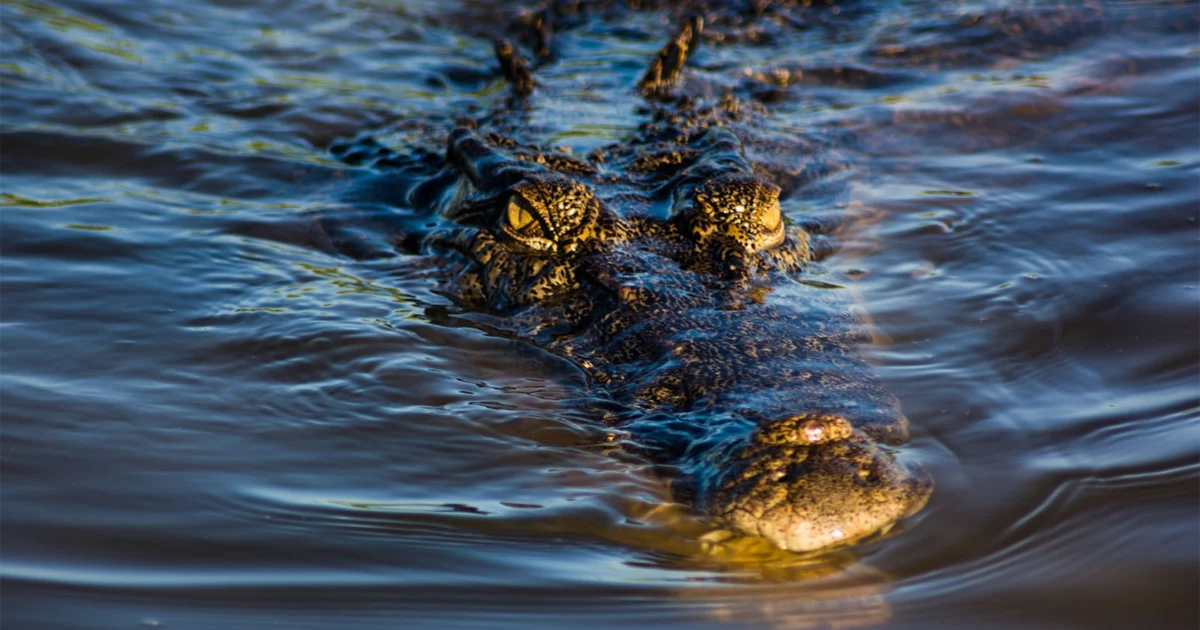
A 30-year-old Myanmar national, Ye Lin, is facing significant legal consequences in Singapore after his decision to create and disseminate an AI-generated image of a saltwater crocodile triggered a large-scale security and safety operation at one of the nation’s primary reservoirs. The incident, which occurred last month, highlights the growing tension between the rapid proliferation of generative artificial intelligence and the rigid legal frameworks governing public order and the dissemination of misinformation.
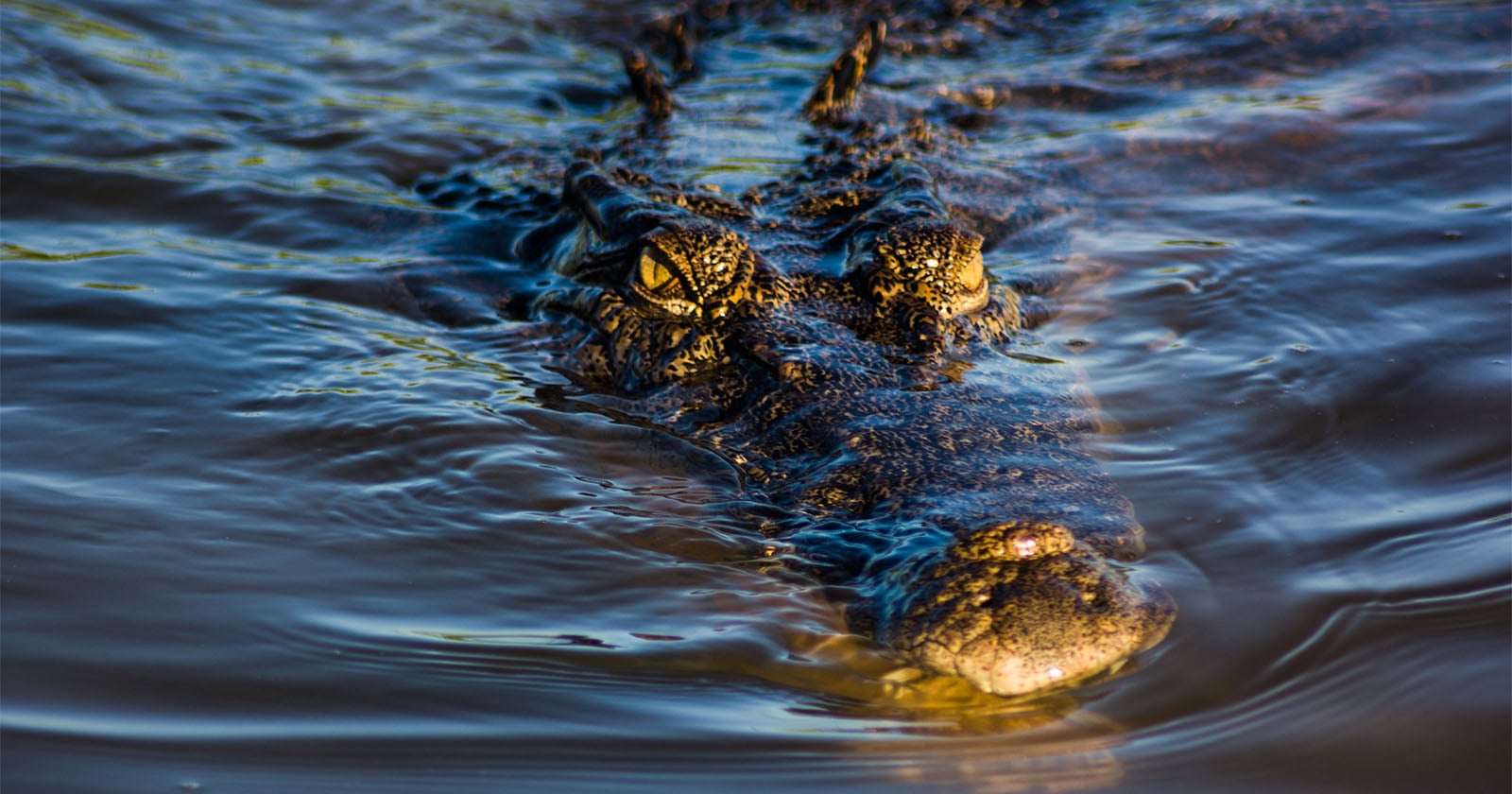
The accused, who was working in Singapore at the time of the incident, allegedly generated the image using an AI application and shared it with a colleague. The digital fabrication depicted an estuarine crocodile—a species that is protected but occasionally spotted in Singapore’s coastal waters—lurking in the depths of the Pandan Reservoir. As the largest reservoir in Singapore and a hub for recreational activities, the image caused immediate alarm, prompting authorities to treat the report as a credible threat to public safety.
Chronology of the Pandan Reservoir Incident
The timeline of the event reflects how quickly digital misinformation can necessitate real-world resource mobilization. Upon receiving reports of the crocodile sighting, which originated from the circulated image, Singapore’s national water agency, PUB, initiated an emergency response.
On the day the image surfaced, authorities were forced to halt all operations at the Pandan Reservoir to prioritize public safety. The closure was not merely a precautionary measure; it required a systematic sweep of the reservoir’s perimeter and water surface. For two consecutive days, staff from the water agency, along with security personnel, conducted exhaustive searches to locate the apex predator. During this time, the reservoir’s utility as a recreational space was completely compromised. Rowing and canoeing clubs, which rely on the reservoir for scheduled training sessions and competitions, were forced to suspend all activities.
As the search yielded no physical evidence of a crocodile, investigators began to scrutinize the origin of the photograph. By analyzing the digital footprint of the image and tracing its transmission, authorities concluded that the content was a synthetic creation rather than a genuine wildlife capture. Following the confirmation that the image was a hoax, the reservoir was reopened, but the legal repercussions for the perpetrator were only just beginning.
Legal Ramifications and Pending Charges
Ye Lin has been formally charged with the distribution of a false message under Singapore’s stringent laws regarding public order. According to legal reports, the prosecution intends to pursue a conviction that carries a potential sentence of up to three years in prison and a fine of nearly $8,000.
However, the legal situation for the accused worsened due to his subsequent actions. In an attempt to cover his tracks, Lin deleted the AI-generated image and uninstalled the software application he had used to create it. This attempt to destroy evidence during an active investigation resulted in an additional, more serious charge of obstructing the course of justice. In the Singaporean judicial system, this offense is treated with high severity, carrying a potential sentence of up to seven years in prison.
As of the latest court filings, Lin is expected to appear for his hearing in November. Notably, legal observers have reported that he intends to plead guilty to the charges and is currently not expected to employ legal counsel, suggesting a likely expedited resolution to the case.
Official Response and Public Policy
The Singapore Police Force (SPF) has utilized this case as a platform to issue a stern warning to the public regarding the dangers of synthetic media. In an official statement, the police force emphasized that the misuse of technology to manufacture falsehoods constitutes a serious threat to social stability.
"The Police will not hesitate to take action against anyone who communicates falsehoods," the statement read. "Apart from causing fear and inconvenience caused to members of the public, such falsehoods also result in public resources being unnecessarily deployed to deal with these incidents."
The authorities have further called for a higher standard of digital literacy and responsibility. The official guidance urges citizens to refrain from circulating unverified or edited images, particularly those generated by AI, which could be mistaken for authentic reports of danger. The police explicitly stated that submitting fabricated information to government agencies while presenting it as reality is a criminal act that the state will prosecute vigorously.
The Broader Impact of AI-Generated Misinformation
The case of the Pandan Reservoir crocodile is emblematic of a global phenomenon where the accessibility of generative AI tools has outpaced the public’s ability to discern reality from fiction. While the incident in Singapore involved a relatively contained hoax, the potential for systemic disruption is significant.
Data from cybersecurity firms indicates that the volume of AI-generated content used for deceptive purposes has risen exponentially over the last 24 months. These tools are no longer restricted to high-end workstations; they are now embedded in mobile applications that allow users to generate hyper-realistic imagery in seconds.
The implications are far-reaching:
- Economic Instability: The incident in Singapore mirrors concerns previously raised by instances where AI-generated images—such as a fake explosion near the Pentagon in 2023—caused momentary, yet sharp, fluctuations in global stock markets.
- Resource Misallocation: As seen in the Pandan Reservoir incident, the "cost" of AI hoaxes is often measured in public tax dollars. The deployment of emergency teams, security personnel, and the interruption of economic and recreational activities creates a tangible financial burden on the state.
- Erosion of Public Trust: When citizens can no longer rely on visual media as evidence of reality, the foundational trust in news reporting and government communications is weakened. This "liar’s dividend" allows bad actors to dismiss genuine evidence as "AI-generated" while simultaneously using fakes to stir panic.
Conclusion: The Future of Digital Accountability
As artificial intelligence continues to integrate into daily life, the case of Ye Lin serves as a cautionary tale for the global community. It demonstrates that the law is increasingly catching up to the digital era. Governments worldwide are beginning to recognize that while the tools of creation may be new, the laws against causing public alarm, wasting public resources, and obstructing justice remain robust and applicable to the digital realm.
For Singapore, a nation that prides itself on maintaining high standards of public order and safety, this incident serves as a benchmark for how it intends to handle the intersection of AI and crime. By holding individuals accountable for the consequences of their digital creations, authorities are sending a clear message: in the age of generative AI, the responsibility for the truth remains firmly with the user. The upcoming court proceedings in November will likely set a significant precedent for how AI-related offenses are adjudicated in the region, serving as a reminder that a few clicks on a smartphone can lead to years of legal consequences.

