


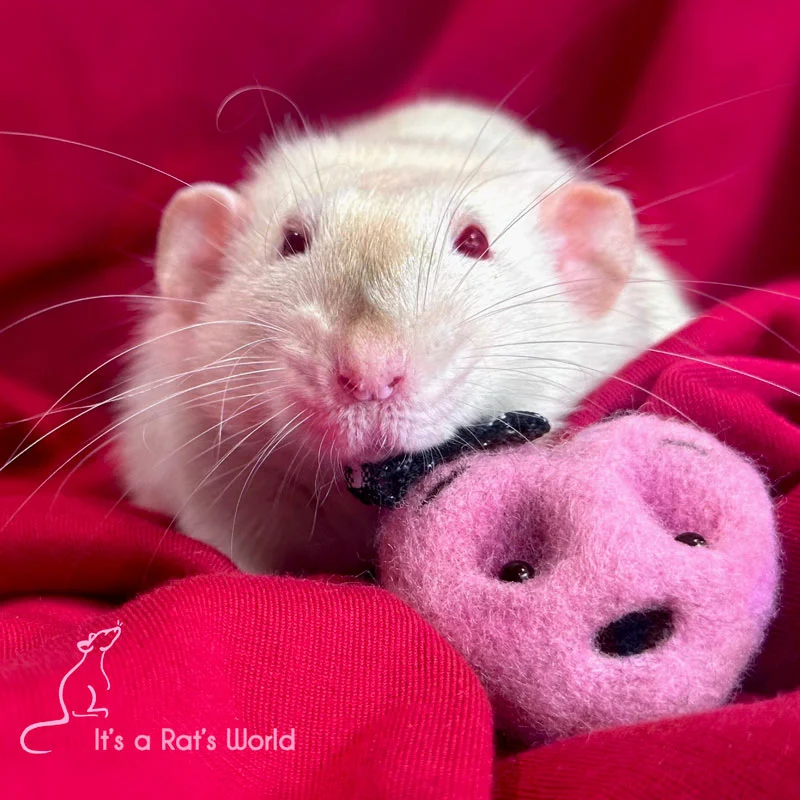
The concept of a heart rat represents a specialized, profound emotional bond that transcends the typical caretaker-pet relationship, mirroring the deep attachments observed in canine and feline companionship. Within the community of small mammal enthusiasts, this term denotes an animal that acts as an "animal soulmate," serving as a cornerstone of the owner’s emotional landscape. While rat ownership—often involving a "mischief" or group of rodents—is common, the emergence of a heart rat is characterized by a distinct, intuitive connection that develops organically, often appearing during periods of significant life transition or emotional vulnerability.
Defining the Emotional Architecture of the Heart Rat
Unlike the broader category of "favorite" pets, which may be selected based on specific personality traits, physical quirks, or individual temperament, the heart rat is described by keepers as a unique psychological presence. Longitudinal observations within the fancy rat community suggest that these bonds are not manufactured through training or environmental conditioning but are perceived as an mutual selection process.
Data regarding the lifespans of Rattus norvegicus domesticus—typically ranging from 24 to 36 months—imposes a unique temporal pressure on these relationships. The brevity of a rat’s life compared to human counterparts often intensifies the grief process. However, for those who identify a heart rat, the emotional impact often becomes integrated into the owner’s personal history, leading to long-term commemorative practices, such as naming human children or creative projects after the animals, and even utilizing memorial tattoos to maintain a symbolic physical connection.
A Chronology of Connection: Case Studies in Bonding
Historical accounts from long-term keepers, such as Brandi Saxton of It’s A Rat’s World, provide a longitudinal view of how these bonds manifest over a decades-long trajectory of animal guardianship. In a career spanning over 30 years and encompassing the care of approximately 59 individual rats, the occurrence of identified heart rats remains low, with only six to eight individuals qualifying for the designation.
The chronology of these bonds often correlates with specific stages of the owner’s life. For instance, the "first" heart rat frequently appears in early adulthood, acting as a stabilizing emotional anchor during periods of personal instability. Subsequent heart rats often appear as "bonded pairs" or small groups, demonstrating that the emotional capacity for such a bond is not strictly limited to a single creature at one time.

The transition from a standard pet-owner dynamic to a heart-rat connection often involves a shift in the animal’s behavior toward the human, including:
- Proactive seeking of attention: The animal may initiate social interaction rather than waiting for the human to initiate.
- Synchronicity: A noticeable alignment in movement, rest, and activity patterns between the human and the rodent.
- Non-verbal communication: The use of specific vocalizations or tactile cues, such as bruxing (the grinding of teeth) or grooming, to signal trust and mutual identification.
The Role of Personality and Individual Temperament
Analysis of the traits associated with heart rats indicates a commonality in "pushy" or highly confident personalities. These animals often exhibit a high degree of sociability, occasionally displaying behaviors that challenge typical prey-animal instincts, such as approaching strangers or demonstrating high levels of comfort in novel environments.
Behaviorists note that in species as intelligent as the domestic rat, individual personality variance is high. When a rat exhibits an uncommonly high level of social engagement, it creates a feedback loop with the owner. This "bowl-you-over" personality type—characterized by persistent social demands—appears to be a primary catalyst for the development of the heart-rat bond. These rats often distinguish themselves through specific, memorable behaviors, such as attempting to "lead" the owner or displaying high-functioning problem-solving skills, which further anthropomorphize the animal in the eyes of the guardian.
The Psychological and Physiological Implications
The depth of the grief experienced following the loss of a heart rat is comparable to the bereavement associated with longer-lived domestic pets. Psychological research into human-animal interaction (HAI) suggests that the loss of an animal that has provided consistent emotional support can trigger significant distress. In the context of rats, this is compounded by the "stigmatized" nature of the species. Because rats are often viewed by the general public as pests, the validation of the loss by the wider community is often absent, leaving the owner to process the grief in relative isolation.

This isolation has led to the creation of tight-knit support communities, such as those facilitated by rescue organizations and specialized media outlets. These platforms serve as a repository for the shared history of these animals, transforming individual, ephemeral connections into a collective narrative of value and intelligence.
Broader Impact: From Guardianship to Advocacy
The emergence of a heart rat frequently alters the trajectory of an owner’s life, often moving them toward rescue advocacy and education. When an individual experiences a profound bond with a rat, they are often compelled to correct public misconceptions regarding the species. This advocacy takes many forms:

- Rescue and Rehabilitation: The transition from pet store procurement to the adoption of rescue animals, prioritizing those with complex histories or health issues.
- Creative Expression: Utilizing the memory of the animal as a muse for art, literature, and digital storytelling, effectively "immortalizing" the animal beyond its biological lifespan.
- Public Education: Using the "heart rat" as a case study to demonstrate the capacity for complex emotion, empathy, and social reasoning within the species.
Conclusion: The Unpredictability of the Bond
The phenomenon of the heart rat remains a subjective, yet universally recognized experience within the rodent-keeping community. It is a testament to the capacity for interspecies connection to flourish in even the most unlikely of pairings. While the criteria for a heart rat are not quantifiable in clinical terms, the consistency of the reports—characterized by deep, transformative, and often life-altering attachments—suggests that these bonds serve a vital role in the emotional well-being of the guardian.
As the understanding of animal cognition and emotion continues to evolve, the "heart rat" serves as an important bridge between the scientific recognition of animal intelligence and the deeply personal, emotive experience of the human-animal bond. Whether a guardian meets one or multiple such animals over a lifetime, the consensus remains that these encounters are rare, meaningful, and fundamentally impactful on the human identity. Through these bonds, the short lives of these animals are given a lasting significance, illustrating that the depth of a connection is not defined by the duration of the relationship, but by the magnitude of the impact the animal has on the life of its human partner.

