


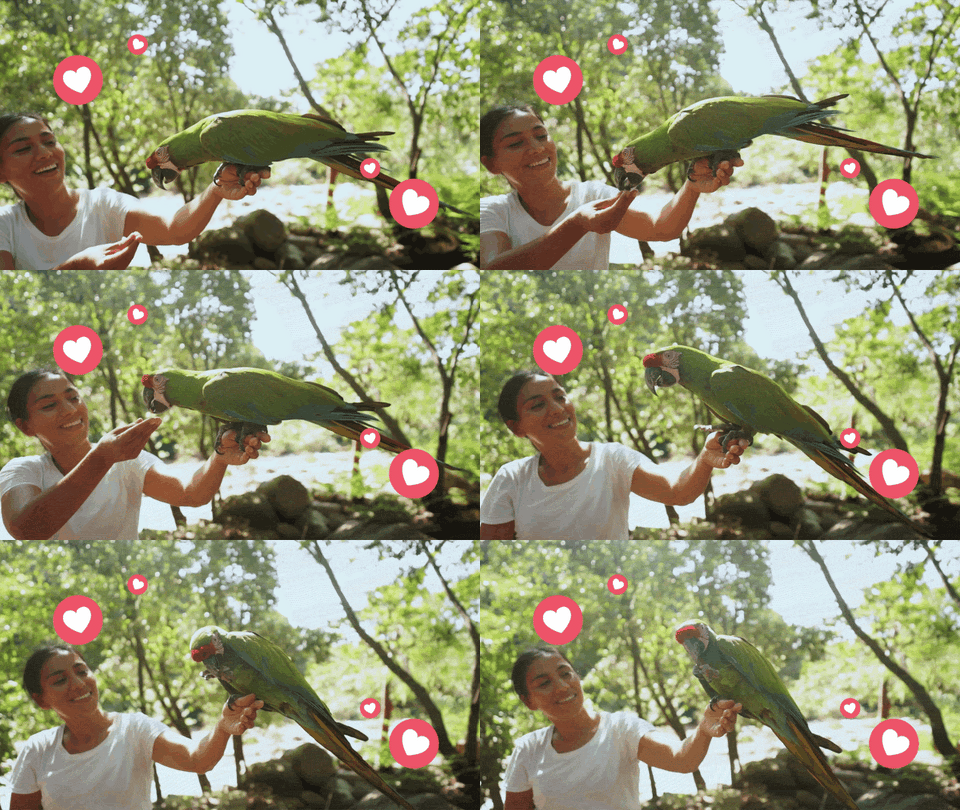
The seemingly simple act of a pet bird stepping onto a human hand or perch, known as the "step-up" command, represents far more than a mere trick; it is a foundational behavior crucial for avian safety, routine care, and the cultivation of a robust, trusting relationship between parrots and their human companions. Without this vital skill, managing a fully flighted bird can quickly devolve into a chaotic and potentially dangerous pursuit, transforming daily interactions into a frustrating game of cat and mouse across furniture, curtain rods, and high shelves. Such uncontrolled scenarios are not just inconvenient; they expose birds to myriad hazards, from open windows and hot stovetops to other household pets, underscoring the critical importance of this core training element.
The Imperative of Avian Training: Beyond Companionship
Parrots, by their very nature, are intelligent, complex, and highly social animals with inherent instincts shaped by millions of years in diverse wild environments. Bringing these magnificent creatures into human homes necessitates a profound understanding of their needs and a commitment to responsible care, which extends far beyond providing food and shelter. Effective training, rooted in positive reinforcement, serves as the primary language through which humans and birds can communicate, establishing clear boundaries and fostering mutual respect. The "step-up" command stands as the cornerstone of this communication system, enabling owners to safely handle their birds in a multitude of situations, from routine daily transfers to urgent medical emergencies.
Consider a common household scenario: children unexpectedly burst through the front door, their loud entry startling a parrot perched calmly in the living room. In a moment of panic, the bird might take flight, landing in an unfamiliar or hazardous spot—perhaps on the floor, near an open door, or in a precarious position. Without a reliable "step-up" cue, retrieving the distressed bird could escalate the fear and stress for both animal and owner. However, with consistent training, an owner can calmly approach, offer the familiar verbal and visual cues, and gently prompt the bird to step onto their hand, averting a crisis and reinforcing the bird’s trust in its human protector. This ability to calmly and effectively manage such situations is not merely convenient; it is a life-saving skill that minimizes stress, prevents accidents, and strengthens the profound bond shared.
Historical Context: Evolution of Avian Companionship and Training
The relationship between humans and parrots spans millennia, with evidence suggesting that various parrot species have been kept as companions and status symbols since ancient times. Early methods of bird keeping often focused on containment, with little emphasis on understanding avian psychology or employing humane training techniques. Historically, handling might have involved forceful restraint or intimidation, leading to fearful, aggressive, or withdrawn birds.
The latter half of the 20th century, however, witnessed a paradigm shift in pet care, driven by advancements in animal behavior science and a growing appreciation for animal welfare. The principles of Applied Behavior Analysis (ABA), particularly operant conditioning and positive reinforcement, began to be widely applied to companion animals, including birds. This scientific approach emphasized rewarding desired behaviors rather than punishing unwanted ones, leading to more effective, humane, and sustainable training outcomes. Experts like Dr. Susan Friedman, a pioneer in applying behavior analysis to captive animals, have championed these methods, transforming the landscape of avian care and advocacy. The "step-up" command, when taught using these modern, trust-based techniques, embodies this evolution, shifting from a demand enforced by force to an invitation accepted through confidence and positive association.
Understanding Avian Reluctance: Why a Bird Might Resist the "Step-Up"
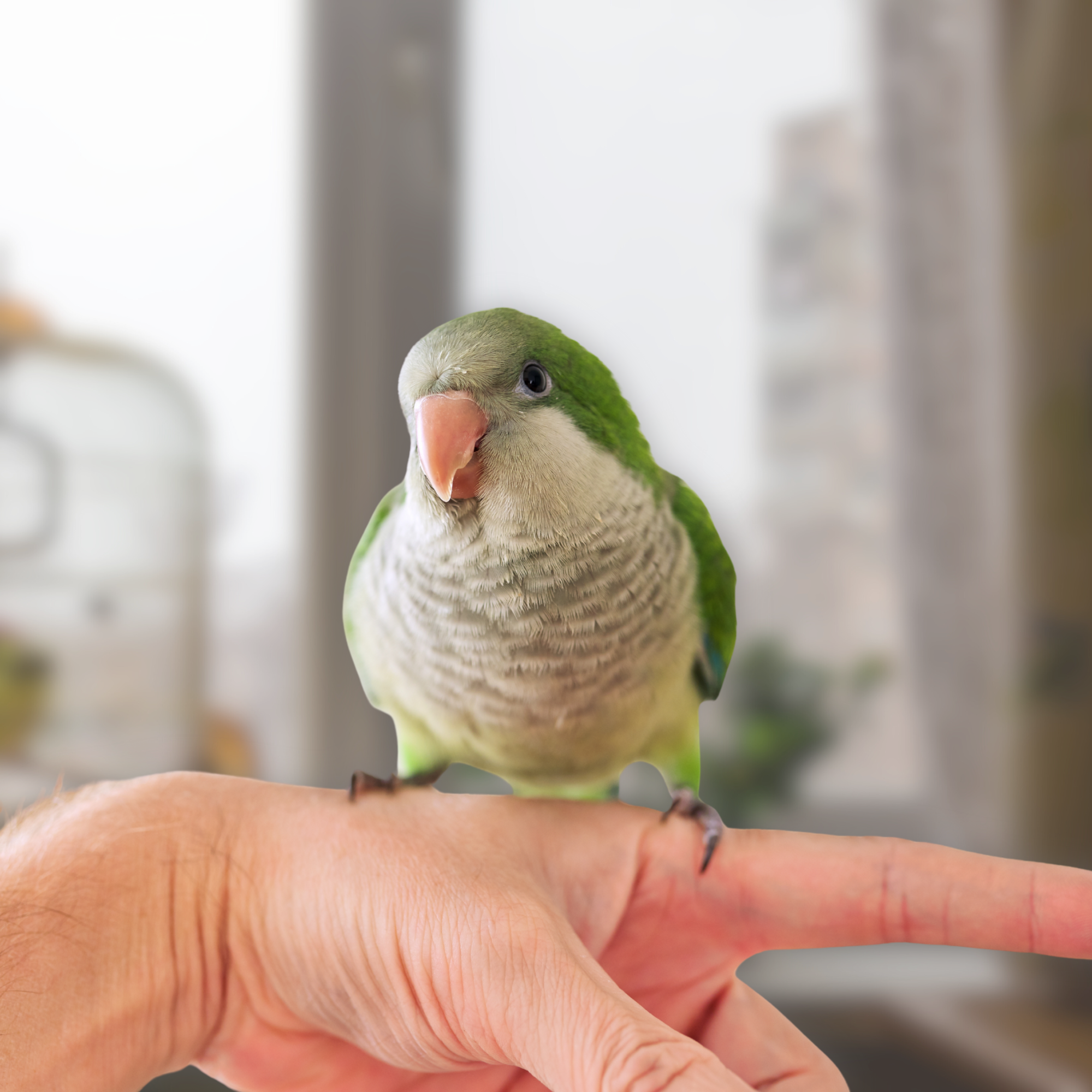
When a parrot hesitates or refuses to step up, it is rarely an act of "stubbornness" or defiance. Instead, it almost invariably stems from underlying issues such as fear, confusion, physical discomfort, or a lack of clear communication. Avian behaviorists identify several common reasons for this reluctance:
- Past Trauma or Negative Associations: Birds, especially rescues or those from inexperienced breeders, may have endured forced handling, rough physical restraint during wing trims, or other unpleasant experiences that have created a deep-seated fear of human hands. This can manifest as biting, lunging, or fleeing when a hand approaches.
- Fear of the Unfamiliar or Unstable: A human finger or hand is not a natural perch. Its warmth, movement, and often unsteady nature can be intimidating for a bird accustomed to stable branches. Young birds, in particular, may lack the confidence or balance to readily transfer onto a moving surface.
- Unsteady Handling by the Owner: If an owner’s arm or hand moves abruptly once the bird steps up, it can startle the bird, leading to a loss of trust. Birds require a stable platform to feel secure.
- Physical Limitations: Elderly birds, those with arthritis, or young birds whose leg muscles are still developing may struggle with grip strength, balance, or the physical effort required to step up. A veterinarian should rule out any underlying medical conditions causing discomfort.
- Incorrect Training Methods: Inconsistent cues, lack of positive reinforcement, or inadvertently reinforcing unwanted behaviors (e.g., retreating when the bird bites) can hinder learning. Birds are quick learners, but only when the training is clear, consistent, and rewarding.
Addressing these underlying factors is paramount before successful "step-up" training can commence. A compassionate approach, prioritizing the bird’s comfort and confidence, is essential.
The Methodology of Step-Up Training: Clear Cues, Calm Hands, and Consistent Practice
Teaching the "step-up" command is a structured process that relies on a clear communication system, patience, and positive reinforcement. The core elements involve a verbal cue, a visual cue, and gentle pressure, all working in concert to guide the bird.
1. Cultivating Trust and Positive Associations:
Before any physical prompting, the foundation of trust must be established. This involves creating positive associations with your hands. Start by simply having your hand near the bird’s cage or perch, offering high-value treats (e.g., slivers of almond, millet spray, preferred fruits) or engaging in gentle, desired interactions (like head scratches, if the bird enjoys them) without attempting to touch or prompt a step-up. The goal is for the bird to view your hand as a source of good things, not a threat. Gradually decrease the distance as the bird shows comfort, moving from offering treats at arm’s length to closer proximity. This phase can take days, weeks, or even months, depending on the bird’s background and personality.
2. Introducing the Cues: Verbal, Visual, and Tactile:
Once the bird is comfortable with your hand’s presence, introduce the "step-up" command.
- Verbal Cue: Choose a simple, consistent phrase like "Step up" or "Up." Say it in a calm, encouraging tone.
- Visual Cue: Present your hand, finger, or a training perch (often a dowel or stick for initial training) just below the bird’s chest, slightly above its feet. This provides a clear target.
- Gentle Pressure: As you present the visual cue and say the verbal cue, apply very light, upward pressure against the bird’s lower chest or belly, just above its legs. This gentle nudge is a signal for the bird to lift its foot. It is crucial this is a nudge, not a jab, and it should be accompanied by the other cues.
3. Reinforcing Success Immediately:
The moment the bird lifts one foot, and then places both feet onto your hand or perch, immediately provide positive reinforcement. This could be:
- A High-Value Treat: A small, desirable morsel that the bird doesn’t get freely.
- Verbal Praise: "Good bird!" in an enthusiastic tone.
- A Clicker Sound: If using clicker training, the "click" precisely marks the desired behavior, followed by the treat. The clicker is a highly effective secondary reinforcer, bridging the time between the action and the primary reward.
Keep training sessions short—ideally 5 to 10 minutes maximum—to prevent boredom or fatigue. It is vital to end each session on a successful note, even if it means asking for a very easy "step-up" at the end, so the bird associates training with positive experiences and looks forward to the next session.
Troubleshooting: Addressing Fear and Resistance

When a bird refuses to step up, bites, or flies away, it signals a breakdown in communication or an underlying emotional state, usually fear or confusion. It is imperative to resist frustration and avoid any punitive responses, which will only exacerbate the problem.
- Regress and Rebuild: If the bird is struggling, go back to an earlier step where it felt confident. For example, if it won’t step onto your hand, return to offering treats from a distance, or use a neutral training perch instead of your hand.
- Identify the Fear Trigger: Is it your hand specifically? Is it the environment? Is it the pressure? Adjust your approach based on the bird’s reactions. Sometimes, starting with a target stick can be helpful, as it provides a less intimidating "bridge" between the bird and your hand. The bird learns to touch the stick, then follows it to your hand.
- Patience and Consistency: Trust takes time to build and is easily shattered. Short, frequent, positive sessions are far more effective than long, infrequent, or stressful ones. Always keep the atmosphere light, rewarding, and free of pressure.
- Consult a Professional: If persistent challenges arise, seeking guidance from a certified avian behavior consultant or an avian veterinarian with behavior expertise can provide tailored strategies and rule out medical issues.
Beyond the Basic Step-Up: Advanced Applications and Enrichment
Once the "step-up" is reliably mastered, it opens the door to a wealth of other valuable behaviors and interactions, significantly enhancing the bird’s quality of life and safety.
- The "Step-Down" Command: Equally important, this teaches the bird to calmly transfer from your hand to a designated perch, cage bar, or play stand. Using similar cues and reinforcement, this skill promotes independence and prevents the bird from becoming "velcroed" to the owner, reducing potential behavioral issues stemming from over-dependence.
- Laddering: This exercise involves having the bird alternate stepping between your left and right hands (or two perches). It builds coordination, balance, responsiveness, and stamina, reinforcing the bird’s focus on your cues. Laddering is also an excellent form of physical and mental enrichment.
- Target Training: While often used to teach step-up, target training itself is a valuable skill. Teaching a bird to touch its beak to a specific object (the "target stick") allows owners to guide the bird to various locations without direct physical contact, making vet visits, cage cleaning, and introduction to new environments much smoother.
- Flighted Bird Management: For fully flighted birds, a reliable step-up is indispensable. It allows owners to retrieve the bird from high places safely, call them down from an unexpected flight, or guide them back to their enclosure, greatly mitigating the risks associated with free flight indoors.
- Facilitating Health Checks and Grooming: A bird that comfortably steps up is more likely to tolerate brief health checks, nail trims, or medication administration, reducing stress for both bird and owner during these necessary procedures.
- Enrichment and Exploration: With a solid step-up, birds can be safely moved to explore different supervised environments, interact with various enrichment toys, or participate in family activities, all under controlled conditions. This greatly expands their world beyond the confines of their cage.
Broader Implications: Avian Welfare, Safety, and the Lifelong Bond
The mastery of the "step-up" command extends its benefits far beyond individual interactions, touching upon critical aspects of avian welfare, safety, and the long-term viability of human-parrot companionship.
- Preventing Accidents and Escapes: According to data from avian rescues, a significant percentage of surrendered or lost birds are due to preventable accidents or escapes. A reliable step-up allows an owner to quickly retrieve a bird from dangerous situations (e.g., near an open window, a hot stove, or another household pet) or guide it back to safety if it unexpectedly takes flight.
- Facilitating Veterinary Care: Annual veterinary check-ups are vital for avian health. A bird that steps up calmly can be more easily transported in a carrier and is less stressed during examination, enabling the veterinarian to conduct a more thorough assessment. This proactive approach to health can prevent minor issues from escalating into serious, life-threatening conditions.
- Strengthening the Human-Avian Bond: At its core, successful training, especially for a foundational behavior like step-up, is about building a lifelong relationship based on mutual trust and clear communication. When a bird happily and confidently steps onto a human hand, it demonstrates its trust and comfort. This strengthens the emotional bond, fostering a deeper, more enriching companionship for both parties.
- Reducing Behavioral Issues and Rehoming: Many behavioral problems in companion parrots, such as biting, screaming, or feather plucking, can stem from fear, frustration, or a lack of understanding between bird and owner. Effective training provides an outlet for the bird’s intelligence and energy, reduces stress, and empowers owners to manage their birds positively. This proactive approach can significantly reduce the likelihood of behavioral issues leading to rehoming, a tragic reality for many parrots.
Expert Perspectives and Best Practices
Leading avian veterinarians and certified parrot behavior consultants universally advocate for positive reinforcement training, with the "step-up" command identified as a crucial foundational behavior. Organizations such as the Association of Avian Veterinarians (AAV) and the International Association of Animal Behavior Consultants (IAABC) consistently emphasize the importance of understanding species-specific behaviors and employing humane, science-based training methodologies. Diane Burroughs, LCSW, an expert with over 30 years of experience in avian behavior, stresses that "bird training is about building a lifelong relationship through mutual trust and clear communication. When your bird happily steps up on cue, it shows their confidence in you—and their world becomes safer and more enriching." This sentiment reflects the broader consensus within the avian community: training is not just about control, but about creating an environment where parrots can thrive physically, mentally, and emotionally.
In conclusion, the "step-up" command is more than a simple obedience cue; it is a critical pillar supporting the entire structure of responsible parrot ownership. It is the language of safety, the foundation of daily interaction, and a profound testament to the trust and communication possible between humans and their feathered companions. By investing the time and patience required to teach this essential skill using positive reinforcement, owners unlock a world of safer, more enriching experiences for their birds, fostering a lifelong bond built on understanding, respect, and mutual confidence. This commitment to clear communication and trust truly allows parrots and their people to thrive together.

