


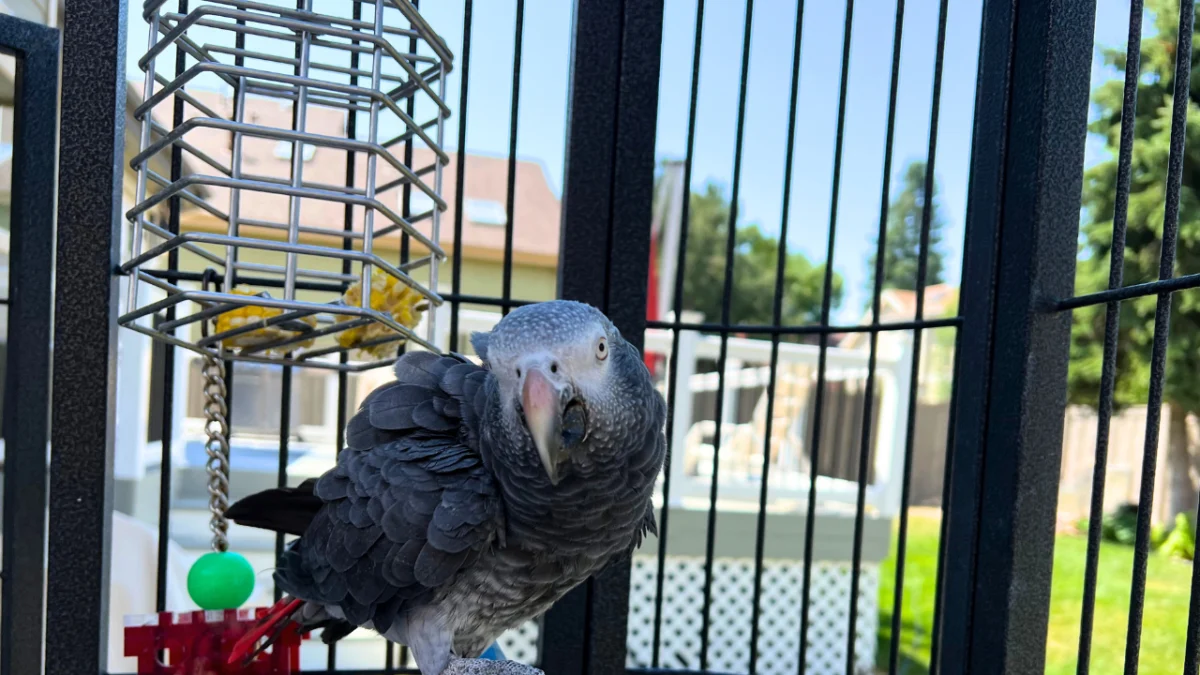
African Grey parrots, renowned for their exceptional intelligence and sophisticated vocal abilities, require a nuanced and comprehensive approach to daily care that extends far beyond basic provisions. While often admired for their capacity to mimic human speech and understand complex concepts, their cognitive prowess also necessitates a robust program of environmental and social enrichment to ensure their physical and psychological health in captivity. Without consistent and varied mental and physical stimulation, these brilliant birds are highly susceptible to developing severe behavioral issues such as chronic screaming, biting, and feather plucking, posing significant challenges for owners and compromising the bird’s welfare. This article delves into the critical importance of enrichment for African Greys, outlining scientifically supported strategies and practical applications to cultivate a stimulating environment that promotes a thriving and contented life for these remarkable companions.
The Unique Cognitive Landscape of African Grey Parrots
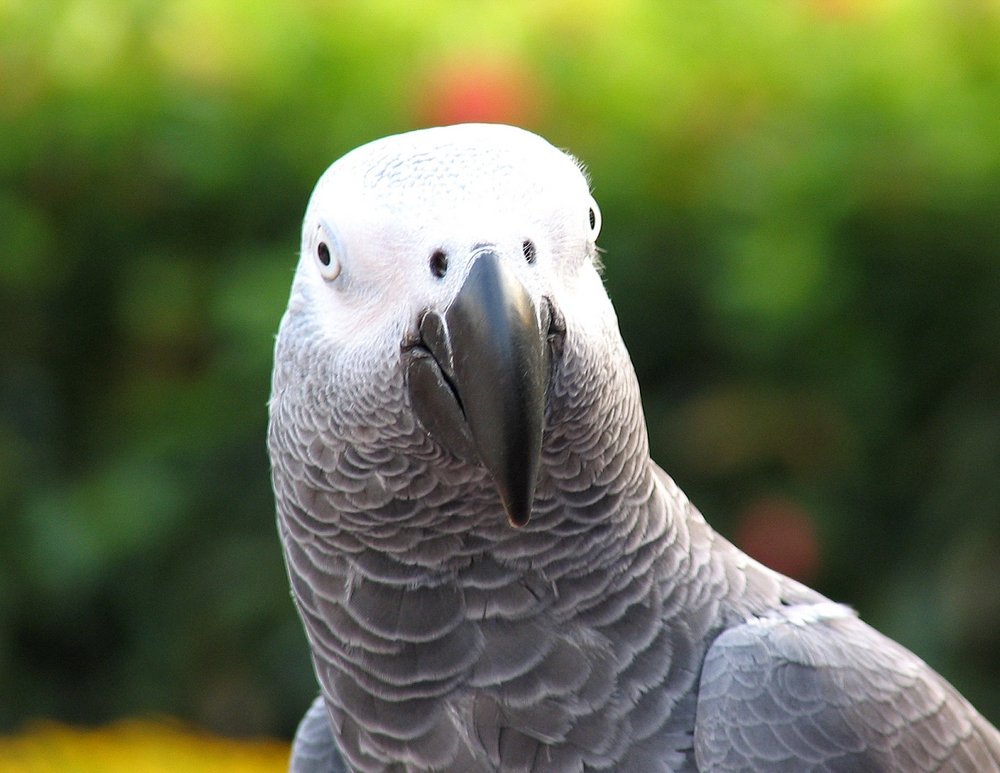
African Grey parrots (Psittacus erithacus), native to the equatorial forests of Central and West Africa, are among the most intelligent avian species. In their natural habitat, they exhibit complex social structures, spend the majority of their day foraging for a diverse diet of nuts, seeds, fruits, and insects, and engage in continuous problem-solving to navigate their environment and avoid predators. This intricate natural history has shaped a highly adaptable and curious mind, making them exceptionally engaging as companions but also demanding unique care considerations.
Their intelligence is not merely anecdotal; decades of scientific research, most notably by Dr. Irene Pepperberg with her famous African Grey parrot, Alex, have profoundly reshaped our understanding of avian cognition. Beginning in the late 1970s, Dr. Pepperberg’s groundbreaking studies at Purdue University and later at Brandeis University demonstrated Alex’s ability to identify and categorize objects by color, shape, and material, count quantities up to six, and even understand abstract concepts like "same" and "different." His linguistic capabilities extended beyond simple mimicry, indicating a functional understanding of the words he used, placing his cognitive abilities on par with a human child aged four to five years. This pivotal research established African Greys as subjects capable of higher-order thinking, planning, and emotional complexity, fundamentally altering the paradigm of pet bird care from simple housing to comprehensive environmental and behavioral management.
The implications of this intelligence for captive Greys are profound. A bird with the cognitive capacity of a preschooler cannot be adequately stimulated by a few static toys or a solitary existence. When deprived of opportunities for mental engagement, these birds experience chronic stress, leading to a cascade of negative health and behavioral outcomes.
The Real Risks of Environmental Deprivation
The absence of adequate enrichment poses significant risks to the well-being of African Grey parrots. Boredom in such an intelligent species is not merely a transient state of ennui; it is a profound welfare issue that can manifest as severe psychogenic behaviors.
One of the most frequently observed and distressing consequences is feather plucking, a self-mutilating behavior where birds chew, pull out, or damage their own feathers. While some feather plucking can be medically induced, a significant portion is attributed to psychological distress stemming from lack of stimulation, anxiety, or frustration. Studies, such as those by Meehan, Millam, & Mench (2003), have demonstrated that increasing foraging opportunities and environmental complexity can both prevent and reduce psychogenic feather picking in parrots, underscoring the direct link between enrichment and physical health.
Beyond feather plucking, unfulfilled cognitive needs can lead to a range of other problematic behaviors:
- Screaming and Excessive Vocalization: Often a desperate attempt to solicit attention or express distress when under-stimulated.
- Aggression and Biting: Can stem from frustration, fear, or redirected energy, particularly if the bird feels insecure or its needs are not being met.
- Stereotypical Behaviors: Repetitive, non-functional actions like pacing, head-bobbing, or bar-chewing, indicative of chronic stress and an attempt to cope with an impoverished environment.
- Inappropriate Sexual Attachment: As noted in the original content and supported by research like Seibert & Crowell-Davis (2001) on gender effects in pet bird stereotypies, a lack of varied social interaction can lead to over-bonding with a single human, sometimes manifesting in hormonal aggression, possessiveness, and unpredictable behavior when routines or relationships shift. This can be confusing and challenging for owners and detrimental to the bird’s psychological development.
Avian veterinarians and certified parrot behaviorists consistently emphasize that a lack of environmental complexity is a leading cause of behavioral disorders in captive parrots. Organizations dedicated to animal welfare universally advocate for comprehensive enrichment protocols for all captive psittacines, highlighting that enrichment is not merely an optional amenity but a fundamental requirement for ethical and responsible ownership.
Pillars of a Comprehensive Enrichment Plan
A holistic enrichment plan for African Greys must address their physical, cognitive, and social needs. It involves a strategic blend of various activity types, regular rotation, and thoughtful environmental design.

1. Physical and Foraging Enrichment
In the wild, African Greys spend hours each day actively searching for food, cracking nuts, peeling bark, and digging through foliage. This natural foraging behavior is a powerful evolutionary drive that, when replicated in captivity, provides immense physical exercise and mental stimulation.
- Foraging Toys: These are paramount. Instead of simply presenting food in a bowl, owners should utilize a variety of foraging devices that require the bird to manipulate, problem-solve, or shred materials to access treats. Examples include clear acrylic puzzle feeders, shreddable paper or cardboard tubes filled with nuts, or even simple paper muffin cups tucked into cage bars. Brands like Caitec and Busy Bird offer durable, medium-sized options.
- DIY Foraging: Homemade foraging opportunities are cost-effective and allow for endless variety. Empty tissue boxes, cardboard egg cartons, or even shallow boxes filled with bird-safe crinkle paper, clean leaves, or toy parts with hidden treats encourage ground foraging, mimicking natural behavior.
- Natural Foraging: Hanging fresh vegetables (like broccoli florets, carrots, or leafy greens) from clips or skewers encourages natural plucking and chewing. Introducing branches from bird-safe trees (e.g., apple, willow, pine – ensuring they are pesticide-free) with bark intact provides opportunities for stripping and exploring.
- "Teach Your Bird to Forage": Resources such as specialized books offer step-by-step guidance for introducing foraging, gradually increasing difficulty, and transitioning a bird from bowl-feeding to active foraging.
2. Chewing and Destructive Play
African Greys possess powerful beaks designed for cracking hard seeds and tearing at wood. Chewing is not merely destructive; it is a vital activity that helps maintain beak health, relieves stress, and satisfies innate nesting and exploration instincts.
- Material Variety: Greys often prefer softer, more shreddable woods like balsa, yucca, and pine, but also enjoy cardboard, palm leaf, seagrass, and various bird-safe fibers. Offering a range of textures ensures sustained interest.
- Rotation and Placement: Chew toys should be rotated frequently and presented in various ways – hanging from different parts of the cage, as foot toys, or incorporated into foraging setups. A "busy beak" is a happy beak, and providing acceptable outlets for chewing can prevent furniture damage.
- Safety: Always ensure chew toys are made from bird-safe, non-toxic materials, free from harmful dyes or small parts that could be ingested.
3. Puzzle and Cognitive Toys
These toys directly engage an African Grey’s problem-solving capabilities, offering a mental workout that prevents boredom and builds confidence.
- Difficulty Progression: Start with simpler puzzles and gradually introduce more complex ones as the bird masters them. Toys that require flipping levers, unscrewing bolts, or sliding panels to reveal a reward are excellent.
- Noise-Making Toys: Many Greys enjoy toys that produce sound, such as bells, clackers, or rattles. These can become part of self-invented games, offering auditory stimulation.
- Interactive Training: Beyond physical toys, daily training sessions (5-10 minutes) using positive reinforcement and clicker training are invaluable. Teaching commands like "step-up," targeting, or even simple tricks provides mental challenge, strengthens the human-animal bond, and builds the bird’s confidence.
4. Exercise and Out-of-Cage Time
Physical activity is essential for muscle tone, balance, and overall cardiovascular health. Confining a bird to a cage for extended periods can lead to muscle atrophy and lethargy.
- Daily Out-of-Cage Exploration: African Greys require at least one to two hours of supervised out-of-cage time daily. This allows them to stretch, climb, and explore a bird-safe environment.
- Play Stands and Gyms: A dedicated play stand or bird gym in a bird-safe room provides a designated area for climbing, chewing, and foraging outside the main cage. These should feature natural wood perches of varying diameters, hanging toys, and food/water cups.
- Window Perches: Offer visual stimulation, allowing birds to observe the outside world. Care must be taken to ensure no drafts or direct, overheating sunlight.
- Shower Perches: Many Greys enjoy the steam and light mist of a shower, which also benefits feather health.
- Outdoor Aviaries: For those with secure, predator-proof outdoor aviaries, this provides invaluable access to fresh air, natural sunlight (essential for Vitamin D synthesis), and expansive space for flight and exploration. Strict safety protocols regarding temperature, escape prevention, and predator protection are non-negotiable.
5. Social Interaction and Routine
African Greys are flock animals, and in captivity, the human family becomes their surrogate flock. Consistent, positive social interaction is crucial for their emotional security.

- Dedicated Interaction: Daily one-on-one time, whether through training, gentle petting, or simply being present in the same room, reinforces the bond.
- Fostering Independence: While interaction is vital, it’s also important to encourage independent play. The goal is to provide a rich environment where the bird can entertain itself, reducing reliance on constant human attention which can lead to separation anxiety or over-bonding.
- Predictable Routines: Birds thrive on routine. Consistent feeding times, out-of-cage schedules, and bedtime rituals provide a sense of security and predictability.
Setting Up a Dynamic Environment
The physical setup of the cage and surrounding areas significantly impacts a bird’s enrichment opportunities.
- Cage Zoning: Do not just hang toys at the top. Utilize all zones of the cage – high, mid-level, and low – to encourage climbing, stretching, and varied engagement. Foot toys are excellent for cage floors or play stand trays.
- Toy Rotation Strategy: Implement a weekly rotation schedule. Keep a selection of toys in a "toy bin" and swap out 2-3 items every 7-10 days. Reintroducing an "old" toy after a few weeks can make it feel new again. This strategy maintains novelty and prevents a bird from becoming complacent.
- Enrichment Stations: Create activity centers outside the main cage. A tabletop perch with foraging puzzles, shreddable items, or a hidden treat in a paper cup provides an alternative engagement zone, particularly when the bird is out of its cage.
Common Pitfalls for New Owners
Even with the best intentions, new African Grey owners can inadvertently fall into common traps that hinder effective enrichment:
- Static Toy Collection: Relying on the same few toys indefinitely will quickly lead to boredom, regardless of initial interest. Regular rotation is key.
- Neglecting Social and Mental Stimulation: Toys are tools, but they cannot replace daily human interaction, training, and genuine connection.
- Ignoring Foraging and Physical Activity: Birds are not meant to be sedentary. A lack of movement and foraging opportunities can lead to weight gain, lethargy, and a loss of natural motivation.
- Lack of Safety Awareness: Unsafe toys, unsupervised out-of-cage time near hazards (ceiling fans, hot stoves, open windows, electrical cords, toxic plants), or improper aviary construction can lead to serious injury or escape.
Broader Implications and a Call to Action
The comprehensive enrichment of African Grey parrots carries significant implications beyond individual bird welfare. For prospective owners, it underscores the profound commitment and responsibility involved in caring for such an intelligent and long-lived creature (with lifespans of 50-70 years in captivity). It highlights that acquiring an African Grey is not merely purchasing a pet but welcoming a complex, sentient being into one’s family, demanding ongoing investment in their mental and physical health.
For the pet industry, the demand for specialized enrichment products, high-quality avian nutrition, and expert behavioral consultation continues to grow. This shift reflects an increasing awareness among owners and veterinarians regarding the sophisticated needs of these parrots. Educational initiatives, readily available resources, and support networks are crucial for equipping owners with the knowledge and tools necessary to provide optimal care.
In conclusion, ensuring the happiness and health of an African Grey parrot transcends merely providing food, water, and shelter. It necessitates a dynamic, thoughtfully constructed lifestyle brimming with intellectual challenges, opportunities for physical activity, and consistent, positive social interaction. By embracing a holistic approach to enrichment – integrating diverse foraging, chewing, and puzzle toys, facilitating regular out-of-cage exploration, and engaging in daily training and play – owners can foster a robust bond and support their bird’s innate curiosity, activity levels, and overall joyful existence. The reward is a confident, well-adjusted companion who thrives within the human flock, a testament to responsible and enlightened avian stewardship.

