


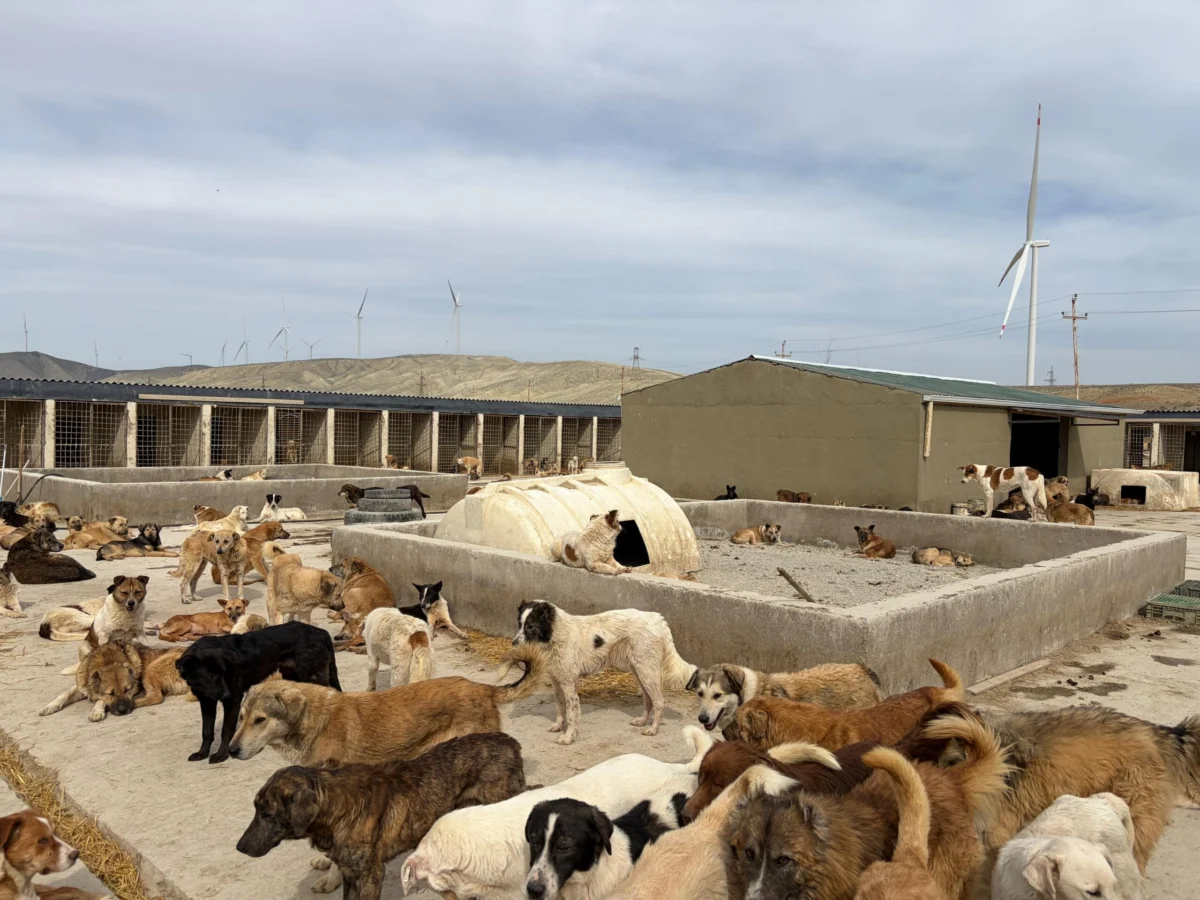
In an era of increasing global connectivity, the plight of domestic animals in conflict-prone or culturally restrictive regions remains one of the most significant challenges for international animal welfare organizations. In a remote sector of the Middle East, where the advocacy for animal rights often intersects with severe social and legal risks, a grassroots effort to protect homeless canines has received a transformative lifeline. Through the strategic intervention of PETA’s Global Compassion Fund and the logistical support of PETA Germany, a fledgling dog shelter has been transitioned from a mud-stricken enclosure into a modern, sanitary, and sustainable refuge. This development marks a critical milestone in the region’s animal welfare landscape, providing a blueprint for how international funding can empower local rescuers who operate under the constant threat of persecution.
Addressing the Crisis of Animal Welfare in Volatile Regions
The Middle East presents a complex mosaic of attitudes toward animal welfare. While many communities harbor deep-seated traditions of compassion, urban expansion and political instability have led to a surge in the population of stray and abandoned animals. In many jurisdictions within this region, animal rescuers do not merely face the logistical hurdles of limited funding; they often confront systemic hostility. Laws regarding the "ownership" of public spaces and cultural perceptions of certain animals, particularly dogs, can lead to the prosecution of those who attempt to provide care.
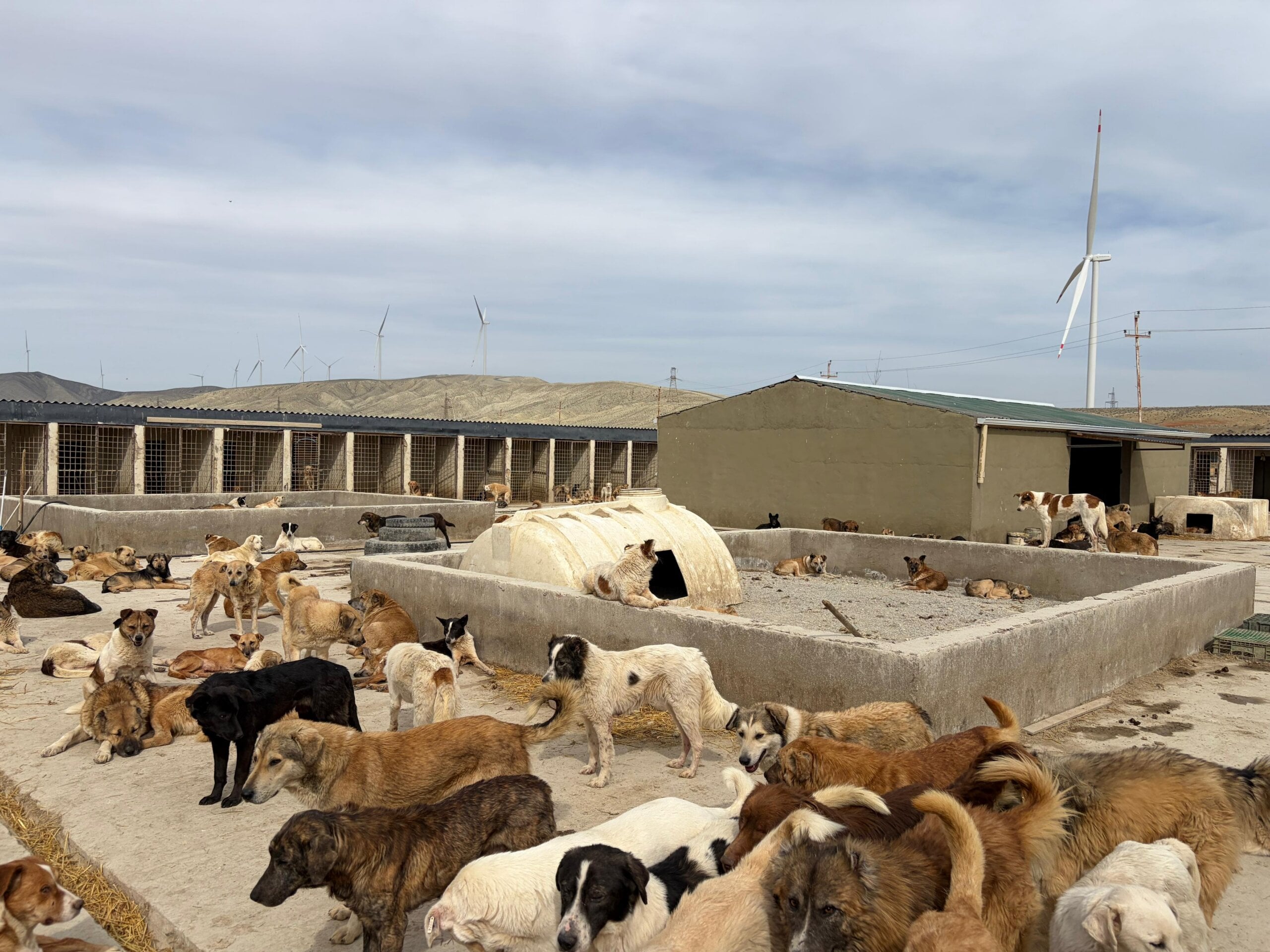
In this specific remote area, a group of dedicated volunteers took the precarious step of establishing a basic shelter. Their mission was simple yet daunting: to provide a sanctuary for dogs that had been discarded or were victims of cruelty. However, the passion of the volunteers was quickly outmatched by the harsh environmental realities of the geography. Without professional architectural planning or significant capital, the facility remained a rudimentary collection of enclosures that offered little protection against the elements.
The Struggle for Survival: Environmental and Logistical Hurdles
Before the intervention of the Global Compassion Fund, the shelter’s residents were subjected to cycles of extreme weather that compromised their health and well-being. The region, while often arid, is prone to sudden, torrential downpours. In the absence of proper drainage or hardened flooring, these rains turned the shelter’s outdoor areas into deep, viscous mud pits.
For the canine residents, this was more than an inconvenience; it was a health crisis. Persistent dampness and the inability to remain clean lead to a variety of dermatological issues, parasitic infections, and respiratory ailments. Volunteers reported that every attempt to exercise or allow the dogs to relieve themselves resulted in the animals becoming "soaking wet and filthy," necessitating constant cleaning that the resource-strapped facility could ill afford. The lack of elevated resting areas meant that dogs were often forced to sleep on damp ground, further exacerbating the risk of illness.
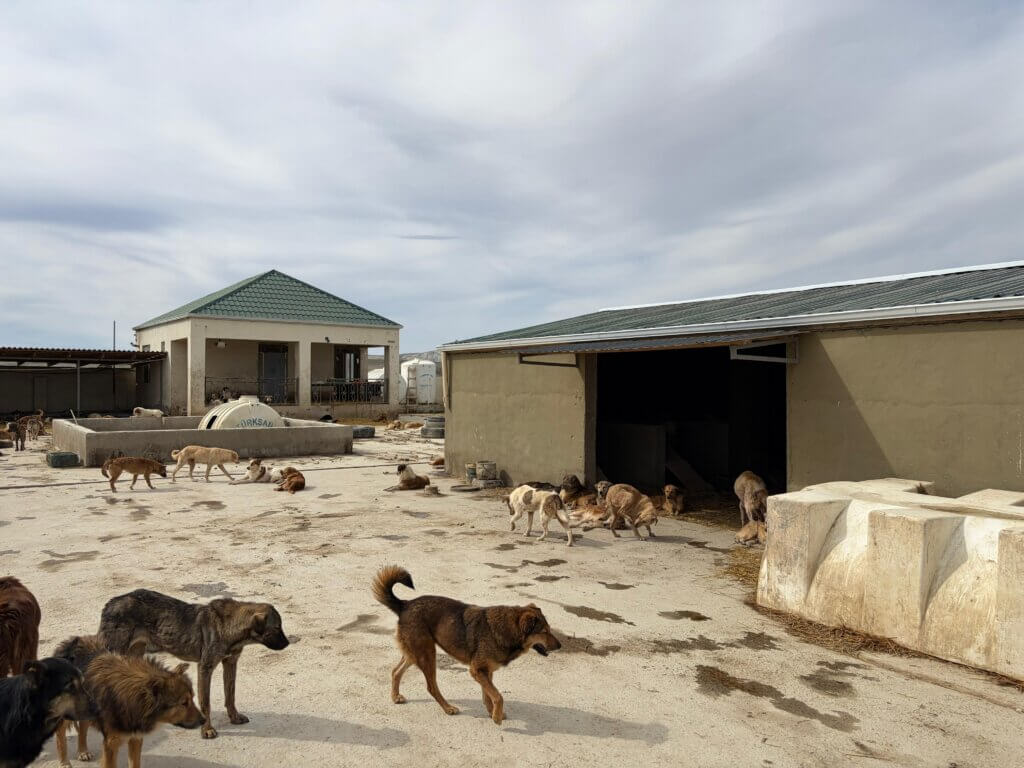
Strategic Intervention by PETA Germany and the Global Compassion Fund
The turning point for the sanctuary occurred when PETA Germany was alerted to the dire conditions of the facility. Recognizing that the local rescuers possessed the will but lacked the means, the organization leveraged the Global Compassion Fund to provide the necessary capital for a comprehensive overhaul.
The Global Compassion Fund is a specialized initiative designed to deliver rapid-response aid to animals in areas where no other infrastructure exists. Unlike traditional animal charities that may focus on long-term adoption programs in stable Western markets, this fund targets the "front lines" of animal suffering—regions affected by war, natural disasters, or extreme poverty. By funneling donor contributions directly into infrastructure projects, the fund ensures that local rescuers can transition from a state of constant crisis management to one of sustainable care.
Engineering Hope: A Detailed Breakdown of Infrastructure Upgrades
The renovation project was designed with two primary objectives: sanitation and structural integrity. The following upgrades were implemented to ensure the long-term viability of the shelter:
1. Advanced Drainage and Water Management
Perhaps the most critical engineering feat was the installation of a comprehensive drainage system. By analyzing the topography of the site, workers were able to redirect rainwater away from the primary recreation and living areas. This system ensures that even during the heaviest rainy seasons, the ground remains firm and the enclosures stay dry.
2. Specialized Sleeping Quarters
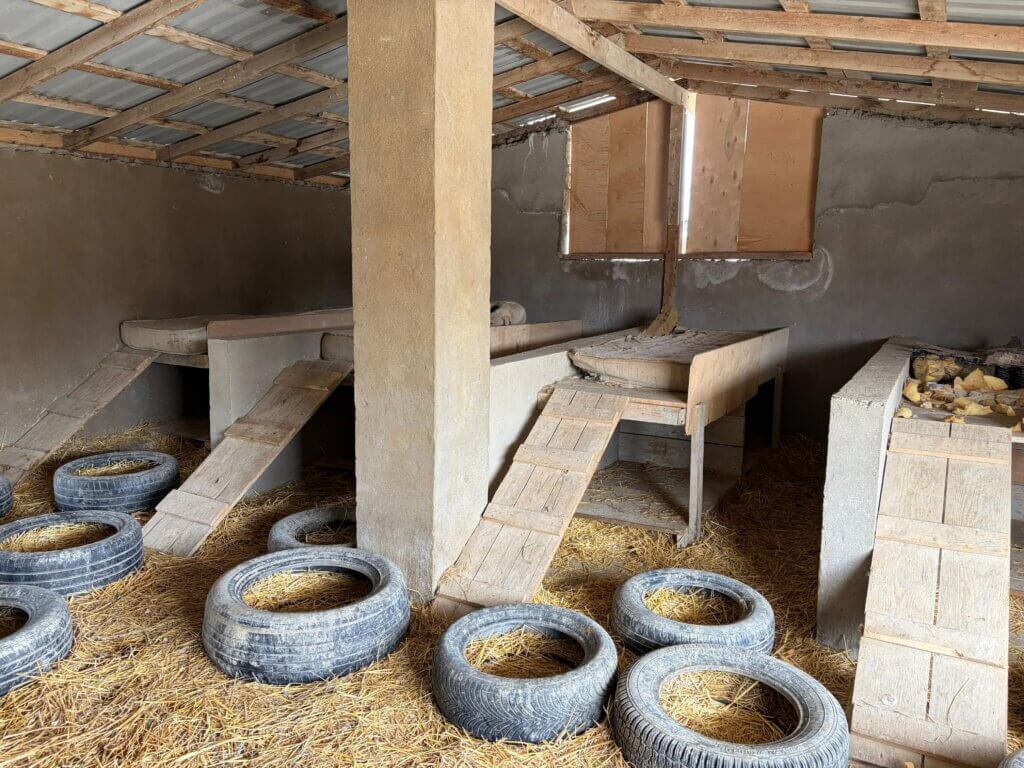
To address the issue of dampness, rescuers constructed wooden bunk-style beds. These structures were topped with soft mattresses, providing the dogs with elevated, insulated surfaces. This move significantly reduces the risk of joint issues and hypothermia during the colder months, while also making the cleaning process more efficient for volunteers.
3. Expansion and Reinforcement of Kennels
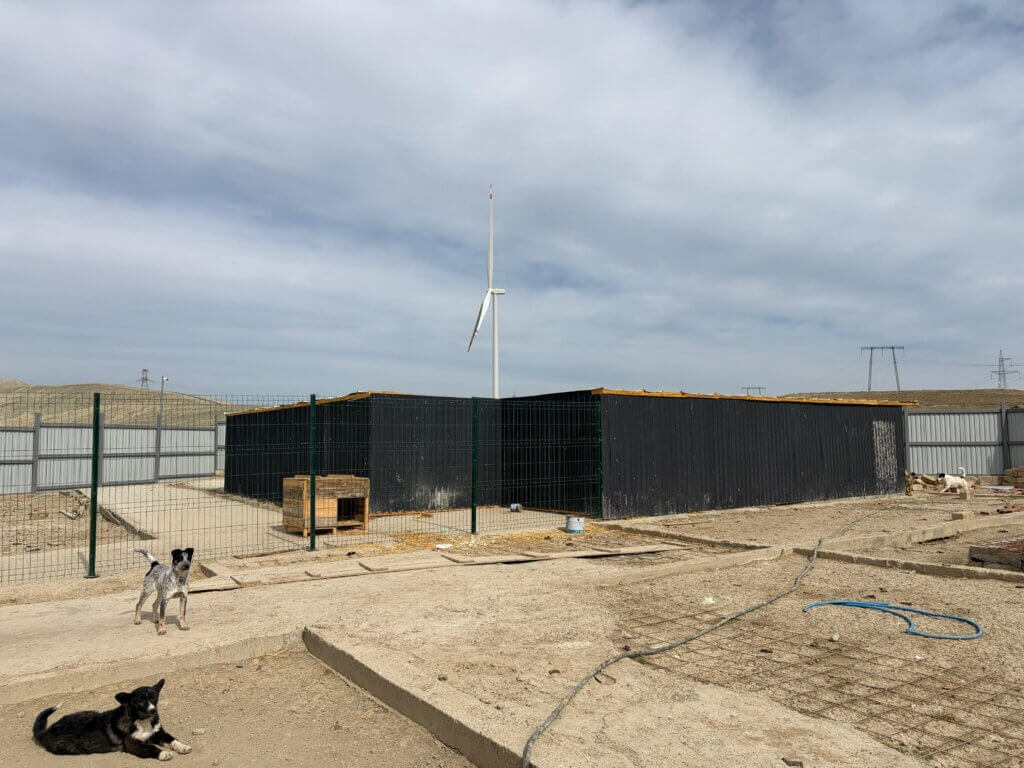
The project saw the conversion of a previously unused and dilapidated structure into 10 additional high-quality kennels. These new units feature wooden floors, which are easier to disinfect than dirt or gravel, and provide ample space for socialization—a key component in rehabilitating dogs that have suffered from trauma or neglect.
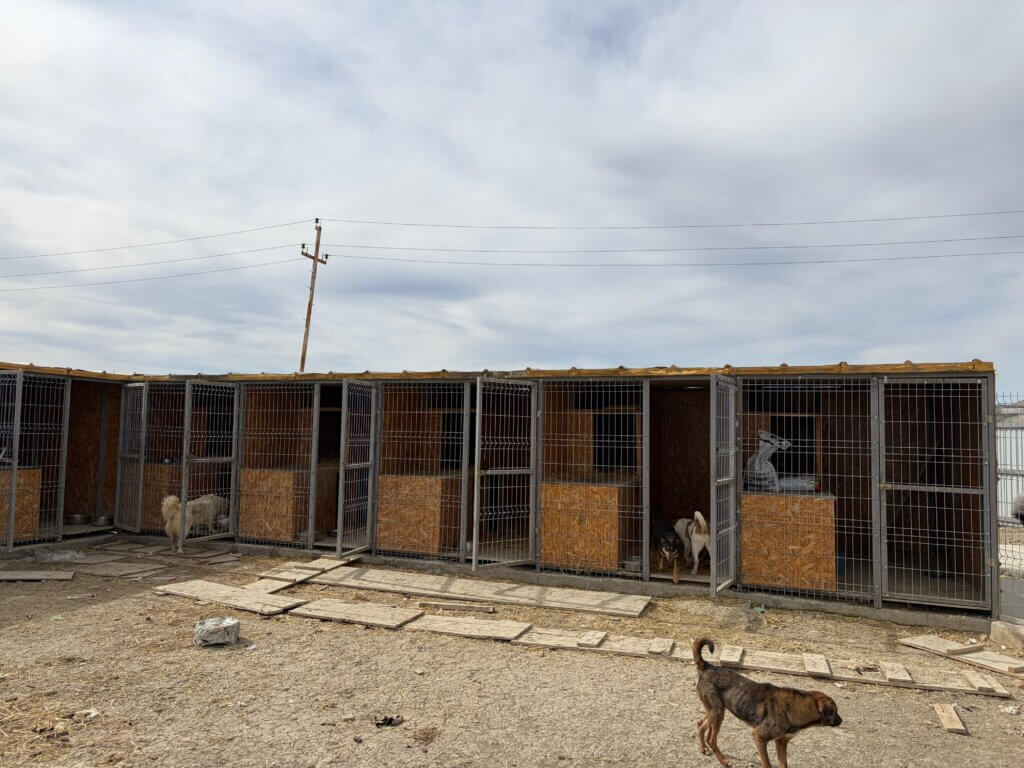
4. Weather-Resistant Outdoor Spaces
In addition to the drainage system, key areas of the shelter were reinforced with concrete. For the remaining outdoor sections, large, raised sandboxes were installed. These sandboxes provide a clean, dry environment for the dogs to play and dig, regardless of the weather conditions outside the perimeter.
Chronology of the Transformation
The evolution of the shelter can be mapped across several distinct phases of development:
- Phase I: The Grassroots Foundation: Volunteers identify a need and establish a makeshift perimeter. The facility operates at maximum capacity with minimum resources, leading to a decline in animal health during the first major rainy season.
- Phase II: International Outreach: PETA Germany conducts a needs assessment after receiving reports from local advocates. The project is greenlit for funding through the Global Compassion Fund.
- Phase III: Groundbreaking and Structural Repair: Initial funds are used to repair existing fences and clear the mud-choked grounds. The construction of the drainage system begins.
- Phase IV: Facility Expansion: The unused structure is gutted and rebuilt into the 10-kennel wing. Local laborers and volunteers work together to install the wooden bunk beds.
- Phase V: Completion and Optimization: The final concrete pours and sandbox installations are completed. The shelter enters a new operational phase characterized by improved hygiene standards and higher animal welfare metrics.
Socio-Legal Challenges and the Risk to Rescuers
The success of this project cannot be measured solely in bags of concrete or linear feet of drainage pipe. It must be viewed through the lens of the courage required to operate such a facility. In many parts of the Middle East, animal rescuers are viewed with suspicion by authorities. There have been documented cases in the broader region where shelters have been forcibly closed, and the individuals running them have faced harassment or legal action under "public nuisance" or "morality" laws.
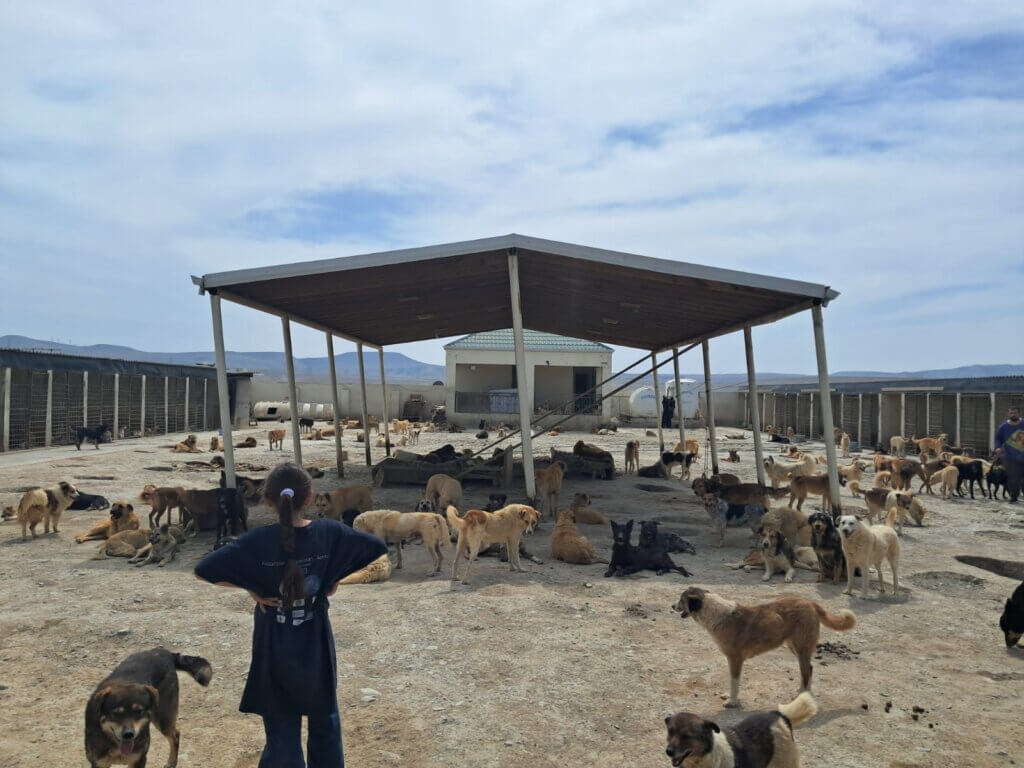
The support from an international body like PETA provides these local rescuers with a degree of visibility that can serve as a protective shield. By elevating the standards of the facility, the rescuers can demonstrate to local communities that a well-managed animal shelter is an asset rather than a liability, potentially shifting the cultural needle toward greater acceptance of animal welfare initiatives.
Broader Impact and Implications for Global Animal Welfare
The upgrades to this remote shelter represent a microcosm of a larger movement in international philanthropy. Data from global animal welfare reports suggest that the most effective way to combat the stray animal crisis in developing nations is not through the "export" of animals to the West, but through the "import" of resources and education to local hubs.
By improving the infrastructure of local shelters, organizations like the Global Compassion Fund reduce the "burnout" rate of local volunteers. When rescuers are no longer spending every hour of their day fighting mud and disease, they can focus on community outreach, spay-and-neuter programs, and local adoption efforts. This creates a sustainable cycle of care that can eventually operate independently of international aid.
Conclusion: A Vision for the Future
The dedicated founders of this Middle Eastern sanctuary are not resting on their recent successes. According to reports from the site, additional projects are already in the planning stages to further enhance the "cheerful refuge" they have built. These future plans include expanded medical suites for on-site veterinary care and shaded areas to protect against the blistering summer heat that follows the rainy season.
The transformation of this facility serves as a poignant reminder of the power of collective compassion. It demonstrates that even in the most challenging environments—where the law may be silent and the climate may be harsh—the intervention of a dedicated global network can rewrite the future for vulnerable animals. As the Global Compassion Fund continues to identify and support these "front-line" rescuers, the hope is that the model established in this remote region will be replicated across the globe, ensuring that no animal is left to suffer simply because of the geography of its birth.

