


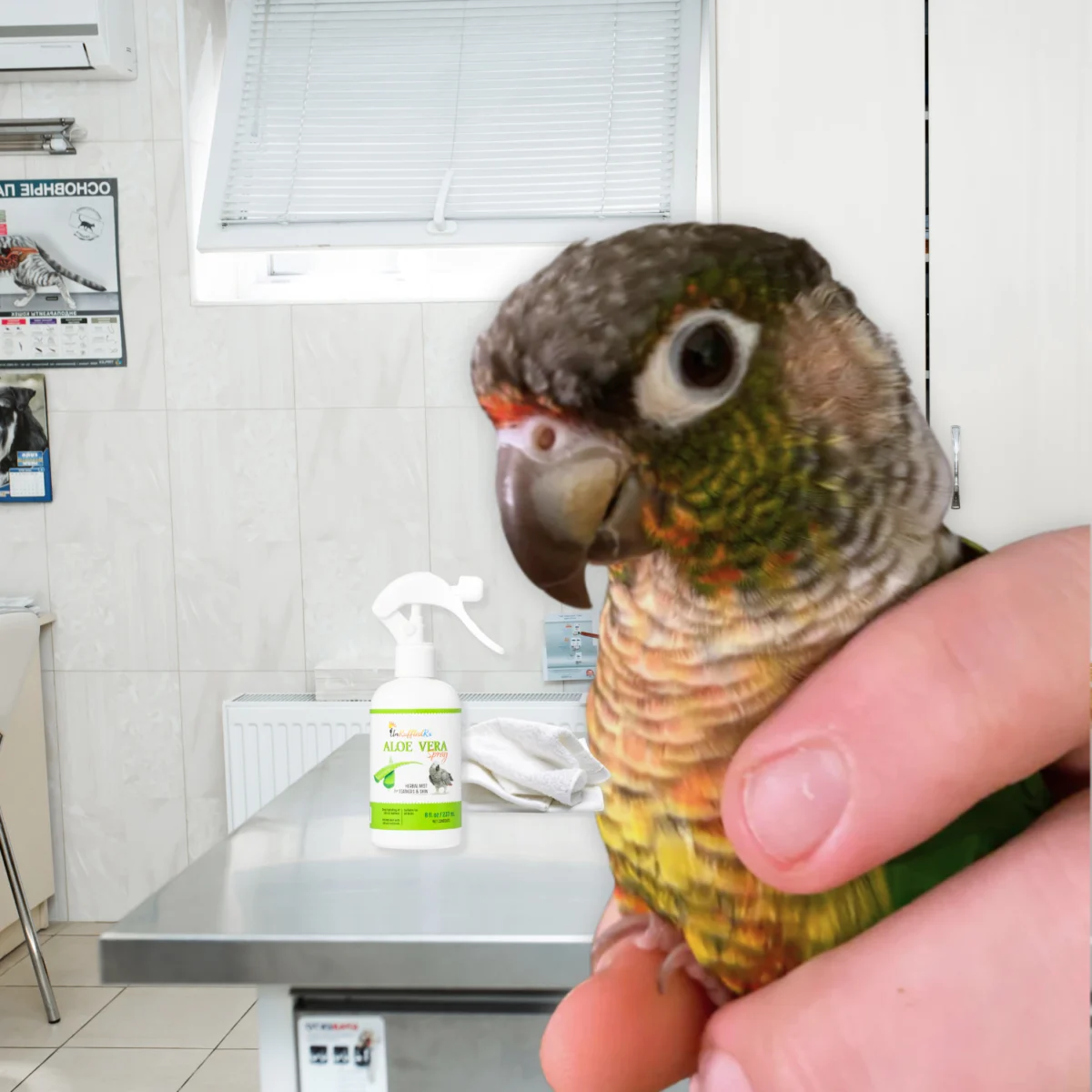
The sight of numerous loose feathers scattered at the bottom of a birdcage often prompts concern among avian enthusiasts, raising questions about whether the shedding is a natural physiological process or an indicator of a more serious underlying health issue. While periodic feather replacement, known as molting, is an essential and healthy part of a bird’s life cycle, understanding the nuances between a normal molt and signs of distress or disease is paramount for responsible pet bird ownership. This article delves into the intricate process of avian molting, providing a detailed guide for owners to differentiate between typical feather loss and alarming symptoms, along with actionable advice for supporting their feathered companions through this demanding period.
The Biology of Feathers and the Purpose of Molting
Feathers are complex epidermal outgrowths that serve multiple vital functions for birds, including flight, thermoregulation, waterproofing, camouflage, and display. Composed primarily of keratin, a fibrous protein, feathers are non-living structures once fully formed. Consequently, they are susceptible to wear and tear from environmental exposure, physical activity, and preening. To maintain optimal feather integrity and functionality, birds undergo a cyclical process of replacing old, damaged feathers with new ones—the molt. This biological imperative is crucial for a bird’s survival and well-being in the wild, and equally so for companion birds in captivity.
Molting is typically a symmetrical process, ensuring that the bird retains its ability to fly and regulate body temperature throughout the feather replacement cycle. The timing and duration of molts are influenced by a complex interplay of factors including species, age, hormonal cycles, photoperiod (daylight length), nutrition, and overall health. For most species, molting occurs annually, often after the breeding season, when environmental conditions are favorable for the energy-intensive process of growing new feathers. Juvenile birds, however, undergo a "first molt" or "juvenile molt" to replace their softer, less durable downy feathers with adult plumage, which is often less structured than the definitive adult plumage.
Distinguishing Normal Molting from Concerning Feather Loss
A primary concern for many bird owners, as highlighted by discussions on platforms like Reddit and BirdForum, is differentiating between a natural molt and pathological feather loss. While a healthy bird undergoing a normal molt will exhibit specific characteristics, deviations from these norms warrant closer investigation. Avian veterinarians consistently emphasize that owner vigilance is the first line of defense in identifying potential health issues.
Signs of a Normal Molt:
- Symmetrical Feather Loss: Feathers are shed evenly from corresponding areas on both sides of the body, maintaining balance and flight capability.
- Gradual Shedding: Feathers are replaced over weeks to months, not all at once, preventing large bald patches that would compromise insulation or flight.
- Presence of Pinfeathers: New feathers emerge as "pinfeathers" or "blood feathers," encased in a waxy keratin sheath. These are typically visible across the body, often appearing as tiny, rigid quills.
- Normal Behavior (with slight variations): The bird generally remains active, maintains a good appetite, and its droppings are normal. Some increased preening to remove keratin sheaths and facilitate feather unfurling is expected.
- Temporary Mood Changes: A bird might be slightly more irritable, quiet, or less social due to discomfort and the energy demands of molting, but should not be lethargic, withdrawn for extended periods, or exhibit signs of severe distress.
Signs Requiring Prompt Veterinary Attention:
- Bald Patches or Asymmetrical Loss: Large, distinct bald areas, especially if persistent, or uneven feather loss on only one side of the body can signal an underlying problem.
- Red, Inflamed, or Irritated Skin: Exposed skin that appears red, flaky, scaly, crusty, or shows any lesions or signs of infection.
- Excessive Preening Leading to Self-Mutilation: Constant, aggressive preening that damages new or old feathers, potentially leading to bleeding, open sores, or feather shafts chewed to stumps.
- Lethargy and Appetite Changes: A significant and sustained decrease in activity level, reduced food intake, or noticeable, consistent changes in droppings (color, consistency, volume) are serious indicators of illness.
- Unusual Behavior: Persistent aggression, extreme withdrawal, loss of balance, fluffed-up appearance, labored breathing, or signs of overt pain (e.g., guarding specific body parts, vocalizing in distress).
- Feather Quality Issues: New feathers growing in are brittle, discolored, misshapen, or exhibit "stress bars" (transverse lines indicating periods of poor nutrition, illness, or stress during feather growth).
According to a study published in the Journal of Avian Medicine and Surgery, conditions such as parasitic infestations (mites, lice, although less common in indoor birds), bacterial or fungal skin infections, viral diseases (e.g., Psittacine Beak and Feather Disease – PBFD, Avian Polyomavirus), organ dysfunction (e.g., liver disease), nutritional deficiencies, and environmental stressors are common causes of abnormal feather loss. An early veterinary consultation with an avian specialist is crucial to accurately diagnose and treat these conditions, preventing prolonged suffering or irreversible damage to the bird’s health and plumage.

The Discomfort of Molting: Why Birds Seem "Miserable"
The sentiment "My parrot used to be so playful, but ever since molting started, they’ve been cranky and quiet" resonates with many bird owners. The process of growing new feathers is an energetically demanding and often uncomfortable experience for birds. Far from a passive shedding, molting involves the rapid development of thousands of new feathers, each requiring substantial physiological resources and causing physical sensations.
New feathers, or pinfeathers, emerge encapsulated in a rigid keratin sheath. This sheath protects the delicate, developing feather, which contains a blood supply (hence "blood feathers") until it fully unfurls. As these pinfeathers push through the skin, they can cause intense itching, tightness, and tenderness. Imagine having thousands of tiny, rigid tubes growing simultaneously from your skin, each feeling sensitive to the touch. This sensation explains why a normally affectionate bird might flinch or become defensive when touched during a molt, especially around areas dense with pinfeathers like the head and neck. The discomfort is analogous to teething in human infants, but on a much larger scale across the body.
The physiological demands extend beyond mere discomfort. Feather regrowth requires a significant caloric expenditure and an elevated intake of specific nutrients. This metabolic strain can lead to temporary fatigue, reduced activity levels, and a general decrease in social interaction. Birds may appear grumpy, less tolerant of handling, or simply prefer to rest more. They also engage in increased preening to help break down the keratin sheaths and allow the new feathers to emerge, a process that can sometimes look frantic or obsessive as they try to relieve the intense itch. Dr. Thomas L. Lightfoot, a recognized avian specialist, notes that this increased metabolic activity can elevate a bird’s core body temperature, contributing to their perceived discomfort.
Duration and Influencing Factors of the Molt
The question of "How long does molting last?" is common, particularly when a bird looks "scruffy for weeks." Molting is indeed a temporary process, but its duration varies considerably depending on the bird’s species, age, health, and environmental conditions. Understanding these variables helps set realistic expectations for owners.
Typical Molting Durations by Bird Type:
- Small Passerines (e.g., Finches, Canaries): Often complete their molt within 4-6 weeks, though some species may have continuous, partial molts where feather replacement is ongoing rather than concentrated seasonally.
- Small Psittacines (e.g., Budgies, Cockatiels, Lovebirds): Typically experience a more pronounced annual molt lasting 6-8 weeks, sometimes extending up to 10 weeks, especially if conditions are suboptimal.
- Medium to Large Psittacines (e.g., Conures, African Greys, Amazons, Macaws): Can have more protracted molts, lasting anywhere from 2-4 months, and sometimes even longer in larger species or if the molt is continuous rather than strictly seasonal. Some larger parrots may even take up to two years for a complete feather replacement cycle.
For most birds, molting is a gradual process. They do not lose all their feathers at once, which would severely compromise their ability to fly and regulate body temperature. Instead, feathers are replaced in cycles, ensuring functional plumage at all times. This staggered replacement mechanism is an evolutionary adaptation for survival.
Factors Affecting the Length and Severity of a Molt:
- Age and Health: Younger, healthy birds generally complete their molts more quickly and efficiently due to robust physiological systems. Older birds or those with underlying health issues, chronic stress, or compromised immune systems may experience longer, more difficult, or incomplete molts, as their bodies struggle with the energetic demands.
- Diet and Nutrition: A diet deficient in essential proteins, specific amino acids (especially sulfur-containing ones like methionine and cysteine, critical for keratin),

