


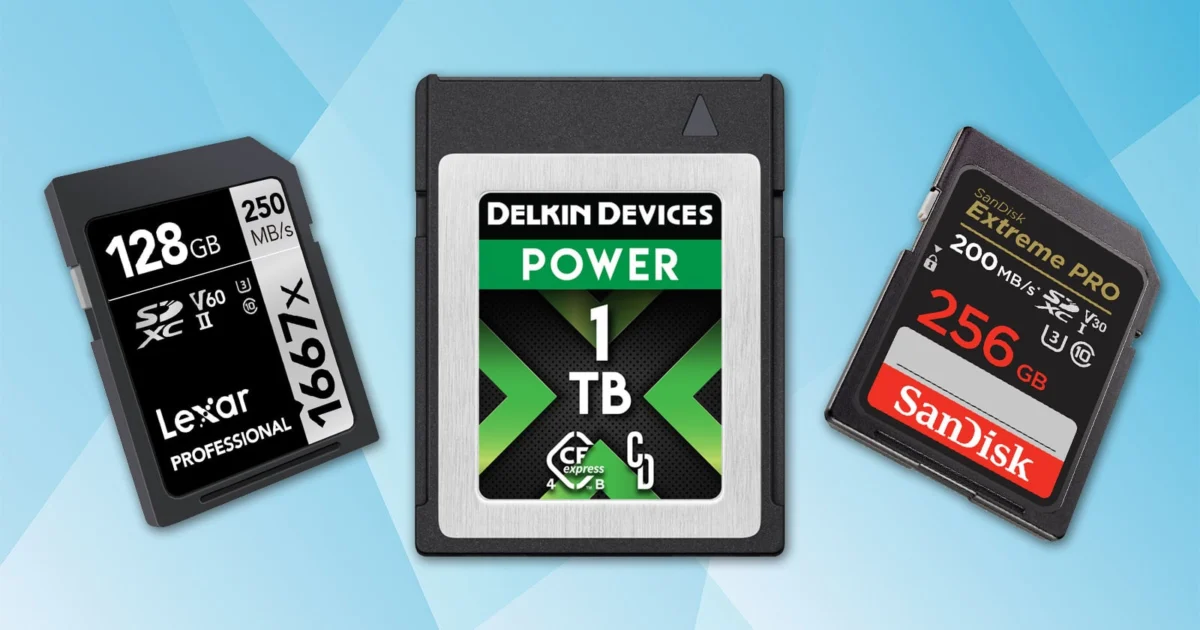
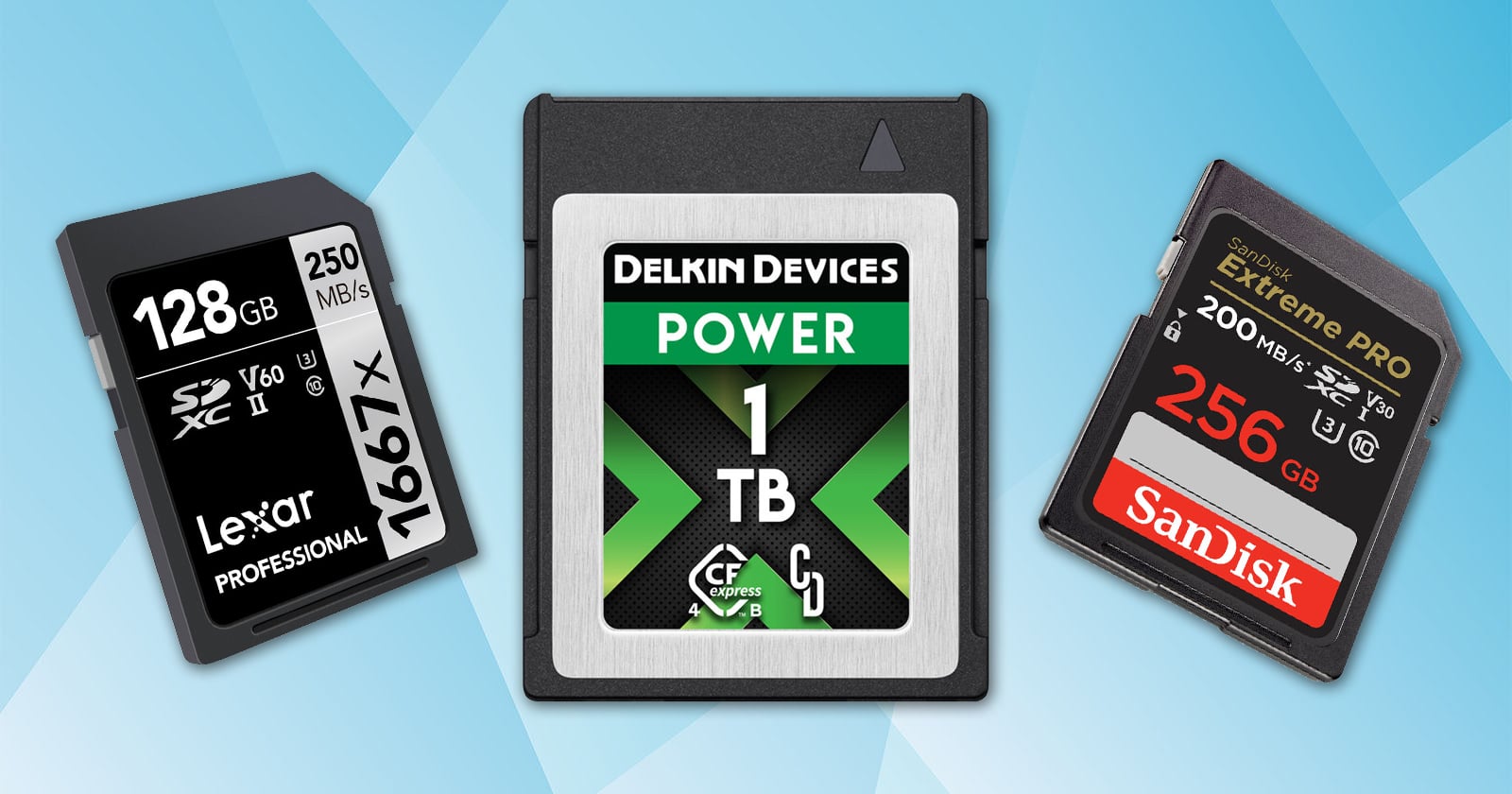
Professional photographers and videographers are entering the peak spring season of 2026 with a significant opportunity to upgrade their digital infrastructure as major retailers initiate aggressive pricing strategies for high-capacity memory media. Leading the market’s response to shifting consumer demand and the upcoming World Backup Day on March 31, B&H Photo has launched a comprehensive series of discounts across the most critical storage formats, including Secure Digital (SD), CFexpress Type A, CFexpress Type B, and microSD. These price adjustments arrive at a pivotal moment for the industry, following a period of fluctuating NAND flash pricing and the rapid adoption of high-bitrate 8K video standards that have made high-speed, high-capacity storage a non-negotiable requirement for modern creative workflows.
The timing of these discounts is strategically aligned with World Backup Day, an annual industry initiative established in 2011 to promote data redundancy and digital security. For the imaging community, this day serves as a critical reminder of the "3-2-1" backup rule: maintaining three copies of data, on two different media types, with one copy stored off-site. As camera sensors continue to push beyond 50-megapixel resolutions and video codecs demand sustained write speeds exceeding 800MB/s, the cost of maintaining this redundancy has become a significant overhead for independent professionals and production houses alike. The current market correction provides a necessary reprieve, allowing users to stock up on primary capture media and secondary backup cards at rates that were previously reserved for legacy technology.
The Evolution of the SD Card Market and Current Value Propositions
Despite the emergence of faster formats, the SDXC (Secure Digital eXtended Capacity) card remains the industry workhorse. The current promotional cycle highlights a clear distinction between UHS-I and UHS-II technologies. While UHS-I continues to serve the enthusiast and entry-level professional markets, the UHS-II standard has become the baseline for 4K video and high-speed burst photography.
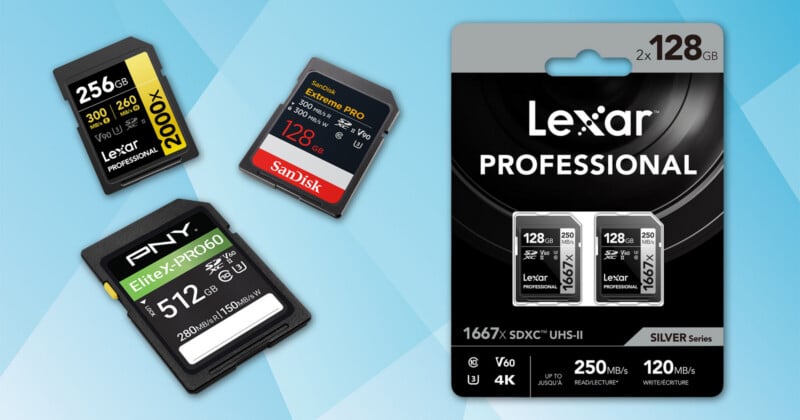
Among the most notable SD deals is the Lexar 256GB Professional 2000x UHS-II SDXC card. Originally positioned at a premium price point of $460, the card is currently available for $355 through the application of a $105 in-cart coupon. This card represents the upper echelon of SD performance, designed for the rapid clearing of camera buffers during continuous RAW shooting. Similarly, PNY has aggressively priced its EliteX-PRO line, with the 512GB EliteX-PRO60 UHS-II card dropping from $400 to $300. This $100 reduction signals a broader trend where manufacturers are incentivizing the transition to higher capacities as file sizes grow.
SanDisk, a brand that has recently navigated public scrutiny regarding its external SSD reliability, remains a dominant force in the memory card sector. The 256GB Extreme PRO UHS-I card, a staple for many wedding and event photographers, has seen a price reduction to $84 from its $112 MSRP. For professionals requiring the faster UHS-II bus speeds, the SanDisk 512GB Extreme PRO UHS-II card has been marked down to $320 from $425, representing a substantial value for those shooting extended 4K sessions.
The CFexpress 4.0 Transition and High-End Storage Dynamics
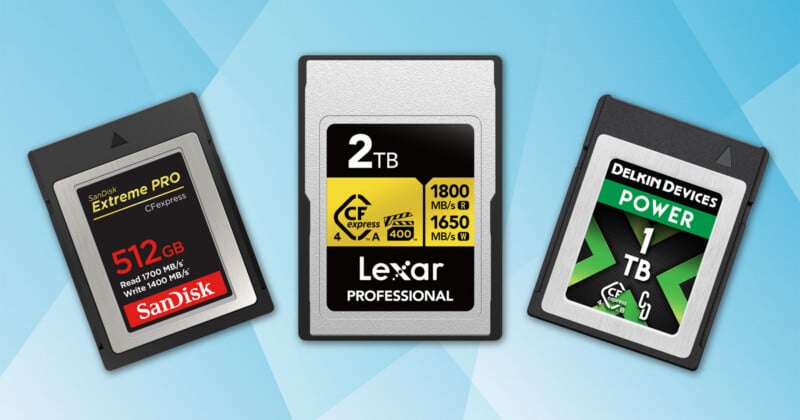
The most dramatic shifts in the current market are occurring within the CFexpress category. The transition to the CFexpress 4.0 standard, which utilizes the PCIe Gen 4 interface, has effectively doubled the theoretical maximum throughput compared to the previous 2.0 standard. This technological leap is essential for the latest generation of flagship mirrorless cameras that support internal ProRes RAW and 8K 60p video.
In the CFexpress Type A segment—primarily utilized by Sony Alpha users—Lexar has introduced aggressive pricing on its Professional GOLD 4.0 series. The flagship 2TB capacity card, which debuted with a significant $1,450 price tag, is now retailing for $1,000. For many professionals, this $450 discount represents the difference between owning a single card and being able to afford a redundant pair. The 1TB variant has also seen a reduction to $850, down from $1,300, further lowering the barrier to entry for high-capacity Type A media.
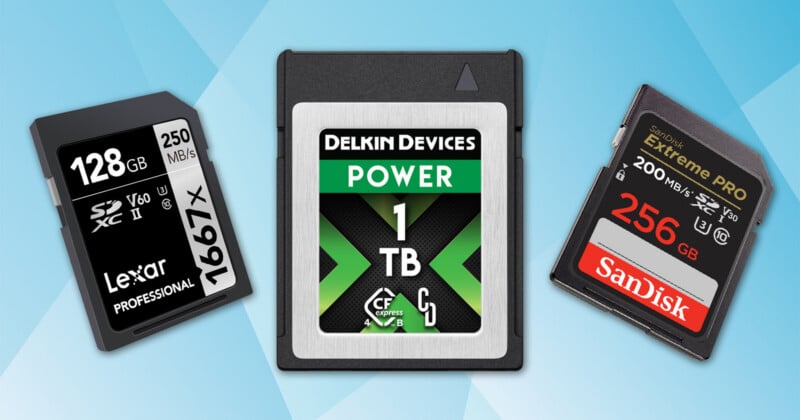
The CFexpress Type B market, which serves a wider range of manufacturers including Nikon, Canon, Panasonic, and Fujifilm, is seeing equally competitive pricing. Delkin Devices, known for its "Power" and "Black" series of ruggedized media, has discounted its 1TB POWER 4.0 CFexpress Type B card to $470, down from an original $700. Lexar’s 2TB Professional GOLD 4.0 Type B card has also seen a major price cut, dropping from $1,150 to $774. These reductions are particularly relevant for users of cameras like the Nikon Z9 or Canon EOS R3, where the sustained write speed is the primary bottleneck for long-form video capture.
MicroSD and the Rise of the Express Standard
The microSD format is no longer limited to consumer smartphones; it is now the primary storage medium for the burgeoning drone and action camera markets. The introduction of "microSD Express" technology is a significant development in 2026, bringing PCIe and NVMe interfaces to the ultra-compact form factor.
SanDisk’s 512GB microSD Express card is currently priced at $120, a 40% reduction from its $200 launch price. This card is specifically engineered for the next generation of 8K drones and high-frame-rate action cameras. For users focused on reliability and endurance, such as those utilizing dashcams or 24/7 surveillance systems, PNY is offering a 2-pack of its 256GB PRO Elite High Endurance microSDXC cards for $160, down from $200. High-endurance cards use specialized NAND flash management to withstand the constant overwrite cycles that would typically lead to the premature failure of standard consumer cards.
Samsung has also remained competitive in this space, with its 256GB P9 microSD Express card dropping to $45. This entry-level pricing for the "Express" standard suggests that the industry is moving quickly to phase out older UHS-I microSD cards in favor of the faster PCIe-based architecture.
Market Analysis: Supply Chains and Technological Obsolescence
The current wave of discounts can be attributed to several converging factors in the global semiconductor landscape. Analysts suggest that the 2026 storage market is benefiting from a stabilization in NAND flash production yields. Furthermore, as manufacturers like Lexar and SanDisk pivot their production lines toward the 4.0 standard, there is a logistical necessity to clear inventory of older 2.0 and UHS-I stock, even if those older cards remain perfectly functional for the majority of mid-range cameras.
From a professional standpoint, the decision to invest in storage during this window is a matter of operational efficiency. The cost-per-gigabyte for high-speed media has reached a three-year low, allowing studios to move away from the "capture and delete" cycle and toward a more secure "capture and archive" workflow. By reducing the cost of 1TB and 2TB cards, manufacturers are enabling a shift where media can be treated as semi-permanent archives rather than temporary buffers.
Broader Impact on the Creative Industry
The implications of these price reductions extend beyond mere cost savings. For independent filmmakers, the availability of affordable 2TB CFexpress cards facilitates the adoption of higher-quality codecs like Apple ProRes 422 HQ, which offers significantly more latitude in post-production but requires massive amounts of storage space. In the realm of commercial photography, the ability to utilize high-capacity, high-speed SD cards in both slots of a camera ensures that the risk of data loss due to card failure is minimized without compromising the camera’s performance.
Furthermore, the emphasis on World Backup Day reinforces a culture of data stewardship. Industry experts argue that the greatest threat to a modern photographer’s business is not equipment failure or competition, but data loss. The accessibility of high-capacity media encourages more frequent backups and more robust archiving practices.
As the industry moves toward the midpoint of 2026, the trend of high-performance storage becoming more accessible is expected to continue, though the current B&H promotional window represents a significant peak in value. For professionals looking to fortify their digital assets ahead of the summer production season, the current landscape offers a rare alignment of technological advancement and fiscal practicality. The shift toward CFexpress 4.0 and microSD Express is now firmly underway, and these discounts provide the necessary bridge for the creative community to cross into the next era of high-fidelity digital imaging.

