


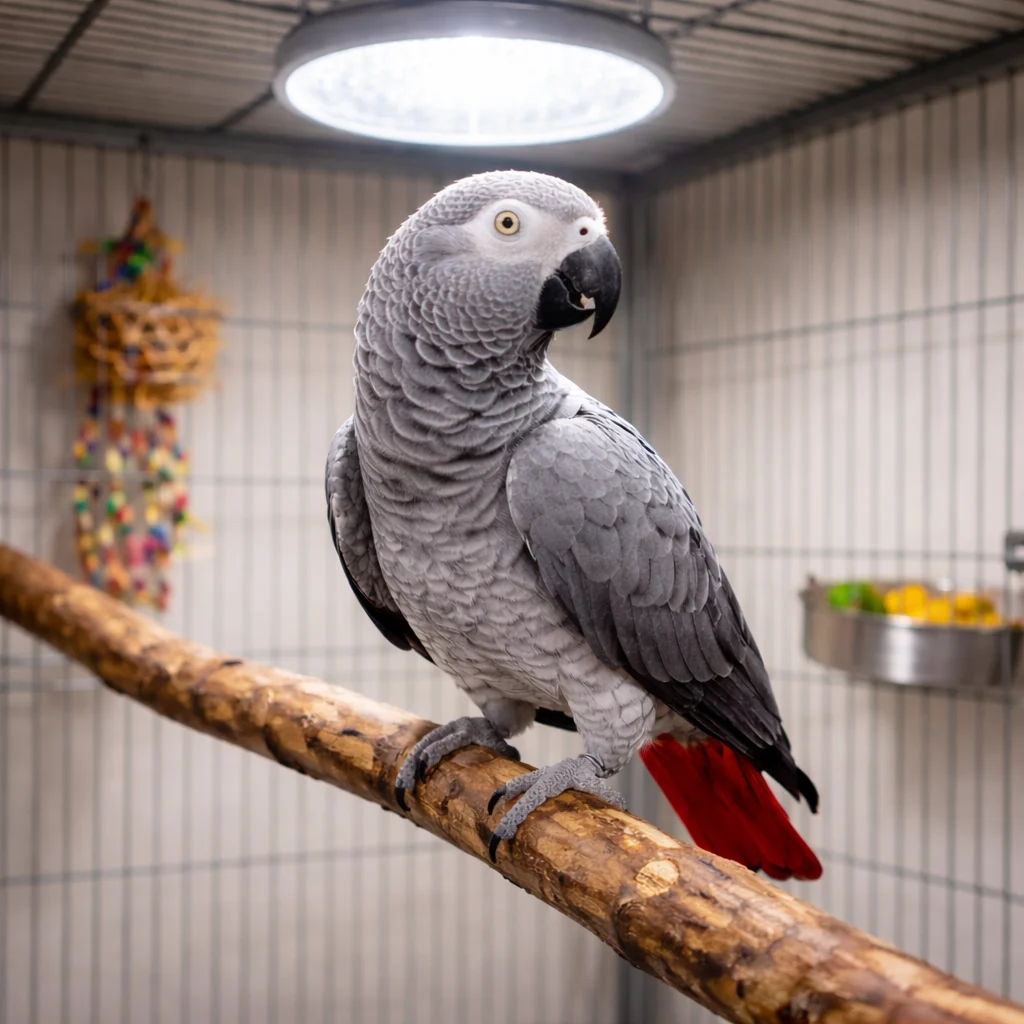
The colder months present a unique and often overlooked health challenge for millions of pet birds globally: calcium deficiency exacerbated by insufficient exposure to ultraviolet B (UVB) light. While often subtle in its onset, this condition can significantly impair an indoor bird’s physiological functions, leading to reduced quality of life and potentially severe health complications if left unaddressed. As published on February 21, 2026, and updated on February 22, 2026, this guide serves as a critical resource for bird owners, particularly those whose feathered companions have spent the winter season primarily indoors without adequate direct sunlight or a specialized UVB light source. Owners observing signs such as a weaker perch grip, increased shredding behaviors, dull feathering, diminished activity levels, or heightened irritability should consider these not as minor seasonal quirks but as indicators of a potentially serious underlying issue demanding immediate attention. For birds already receiving consistent full-spectrum lighting and a verified balanced diet, and showing no changes in strength, behavior, or feather quality, the focus should remain on maintaining these optimal conditions rather than correction.
The Crucial Role of Calcium and Vitamin D3 in Avian Physiology
Calcium is not merely a component of strong bones; it is a fundamental mineral essential for a vast array of physiological processes in birds. Beyond skeletal integrity, calcium plays a pivotal role in nerve impulse transmission, muscle contraction (including cardiac muscle function), blood clotting, hormone regulation, and eggshell formation in laying hens. Without adequate calcium, a bird’s entire system can falter. However, the presence of calcium in the diet alone is insufficient; its absorption and utilization are heavily dependent on Vitamin D3 (cholecalciferol).
Birds, much like humans, synthesize Vitamin D3 in their skin when exposed to specific wavelengths of UVB radiation. This synthesis pathway is the most efficient and biologically appropriate method for birds to obtain active Vitamin D3. Once synthesized, Vitamin D3 is metabolized in the liver and kidneys into its active hormonal form, calcitriol, which then regulates calcium and phosphorus metabolism. It facilitates calcium absorption from the gut, reabsorption in the kidneys, and mobilization from bone stores when dietary intake is low. Without sufficient Vitamin D3, dietary calcium, no matter how abundant, largely passes through the digestive system unabsorbed, rendering it biologically useless to the bird.
The Seasonal Impact: Winter Light Loss and Physiological Changes
For wild birds, consistent exposure to natural sunlight provides ample UVB, ensuring robust Vitamin D3 synthesis year-round. However, indoor pet birds are largely deprived of this natural mechanism. Standard window glass blocks almost all beneficial UVB rays, meaning a bird sitting by a window is not receiving the necessary radiation. Artificial indoor lighting, typically designed for human comfort, also lacks the critical UVB spectrum. Consequently, as winter progresses, and birds spend more time indoors with fewer opportunities for outdoor exposure, their Vitamin D3 levels can progressively decline, leading to a silent depletion of calcium reserves.
This seasonal shift in light exposure initiates a cascade of physiological changes. Initially, the bird’s body attempts to compensate by drawing calcium from its bones to maintain critical functions like heart rhythm and muscle contraction. This compensatory mechanism can effectively mask the problem for weeks or even months, giving owners a false sense of security. By the time overt symptoms become apparent, the bird’s bone density may already be significantly compromised, leading to a condition akin to osteoporosis in mammals. It is unequivocally clear: it is neither normal nor safe for a bird to exhibit weakening or health deterioration during the winter months. A healthy indoor bird should maintain its strength, coordination, feather quality, and normal behavioral patterns throughout the year. Any deviation from this norm, particularly in winter, strongly indicates a light-vitamin D3-calcium absorption imbalance that necessitates immediate corrective action.
Identifying the Early Warning Signs: A Quick Diagnostic
Recognizing the early, often subtle, indicators of calcium deficiency is paramount for timely intervention. Owners should be vigilant for the following signs, which, when appearing during periods of reduced light exposure, strongly suggest a potential calcium problem:
- Neuromuscular Weakness:
- Sliding on perches or gripping less firmly: This is a classic early sign, indicating a reduction in neuromuscular strength. The muscles responsible for grip may be compromised due to inadequate calcium, which is vital for muscle contraction.
- Lower activity levels or shorter flights: A general lethargy or reluctance to engage in usual physical activities, coupled with noticeably weaker or shorter flight patterns, can signal muscle weakness.
- Tremors or uncoordinated movements: In more advanced stages, involuntary muscle tremors, head bobbing, or general incoordination may manifest.
- Behavioral Changes:
- More irritable, reactive, or "shorter fuse": Imbalances in calcium and magnesium can heighten nervous system excitability, leading to increased aggression, fear responses, or general irritability.
- Excessive shredding or feather destruction: While often attributed to behavioral issues, excessive preening, feather plucking, or shredding of cage items can sometimes be linked to discomfort or nervous system dysregulation stemming from mineral imbalances.
- Feather and Integumentary Health:
- Feathers look dull, brittle, or stress-barred: Vitamin D3 deficiency impacts keratinization, the process by which feathers grow. This can result in dull, faded plumage, or the appearance of "stress bars"—horizontal lines across the feathers indicating periods of nutritional or physiological stress during feather growth.
- Slow or abnormal molt: A prolonged or incomplete molt, or the growth of poor-quality new feathers, can also be a symptom of underlying nutritional deficiencies, including Vitamin D3 and calcium.
- General Appearance:
- Dull eyes and slouched posture: A bird suffering from chronic deficiency may appear less alert, with duller eyes, and might adopt a more slouched or hunched posture compared to a healthy, upright stance.
Beyond Pellets: The Bioavailability Challenge
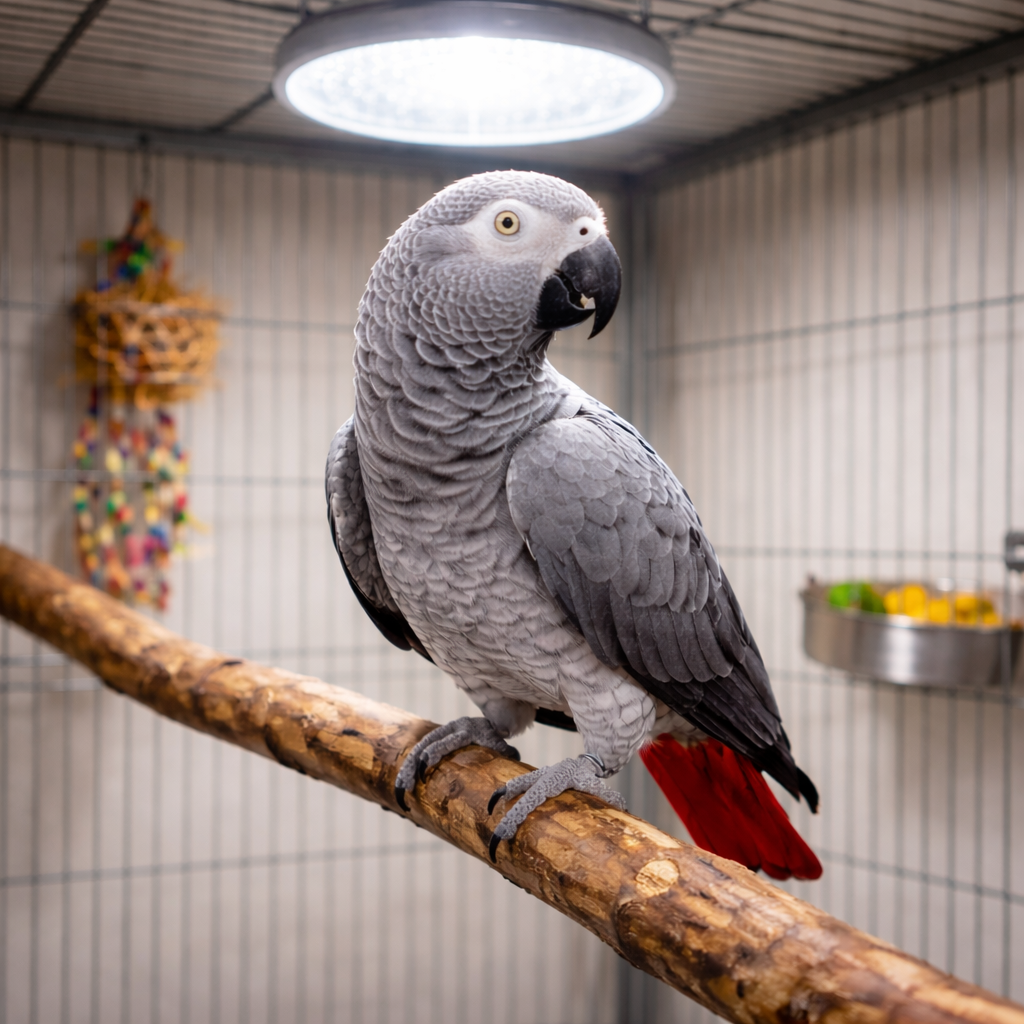
Many well-meaning bird owners provide a diet rich in high-quality pellets and fresh vegetables, assuming this ensures complete nutrition. While commercial pellets are fortified with essential vitamins and minerals, including calcium, their efficacy hinges on the bird’s ability to absorb and utilize these nutrients. As previously established, without adequate Vitamin D3, the calcium in even the most meticulously balanced diet simply cannot be effectively absorbed. It passes through the digestive tract largely unutilized, making the bird effectively calcium-deficient despite seemingly adequate intake.
Therefore, merely increasing the quantity of pellets, offering cuttlebone, or providing generic calcium supplements will not resolve the problem if the fundamental issue of Vitamin D3 synthesis is unaddressed. The focus must shift from simply providing calcium to ensuring the bird has access to usable calcium. This distinction is critical and often misunderstood. Winter-related health issues in indoor birds are primarily a light problem, impacting D3 synthesis, which in turn impacts calcium absorption. Rectifying the light environment or providing appropriate D3 support is the foundational step to protecting a bird’s bone health and overall stability.
Visual Cues: Winter Stable vs. Winter Depleted
While a single photograph cannot provide a definitive diagnosis, visual comparisons can serve as powerful cues for owners to prompt further investigation.
Healthy / Winter Stable – What to look for:
- Alert and Engaged: Bright, clear eyes with a keen awareness of surroundings.
- Vibrant Plumage: Smooth, brightly colored feathers with no signs of dullness or stress bars.
- Strong Posture: Upright and balanced stance on perches, showing confident grip.
- Normal Activity: Active, playful, and engaging in typical behaviors like flying and vocalizing.
- Consistent Strength: Maintains strong grip and steady flight patterns year-round.
Calcium Depleted – What to look for:
- Lethargic Appearance: Dull or squinting eyes, appearing less alert and possibly withdrawn.
- Dull or Faded Feathers: Lackluster plumage, possibly with visible stress bars, indicating poor feather quality.
- Slouched or Unstable Posture: A more hunched or slouched stance, possibly showing difficulty maintaining balance or a weaker grip on perches.
- Reduced Activity: Less energetic, spends more time resting, and may show reluctance to fly or play.
- Noticeable Weakness: Manifests as sliding on perches, shorter or unsteady flights, or difficulty climbing.
Should these visual cues align with observed behavioral changes, it is imperative to initiate a comprehensive review of the bird’s lighting and nutritional regimen, followed by a veterinary consultation if symptoms persist or worsen.
The 3-Step Winter Bone Reset: A Proactive Approach
To counteract the effects of winter light deprivation and ensure optimal avian health, a systematic approach is recommended:
- Optimize UVB Lighting:
- Invest in a proper avian-specific UVB lamp: These lamps emit the correct spectrum of UVB (typically 290-320 nm) necessary for Vitamin D3 synthesis. Avoid lamps designed for reptiles, as they may have different output profiles.
- Ensure correct placement and distance: UVB intensity decreases significantly with distance. Follow manufacturer guidelines, typically placing the lamp 6-12 inches directly above the bird’s primary perching area.
- Establish a consistent light cycle: Provide 10-12 hours of UVB exposure daily, mimicking natural daylight hours, and ensure complete darkness during the remaining hours for rest.
- Replace bulbs regularly: UVB output degrades over time, even if the light still appears to be working. Most avian UVB bulbs need replacement every 6-12 months.
- Review and Balance Dietary Support:
- Assess current diet: Ensure a high-quality, species-appropriate pelleted diet forms the foundation (80% for most parrots).
- Offer calcium-rich foods: Supplement with dark leafy greens (kale, spinach in moderation due to oxalates), broccoli, fortified grains, and occasional cooked eggshell powder (under veterinary guidance).
- Consider targeted supplementation: If a bird is confirmed deficient, an avian veterinarian may recommend a specific Vitamin D3 and calcium supplement. Self-medication can be dangerous due to the risk of D3 toxicity.
- Monitor and Consult with an Avian Veterinarian:
- Observe daily: Pay close attention to subtle changes in behavior, posture, activity, and feather quality. Keep a log if necessary.
- Regular weigh-ins: Weight fluctuations can be an early indicator of underlying health issues.
- Schedule annual check-ups: Preventative veterinary care is crucial. Inform your vet about your bird’s light exposure and diet.
When to Call the Vet: Recognizing Red Flags
It is imperative for bird owners to understand the urgency associated with advanced calcium deficiency. Birds are masters of concealing illness, a survival instinct in the wild. They will prioritize vital organ function, such as heart and muscle activity, by drawing calcium directly from their bones. This silent compensation can continue for weeks or months, during which bone strength may become dangerously depleted without overt signs. By the time symptoms like falling, tremors, or seizure-like episodes manifest, the situation is often critical and requires immediate veterinary intervention.

Specific Red Flags to watch for:
- Falling or loss of balance: Any sudden inability to perch or maintain balance.
- Seizures or tremors: Involuntary muscle spasms, head bobbing, or full-body tremors. These are severe neurological signs.
- Paralysis: Partial or complete loss of movement in limbs.
- Difficulty breathing or gasping: Calcium is vital for muscle function, including respiratory muscles.
- Persistent lethargy or anorexia: A bird that is unusually quiet, sleeping excessively, or refusing to eat.
- Egg-binding in hens: Low calcium is a major predisposing factor for egg-binding, a life-threatening condition.
A rapid decision guide is critical: If any of these severe symptoms are observed, contact an avian veterinarian immediately. These are not conditions that will resolve on their own with dietary changes; they signify an emergency. The veterinarian will likely perform blood tests to assess calcium and Vitamin D3 levels, potentially conduct X-rays to evaluate bone density, and initiate appropriate treatment, which may include injectable calcium and Vitamin D3.
Broader Implications and the Call for Awareness
The issue of winter-induced calcium deficiency in indoor birds extends beyond individual pet health; it highlights a broader need for increased awareness and education within the avian pet community. With millions of birds kept as companions worldwide, ensuring their welfare necessitates a thorough understanding of their unique physiological requirements, particularly concerning environmental factors like light.
The implications of neglecting proper UVB exposure are substantial, ranging from chronic discomfort and reduced quality of life for the bird to significant emotional and financial strain on owners facing escalating veterinary bills for advanced conditions. Furthermore, the prevalence of this preventable issue suggests an educational gap that avian welfare organizations and veterinary professionals are actively working to bridge. Future trends in avian care are likely to emphasize more sophisticated, accessible home lighting solutions and more precise, scientifically-backed dietary supplements to ensure optimal avian health in domestic settings.
Ultimately, proactive prevention remains the cornerstone of responsible avian ownership. Understanding the intricate interplay between light, Vitamin D3, and calcium is not merely academic; it is fundamental to providing a safe, healthy, and thriving environment for our cherished feathered companions, safeguarding them against the silent threats of winter.
Key Takeaways:
- UVB is Non-Negotiable: Indoor birds require avian-specific UVB lighting for Vitamin D3 synthesis.
- Calcium Needs D3: Dietary calcium is useless without Vitamin D3 for absorption.
- Symptoms are Late-Stage: By the time weakness is visible, significant depletion has occurred.
- Winter is a High-Risk Period: Reduced natural light makes birds vulnerable.
- Vet Intervention is Crucial: Severe signs like falling or seizures are emergencies.
Other Helpful Resources:
- Do Birds Need UVB Light Indoors? (Further details on light types and benefits)
- Signs of Low Calcium in Parrots (Expanded information on specific symptoms and risks, especially for egg-laying birds)
References:
- Scientific literature on avian physiology and vitamin D metabolism (e.g., studies by Frank, L.R.; Hess, J.L.; and others in avian veterinary journals on bone density, calcium, and D3).
- Avian veterinary textbooks and guidelines on nutritional requirements and environmental enrichment for psittacines.
- Expert consensus from leading avian veterinary organizations regarding best practices for indoor bird care.
Meet Diane Burroughs, LCSW – licensed psychotherapist and avian wellness educator. With decades of behavior and nutrition experience, she helps bird owners understand what their birds’ bodies are actually doing – and what to do next.

