


The unique dental anatomy of rats, characterized by their continuously growing incisors, sets them apart from many other species. This remarkable evolutionary adaptation, while essential for their survival, also presents potential health challenges for pet rats, necessitating informed care from their owners. Understanding the intricacies of these ever-growing teeth, from their basic structure to the complexities of malocclusion, is crucial for ensuring the well-being of these popular companion animals.
The Enduring Enigma of Rodent Dentition
At the heart of what distinguishes rats, and indeed all rodents, lies their extraordinary dentition, particularly their incisors. Unlike the deciduous and permanent teeth seen in many mammals, rodents possess open-rooted incisors that grow throughout their entire lives. This constant growth, while enabling them to gnaw through a variety of materials for foraging and burrowing, also means that any disruption to this natural process can lead to significant health complications. While most rats navigate their lives without significant dental issues, vigilant owners must be equipped to recognize and address problems should they arise, as dental concerns can cascade into broader health issues for their pets.
Unpacking the Anatomy and Function of Rat Teeth
Rats possess a simplified dental structure compared to many other mammals. They have only two primary types of teeth: incisors and molars. Crucially, they do not experience the transition from “baby” teeth to adult teeth; the set they are born with is the set they will have for life.
Key Dental Facts:
- Tooth Count: A rat has a total of 16 teeth. The four incisors, located at the front of the mouth (top and bottom), are the first to erupt, typically around 8-9 days of age. Their primary function is gnawing.
- Molar Development: The 12 molars, situated at the back of the mouth, begin to erupt around day 19, with the final set emerging by day 35-40. These teeth are designed for grinding food into a more manageable consistency for swallowing.
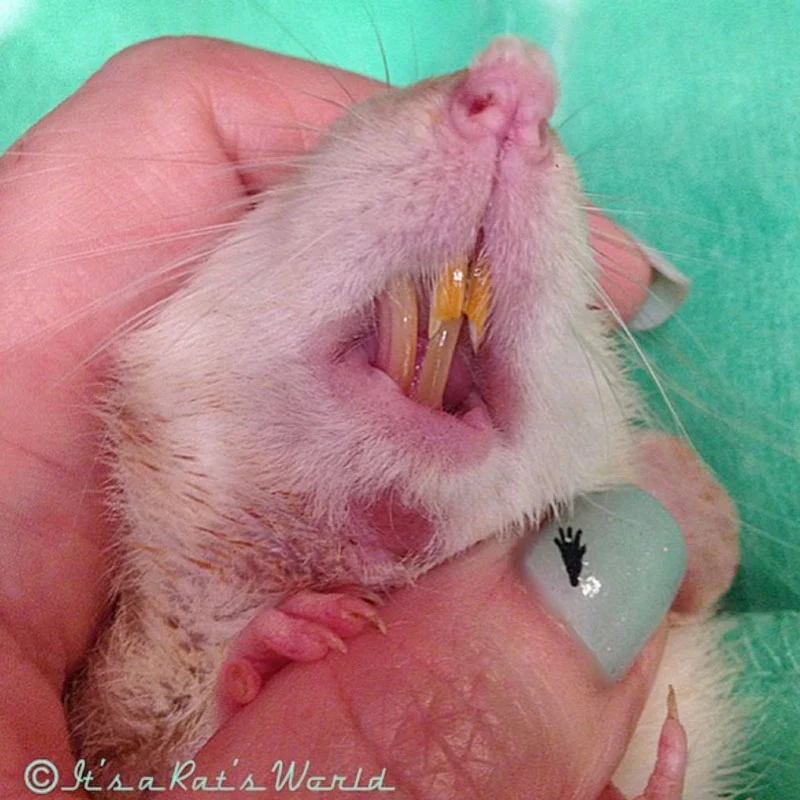
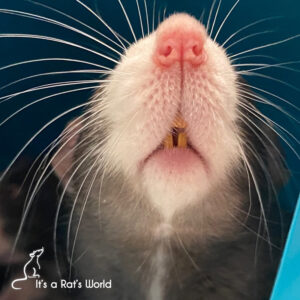
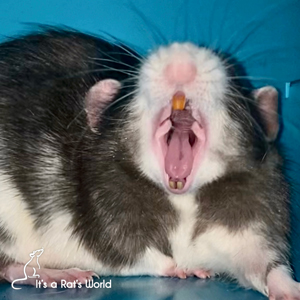
- Incisor Coloration: Healthy adult rat incisors are not white. The upper incisors typically exhibit a dark, orangey-yellow hue, while the lower incisors are a lighter yellow. A noticeable lightening or whitening of these teeth can signal an underlying health issue, warranting veterinary attention.
- Cheek Folds: Behind the incisors, a specialized flap of cheek skin acts as a protective barrier. These folds effectively block the molars, preventing unwanted debris from being swallowed and making it challenging to visually inspect the molars without anesthesia.
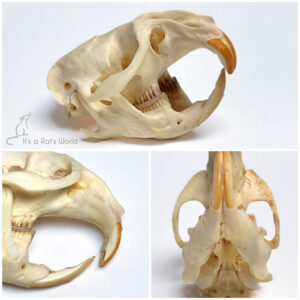
- Natural Wear and Bruxing: Rats possess a remarkable ability to naturally wear down their incisors through a process known as bruxing. This involves grinding their teeth, which is facilitated by the differential hardness of their enamel and dentin. The hard enamel on the front of the incisors, combined with the softer dentin on the back, creates a self-sharpening, beveled edge. Without this natural wear, incisors can grow excessively, potentially curling into the roof of the mouth, a serious condition.
- Cavity Resistance: The continuous growth and rapid wear of rat incisors render them virtually immune to cavities. By the time a cavity could form, the affected tooth surface would have already been worn away.
- Independent Lower Jaw Movement: A unique feature of rat anatomy is the presence of two independent lower jaw bones, connected by a flexible joint. This allows for the separation and slight rotation of the lower incisors, an adaptation that enhances their gnawing capabilities and aids in maintaining optimal tooth length and sharpness.
- The Origin of Eye Boggling: The powerful jaw muscles responsible for bruxing and gnawing, which extend behind the eye socket, are directly linked to the characteristic "eye boggling" seen in rats. The forceful muscle contractions during chewing vibrate the eyes, creating this distinctive visual phenomenon. This endearing trait, often interpreted as a sign of contentment, is a direct consequence of their specialized dental mechanics.
Debunking Common Misconceptions About Rat Teeth
Several long-standing myths surrounding rat dental care persist, often leading to unnecessary owner interventions. Dispelling these misconceptions is crucial for providing appropriate care.
Myth 1: Rats require hard foods or specific chew toys to maintain proper incisor length.
This widely held belief is inaccurate. Rats possess a natural instinct and anatomical design for wearing down their own teeth. As long as their incisors are healthy and properly aligned, they do not require external aids for this purpose. The jaws are specifically engineered for self-grooming of the teeth through bruxing.
Fact: Rats instinctively manage their incisor length through bruxing. Unless there is a misalignment issue, providing specialized items for tooth wear is unnecessary.
Myth 2: Rats can chew through any material, including steel.
While rats are known for their formidable gnawing capabilities, their abilities are not limitless. They can indeed breach materials such as concrete, aluminum, and drywall, but steel is beyond their chewing capacity.
Fact: Rat incisors are strong enough to penetrate many tough materials, but they cannot chew through steel. Their gnawing power, while impressive, has its limits.

The Perilous Path of Malocclusion
Despite the natural resilience of their dental system, rats are susceptible to a condition known as malocclusion, where the upper and lower teeth become misaligned. This can arise from various factors and, if left unaddressed, poses significant risks to a rat’s health and well-being.
Causes and Consequences of Dental Misalignment
Malocclusion can develop due to several contributing factors:
- Trauma and Injury: Falls, accidents, or being stepped on can lead to jaw misalignment or fractured incisors. A broken incisor can disrupt the even wear of the remaining teeth, causing them to grow at disparate lengths.
- Oral Pathologies: Abscesses, cysts, or tumors in the mouth or near the jaw can alter dental alignment. Conversely, malocclusion itself can predispose a rat to developing these oral issues, as teeth may rub against gum tissue incorrectly.
- Genetic Predisposition: Some rats are genetically inclined towards developing malocclusion, making prevention impossible and treatment the only recourse.
The ramifications of untreated malocclusion can be severe:
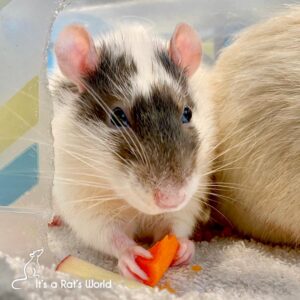
- Overgrown and Puncturing Teeth: If misaligned teeth continue to grow unchecked, they can curve and eventually puncture the roof of the mouth. This can lead to excruciating pain, severe infection, difficulty eating, starvation, and ultimately, death.
- Tooth Erosion and Shortening: Conversely, misaligned lower incisors can grind down the upper incisors to mere stumps, hindering the rat’s ability to eat and also preventing the lower incisors from being worn down appropriately.
- Incisor Imbalance: Even if teeth don’t grow excessively, misalignment can cause uneven wear, leading to sharp edges or pointed teeth that can cause oral trauma.
Proactive Measures and Veterinary Intervention
While not all cases of malocclusion are preventable, proactive owner intervention and prompt veterinary care can significantly mitigate the risks.
Minimizing the Risk of Malocclusion
Owners can take several steps to reduce the likelihood of their rats developing malocclusion or to catch it early:
- Safe Housing: Preventing falls and injuries is paramount. This includes ensuring rats cannot fall from high surfaces like tables or beds and avoiding free-ranging them in unsecured environments where they might be stepped on or get injured.
- Dietary Considerations: While specific chew toys aren’t necessary for healthy teeth, a balanced diet that includes some harder kibble can contribute to overall oral health. However, the primary focus should be on observing eating habits.
- Behavioral Monitoring: A sudden decrease in appetite, refusal of favorite foods, or avoidance of eating can be indicators of mouth pain or dental problems. Owners should be attentive to changes in their rat’s eating patterns.
- Physical Observation: Regular visual examinations of a rat’s mouth, ideally weekly or bi-weekly, are essential. Look for any signs of sores, infection, gum irritation, or redness. Critically, check that the incisors are meeting evenly and are not chipped, cracked, or excessively worn into sharp points.
The Necessity of Veterinary Teeth Trimming
When malocclusion is diagnosed, veterinary intervention becomes necessary. Teeth trimming, typically performed with a Dremel tool or clippers by a veterinarian, is often required.
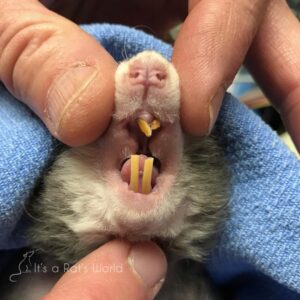
- Anesthesia: Due to the nature of the procedure and the typical squirming of rats, light anesthesia may be necessary to ensure the safety of both the rat and the veterinarian.
- Home Care Challenges: While some veterinarians may demonstrate home-care trimming techniques, it is a difficult and often stressful process for both the rat and the owner. The rat’s natural thrashing can make accurate trimming challenging and increase the risk of injury.
- Long-Term Management: For many rats with malocclusion, regular teeth trimming is a lifelong necessity. The frequency of these trims can increase over time, as the act of trimming can sometimes stimulate faster tooth growth. In cases like Leeloo and Crowley, mentioned in the original context, trimming was initially required monthly, progressing to bi-weekly and then weekly as the condition persisted.
Conclusion: Vigilance and Preparedness for Rat Owners
The intricate world of rat teeth, with their continuous growth and specialized functions, underscores the importance of informed pet ownership. While their dental design is a marvel of natural adaptation, the potential for malocclusion demands vigilance. By understanding the anatomy, debunking myths, recognizing the signs of trouble, and being prepared for potential veterinary intervention, owners can ensure their rat companions enjoy a healthy and comfortable life, free from the debilitating effects of dental problems. The commitment to regular observation and prompt action when issues arise is fundamental to providing the best possible care for these fascinating creatures.

