


Every April 22 since 1970, people across every continent come together to honor an essential part of our shared lives – planet Earth. This annual observance, born from a burgeoning environmental consciousness, serves as a powerful reminder of our collective responsibility to protect the intricate web of life that sustains us. While Earth Day often spotlights grand landscapes, climate initiatives, and conservation megafauna, it is equally vital to acknowledge the quieter, yet profoundly impactful, contributions of creatures often overlooked. Among these are countless fascinating and beautiful birds, playing vital, often unsung, roles in keeping the planet healthy. This year, in honor of Earth Day’s enduring legacy, we delve into the remarkable ways certain avian species act as indispensable environmental heroes, shaping ecosystems and serving as crucial indicators of our planet’s well-being.
The concept of Earth Day was first proposed by Senator Gaylord Nelson of Wisconsin after witnessing the devastating 1969 Santa Barbara oil spill. Inspired by the anti-war movement’s teach-ins, Nelson envisioned a national teach-in on the environment. The first Earth Day on April 22, 1970, mobilized an estimated 20 million Americans, roughly 10% of the U.S. population at the time, engaging them in demonstrations and rallies across the country. This unprecedented grassroots mobilization led to the creation of the United States Environmental Protection Agency (EPA) and the passage of landmark environmental laws such as the Clean Air Act, the Clean Water Act, and the Endangered Species Act. Over the decades, Earth Day evolved into a global phenomenon, recognized by the United Nations, and celebrated by over a billion people in more than 190 countries, continually pushing for greater environmental protection and awareness. Its enduring message resonates deeply with the understanding that every species, no matter how small or seemingly ordinary, contributes to the planet’s delicate balance.
The Critical Role of Birds in Global Ecosystems
Birds are not merely beautiful creatures of the sky; they are dynamic architects and engineers of our planet’s ecosystems, performing a vast array of ecological services. From the dense rainforests to the vast oceans, their activities are fundamental to maintaining biodiversity, supporting plant life, and regulating natural processes. They function as critical pollinators, efficient seed dispersers, vigilant pest controllers, indispensable scavengers, and vital nutrient cyclers. Furthermore, due to their sensitivity to environmental changes, birds often serve as crucial bio-indicators, providing early warnings about the health of habitats and the broader impacts of climate change and pollution. The decline of avian populations, therefore, signals not just a loss of species but a systemic disruption to the very foundations of ecological stability.
Hummingbirds: Tiny Wings, Big Impact on Biodiversity
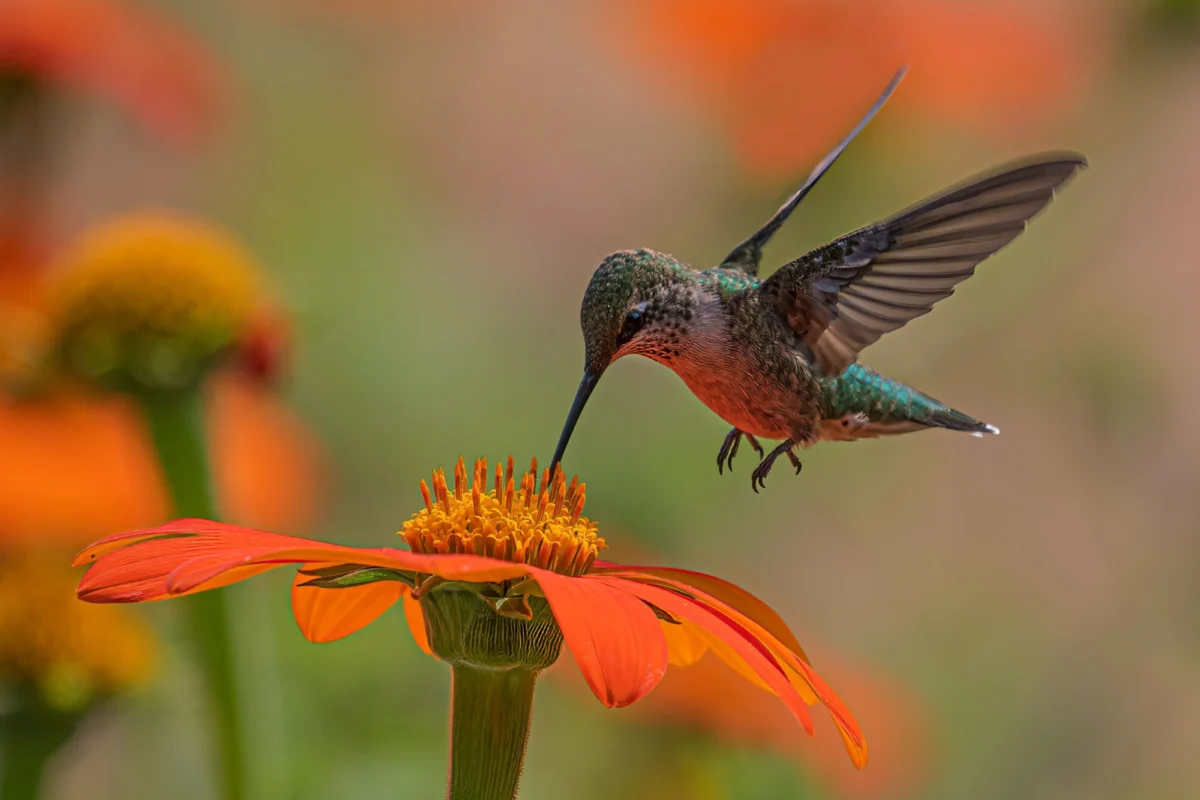
Hummingbirds, with their iridescent plumage and incredible aerial acrobatics, are among nature’s most enchanting marvels. Yet, their ecological impact far transcends their diminutive size. These specialized nectar feeders play an utterly critical role in pollination, particularly in neotropical ecosystems where they are abundant. As they flit from flower to flower, drawing nectar with their long, slender beaks and tongues, they inadvertently transfer pollen between blooms, facilitating the reproduction of countless plant species. This process is especially vital for plants with deep, tubular flowers that are inaccessible to many insect pollinators like bees and butterflies, which might struggle to survive in certain high-altitude or arid environments.
The co-evolutionary relationships between hummingbirds and specific plants are a testament to their deep ecological integration. Many flowering plants have evolved distinct shapes, colors (often red or orange, which hummingbirds see well), and nectar compositions to attract these avian pollinators. For instance, the Mexican sunflower (Tithonia rotundifolia) is a known favorite, but hundreds of species, including fuchsias, salvias, and bromeliads, rely heavily on hummingbirds for their reproductive success. The absence of these tiny birds would lead to a significant reduction in seed set for these plants, ultimately impacting the entire food web that depends on them. By ensuring the reproduction of these plants, hummingbirds directly promote biodiversity and support the structural integrity of entire ecosystems.
Beyond their direct role in pollination, hummingbirds also serve as highly sensitive environmental indicators. Their specialized diets and habitat requirements mean they are acutely vulnerable to even subtle changes in temperature, rainfall patterns, and the availability of specific flowering plants. Consequently, shifts in hummingbird populations or migratory patterns can signal broader climate disruption, habitat degradation, or the impact of pesticide use long before these issues become apparent through other means. Conservation efforts for hummingbirds, therefore, extend beyond protecting a single species; they represent a broader commitment to safeguarding the intricate ecological processes that underpin healthy planetary systems. According to ornithologists and botanical experts, the loss of hummingbird populations could lead to cascading extinctions of co-dependent plant species, irrevocably altering the composition and resilience of numerous terrestrial habitats. Organizations like the National Audubon Society frequently highlight the urgent need for habitat preservation, including the planting of native, nectar-rich flowers, to support these crucial pollinators.
Vultures: Nature’s Indispensable Cleanup Crew
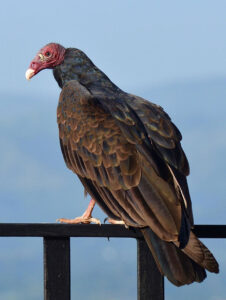
Perhaps no bird embodies the concept of an "unsung hero" more profoundly than the vulture. Often maligned for their appearance and scavenging habits, these large, raptorial birds perform an absolutely indispensable ecological service: they are the planet’s ultimate sanitation crew. Swirling circles high in the sky, these iconic birds locate and consume carcasses, preventing the spread of disease and maintaining ecological balance in a way few other species can.
The work vultures do – dealing with decaying matter that most other creatures, humans included, would turn their noses up at – is critical for public and ecosystem health. By rapidly consuming carrion, vultures effectively remove potential breeding grounds for harmful bacteria and pathogens such as anthrax, botulism, and rabies, which can otherwise proliferate in rotting carcasses and spread to livestock, wildlife, and even humans. Their remarkable digestive systems are uniquely adapted for this task; vultures possess highly acidic stomach acids (with a pH close to 1) that allow them to neutralize dangerous pathogens that would be lethal to most other scavengers. This physiological marvel means they can safely consume diseased animals without becoming ill themselves, thereby breaking disease transmission cycles.
The economic and public health benefits of vultures are immense. In regions where vulture populations have drastically declined, such as India in the late 20th century due to the veterinary drug diclofenac, the consequences were dire. The absence of vultures led to a dramatic increase in feral dog populations, which fed on carcasses and subsequently caused a surge in rabies cases, posing a significant public health crisis. Livestock losses also increased as diseases spread more rapidly. Experts estimate that the economic cost of replacing the ecosystem services provided by vultures can run into billions of dollars annually, highlighting their irreplaceable value. The World Wildlife Fund (WWF) has repeatedly emphasized that vultures are Earth’s true "environmental influencers," asserting that their presence is a hallmark of a healthy ecosystem. Their conservation is not merely about saving a species, but about safeguarding the health of entire regions and their inhabitants. Efforts to ban harmful drugs and establish Vulture Safe Zones are critical timelines in the ongoing global fight to protect these vital scavengers.
Seabirds: Connecting Land and Sea Through Nutrient Cycling
Birds, with their inherent gift of flight, are unparalleled connectors of disparate ecosystems. Seabirds, in particular, embody this role by forging a crucial link between marine and terrestrial environments. Their lives are split between the vastness of the ocean, where they forage for food, and the relative stability of coastal cliffs, islands, and remote landmasses, where they nest and breed. This unique lifestyle enables them to transport vast quantities of nutrients from the ocean to land through their droppings, commonly known as guano.
Research has increasingly shown that this transfer of marine-derived nutrients significantly enriches the soil on islands and coastal areas, acting as a potent natural fertilizer. Guano is rich in nitrogen, phosphorus, and other essential minerals, which are often scarce in terrestrial soils. When deposited by seabirds, these nutrients permeate the ground, boosting plant growth and enhancing soil fertility. This nutrient infusion supports healthier and more robust vegetation, which, in turn, provides better habitat, food sources, and structural stability for a wider array of terrestrial wildlife, including invertebrates, reptiles, and other bird species. By effectively "fertilizing" islands, seabirds enhance primary productivity, leading to more resilient and biodiverse island ecosystems.
For instance, studies on remote islands have quantified the immense scale of this nutrient transfer, demonstrating how seabird colonies can significantly increase the biomass and diversity of plant communities. The healthy vegetation then helps stabilize coastlines, reduce erosion, and create microclimates that benefit other species. The implications are far-reaching; the decline of seabird populations due to threats like plastic pollution, overfishing, climate change-induced changes in prey distribution, and habitat loss on breeding grounds, directly jeopardizes the ecological health of these sensitive island systems. Organizations like American Bird Conservancy (ABC Birds) consistently publish studies and articles highlighting how birds effectively "link land and sea," underscoring the interconnectedness of global ecosystems and the cascading effects of avian declines. Protecting seabirds means safeguarding the health of both marine and terrestrial environments, recognizing them as integral components of a holistic planetary system.
Parrots: The Vibrant Forest Gardeners
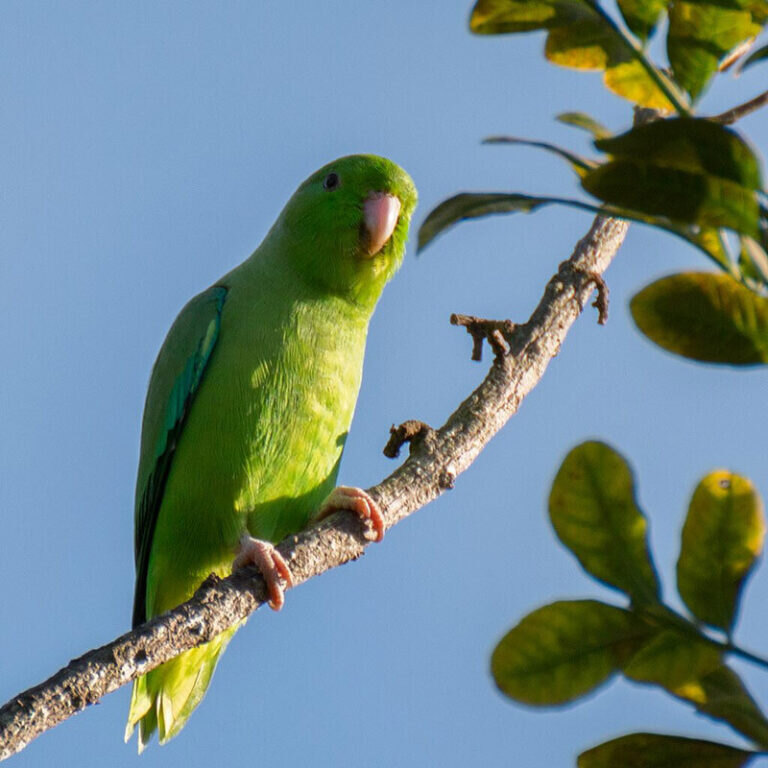
When considering birds that help the planet, parrots might not immediately come to mind after pollinators or scavengers, but these intelligent and charismatic birds are truly "multilinkers" in their ecosystems, particularly in tropical and subtropical forests. Parrots perform a diverse array of ecological services that are crucial for forest health and regeneration, solidifying their status as vital forest gardeners.
One of their primary roles is seed dispersal. Many parrot species consume fruits and then disperse the viable seeds over considerable distances through their droppings or by carrying them away from the parent plant before dropping them. This long-distance dispersal is essential for forest regeneration, especially for trees with large seeds that are not easily moved by wind or smaller animals. By spreading seeds, parrots help new plants colonize disturbed areas, maintain genetic diversity within plant populations, and facilitate the movement of plant species in response to environmental changes. This mechanism is particularly critical for the long-term resilience of complex forest ecosystems.
Beyond seed dispersal, certain parrot species also contribute to pollination, feeding on nectar from various flowering plants. While not as specialized as hummingbirds, their visits to flowers can aid in the transfer of pollen, supporting the reproductive cycles of additional plant species. Furthermore, and often surprisingly to many, parrots in the wild also consume insects and their larvae, especially during breeding season when protein needs are higher. This dietary component means they play a role in natural pest control, helping to regulate insect populations and prevent outbreaks that could harm forest vegetation.
The movement of parrots across landscapes also facilitates the transfer of energy and nutrients between different parts of an ecosystem. By foraging in one area and defecating in another, they help redistribute essential elements, contributing to a more even distribution of fertility within the forest. Research, such as the in-depth study published on PMC (PubMed Central) titled "Parrots as ‘multilinkers’ in ecosystems: a review of their contributions to ecological processes," extensively details how parrots help power healthy ecosystems through these multifaceted interactions. The implications of parrot conservation are therefore profound: protecting these species means safeguarding the intricate processes of seed dispersal, forest regeneration, and ecological balance that are fundamental to the health and biodiversity of the world’s most vital forest habitats.
The Broader Implications: A Call for Avian Conservation
The contributions of hummingbirds, vultures, seabirds, and parrots represent just a glimpse into the myriad ways birds underpin the health of our planet. From the delicate dance of pollination to the vital grim work of scavenging, and from connecting marine and terrestrial realms to engineering forest regeneration, birds are not just components of ecosystems; they are active agents in their maintenance and evolution.
The global decline in avian populations, however, presents a stark warning. According to various reports from BirdLife International and the IUCN Red List, many species are facing unprecedented threats from habitat loss, climate change, pollution, invasive species, and unsustainable agricultural practices. The consequences of these declines are not limited to the loss of individual species; they trigger cascading effects throughout entire ecosystems. The absence of pollinators leads to reduced plant reproduction, the disappearance of scavengers results in disease proliferation, diminishing seabird colonies weaken island resilience, and dwindling parrot populations impair forest regeneration. These ecological services, often taken for granted, are essential for human well-being, including food security, clean water, and a stable climate.
As Earth Day continues its crucial mission, it reinforces the urgent need for comprehensive avian conservation strategies. These include the protection and restoration of critical habitats, the mitigation of climate change, the reduction of pollution, and the implementation of sustainable land and resource management practices. Education and public awareness campaigns, like those promoted by the Cornell Lab of Ornithology and Audubon, play a vital role in fostering a deeper appreciation for birds and mobilizing citizen science efforts. International cooperation and policy frameworks are also essential, as many bird species undertake vast migratory journeys, requiring protection across multiple nations.
Ultimately, celebrating Earth Day means recognizing our profound interconnectedness with all life forms. By understanding and valuing the indispensable roles played by our feathered friends, we are compelled to act as responsible stewards of the planet. Protecting birds is not merely an act of compassion; it is a fundamental investment in the health, stability, and future of Earth’s ecosystems – and, by extension, our own. The ongoing timeline of Earth Day, stretching from its inaugural event in 1970 to its current global observance, serves as a continuous call to action, reminding us that the future of our planet, and its remarkable avian architects, rests in our hands.

