


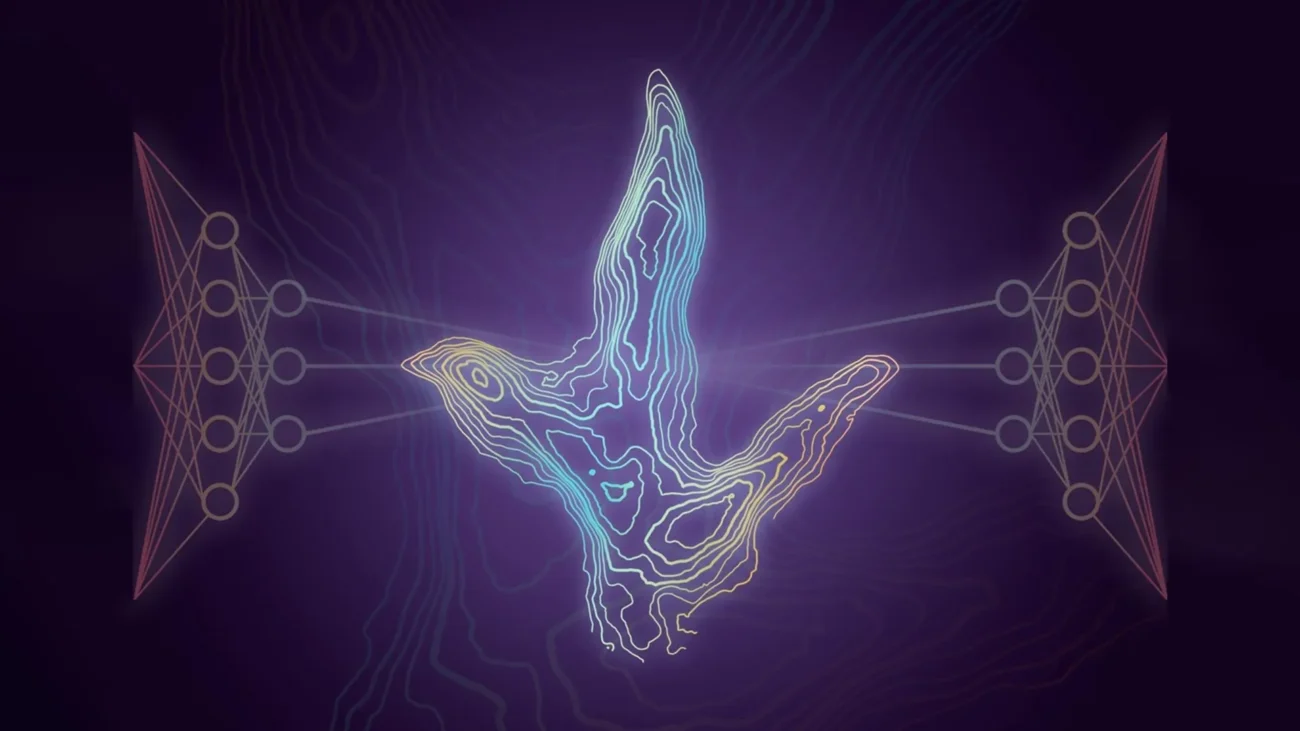
A groundbreaking artificial intelligence (AI) application, dubbed DinoTracker, is poised to transform paleontological research and public engagement with the study of prehistoric life. This innovative technology, detailed in a recent scientific publication, empowers both seasoned researchers and curious enthusiasts to identify dinosaur footprints with unprecedented accuracy and speed, shedding new light on the enigmatic lives of these ancient giants. The development addresses a long-standing challenge in paleontology: the ambiguous nature of fossilized tracks, which have often sparked decades of debate and uncertainty among scientists regarding their origins.
The Enduring Enigma of Fossilized Tracks
For generations, paleontologists have meticulously examined the impressions left by dinosaurs, meticulously documenting their size, shape, and distribution. These fossilized footprints are invaluable windows into the past, offering critical clues about dinosaur locomotion, behavior, social structures, and their ecological roles. However, the very process of fossilization, which preserves these ancient impressions, also introduces significant challenges. Over millions of years, geological pressures, erosion, and the passage of time can distort, compress, and fragment these delicate records, rendering their interpretation a complex and often subjective endeavor.
Historically, the identification of dinosaur tracks relied heavily on the expertise of individual paleontologists, who would compare newly discovered specimens to existing databases of known dinosaur footprints. This manual process, while painstakingly executed, was susceptible to human bias, particularly when dealing with fragmentary or unusually shaped tracks. Discrepancies in interpretation were common, leading to protracted scientific disputes and hindering the establishment of a definitive understanding of many track types. Some tracks were confidently attributed to formidable carnivorous theropods, while others were linked to placid herbivores. More intriguing still, certain tracks have fueled speculation about the early evolution of birds, suggesting a deeper and more complex relationship between dinosaurs and avian species than previously understood. The subjective nature of these classifications meant that the evolutionary journey of some dinosaur groups, and indeed the origins of flight, remained shrouded in ambiguity.
DinoTracker: From Photograph to Instant Analysis
The advent of the DinoTracker app promises to democratize and significantly accelerate this identification process. Developed through a collaborative effort between researchers at the Helmholtz-Zentrum research centre in Berlin and the University of Edinburgh, the app leverages sophisticated AI algorithms to analyze digital images of dinosaur footprints. Users, whether they are professional paleontologists in the field or amateur fossil hunters, can simply upload a photograph or even a drawing of a footprint to their mobile device. Within moments, the AI system provides an immediate analysis, estimating the type of dinosaur most likely responsible for leaving the impression.
This ability to rapidly process and interpret track data has profound implications for ongoing research. It allows for quicker cataloging of new discoveries, facilitates the re-examination of existing collections with a standardized and objective methodology, and opens up new avenues for comparative studies across vast geographical regions and geological time scales. The app’s capacity to make sense of tracks that have long baffled experts signifies a paradigm shift in how paleontological data is collected and interpreted.
Pioneering AI in Paleontology: A Shift Beyond Traditional Methods
The development of DinoTracker represents a significant departure from traditional paleontological methodologies. Prior to this AI-driven approach, researchers painstakingly compiled and maintained manually curated computer databases. These databases were essentially digital catalogs, linking specific morphological characteristics of footprints to identified dinosaur species. While these databases were invaluable resources, their construction and reliance on expert interpretation inherently introduced a degree of subjectivity. When faced with an ambiguous or disputed track, the consensus of a small group of experts often dictated its classification, potentially perpetuating existing biases.
To overcome these limitations, the research team, led by Dr. Gregor Hartmann at Helmholtz-Zentrum, turned to advanced machine learning techniques. The core of DinoTracker lies in sophisticated algorithms designed to enable computers to learn independently about the inherent variations in dinosaur footprint morphology. This self-learning capability is crucial for tackling the inherent complexities and inconsistencies found in fossilized tracks.
The AI system underwent rigorous training, a process that involved analyzing a substantial dataset comprising nearly 2,000 real fossilized dinosaur footprints. To further enhance its understanding of variability, the AI was also exposed to millions of simulated footprint examples. These simulated tracks were meticulously crafted to replicate the realistic deformations and alterations that occur during the fossilization process, such as compression, stretching, and the displacement of surrounding sediment. This extensive training allowed the AI to develop a nuanced appreciation for the spectrum of variations that a single dinosaur species’ footprint could exhibit over geological time.
Decoding the DinoTracker Algorithm: Key Features and Performance
The AI model, through its extensive training, learned to identify and weigh eight critical features that distinguish one dinosaur footprint from another. These key characteristics provide a comprehensive framework for classification. They include:
- Digit Spread: The degree to which the toes splayed outward, indicating the dinosaur’s foot structure and gait.
- Heel Position: The placement and prominence of the heel impression, offering insights into weight distribution and stride.
- Surface Area Contact: The extent of the footprint that pressed into the substrate, revealing whether the dinosaur was walking on its toes (digitigrade) or its entire foot (plantigrade).
- Weight Distribution: How the dinosaur’s body weight was distributed across different parts of its foot, providing clues about its locomotion and balance.
- Claw Mark Presence and Morphology: The presence, shape, and depth of claw impressions, which can differentiate between predatory and herbivorous species, and indicate the sharpness and length of the claws.
- Stride Length and Width: While not directly part of a single footprint, the analysis of multiple footprints in sequence can provide data on stride length and width, offering further insights into speed and locomotion.
- Asymmetry: Subtle differences between the left and right footprints, which can reveal information about gait irregularities or potential injuries.
- Edge Definition and Preservation Quality: The clarity and sharpness of the footprint’s edges, which can indicate the type of substrate it was made in and the quality of its preservation.
Once the AI has identified these variations in a newly presented footprint, it compares this data against its vast knowledge base of known fossil examples. This comparison allows the system to generate a probability-based prediction, identifying the dinosaur species or group most likely to have created the track.
The efficacy of the DinoTracker algorithm has been rigorously tested. In evaluations, the AI demonstrated an impressive ability to match the classifications made by experienced human paleontologists, achieving approximately 90% accuracy. This high level of concordance is particularly significant when considering that the AI was tested on species that are notoriously difficult to identify, often subject to ongoing scientific debate. This objective, data-driven approach offers a powerful new tool for resolving long-standing taxonomic uncertainties.
Unearthing Unexpected Evolutionary Links: The Avian Connection
One of the most startling and significant revelations to emerge from the DinoTracker analysis pertains to ancient footprints dating back over 200 million years. The AI identified striking morphological similarities between some of these prehistoric tracks and the feet of both extinct and extant avian species. This finding has ignited considerable scientific interest and could potentially rewrite our understanding of bird evolution.
According to the research team, these similarities suggest that birds, or at least their direct dinosaur ancestors, may have emerged tens of millions of years earlier than current scientific consensus indicates. The prevailing view, based on fossil evidence, places the origins of birds in the Cretaceous period, around 150 million years ago. The DinoTracker findings, if further corroborated, could push this timeline back significantly into the Jurassic or even Triassic periods.
Alternatively, it is also possible that some early dinosaur species coincidentally evolved feet that bore a remarkable resemblance to those of early birds. This would represent a fascinating example of convergent evolution, where unrelated species independently develop similar traits due to similar environmental pressures or functional requirements. Further research will be crucial to distinguish between these two compelling possibilities.
New Insights from Scotland’s Misty Isles: The Isle of Skye Enigma
The DinoTracker system has also provided crucial new clues regarding a set of enigmatic footprints discovered on the Isle of Skye in Scotland. These tracks, preserved in mud that once formed the edge of a lagoon approximately 170 million years ago, have perplexed paleontologists for decades. Their unique morphology has made them notoriously difficult to classify.
The AI’s analysis suggests that these ancient impressions may have been made by some of the earliest known relatives of duck-billed dinosaurs, also known as hadrosaurs. If confirmed, this would make these Skye footprints among the most ancient examples of this dinosaur group ever identified anywhere in the world. Hadrosaurs are a well-known group of herbivorous dinosaurs that flourished in the Late Cretaceous period. Discovering their potential ancestors from the Middle Jurassic would push back the known evolutionary history of this lineage by tens of millions of years, offering invaluable insights into their diversification and early development.
Opening Paleontology to a Wider Audience
Beyond its scientific applications, DinoTracker has the potential to democratize the field of paleontology, making it more accessible and engaging for the general public. Researchers believe that this technology creates unprecedented opportunities for citizen science initiatives. Individuals with a passion for dinosaurs can now actively contribute to scientific research by using the app to identify and document footprints they encounter. This participatory approach can foster a deeper connection with natural history and inspire the next generation of scientists.
Dr. Gregor Hartmann, a key figure in the research from the Helmholtz-Zentrum research centre, emphasized the broad utility of the technology. "Our method provides an unbiased way to recognize variation in footprints and test hypotheses about their makers," he stated. "It’s an excellent tool for research, education, and even fieldwork."
Professor Steve Brusatte, a Personal Chair of Palaeontology and Evolution at the University of Edinburgh and a prominent voice in the field, echoed this sentiment. "This study is an exciting contribution for paleontology and an objective, data-driven way to classify dinosaur footprints — something that has stumped experts for over a century," Professor Brusatte remarked. He further highlighted the transformative potential of AI, noting, "It opens up exciting new possibilities for understanding how these incredible animals lived and moved, and when major groups like birds first evolved. This computer network might have identified the world’s oldest birds, which I think is a fantastic and fruitful use for AI."
The study detailing the development and validation of the DinoTracker app was published in the prestigious journal Proceedings of the National Academy of Sciences (PNAS). The research was supported by a consortium of funding bodies, including the innovations pool of the BMBF-Project: Data-X, the Helmholtz project ROCK-IT, the Helmholtz-AI project NorMImag, the National Geographic Society, and the Leverhulme Trust, underscoring the significant scientific and societal interest in this pioneering work.
Broader Implications and Future Directions
The implications of DinoTracker extend far beyond mere identification. By providing an objective and consistent method for analyzing fossil footprints, the AI can help resolve long-standing paleontological debates, refine phylogenetic trees, and offer a more accurate picture of dinosaur distribution and migration patterns across the ancient globe. The ability to quickly identify trackmakers can also accelerate the discovery of new dinosaur species, as footprints often represent the earliest evidence of a particular lineage long before skeletal remains are found.
Furthermore, the AI’s capacity to learn from simulated data that mimics real-world preservation processes could pave the way for similar AI applications in other fields of paleontology and archaeology. Imagine AI systems that can analyze fossilized plants, shells, or even ancient artifacts with similar precision, unlocking further secrets of our planet’s history.
The success of DinoTracker also highlights the increasing integration of artificial intelligence into scientific research. As AI technology continues to advance, its potential to accelerate discovery, uncover hidden patterns, and tackle complex problems in fields ranging from medicine to climate science to historical research will only grow. The application of AI to dinosaur footprints serves as a compelling testament to this transformative power, offering a glimpse into a future where technology and scientific inquiry work hand-in-hand to unravel the mysteries of our universe and our past. The ongoing development and application of DinoTracker promise to keep paleontologists and the public alike on the edge of their seats, eager to discover what ancient secrets lie hidden in the millions of fossilized tracks waiting to be analyzed.

