


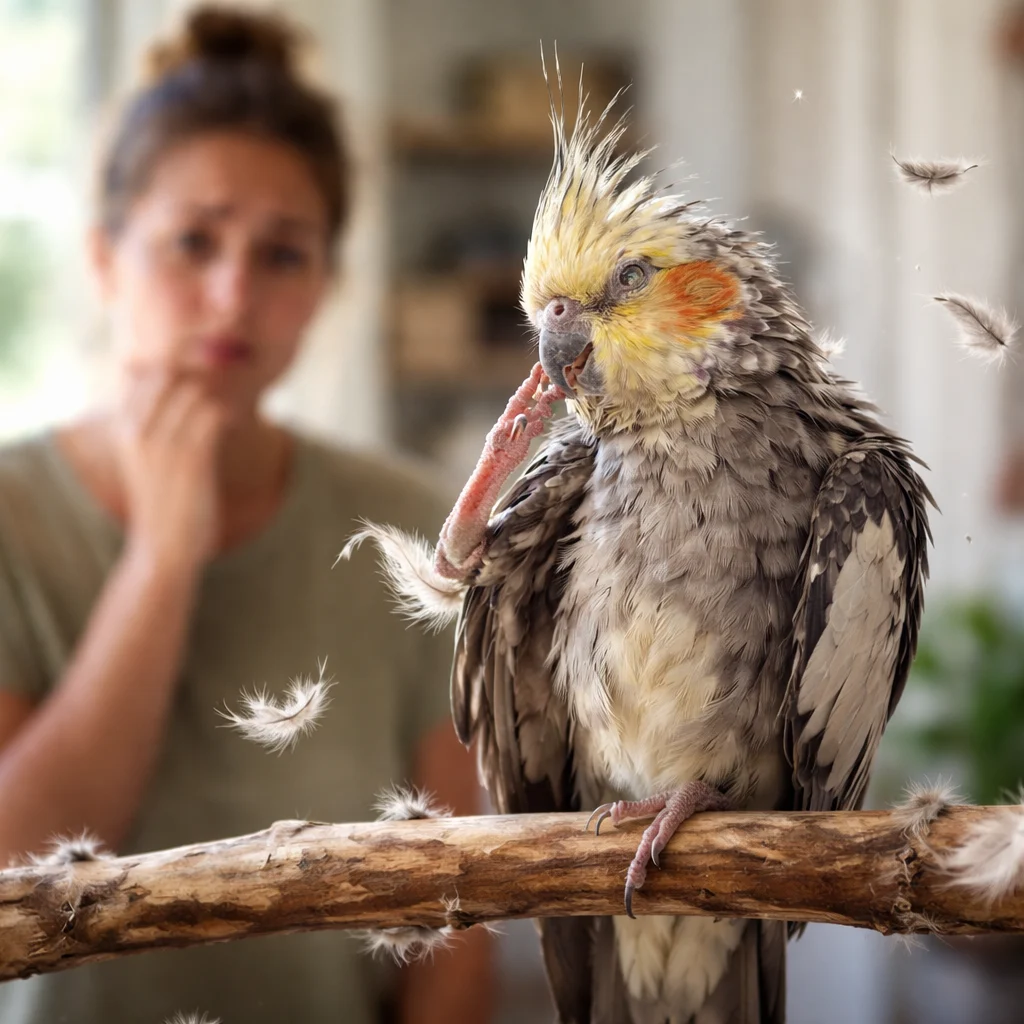
For bird owners, observing changes in their avian companion’s plumage can often be a source of both curiosity and concern. The periodic shedding and regrowth of feathers, known as molting, is a natural and essential physiological process for birds, ensuring their feathers remain healthy, functional, and aesthetically vibrant. However, distinguishing this vital biological "reset" from feather plucking, a self-mutilating behavior often indicative of underlying health, environmental, or psychological distress, is paramount for ensuring a bird’s welfare. This guide aims to provide a comprehensive framework for identifying these distinct phenomena, detailing appropriate responses, and outlining proactive measures for maintaining peak avian feather health.
The Physiology of Feather Growth and Molting
Feathers are complex epidermal outgrowths, composed primarily of keratin, a fibrous protein. They are crucial for flight, thermoregulation, protection from elements, and communication. Unlike mammalian hair, feathers are non-living structures once fully formed and cannot repair themselves. Consequently, birds must regularly replace their plumage through molting. This process is typically cyclical, influenced by factors such as species, age, hormones, nutrition, photoperiod (daylight length), and environmental temperature.
A typical molt involves the systematic shedding of old, worn feathers and the growth of new ones. This process is usually symmetrical, meaning feathers are lost and replaced on both sides of the body simultaneously, which helps maintain balance and flight capability. The new feathers emerge as "pin feathers"—small, spiky structures encased in a keratin sheath. These pins are highly vascularized, containing a blood supply to nourish the growing feather, which is why they are often referred to as "blood feathers." As the new feather matures, the keratin sheath flakes off, and the blood supply recedes. This period of growth can be intensely itchy and sometimes uncomfortable for birds, leading to increased preening activity.
Distinguishing Molting from Plucking: A Deeper Dive
The initial visual assessment is critical in determining whether a bird is undergoing a normal molt or exhibiting signs of feather plucking. Careful observation of the bird’s feather distribution, skin condition, and overall behavior provides invaluable clues.
-
Symmetrical Bald Spots: The hallmark of a normal molt is the presence of symmetrical bald patches, typically found in areas where feathers naturally thin or are replaced. Common sites include under the wings, on the legs, around the vent, and on the chest. These areas correspond to specific feather tracts, and the uniform pattern of loss is a strong indicator of a natural physiological process. As new feathers emerge, these spots will be populated by numerous pin feathers, which, while sometimes appearing sparse, indicate active, healthy regrowth. The underlying skin should appear healthy, free from redness, irritation, or lesions.
-
Ragged/Chewed Edges on Remaining Feathers: Conversely, the presence of feathers with damaged, frayed, or chewed edges is a significant red flag. This appearance is characteristic of self-inflicted damage, where the bird excessively preens, chews, or pulls out its own feathers. Unlike the clean loss of a molted feather, plucked feathers often leave behind a tattered look. This damage can occur on any part of the body the bird can reach, often leading to asymmetrical feather loss or patches of severely damaged plumage interspersed with seemingly healthy feathers. The destructive nature of this behavior points towards an underlying issue that needs immediate investigation.
-
Spiky "Pins" Coming in Through the Skin: The emergence of pin feathers is a definitive sign of feather regrowth during a molt. These structures, resembling tiny porcupine quills, are a normal part of the process. Their presence, especially across symmetrically thinned areas, confirms that the body is actively replacing old feathers. While they can be sensitive and itchy, a healthy bird will preen them gently to remove the keratin sheath, revealing the new feather. The key is that these pins are part of a broader, organized replacement process, not isolated occurrences in otherwise plucked areas.
-
Blood or Scabs on the Skin Surface: Any sign of blood or scabs on the bird’s skin, particularly in areas of feather loss, constitutes an emergency and warrants immediate veterinary attention. This indicates trauma to the skin, which can result from overly aggressive preening, self-mutilation (picking at the skin after plucking feathers), an injury, or an underlying dermatological or systemic medical condition. Blood feathers, if broken, can bleed profusely and require prompt intervention to stop the hemorrhage. Scabs suggest previous injury or infection, both of which require professional diagnosis and treatment to prevent further complications.
The Molting Cycle: A Chronological Perspective
The frequency and duration of molting vary significantly among bird species. Most adult birds undergo one or two complete molts per year, often triggered by seasonal changes in light and temperature. Some species, particularly those with demanding flight patterns or rapid feather wear, may have partial molts more frequently. Juvenile birds typically undergo their first "fledgling" or "juvenile" molt as they mature, replacing their softer, natal feathers with more robust adult plumage.
During a full molt, the process can last anywhere from a few weeks to several months, depending on the species and individual bird. For example, smaller passerine birds might complete a molt in 4-6 weeks, while larger parrots could take 3-6 months. Owners might notice periods of reduced activity, increased appetite (due to the energy demands of feather growth), and perhaps a slightly more irritable disposition. Understanding the typical molting pattern for a specific species helps set appropriate expectations and identify deviations that might signal a problem.
Understanding Behavioral Plucking: Causes and Triggers
Feather plucking, or pterotillomania, is a complex and frustrating problem that can stem from a multitude of factors, often intertwined. It is crucial to identify the root cause to implement an effective management strategy.
-
Environmental Factors:
- Lack of Humidity: Indoor environments, especially during winter months with central heating, can be excessively dry, leading to dry, itchy skin and brittle feathers.
- Inadequate Lighting: Lack of full-spectrum lighting, particularly UV-B, can impact a bird’s physiological well-being, including hormonal balance and vitamin D synthesis, potentially contributing to skin issues.
- Poor Cage Environment: An undersized cage, lack of perching variety, or an unstimulating environment can lead to stress, boredom, and displacement behaviors like plucking.
- Exposure to Irritants: Dust, allergens, smoke, chemical fumes, or even certain household cleaners can irritate a bird’s respiratory system and skin, prompting excessive preening or plucking.
-
Nutritional Deficiencies: A diet lacking essential vitamins, minerals, amino acids, and fatty acids is a primary cause of poor feather quality and can contribute to plucking. Deficiencies in Vitamin A, biotin, zinc, and omega-3 fatty acids are particularly implicated in skin and feather health. An all-seed diet, common among pet birds, is notoriously deficient and a frequent culprit.
-
Psychological and Behavioral Issues:
- Boredom and Lack of Enrichment: Highly intelligent birds, especially parrots, require constant mental stimulation. A lack of toys, foraging opportunities, social interaction, or sufficient exercise can lead to frustration and redirect energy into destructive behaviors.
- Stress and Anxiety: Changes in routine, new pets, household conflict, loneliness, or perceived threats can induce chronic stress, manifesting as plucking.
- Attention-Seeking: Some birds learn that plucking elicits a strong reaction from their owners, inadvertently reinforcing the behavior.
- Hormonal Imbalance: Reproductive hormones can sometimes trigger feather destructive behaviors, particularly in sexually mature birds.
- Learned Behavior: Birds in multi-bird households can sometimes learn plucking from another bird.
-
Medical Conditions:
- Parasites: External parasites like mites or lice, or internal parasites, can cause intense itching and skin irritation.
- Bacterial, Fungal, or Viral Infections: Skin infections, feather follicle infections, or systemic viral diseases (e.g., Psittacine Beak and Feather Disease, Polyomavirus) can directly affect feather growth and health.
- Allergies: Birds can develop allergies to environmental factors or certain foods, leading to skin irritation.
- Organ Disease: Liver or kidney disease can manifest as poor feather quality, changes in skin condition, and sometimes plucking.
- Pain: Any source of chronic pain or discomfort can lead a bird to over-preen or pluck feathers in the affected area.
Essential Care During Molting: The "Smooth Molt" Routine
Once a normal molt is confirmed, the owner’s role shifts to providing optimal support to minimize discomfort and facilitate healthy feather growth. A three-step expert routine can significantly reduce the "friction" associated with growing new feathers:
-
Hydration and Comfort Enhancement:
- Regular Bathing: Offer frequent opportunities for bathing, whether through a shallow dish, misting with plain water, or a bird-safe shower perch. Water helps soften the keratin sheaths of pin feathers, making them easier for the bird to preen off and alleviating itchiness.
- Increased Humidity: Use a humidifier in the bird’s room, especially during dry seasons, to prevent dry skin and brittle feathers.
- Soothing Sprays: A veterinarian-approved, natural aloe vera bird spray can provide instant relief for itchy pin feathers and dry, irritated skin. Its anti-inflammatory and moisturizing properties can be highly beneficial.
-
Nutritional Fortification for Feather Growth:
- Balanced Diet: Ensure the bird is on a high-quality, pellet-based diet supplemented with a variety of fresh vegetables, fruits, and a small amount of healthy grains. This provides the foundational nutrients for feather development.
- Targeted Supplements: During a molt, the demand for specific nutrients spikes. Supplements like FeatherUp! + Biotin provide essential vitamins (especially A, D, E), minerals, and amino acids crucial for keratin synthesis and robust feather growth. Biotin, in particular, is vital for healthy skin and feathers.
- Omega-Rich Oils: Incorporate healthy fats into the diet. Red palm oil, rich in omega fatty acids, beta-carotene (a precursor to Vitamin A), and antioxidants, is excellent for promoting vibrant, glossy plumage and healthy skin. A small amount can be added to food or offered directly.
-
Stress Reduction and Environmental Enrichment:
- Adequate Sleep: Ensure the bird receives 10-12 hours of uninterrupted sleep in a quiet, dark environment. Rest is crucial for recovery and physiological processes.
- Mental Stimulation: Provide a variety of engaging toys, rotate them regularly, and offer foraging opportunities to keep the bird mentally stimulated and prevent boredom-induced stress.
- Proper Cage Setup: Ensure the cage is appropriately sized, clean, and equipped with varied perches to promote foot health and exercise.
- Reduced Stressors: Minimize sudden changes, loud noises, or perceived threats in the bird’s environment. Consistent routine can be very calming.
When to Seek Veterinary Intervention: The Safety Stoplight
While most molts are normal, some situations demand immediate professional attention. The "Safety Stoplight" provides a clear guide for when to act:
-
🔴 RED LIGHT: CALL NOW (Emergency)
- Severe Bleeding: Any significant bleeding from a broken blood feather or wound.
- Open Wounds or Lacerations: Visible skin damage that is not superficial.
- Lethargy or Extreme Weakness: Bird appears unusually quiet, unresponsive, or unable to perch.
- Loss of Appetite or Water Refusal: Refusal to eat or drink for more than a few hours.
- Difficulty Breathing: Labored breathing, tail bobbing, or gasping.
- Unusual Droppings: Persistent diarrhea, black/tarry droppings, or absence of droppings.
- Rapid Weight Loss: Noticeable loss of muscle mass over the keel bone.
- Persistent Self-Mutilation: Bird actively picking at skin, causing significant trauma.
-
🟡 YELLOW LIGHT: MONITOR CLOSELY (Consultation Recommended)
- Persistent Itching without Active Plucking: Bird is constantly scratching or preening excessively, but not visibly damaging feathers or skin.
- Isolated Small Bald Patches: Feather loss that doesn’t fit a typical symmetrical molt pattern but isn’t overtly damaged.
- Slight Changes in Feather Quality: Feathers appear dull, brittle, or discolored without obvious plucking.
- Minor Behavioral Changes: Increased grumpiness, slight decrease in activity, or unusual vocalizations during a molt.
- Unusual Preening Frequency: Significantly more or less preening than usual.
- Initial Signs of Plucking: Bird begins to nip at feather tips or show early signs of feather damage.
-
🟢 GREEN LIGHT: PROCEED WITH CARE (Routine Management)
- Symmetrical Feather Loss: Typical patterns of feather loss in expected molting areas.
- Presence of Pin Feathers: Healthy growth of new feathers.
- Normal Activity and Appetite: Bird is energetic and eating well.
- Healthy Skin: Skin is clear, not red, irritated, or scabbed.
- Regular Bathing: Bird is utilizing bathing opportunities and preening normally.
- Minor Irritability: Slight changes in temperament that resolve with comfort measures.
Nutritional and Environmental Support for Feather Health: The "Smooth Molt" Essential Trio
To maximize comfort and expedite healthy feather growth, integrating specific expert-vetted supports can be highly effective:
-
Aloe Vera Bird Spray: This product offers instant relief for the intense itchiness associated with emerging pin feathers and can combat dry skin. Aloe vera’s natural anti-inflammatory, moisturizing, and healing properties soothe irritation, reduce redness, and promote skin health, making the molting process less stressful for the bird. Regular application can prevent excessive scratching or discomfort that might lead to self-inflicted damage.
-
FeatherUp! + Biotin: Feather growth is metabolically demanding, requiring a precise balance of nutrients. This supplement provides crucial vitamins (A, D, E, B-complex), minerals (zinc, copper), and amino acids (methionine, lysine) that are the building blocks of keratin. Biotin, in particular, is a B-vitamin vital for cellular growth and the production of fatty acids, both of which are essential for healthy skin and robust, resilient feathers. Supplementation ensures the bird has the raw materials needed to grow strong, vibrant feathers quickly and efficiently.
-
Red Palm Oil: This potent natural oil is a powerhouse of nutrients. It is an excellent source of omega-3 and omega-6 fatty acids, which are critical for maintaining skin barrier function, reducing inflammation, and promoting a healthy, glossy feather coat. Furthermore, red palm oil is incredibly rich in beta-carotene, a precursor to Vitamin A, and other antioxidants like Vitamin E. These components support immune function, cellular health, and contribute significantly to feather pigmentation and vibrancy, ensuring the new plumage is not only strong but also beautifully colored and shiny.
Broader Implications: Owner Responsibility and Bird Welfare
Understanding and responding appropriately to a bird’s feather condition is a fundamental aspect of responsible pet ownership. Misinterpreting plucking as a normal molt can lead to prolonged suffering and worsening of underlying conditions. Conversely, overreacting to a normal molt can cause unnecessary stress for both bird and owner.
The implications of chronic feather plucking extend beyond aesthetics; it can lead to skin infections, exposure to environmental pathogens due to lack of feather coverage, and significant psychological distress for the bird. Early intervention, guided by a thorough understanding of the distinction between molting and plucking, is crucial for preventing these severe outcomes. This includes a comprehensive veterinary examination to rule out medical causes, followed by a holistic approach addressing diet, environmental enrichment, and behavioral management.
Expert Perspectives and Recommendations
Avian veterinarians and behaviorists consistently emphasize a multi-faceted approach to feather health. As noted by experts like Diane Burroughs, LCSW, a psychotherapist and ABA-trained behaviorist, "Decoding bird behavior requires focusing on nutrition and science-backed, behavior-first care." This means moving beyond quick fixes and investing in understanding the bird’s complete physiological and psychological needs.
References such as those found in Avian Medicine: Principles and Application by Cooper & Harrison, and insights from Merck Veterinary Manual, underscore the complexity of avian feather issues. Research, like that published in Frontiers in Physiology, continues to shed light on the intricate mechanisms of feather development and the impact of environmental and nutritional factors. These academic foundations reinforce the practical advice given to bird owners: vigilance, proactive care, and timely professional consultation are the pillars of maintaining a bird’s optimal feather health and overall well-being.
In conclusion, a bird’s feathers are a window into its overall health. By meticulously observing patterns of feather loss, assessing skin condition, and understanding the bird’s behavior, owners can confidently distinguish between a natural molt and a concerning plucking problem. Armed with this knowledge and a commitment to providing a nutrient-rich diet, a stimulating environment, and appropriate veterinary care, bird owners can ensure their feathered companions navigate the essential process of molting smoothly, leading to vibrant plumage and a high quality of life.

